
Landscape With Ruins — History & Facts
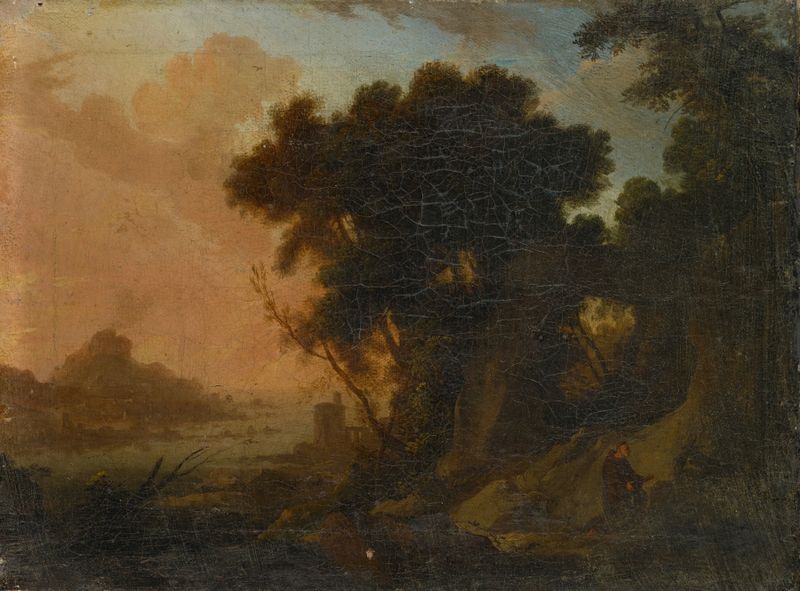
What if beauty was never meant to be finished? In Landscape With Ruins, the fragments of a once-grand structure remind us that even in decay, there is an artistry of existence, a choreography of nature reclaiming its space. Look to the left at the gnarled trees, their twisted limbs arching in unwritten narratives. Notice how the light dances across the vibrant greens and browns, illuminating the ruins nestled within the landscape. The soft brushstrokes suggest movement, as if the scene breathes and shifts with the passing breeze, drawing the eye towards the distant horizon where nature and architecture intertwine. Hidden within the canvas lies the contrast of permanence and transience.
The ruins, though crumbling, stand resilient against the encroaching wilderness, symbolizing the fleeting nature of human achievement. The interplay of light and shadow invites contemplation on the passage of time—a gentle reminder that beauty can exist within the impermanence of life. Each element reflects an emotional tension, where nature's encroachment becomes a form of rebirth, embracing the remnants of the past. Painted in 1698, during a period of artistic transition in France, the artist found himself navigating a world rich with Baroque influences yet on the cusp of shifting towards more naturalistic landscapes.
Patel the younger captured this moment while incorporating the grandeur of Italianate aesthetics, responding to the changing tastes of his patrons and the evolving dialogue between nature and architecture in art.
More Artworks by Pierre Antoine Patel the younger
Browse all →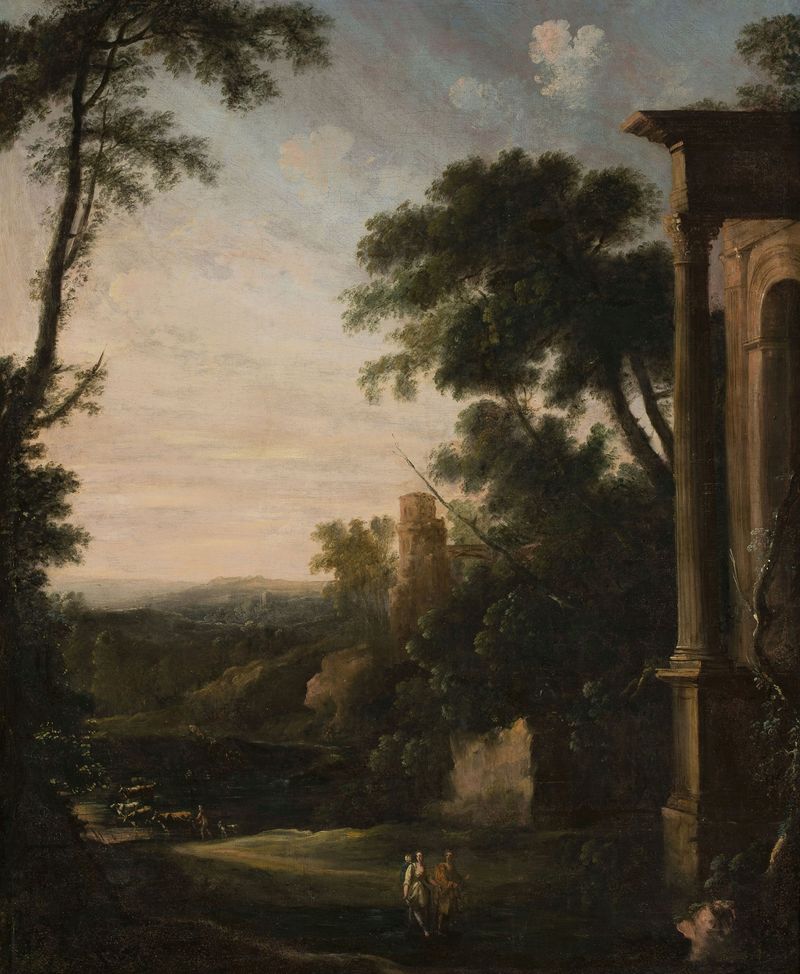
Landscape with architecture and staffage
Pierre Antoine Patel the younger
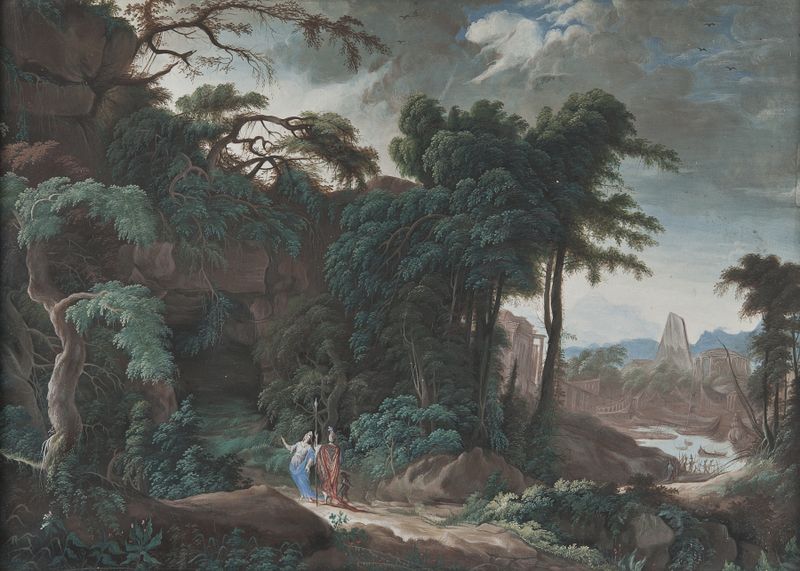
Forest landscape with figures
Pierre Antoine Patel the younger
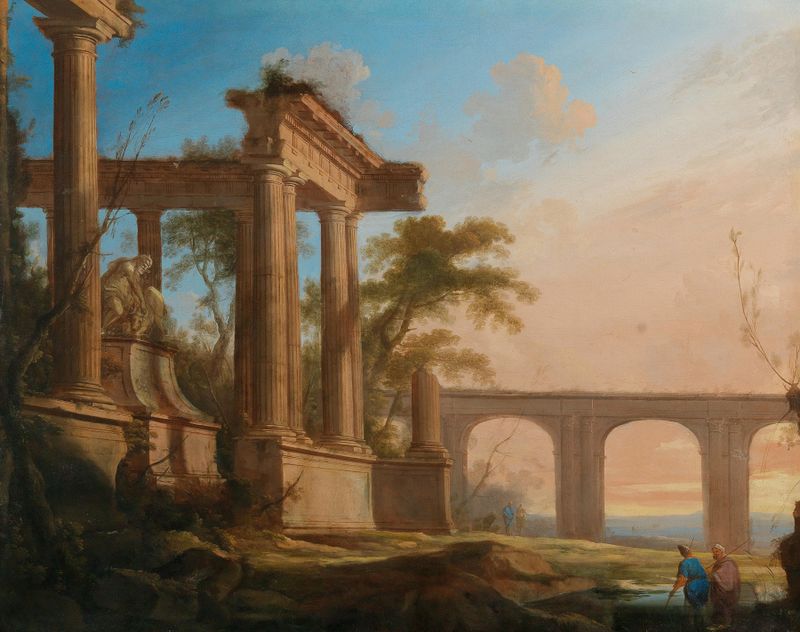
Landscape with ruins and an aqueduct
Pierre Antoine Patel the younger
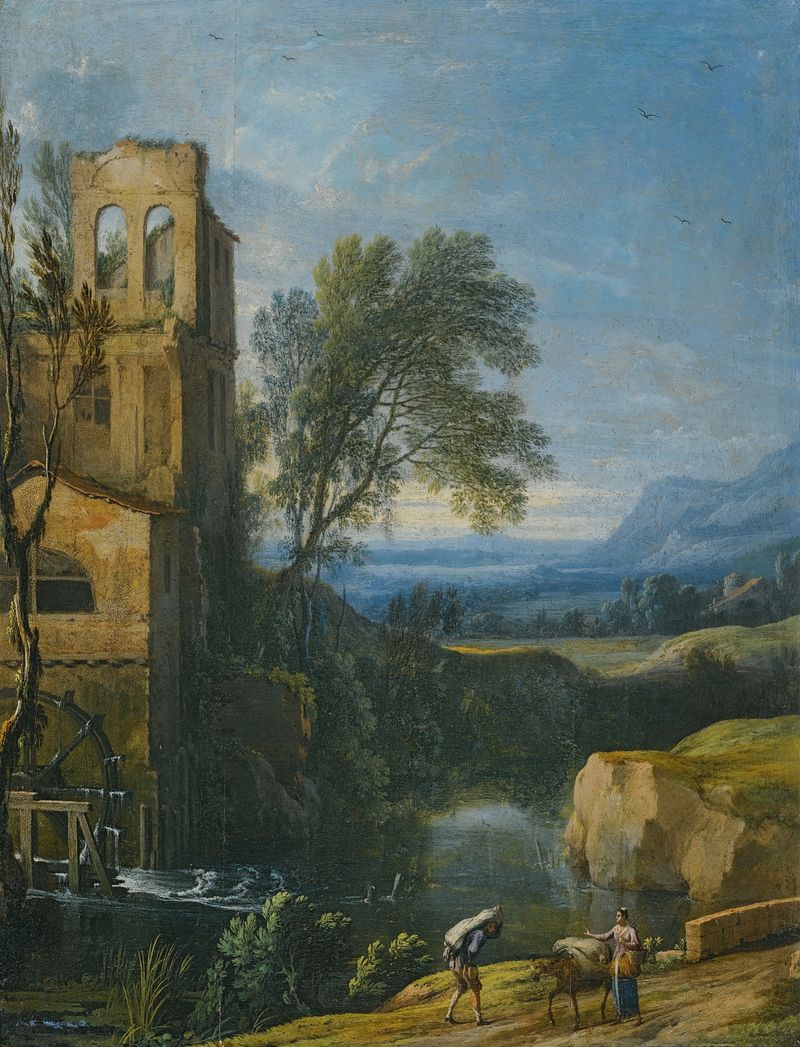
A River Landscape With A Watermill To The Left And Figures With A Donkey In The Foreground
Pierre Antoine Patel the younger
Landscape with Hermit
Pierre Antoine Patel the younger





