Landscape With The Dioscuri And Antic Ruins Animated With Figures — History & Facts
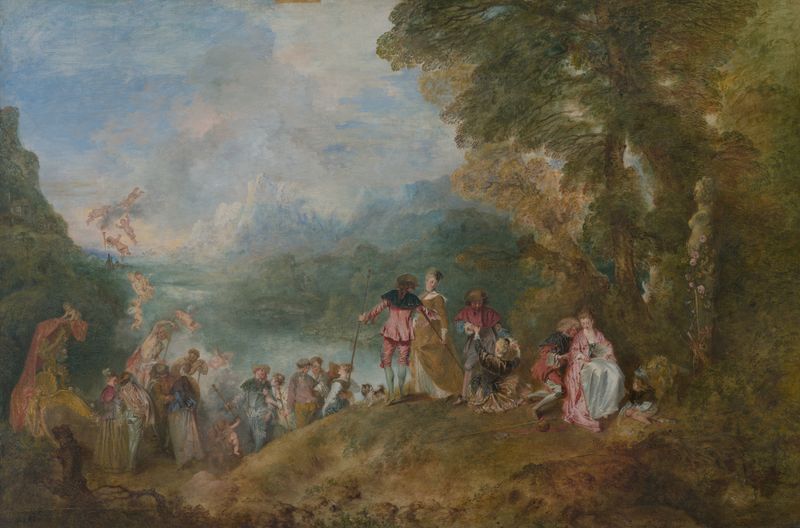
When did color learn to lie? In a vibrant world, truth often melds with the illusions of light and shadow, creating a tapestry of decay and rebirth. Look to the left at the ethereal figures of the Dioscuri, their forms echoing through the landscape, serving as guardians of both myth and memory. Notice how soft pastels blend harmoniously, while the ruins rise robustly, a testament to time’s relentless passage. The juxtaposition of bright hues with the creeping decay of ancient stone speaks volumes; it feels as if the colors themselves are whispering secrets of what was once vibrant and alive. The emotional tension lies within this juxtaposition: the vibrant figures juxtaposed against crumbling structures, revealing a dialogue between life and loss.
Here, the fleeting nature of beauty confronts the permanence of decay, a reminder that all things, no matter how vivid, will eventually fade. Each brushstroke tells a story, capturing echoes of laughter and moments of silence, urging viewers to contemplate their own transience against the backdrop of history. Jean Lemaire created this work during a time of artistic exploration, likely in the late 17th century, when Baroque influences permeated the European art scene. His approach reflects a fascination with classical themes, as well as an emerging interest in the relationship between humanity and nature.
During this period, Lemaire was part of a broader movement that sought to capture the splendor of the past while grappling with the ephemeral beauty found in everyday life.