
Landscape with windmill (Edward William Cooke) — History & Facts
When did color learn to lie? In a world where nature's palette is both vibrant and deceptive, truth becomes an elusive concept, painting over the stark realities of life. Look to the horizon in Landscape with Windmill, where the velvety greens of the fields blend seamlessly into a sky flecked with golden hues. The sun casts long shadows from the windmill, a silent sentinel standing guard against the shifting winds of change. Notice how the brushstrokes weave through the scene; thick and expressive, they create depth and motion, suggesting a landscape alive with potential and strife.
The colors are not merely pigments; they vibrate with the tension of an evolving world. Delve deeper into the juxtaposition between the windmill's steadfastness and the turbulent sky. The structure, weathered yet proud, symbolizes resilience against the backdrop of uncertain times, evoking a sense of both calm and foreboding. The swirling clouds hint at revolution, a shift just beyond the canvas, where the beauty of nature may betray an underlying tumult.
Each element reflects the interplay between tranquility and chaos, urging the viewer to consider the unseen forces at work. Louis Marvy created this work in 1850, a time of great upheaval in France and across Europe. The Industrial Revolution was transforming landscapes, both literally and culturally, as traditional ways of life clashed with modernity. Marvy, influenced by the Romantic movement, sought to capture the complexities of these changes, illustrating not just the beauty of the countryside, but the tensions that lay beneath its surface.
More Artworks by Louis Marvy
Browse all →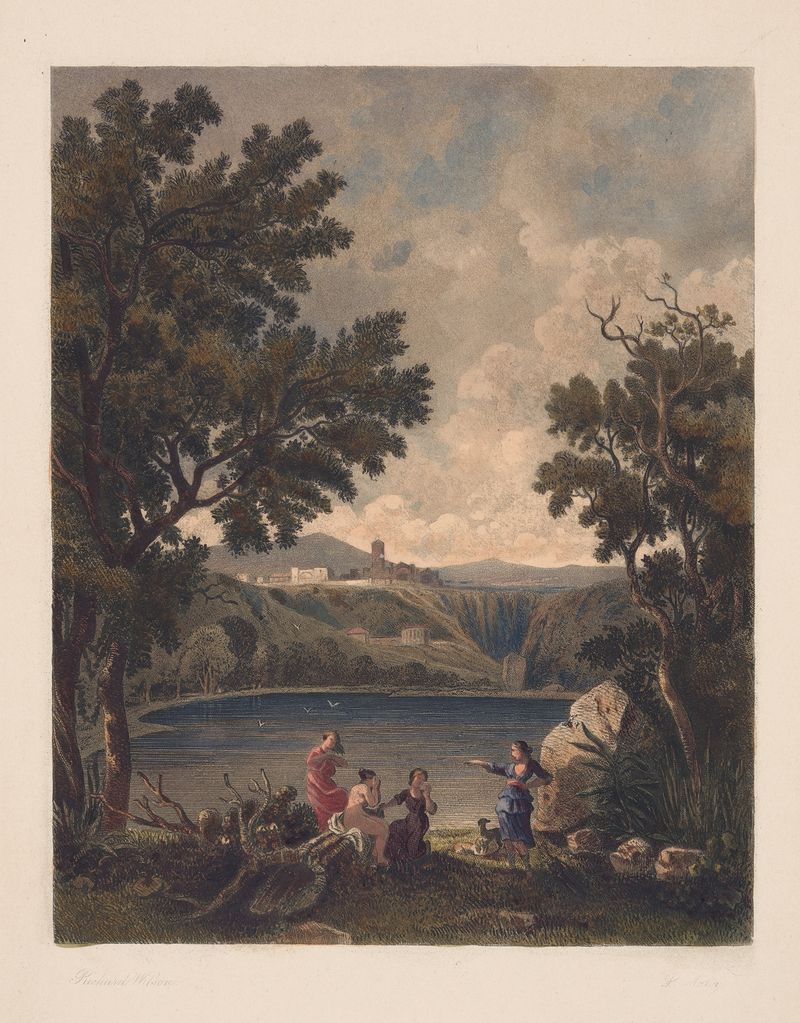
Diana and Callisto (Richard Wilson)
Louis Marvy
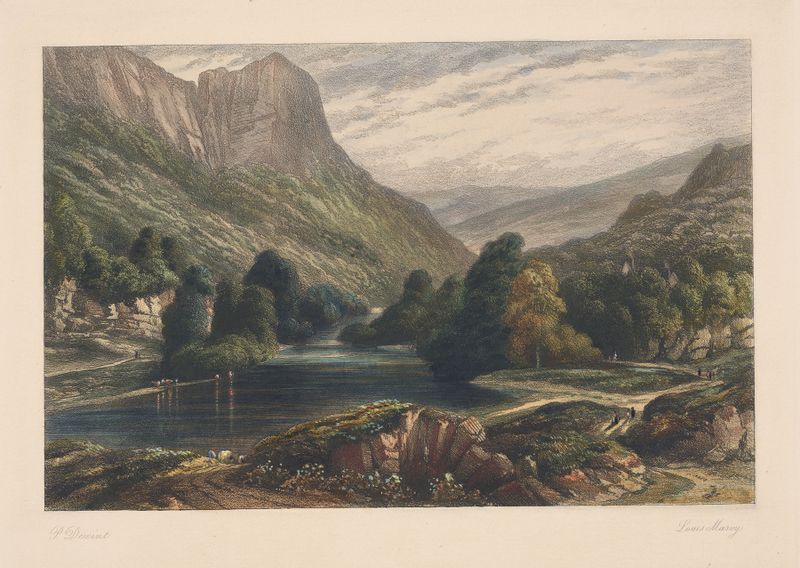
Landscape with mountain lake (Peter DeWint)
Louis Marvy
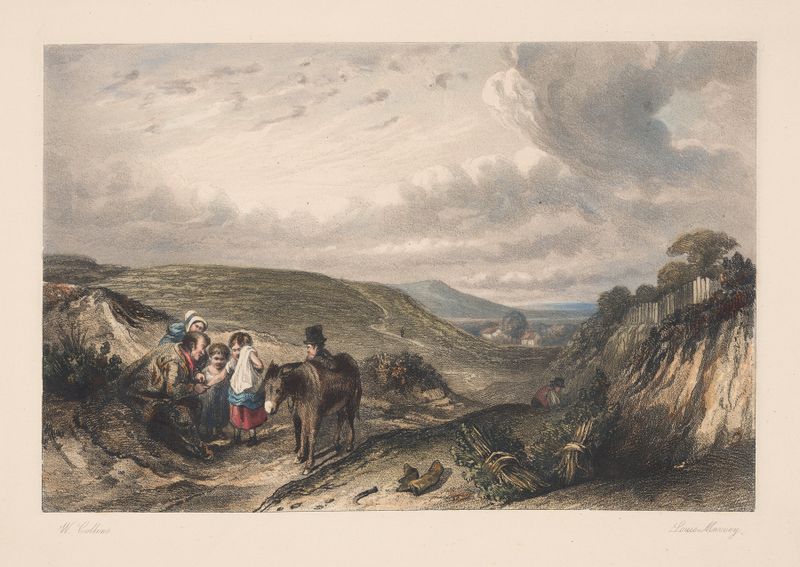
Landscape with woodgatherers (William Collins)
Louis Marvy
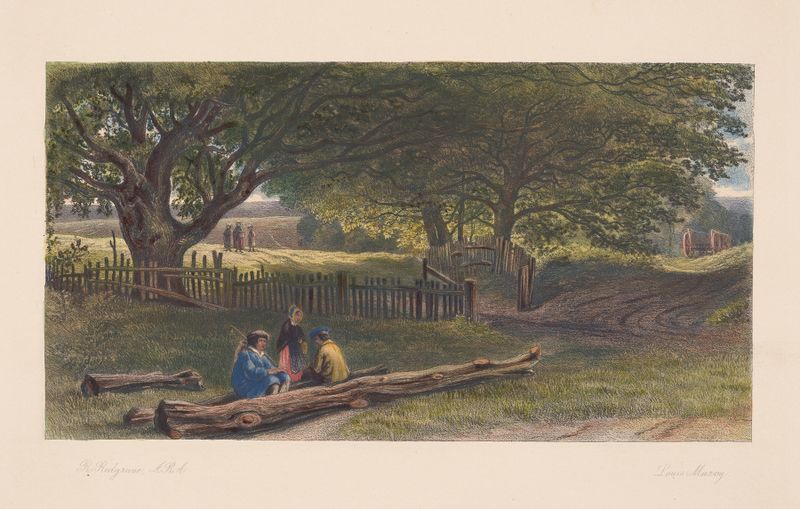
Landscape with gypsies (Richard Redgrave)
Louis Marvy
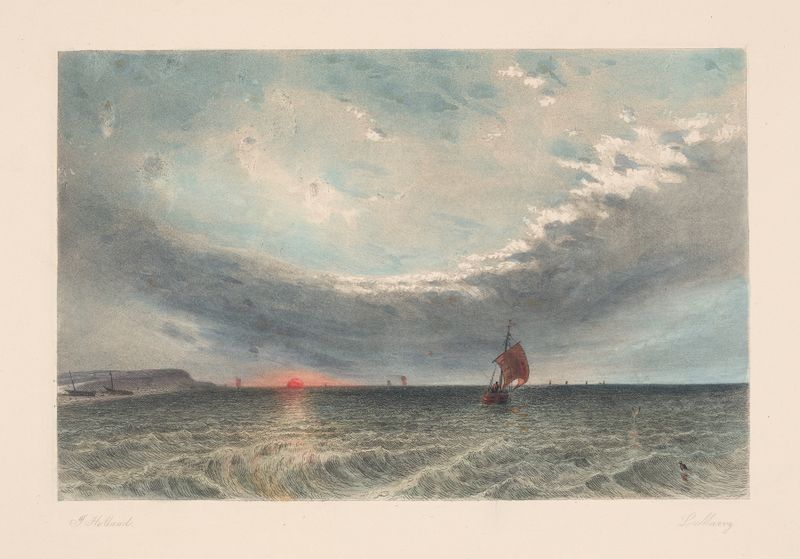
Seascape at sunset (James Holland)
Louis Marvy
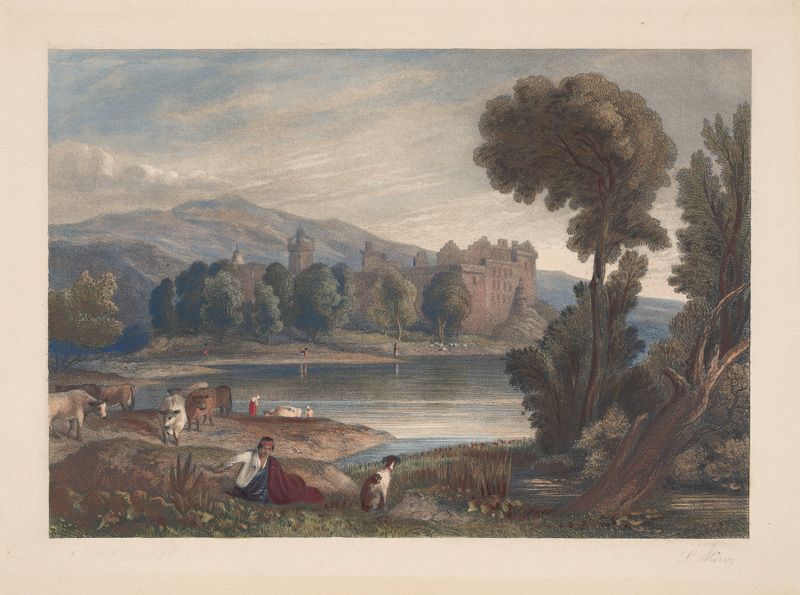
Lakeside castle (Joseph Mallord William Turner)
Louis Marvy
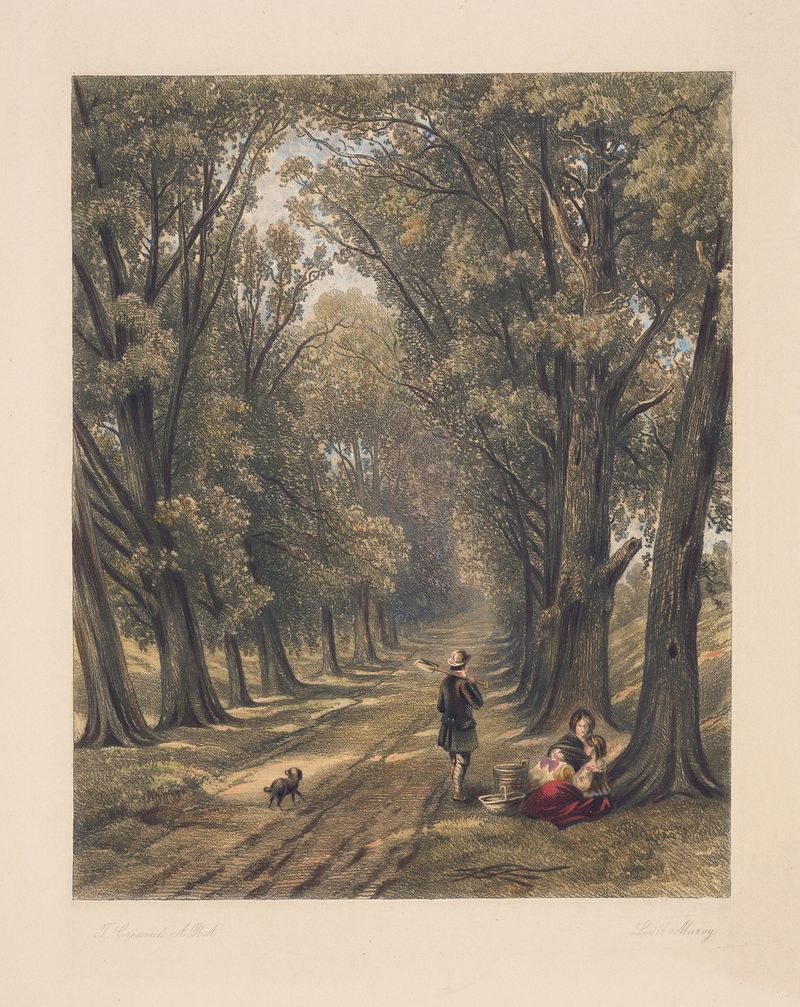
Landscape with tree-lined country road (Thomas Creswick)
Louis Marvy
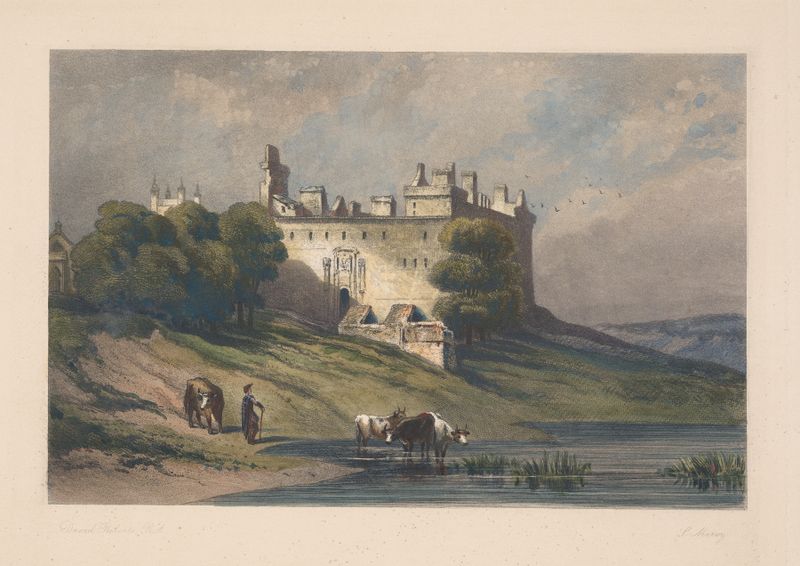
Landscape with cattle near castle (David Roberts)
Louis Marvy
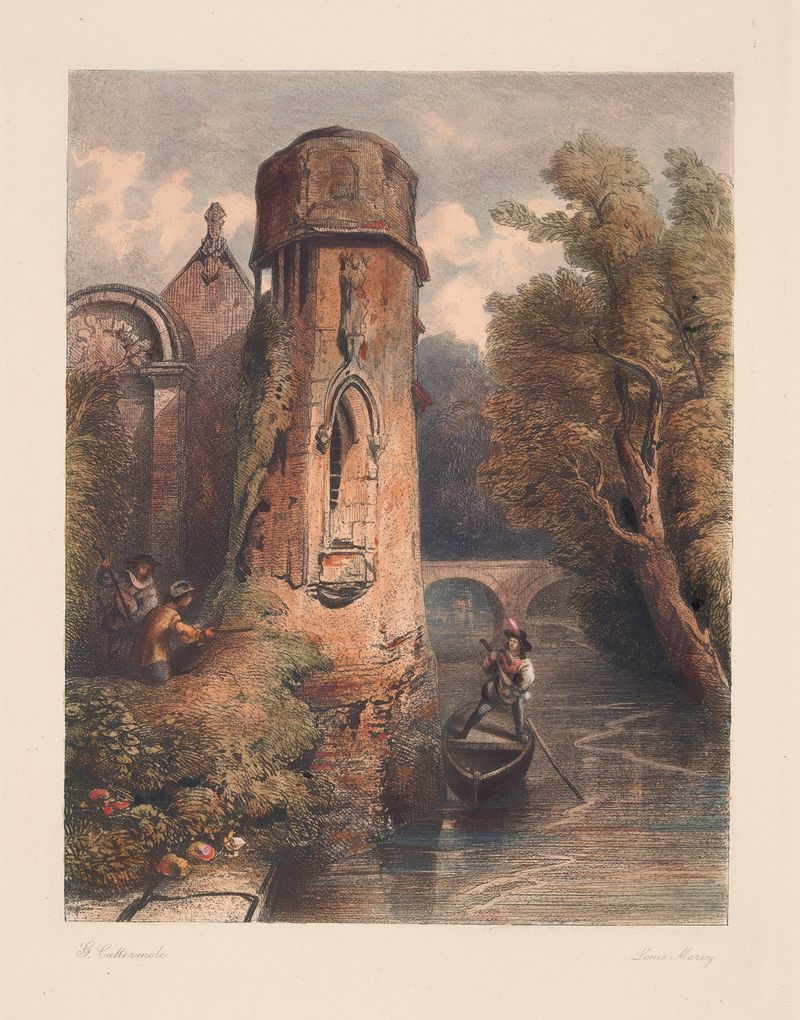
Landscape with man in boat playing lute near moss-covered tower (George Cattermole)
Louis Marvy
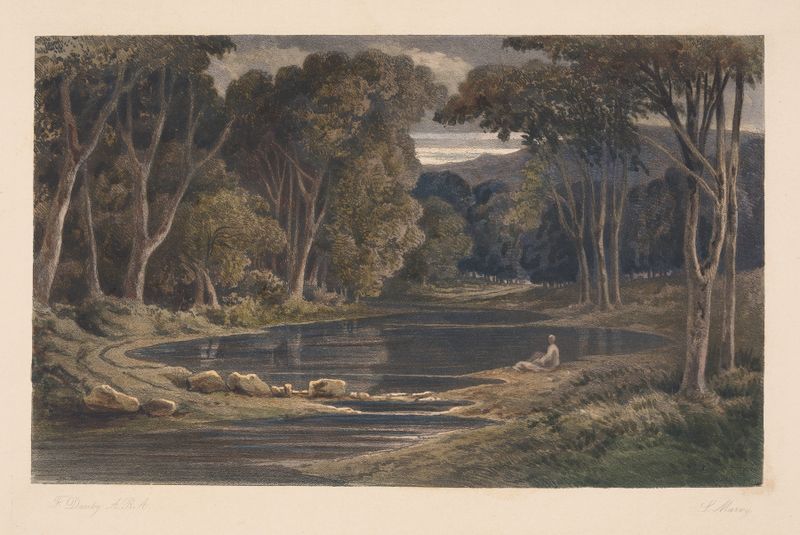
Woodland pool with seated figure (Francis Danby)
Louis Marvy





