
Landschaft Belgien — History & Facts
In the quiet testament of Landschaft Belgien, the echoes of loss and nostalgia resonate deeply. This work serves as both memory and mourning, capturing the fleeting essence of a place perhaps long gone, yet forever etched in the artist’s heart. Look closely at the left edge of the canvas where the verdant hills undulate under the weight of a gathering storm. The turbulent skies swirl with muted grays and blues, creating a stark contrast against the lush greens below.
Notice how the textured strokes invite us to feel the breeze rustling through the foliage, the scene pulsating with an energy that balances both peace and impending change. The artist’s choice of color and light breathes life into the landscape, each stroke whispering the stories of what once was. In the foreground, the delicate interplay between light and shadow unveils an emotional tension, hinting at a world on the brink of transformation. The browns of the earth speak of stability, yet they are shadowed by the encroaching storm, symbolizing the inevitable passage of time and the bittersweet nature of memory.
Each element in the composition, from the trembling leaves to the distant horizon, embodies a sense of longing and a connection to the past, revealing how landscapes can cradle both beauty and sorrow. Alfred Zoff painted Landschaft Belgien during a period marked by a profound sense of introspection in his life, likely around the late 19th century in Belgium. Navigating the shifts in the art world, he found himself influenced by Romanticism, which celebrated nature’s undying power and its emotional impact. During this time, personal experiences and historical changes prompted many artists to reflect on memory and loss, deepening the connection between their works and the human experience.
More Artworks by Alfred Zoff
Browse all →
Chioggia
Alfred Zoff

Riviera, Breaking Waves in Boccadasse
Alfred Zoff

Camaret. Küste bei Brest
Alfred Zoff
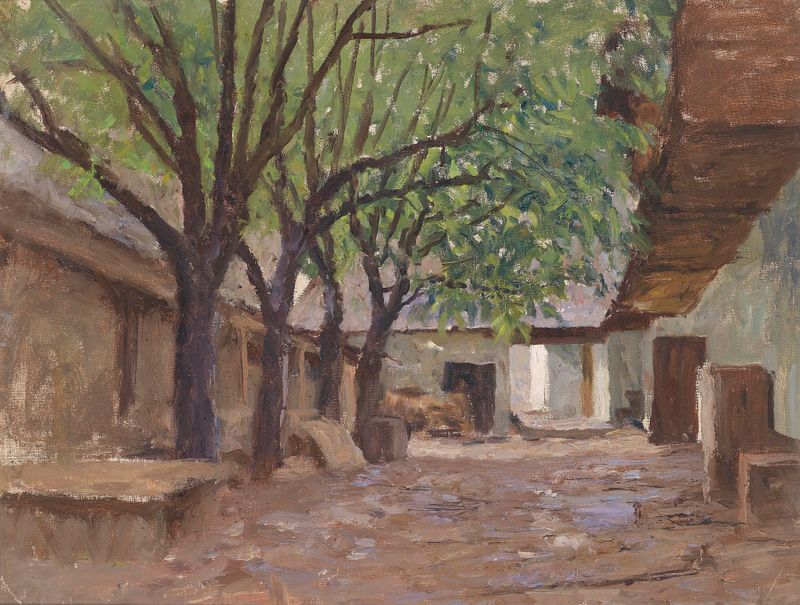
Bauernhäuser bei Klagenfurt
Alfred Zoff

Felsige Küstenpartie
Alfred Zoff

Ländliche Idylle
Alfred Zoff
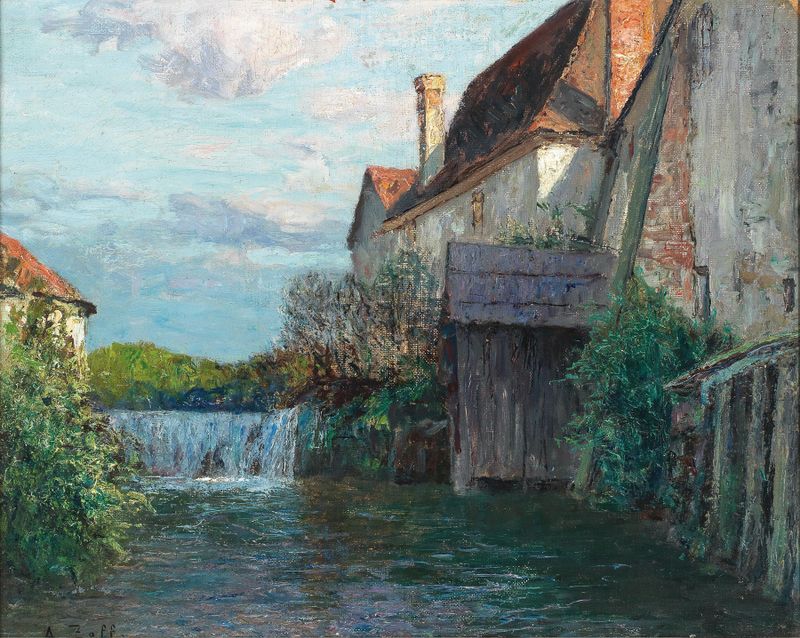
Motiv aus einem steirischen Eisenwerk
Alfred Zoff

Abendstimmung
Alfred Zoff
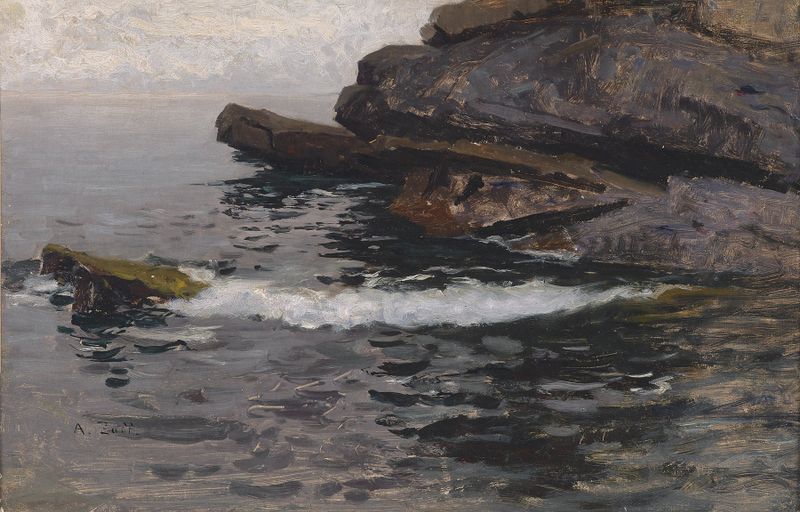
Felsküste bei Capo Lungo
Alfred Zoff

Fischerboote zur Zeit der Ebbe
Alfred Zoff





