
Landschaft mit Bäuerin, Kind und der Ruine Eppstein — History & Facts
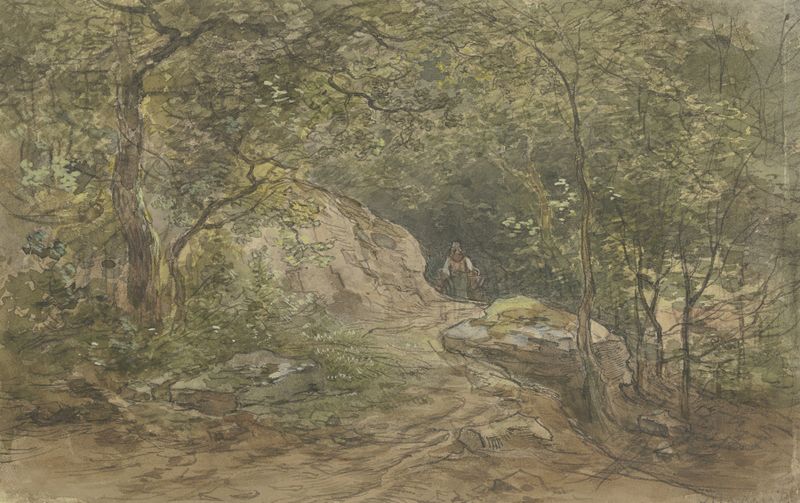
What secret hides in the quiet of the canvas? The stillness of a landscape can often mirror the depths of human experience, revealing transformation in the most unexpected places. Look to the left at the farmer’s wife, her posture relaxed yet watchful as she stands beside her child, both figures immersed in the tranquil surroundings. Notice how the soft greens and earthy browns of the fields contrast with the delicate blues of the sky, creating a serene backdrop for this intimate moment. The ruins of Eppstein rise in the distance, their crumbling stones suggesting a narrative of the past while the figures in the foreground embody resilience and continuity. The juxtaposition of the woman and child against the ancient ruins evokes a profound sense of life’s cycles—birth and decay, growth and decline.
The presence of the ruins casts a shadow of nostalgia, hinting at lives once lived, stories untold, while the figures exude a vibrant connection to the earth, symbolizing hope and renewal. Their calmness against the historical remnants invites contemplation about the passage of time, the layers of existence, and the ever-present possibility of transformation. In 1892, while creating this work, Anton Burger was in a period of personal introspection as he navigated the transition in German artistic movements, moving away from Romanticism towards a more naturalistic approach. This shift in his style reflected broader changes in society as the industrial age began to alter landscapes and ways of life, touching on themes of heritage, legacy, and the silent stories held within the land and its people.
More Artworks by Anton Burger
Browse all →
Hohlweg mit Schafherde bei Kelsterbach
Anton Burger
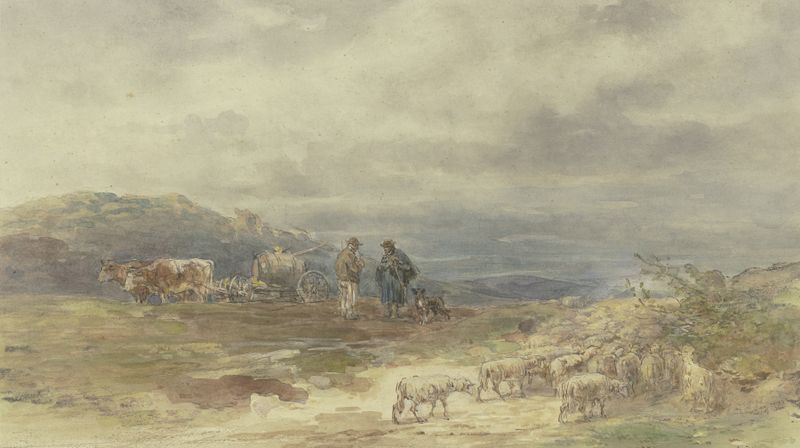
Landschaft mit Schafherde und Ochsenfuhrwerk
Anton Burger

View of Kronberg
Anton Burger
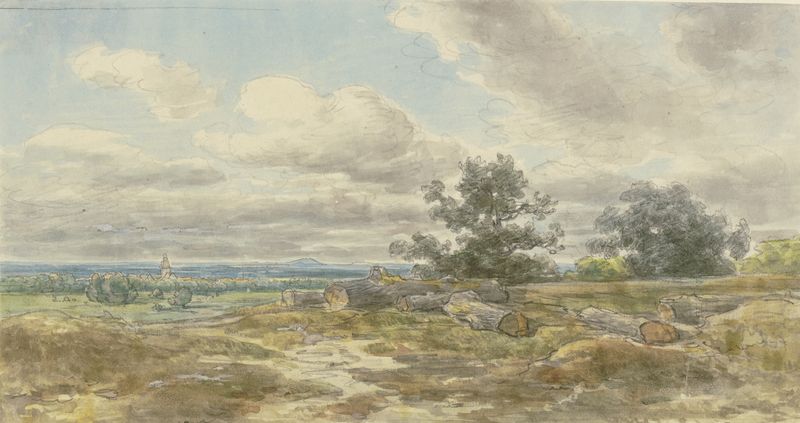
Aussicht über eine Ebene, im Vordergrund umherliegende abgesägte Baumstämme
Anton Burger
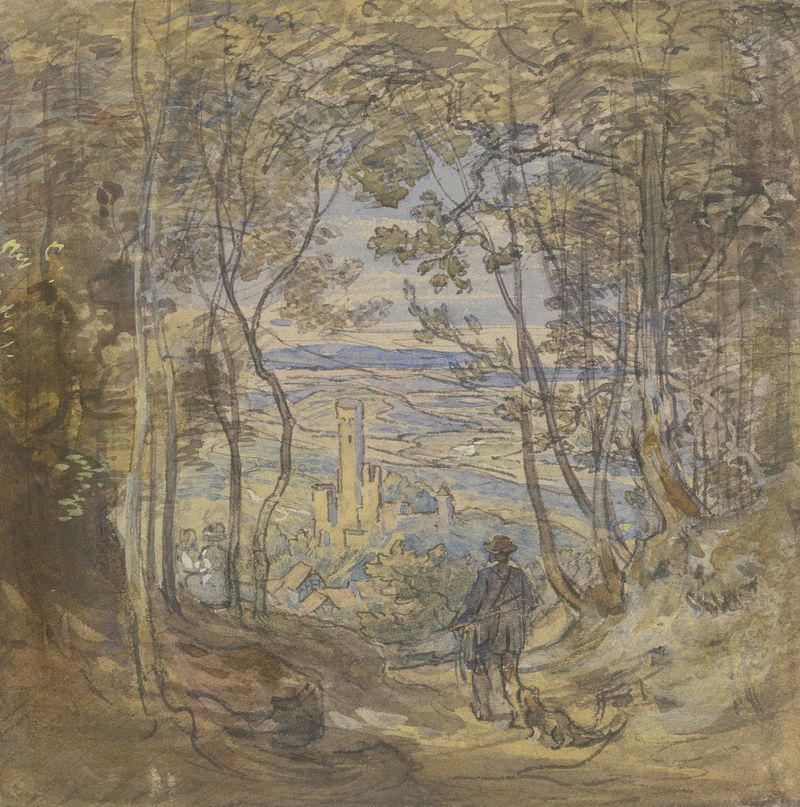
Blick aus dem Wald auf Eppstein
Anton Burger

Oberreifenberg mit Burg Reifenberg
Anton Burger
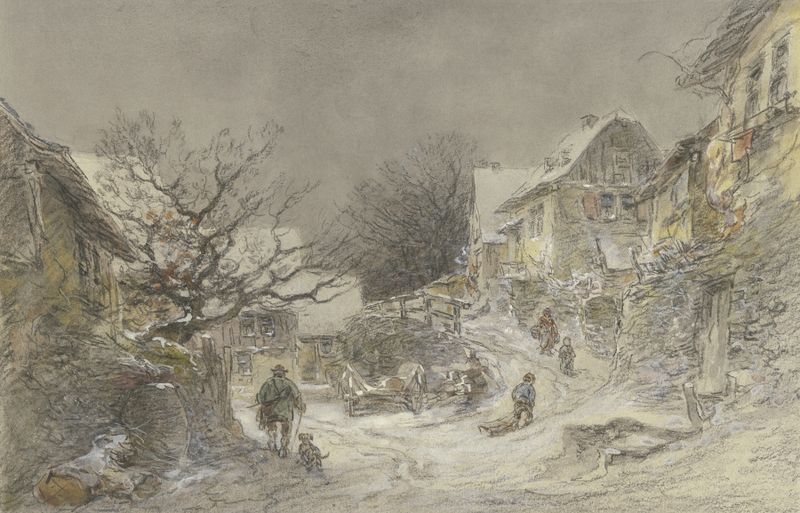
Winteransicht von Falkenstein
Anton Burger

Hohlweg mit Schafherde bei Sonnenuntergang
Anton Burger

Landschaft mit Ochsengespann
Anton Burger
Fahrweg durch einen Buchenwald
Anton Burger





