
Landschap met een huis en een waterput — History & Facts
Who listens when art speaks of silence? In the stillness of the landscape, a house stands as a quiet witness, its presence marked by the shadows that stretch and weave around it. Look to the right at the water well, perfectly placed to draw the eye. The gentle curves of the well's form contrast with the rigid lines of the house, while rich greens and earthy browns dominate the palette, evoking a sense of calm and harmony. Notice how the sunlight filters through the trees, casting dappled shadows upon the ground, which serves as a reminder of the fleeting nature of time in this serene setting. Beneath the surface of this pastoral scene lies a deeper tension.
The house, though a symbol of stability, is enveloped in shadow, hinting at the secrets it may harbor. The well, a source of life, brings forth the melancholy of disconnect; it is present yet untouched, drawing attention to the absence of human life in the painting. This juxtaposition of light and shadow captures the delicate balance between serenity and isolation. Created between 1605 and 1673, during a period of artistic growth in the Netherlands, the artist painted this work while residing in a country thriving in techniques of realism and landscape depiction.
Emerging from the early Baroque era, he contributed to a genre that celebrated the Dutch countryside, capturing both its beauty and its solitude, as society began to reflect on the importance of nature in a rapidly changing world.
More Artworks by Lucas van Uden
Browse all →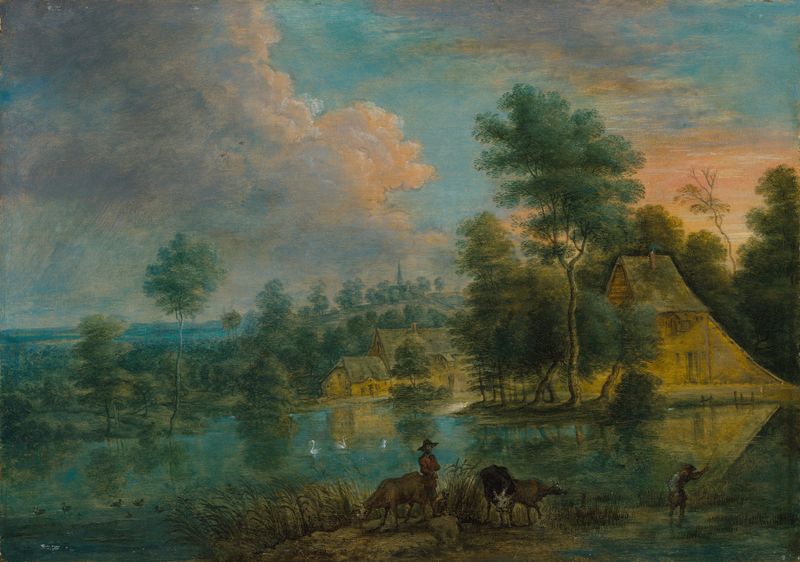
A river landscape with travellers
Lucas van Uden
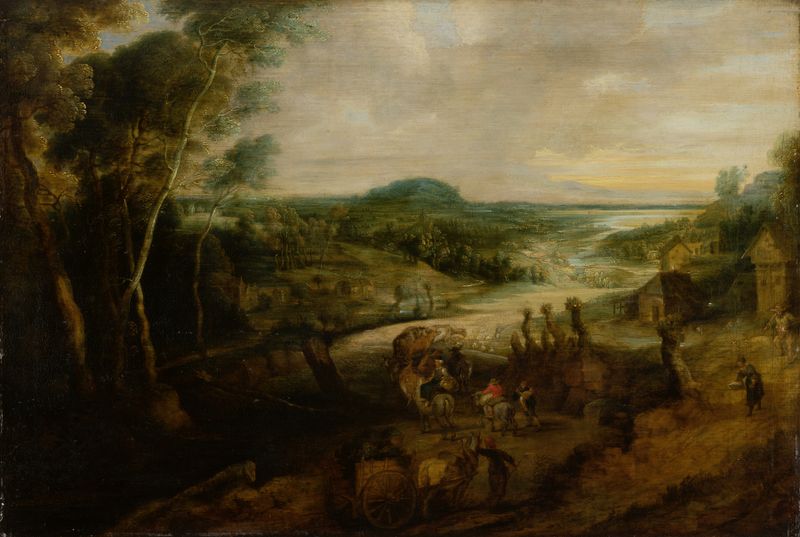
River Landscape with Peasants on the Way to Market
Lucas van Uden
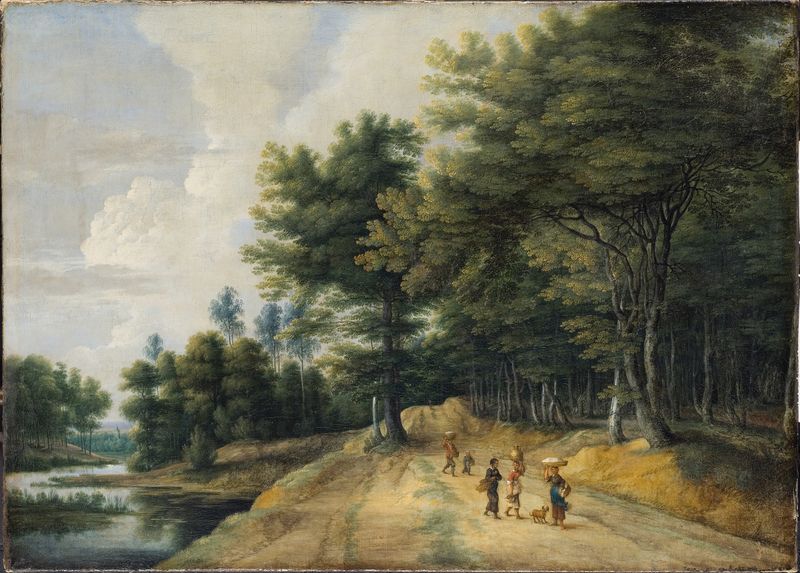
Landscape with a Road through a Wood of Beeches
Lucas van Uden
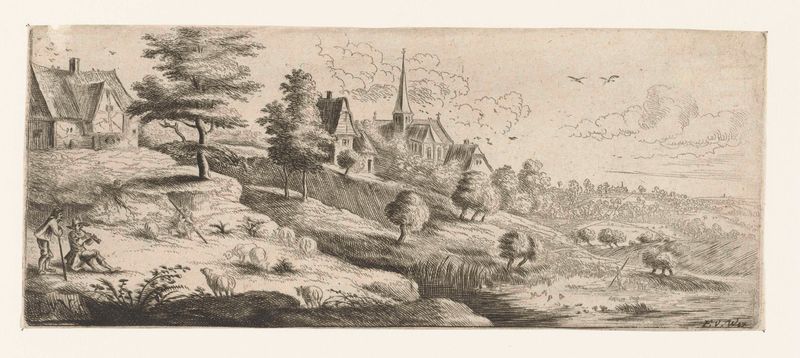
Landschap met een dorp en een schalmei spelende man
Lucas van Uden
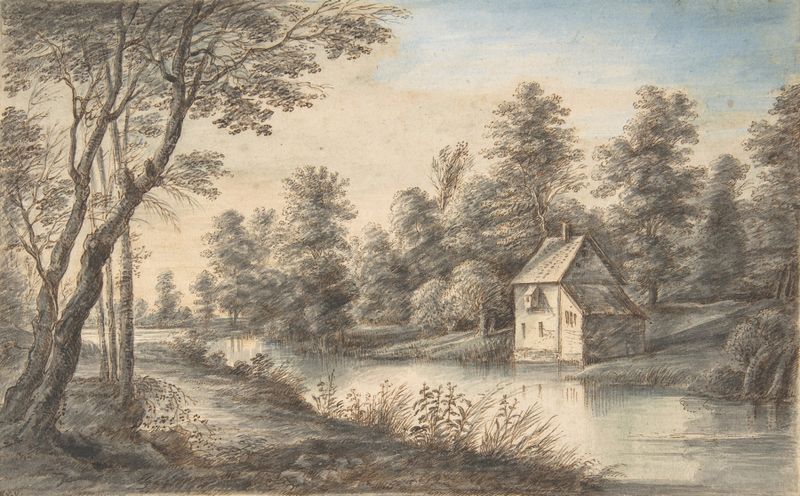
Wooded Landscape with a House beside a River
Lucas van Uden
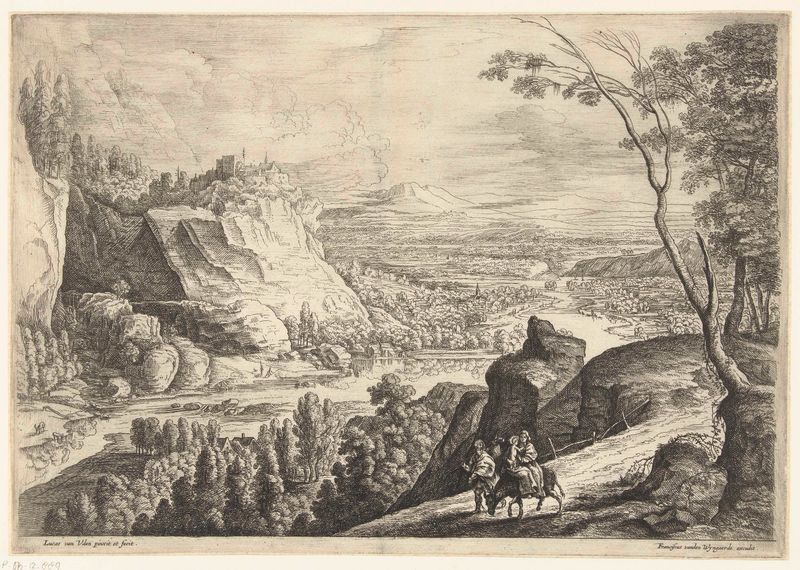
Landschap met de vlucht naar Egypte
Lucas van Uden
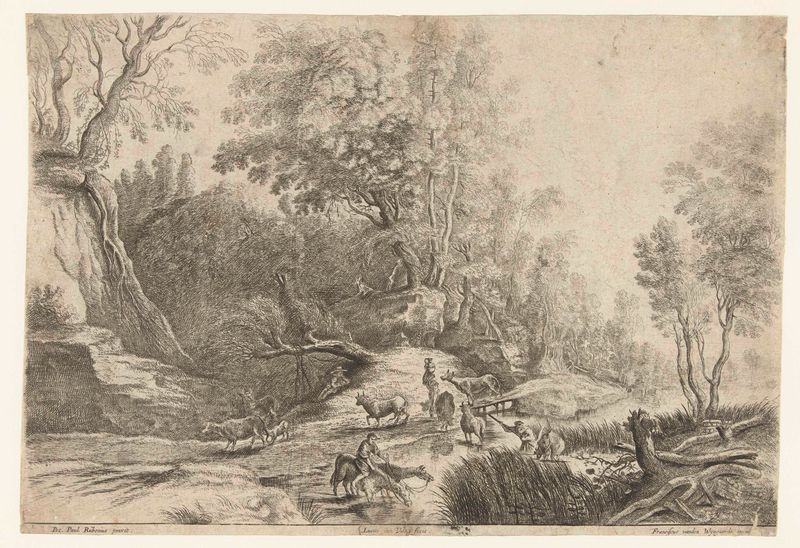
Paarden en koeien bij een drinkplaats
Lucas van Uden
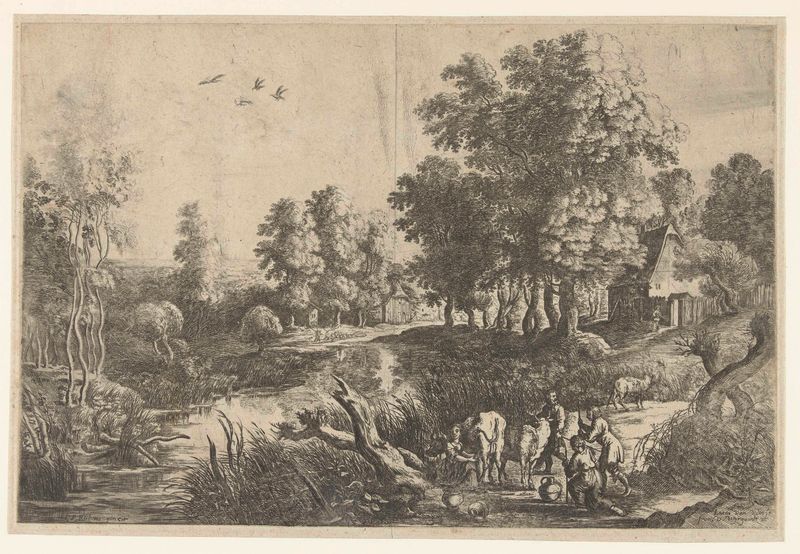
Boeren met vee bij een beek
Lucas van Uden
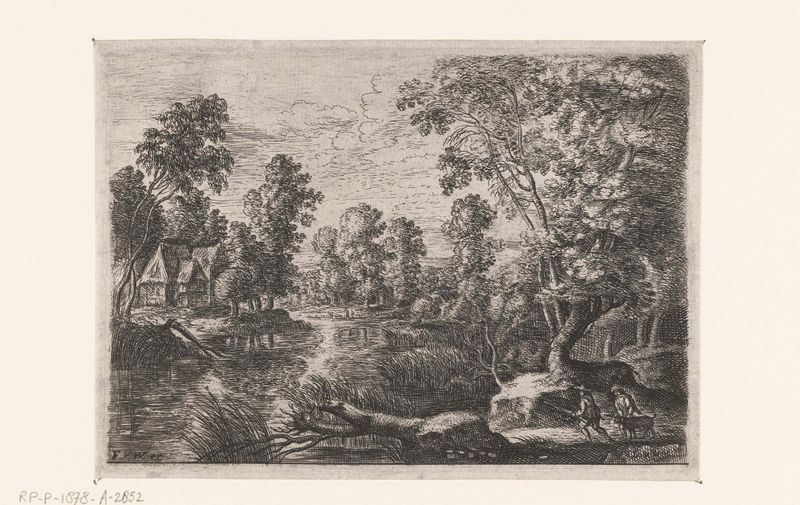
Landschap met een beek en een jager
Lucas van Uden
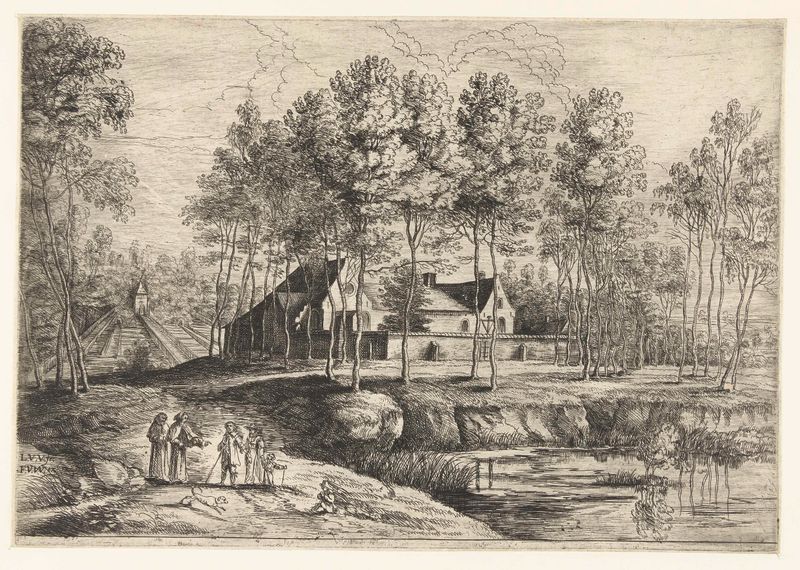
Gezicht op het kapucijnenklooster te Tervuren
Lucas van Uden





