
Landschap met een huis en een waterput — History & Facts
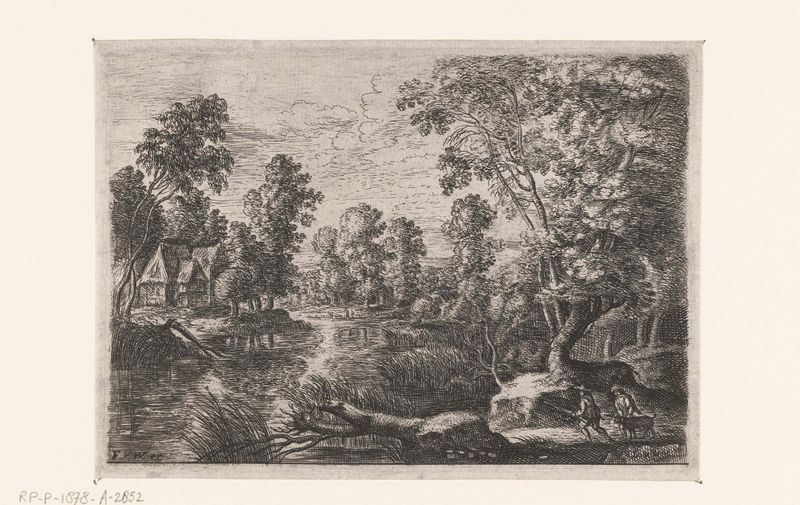
In a world where innocence gently intertwines with the mundane, landscapes whisper secrets and stories. Each brushstroke invites the viewer to ponder the simplicity of rural life, stripped away from the complexities of modern existence. Look to the left at the serene house, nestled amid a lush expanse of greenery. The earthy tones of the trees and the soft texture of the soil contrast beautifully against the vibrant blue sky, where wisps of clouds drift lazily.
The water well, positioned prominently in the foreground, acts as an anchor for the scene, inviting contemplation on the essentials of life and the interconnectedness of nature and humanity. Notice how the light gracefully caresses the house, enhancing its inviting presence while casting gentle shadows that hint at the passage of time. The painting encapsulates a moment of quietude that speaks volumes—a reminder of innocence lost amid the chaos of life. The well represents sustenance, both literal and metaphorical, while the house signifies safety and domesticity.
Together, they form a contrast between the vibrant life of nature and the serene stability of human habitation, evoking a sense of nostalgia for a simpler existence. These elements invite the viewer to reflect on their own connections to place and the passage of time. Created during a period of artistic flourishing in the Dutch Golden Age, this work reflects Lucas van Uden’s keen appreciation for landscape painting. Completed between 1605 and 1673, it emerged as the artist navigated a world filled with burgeoning trade and cultural exchange, where the sublime beauty of nature was increasingly celebrated and immortalized on canvas.
This context deepens our understanding of the artwork, positioning it within a moment of expanding horizons and profound exploration.
More Artworks by Lucas van Uden
Browse all →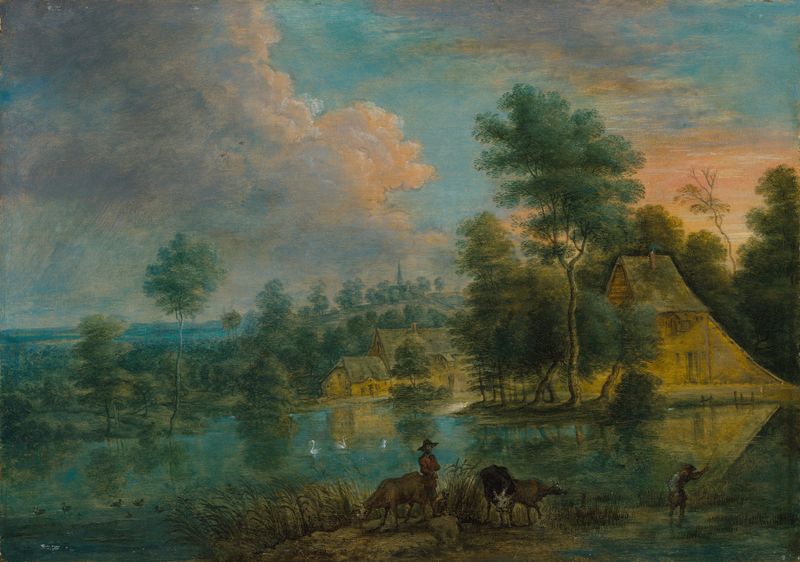
A river landscape with travellers
Lucas van Uden
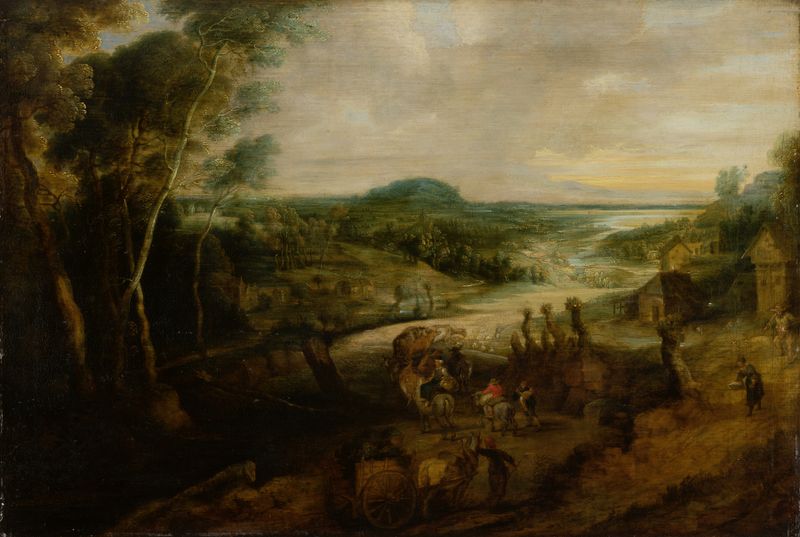
River Landscape with Peasants on the Way to Market
Lucas van Uden
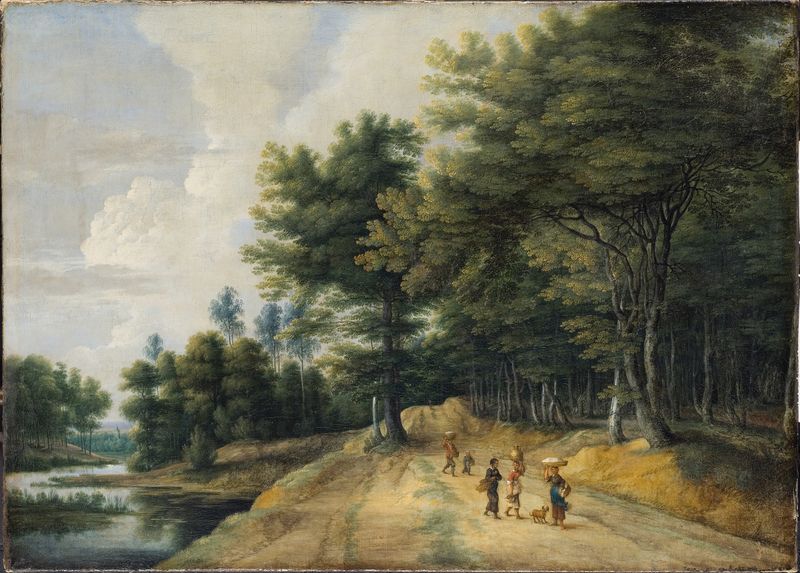
Landscape with a Road through a Wood of Beeches
Lucas van Uden
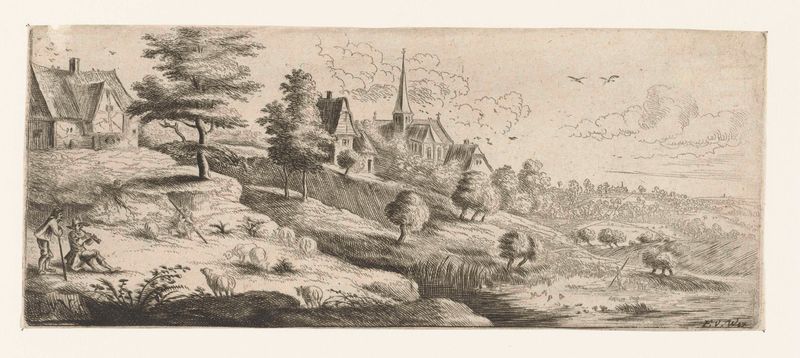
Landschap met een dorp en een schalmei spelende man
Lucas van Uden
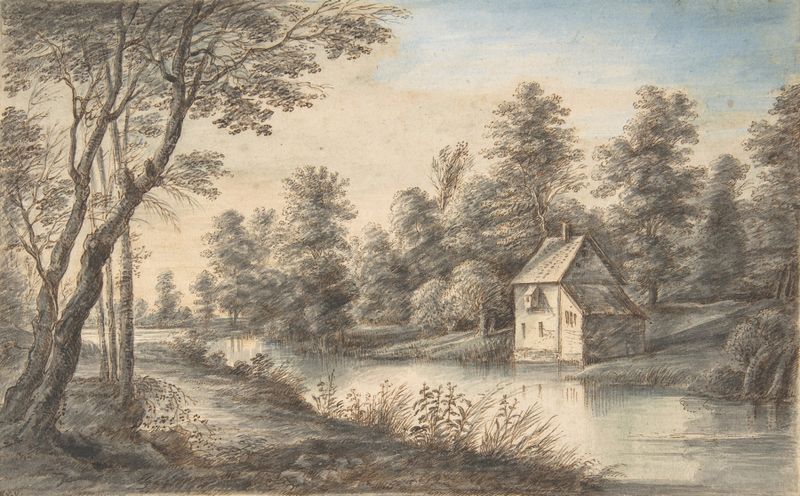
Wooded Landscape with a House beside a River
Lucas van Uden
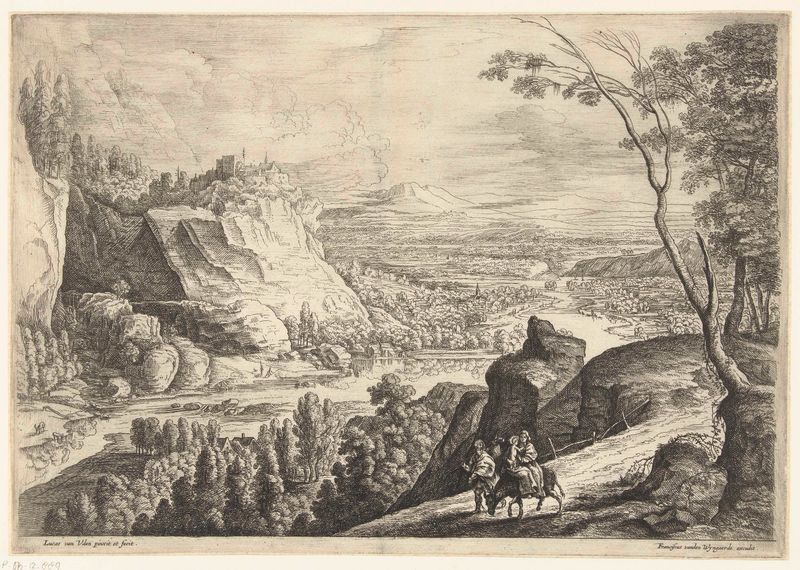
Landschap met de vlucht naar Egypte
Lucas van Uden
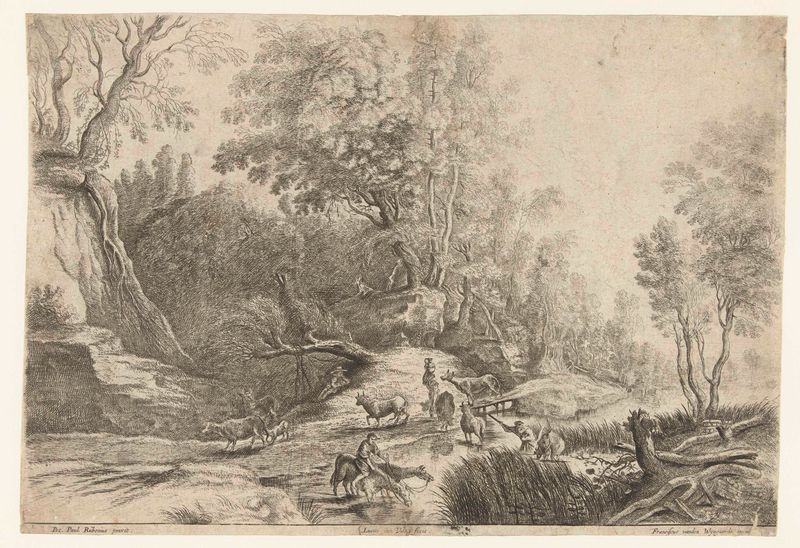
Paarden en koeien bij een drinkplaats
Lucas van Uden
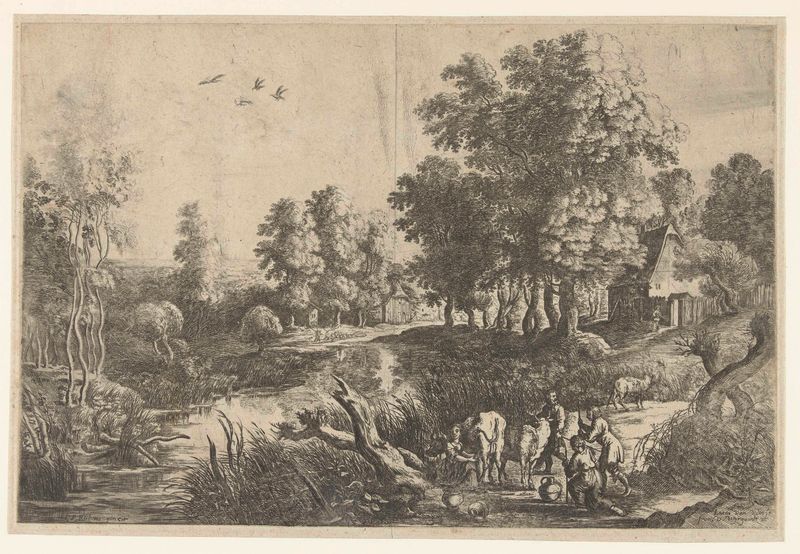
Boeren met vee bij een beek
Lucas van Uden
Landschap met een beek en een jager
Lucas van Uden
Gezicht op het kapucijnenklooster te Tervuren
Lucas van Uden





