
Landschap met een ruïne van een brug — History & Facts
Can beauty exist without sorrow? In Landschap met een ruïne van een brug, the answer unfolds through a landscape imbued with both elegance and melancholia. The remnants of the bridge stand as a poignant reminder of human achievement and the inevitable decay that follows. Look to the left, where the collapsed bridge, partly submerged in the verdant earth, draws the eye with its crumbling stonework. The vibrant greens of the foliage contrast starkly with the gray ruins, evoking a sense of life thriving alongside abandonment.
Notice how the painter utilizes soft brushstrokes to create a delicate interplay of light and shadow, capturing the interplay of sun-drenched paths and the cool gloom of the structure. This masterful technique invites viewers to explore the tranquil yet haunting essence of the scene. The juxtaposition of lush nature against the stark decay of the bridge reveals deep emotional layers. It speaks to the passage of time, the fragility of human endeavors, and the persistent force of nature reclaiming its territory.
A solitary figure in the foreground, perhaps a wanderer or a dreamer, embodies this tension between past glory and current stillness, suggesting that even in desolation, there is a beauty that resonates deeply within the soul. Created during the artist's career in the early 17th century, this work reflects the Baroque fascination with landscapes imbued with historical context. Van Uden, active primarily in Antwerp, was known for his ability to blend natural beauty with ruins, echoing the sentiments of a time when the fascination with classical antiquity was at its zenith. His exploration of themes related to the passage of time resonates as powerfully now as it did then, inviting viewers to ponder their own connections to the impermanence of beauty.
More Artworks by Lucas van Uden
Browse all →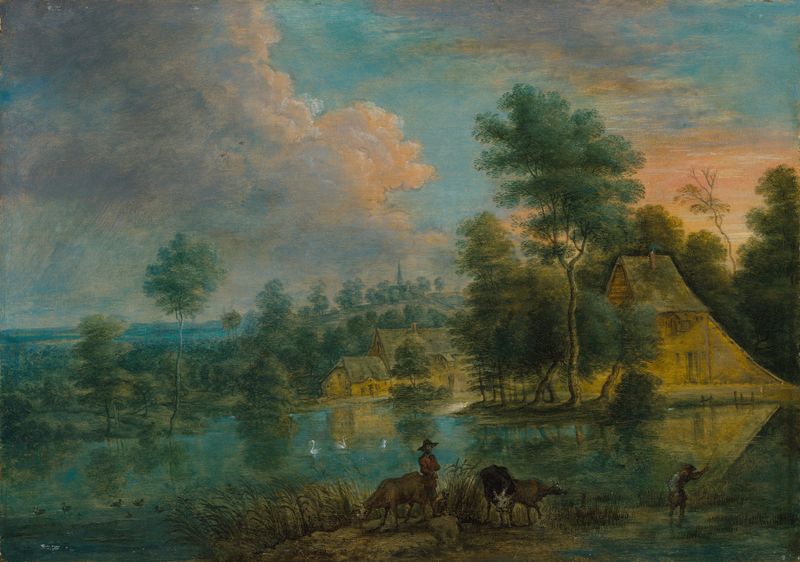
A river landscape with travellers
Lucas van Uden
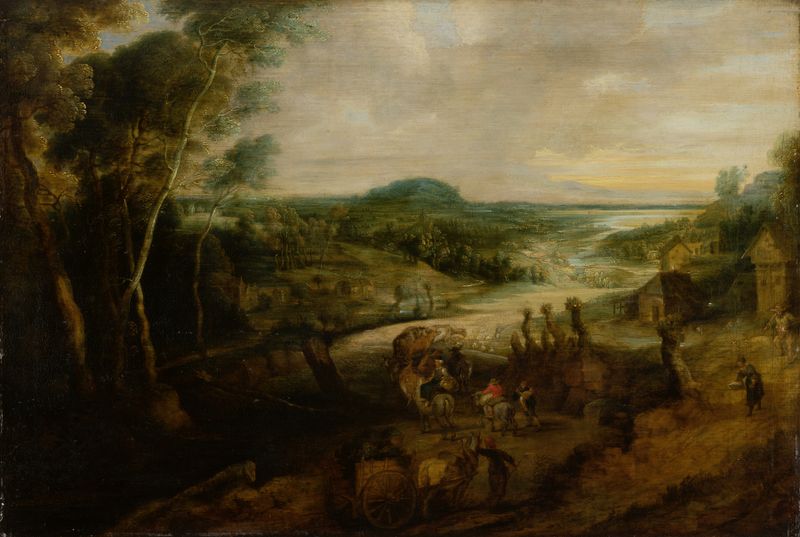
River Landscape with Peasants on the Way to Market
Lucas van Uden
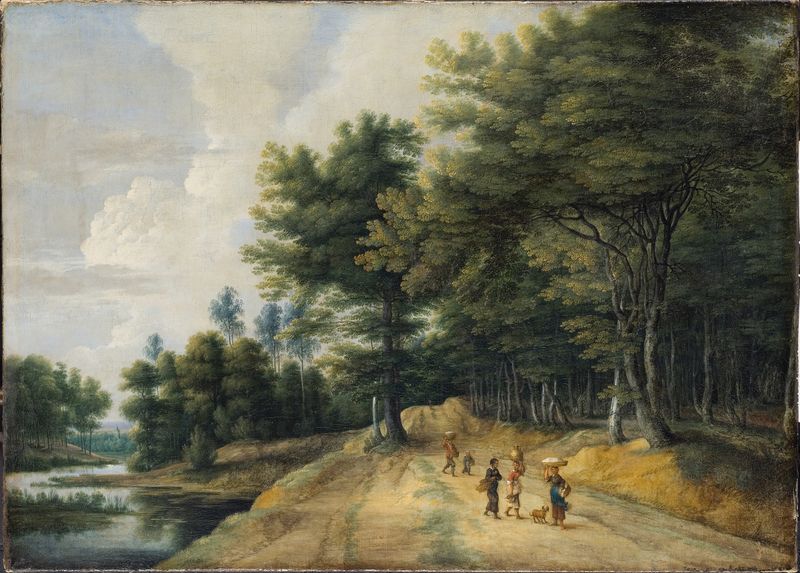
Landscape with a Road through a Wood of Beeches
Lucas van Uden
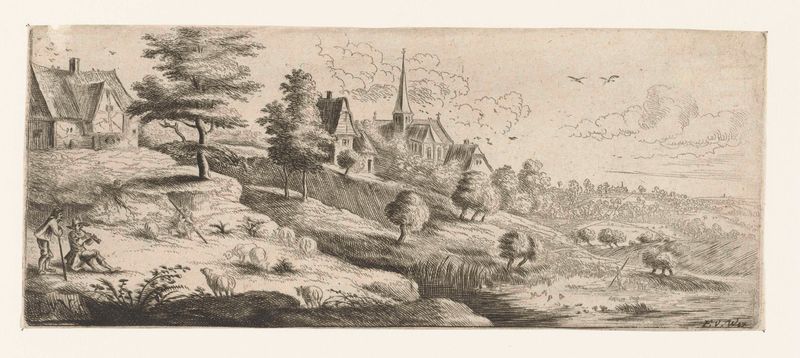
Landschap met een dorp en een schalmei spelende man
Lucas van Uden
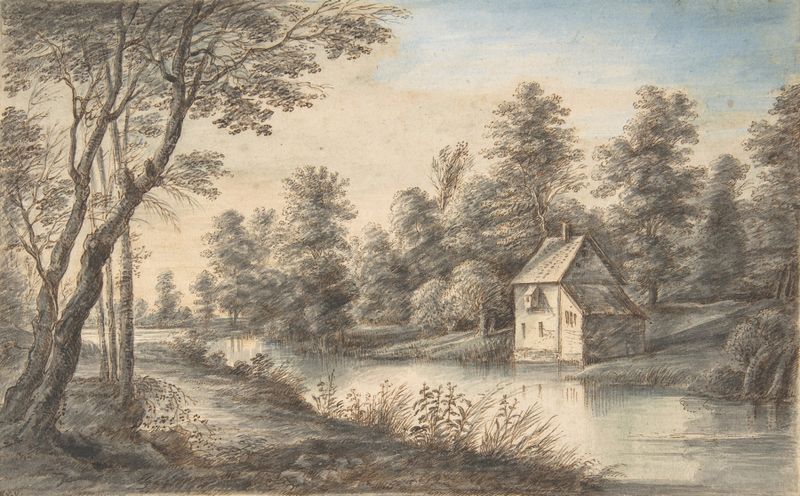
Wooded Landscape with a House beside a River
Lucas van Uden
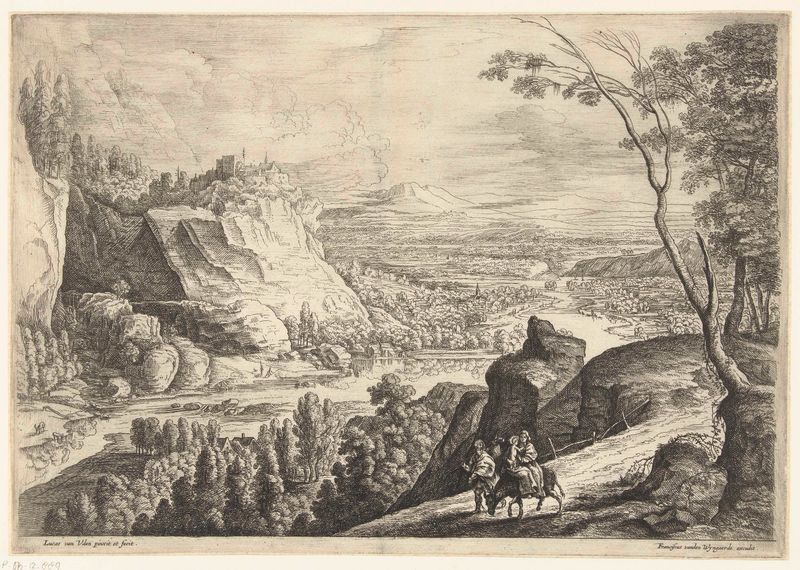
Landschap met de vlucht naar Egypte
Lucas van Uden
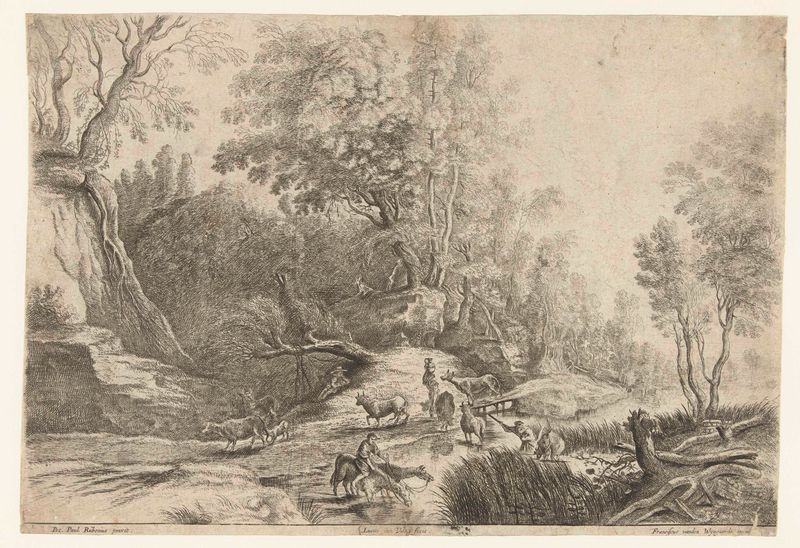
Paarden en koeien bij een drinkplaats
Lucas van Uden
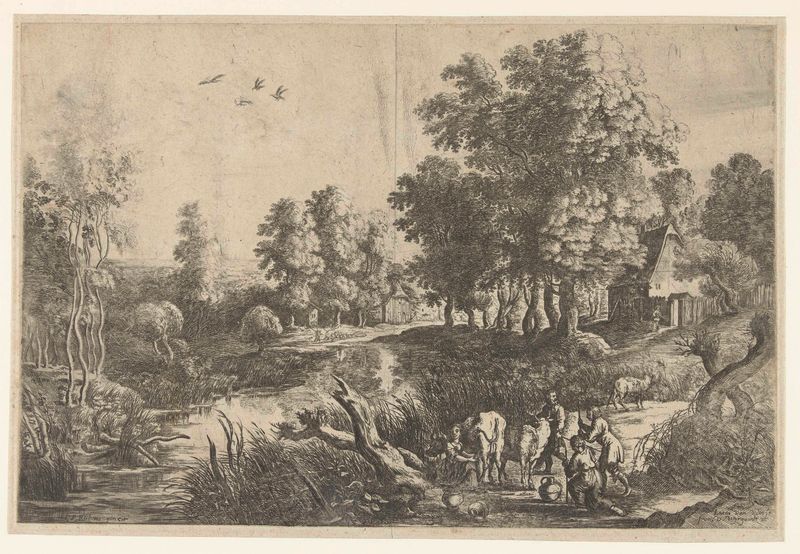
Boeren met vee bij een beek
Lucas van Uden
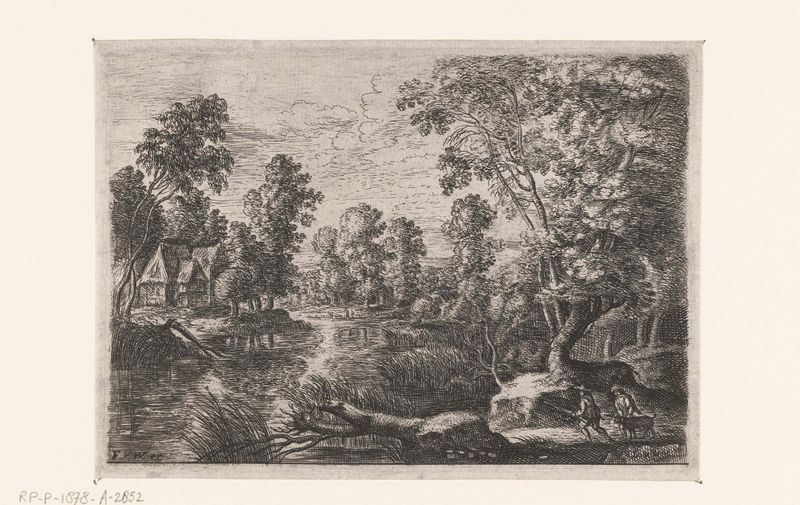
Landschap met een beek en een jager
Lucas van Uden
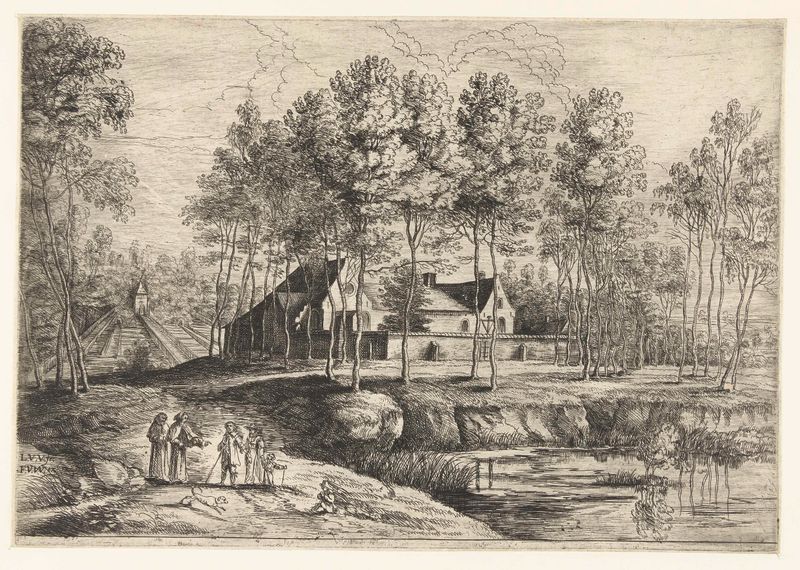
Gezicht op het kapucijnenklooster te Tervuren
Lucas van Uden





