
Landschap met in de verte een landhuis — History & Facts
Can paint confess what words never could? In Landschap met in de verte een landhuis, the canvas whispers the unspeakable depth of grief through its serene landscape. Look to the horizon, where the slightly blurred outline of a distant manor house draws the eye. Framed by lush greenery and gentle hills, the subtle variations of green and brown evoke a sense of nostalgia. The soft light bathes the scene in a golden glow, casting long shadows that dance with the foliage, creating an atmosphere that oscillates between tranquility and melancholy.
The careful brushstrokes reveal both the meticulous detail of nature and the artist's longing for something lost. Beneath its surface, delicate contrasts speak volumes—the juxtaposition of the vibrant foreground against the somber, fading structure in the distance. It suggests a profound separation, a longing for connection that remains just out of reach. The tranquil waters reflect the sky's soft hues, yet the stillness hints at a weighty silence, echoing the pains and joys that time brings.
Each element seems to mourn the passage of time, urging the viewer to pause and contemplate the relationship between presence and absence. During the years 1605 to 1673, Lucas van Uden painted this landscape amidst a burgeoning art scene in the Netherlands, where the Baroque style was gaining prominence. His life was marked by personal loss and the challenge of establishing himself among contemporaries. This painting serves as a poignant reflection of that turbulent period, encapsulating not only the beauty of nature but also the silent cries of the human soul.
More Artworks by Lucas van Uden
Browse all →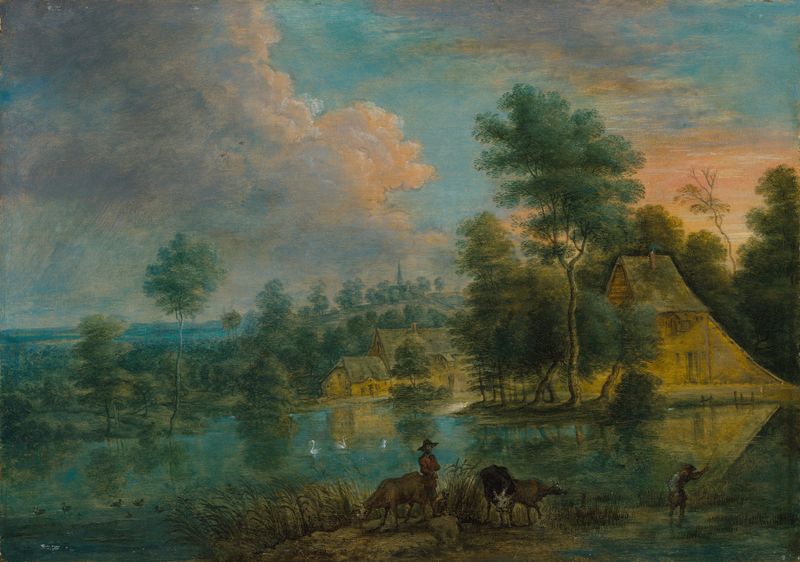
A river landscape with travellers
Lucas van Uden
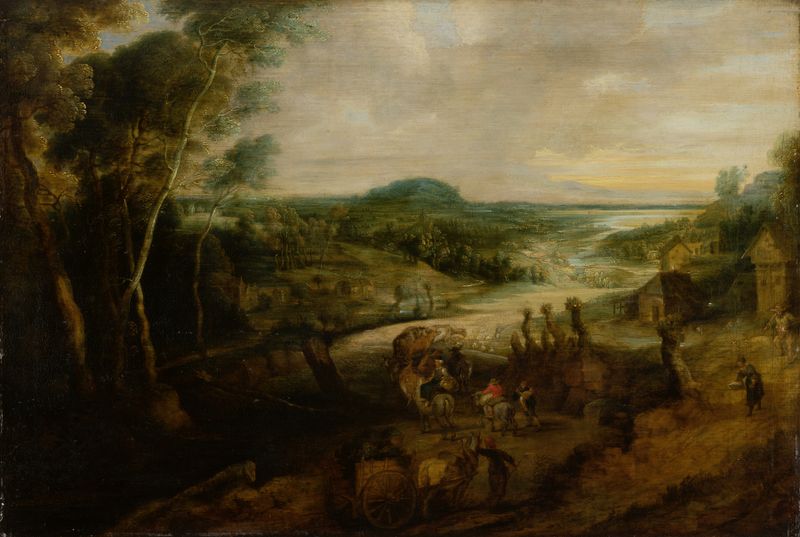
River Landscape with Peasants on the Way to Market
Lucas van Uden
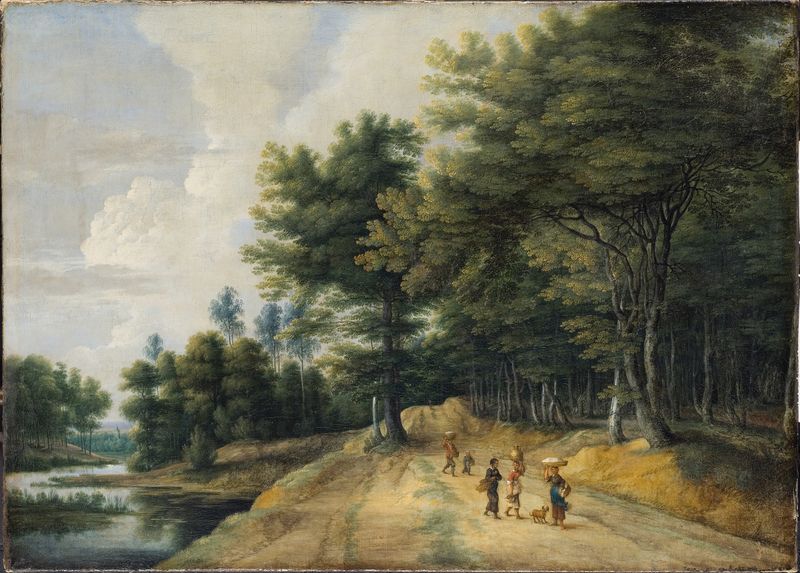
Landscape with a Road through a Wood of Beeches
Lucas van Uden
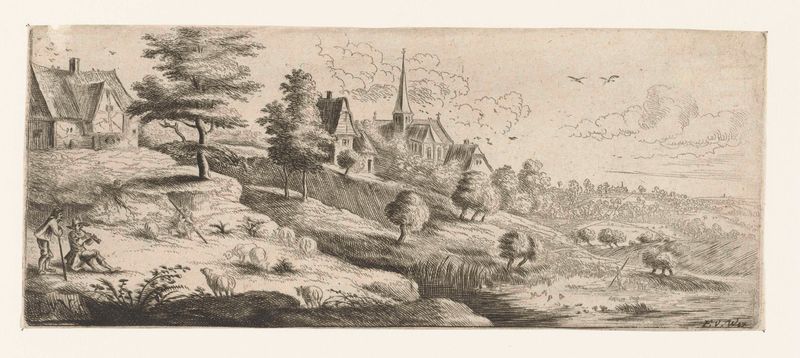
Landschap met een dorp en een schalmei spelende man
Lucas van Uden
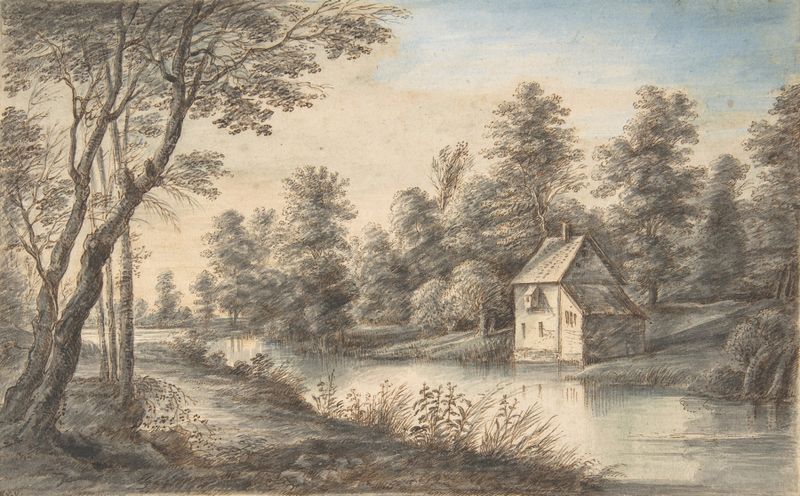
Wooded Landscape with a House beside a River
Lucas van Uden
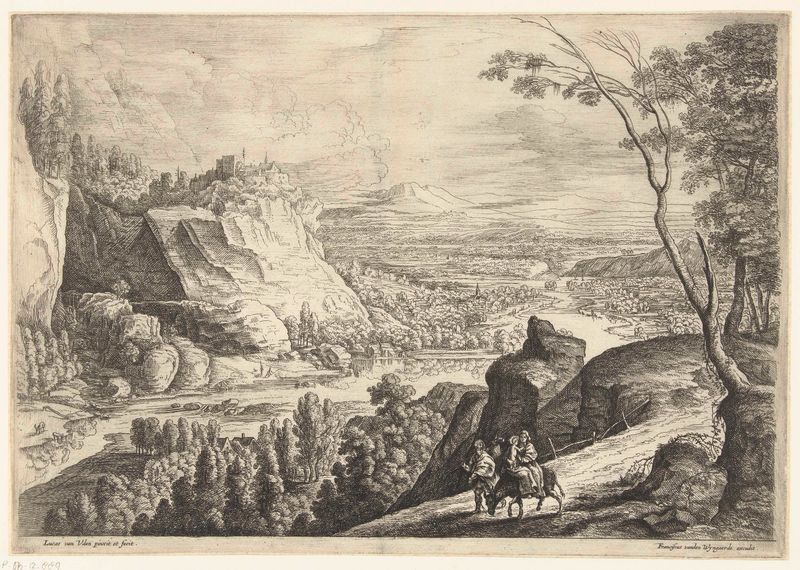
Landschap met de vlucht naar Egypte
Lucas van Uden
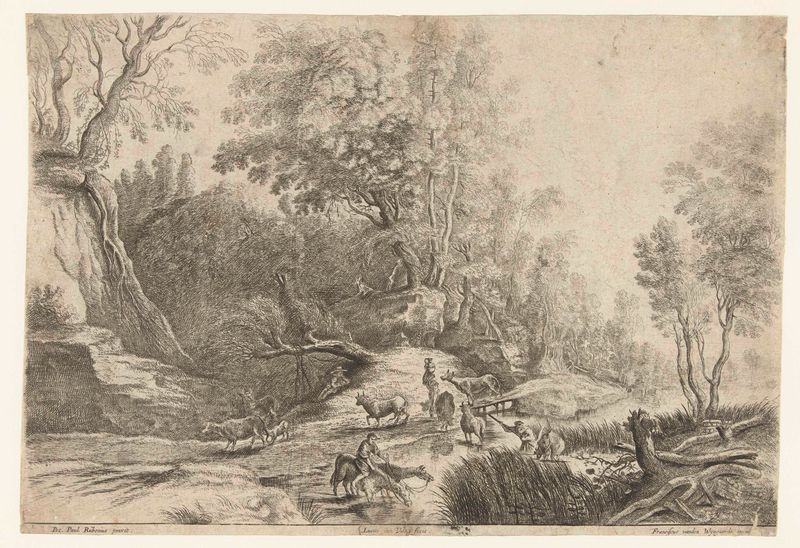
Paarden en koeien bij een drinkplaats
Lucas van Uden
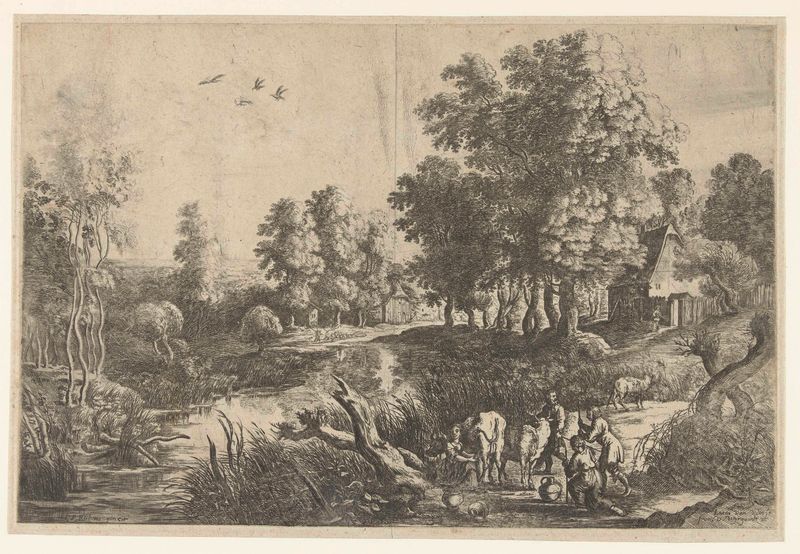
Boeren met vee bij een beek
Lucas van Uden
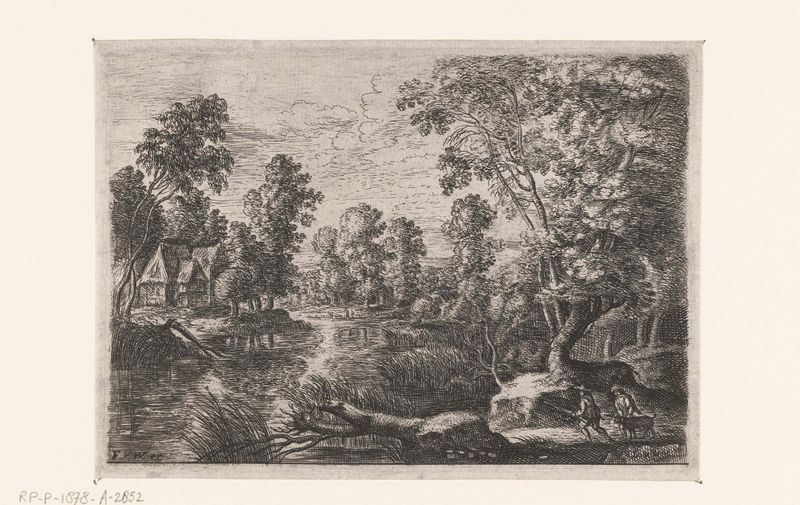
Landschap met een beek en een jager
Lucas van Uden
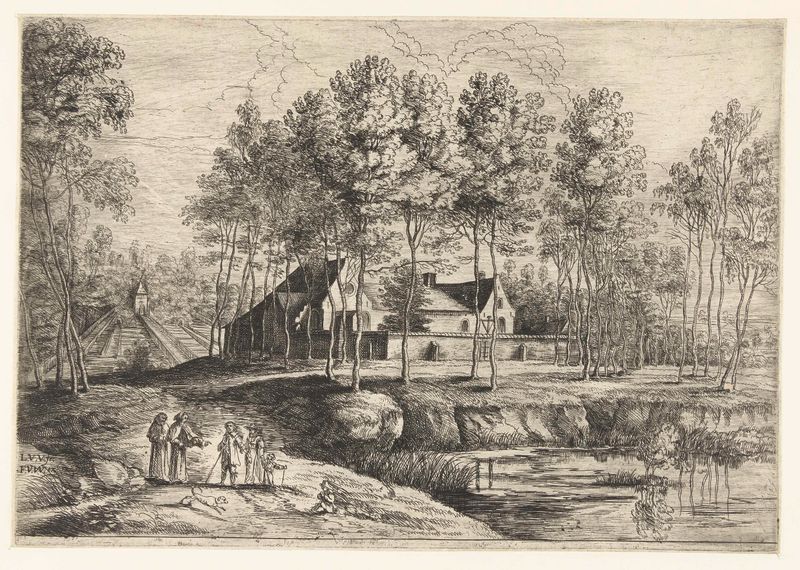
Gezicht op het kapucijnenklooster te Tervuren
Lucas van Uden





