
Landschap met mannen die uitgespannen wagen duwen — History & Facts
The fleeting nature of color captures both the essence of memory and the permanence of the canvas, bridging the past and present. Look to the foreground, where a vibrant tapestry of greens and browns envelops two laborers straining against a cart, their bodies a study in muscular tension. The palette bursts with life as sunlight dapples the scene, enhancing the textures of the earth and the fabric of their clothing. Notice how the artist skillfully uses contrasting colors to draw the eye to the figures, making them appear almost sculptural against the softer, blurred backdrop of trees and sky. As you move deeper into the painting, subtle complexities arise.
The heavy cart represents the burdens of labor, while the surrounding landscape suggests both an abundance and a harsh reality of life in the 17th century. The juxtaposition of light and shadow evokes a sense of time passing—a moment caught between toil and the beauty of the natural world. Each brushstroke becomes a whisper of shared human experience, reflecting struggle and resilience. Lucas van Uden created this work during a period of great artistic flourishing in the Dutch Golden Age, likely in the early 1600s.
During this time, he was immersed in a vibrant community of artists in Antwerp, where landscapes began to gain greater prominence. The era was marked by an appreciation for realism and the intricate details of everyday life, influencing his choice to depict both the beauty and harshness of rural labor.
More Artworks by Lucas van Uden
Browse all →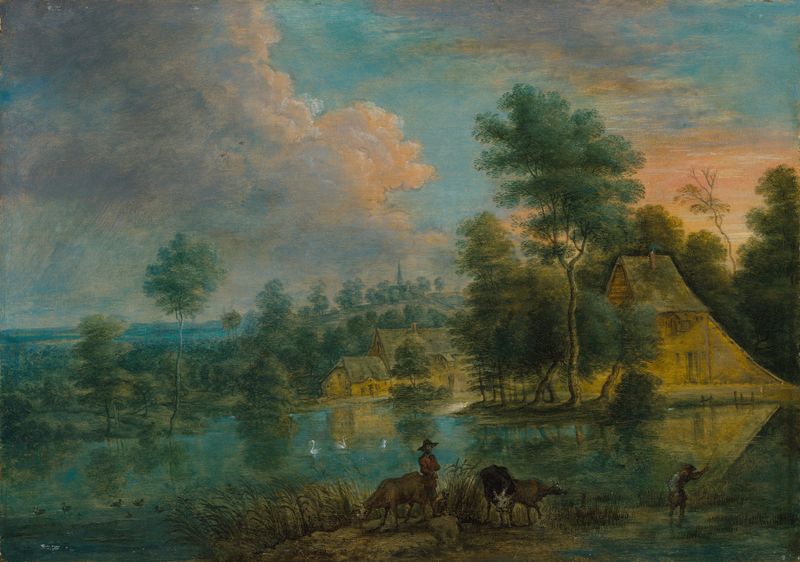
A river landscape with travellers
Lucas van Uden
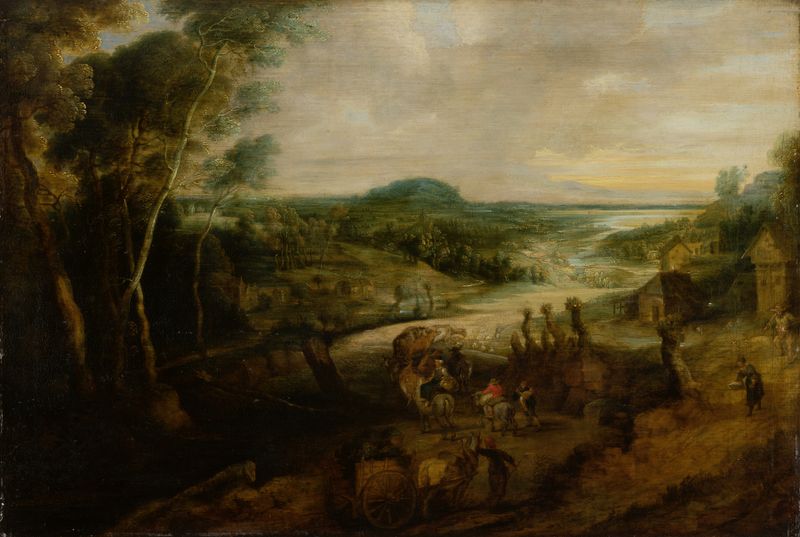
River Landscape with Peasants on the Way to Market
Lucas van Uden
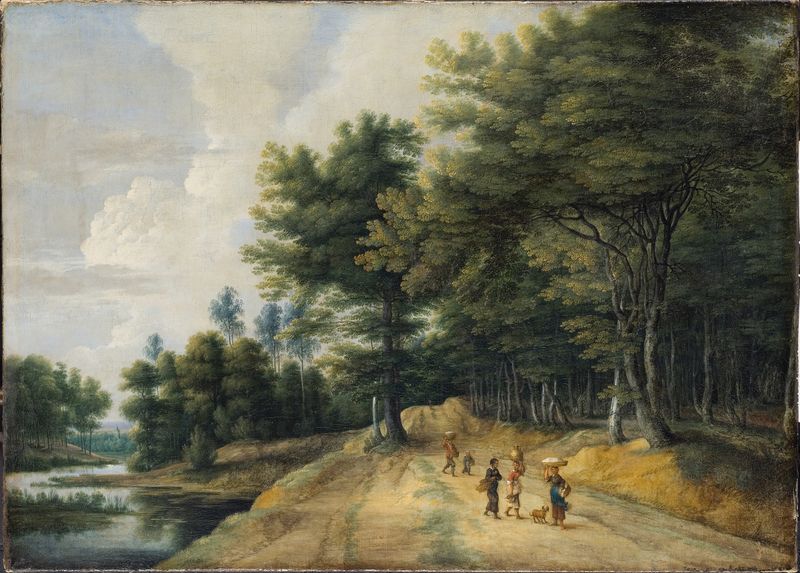
Landscape with a Road through a Wood of Beeches
Lucas van Uden
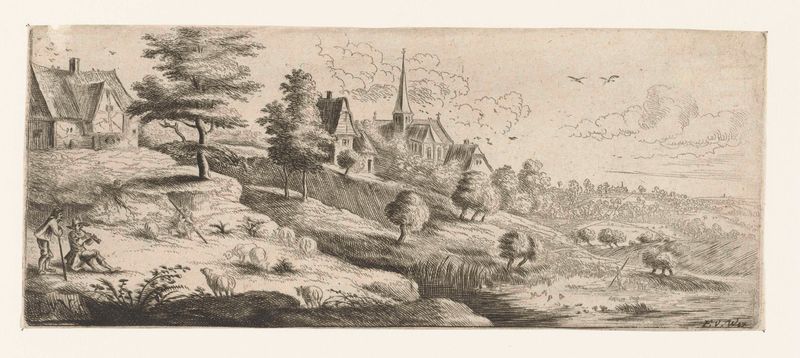
Landschap met een dorp en een schalmei spelende man
Lucas van Uden
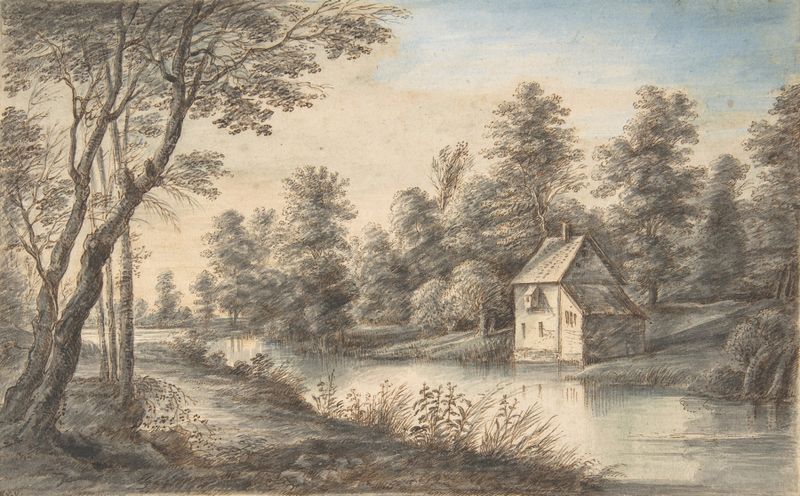
Wooded Landscape with a House beside a River
Lucas van Uden
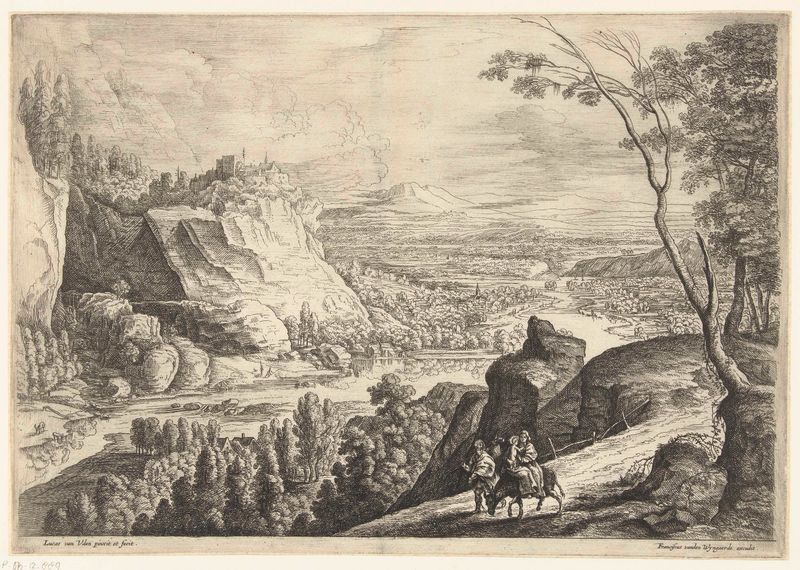
Landschap met de vlucht naar Egypte
Lucas van Uden
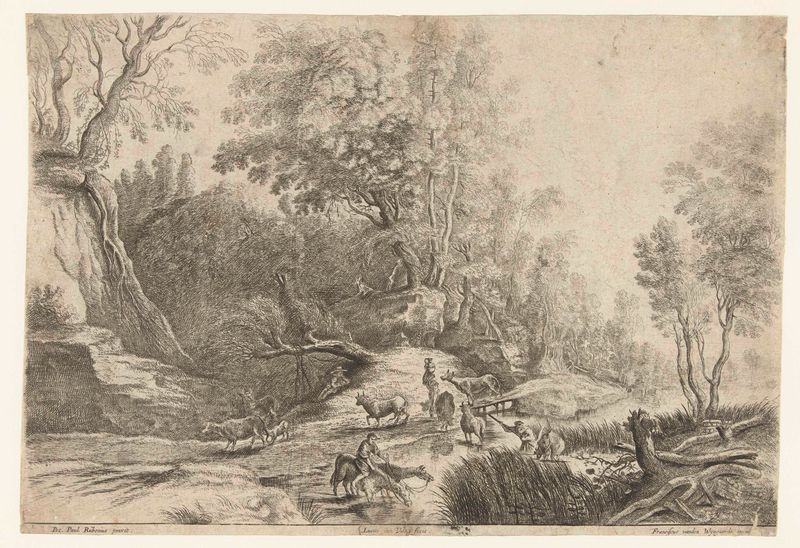
Paarden en koeien bij een drinkplaats
Lucas van Uden
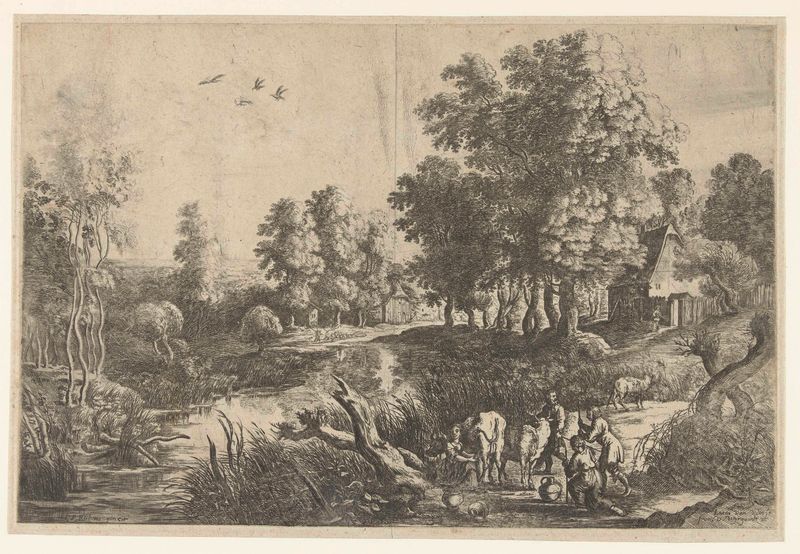
Boeren met vee bij een beek
Lucas van Uden
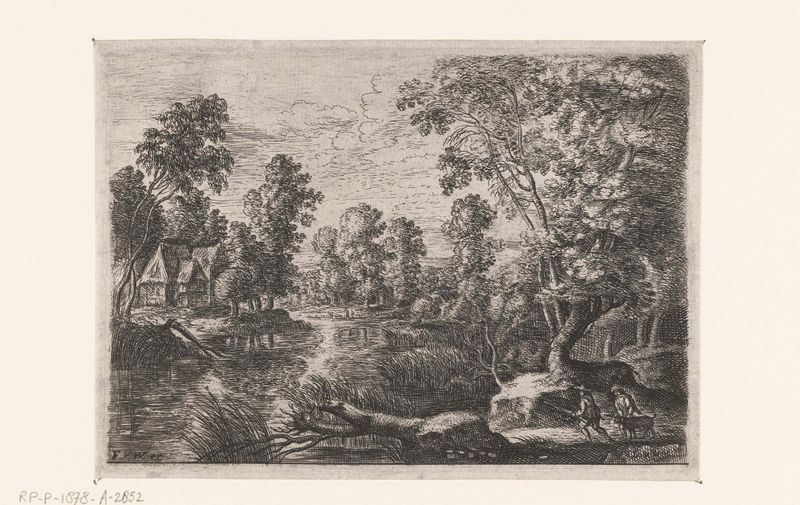
Landschap met een beek en een jager
Lucas van Uden
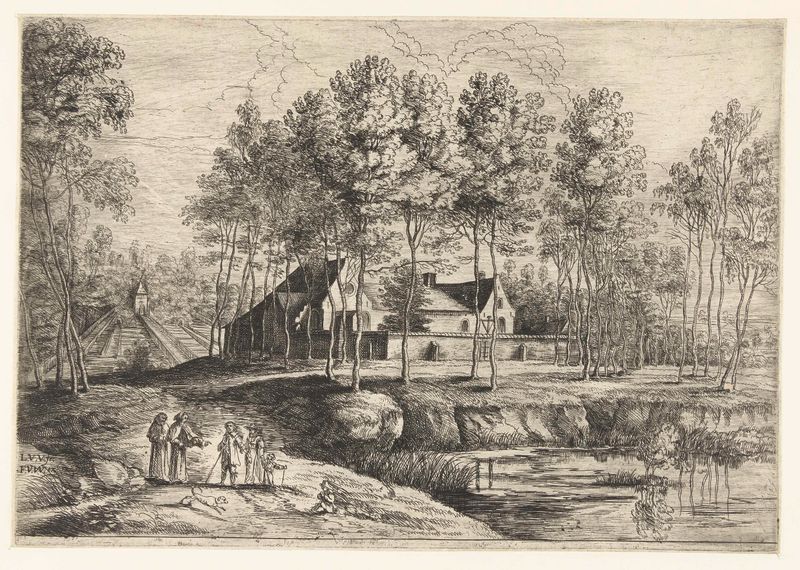
Gezicht op het kapucijnenklooster te Tervuren
Lucas van Uden





