
Landsknecht staand bij een boom — History & Facts
Could a single brushstroke hold eternity? In Landsknecht staand bij een boom, every stroke is a testament to transformation, encapsulating more than just a moment—it captures a complex identity. Look to the left at the figure of the landsknecht, his vibrant attire rendered in intricate detail, a marriage of color and line that draws the eye. Notice how the light dances upon the rich fabrics of his clothing, creating an interplay of shadow and brilliance that breathes life into the canvas. The towering tree behind him stands as a silent witness, its gnarled branches arching protectively over the soldier, creating a striking contrast between man and nature, while the earthy tones ground the scene in reality. The landsknecht, a mercenary known for flamboyant garb, embodies both strength and vulnerability.
His confident stance suggests readiness, yet his gaze hints at exhaustion, reflecting the duality of his existence—warrior and man caught in a turbulent era. The tree, with its twisted roots and sturdy trunk, symbolizes resilience, juxtaposing the soldier’s transient life. Together, they evoke themes of transformation, survival, and the ceaseless passage of time. In 1520, Beham created this work during a time of significant social and artistic change in Europe.
The Northern Renaissance was thriving, with artists exploring both realism and the complex human experience. Beham, part of a new wave of printmakers and painters, sought to challenge conventions, portraying individuals within their environments and reflecting the evolving identity of society.
More Artworks by Hans Sebald Beham
Browse all →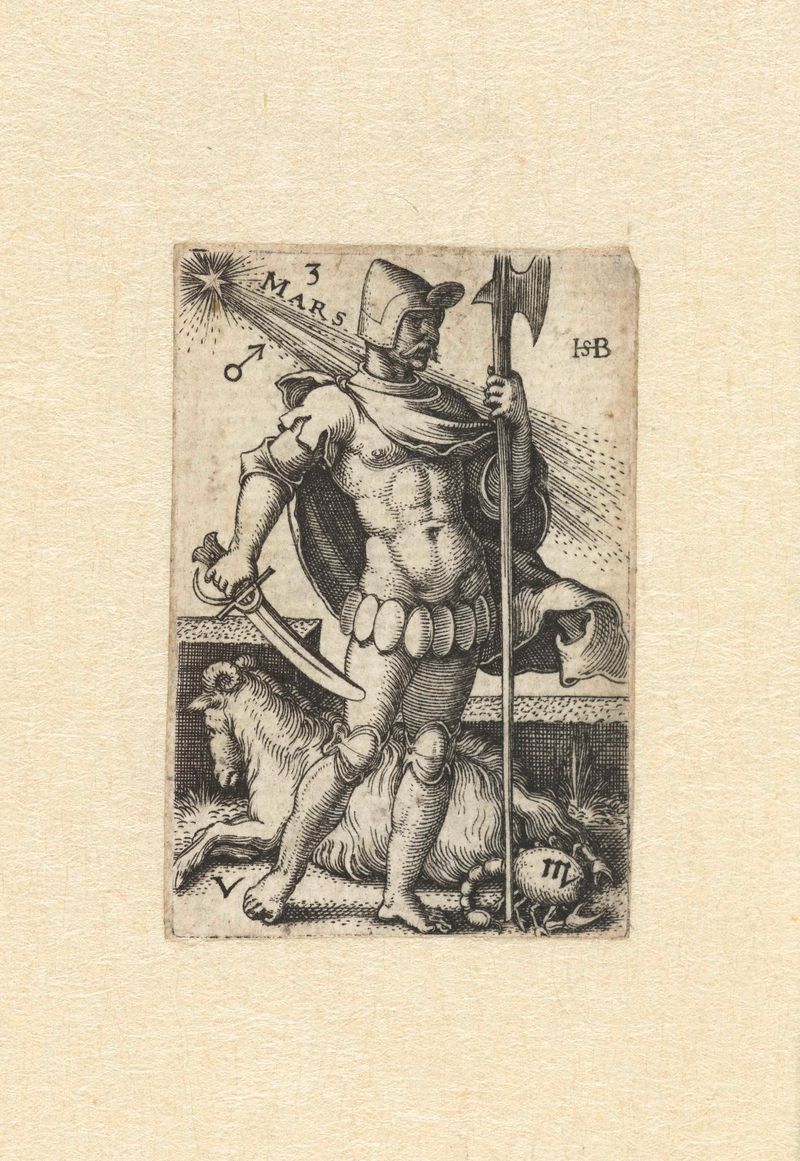
Mars met sterrenbeelden Ram en Schorpioen
Hans Sebald Beham

Achilles in gevecht met Hector
Hans Sebald Beham
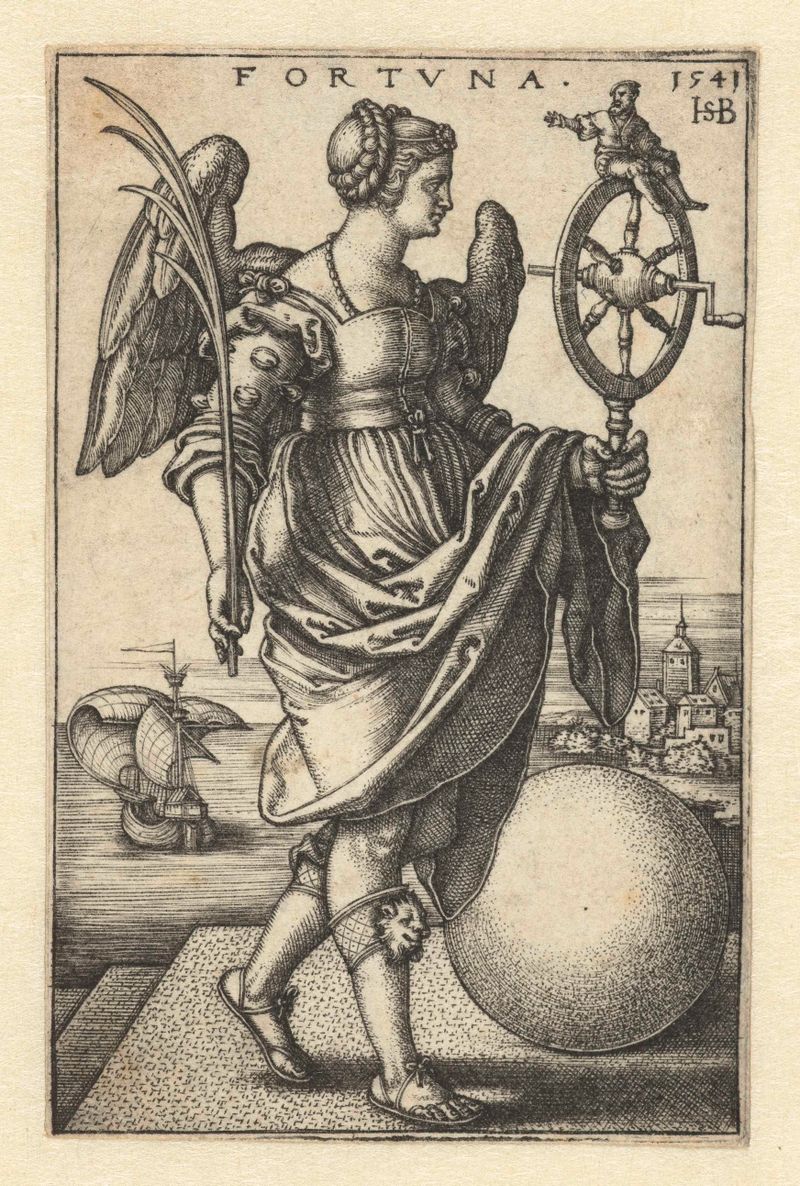
Fortuna
Hans Sebald Beham

Hercules worstelt met Antaeus
Hans Sebald Beham

Twee muzikanten met schalmey en doedelzak
Hans Sebald Beham

Voorzichtigheid (Prudentia)
Hans Sebald Beham

Hercules in gevecht met de Trojanen
Hans Sebald Beham
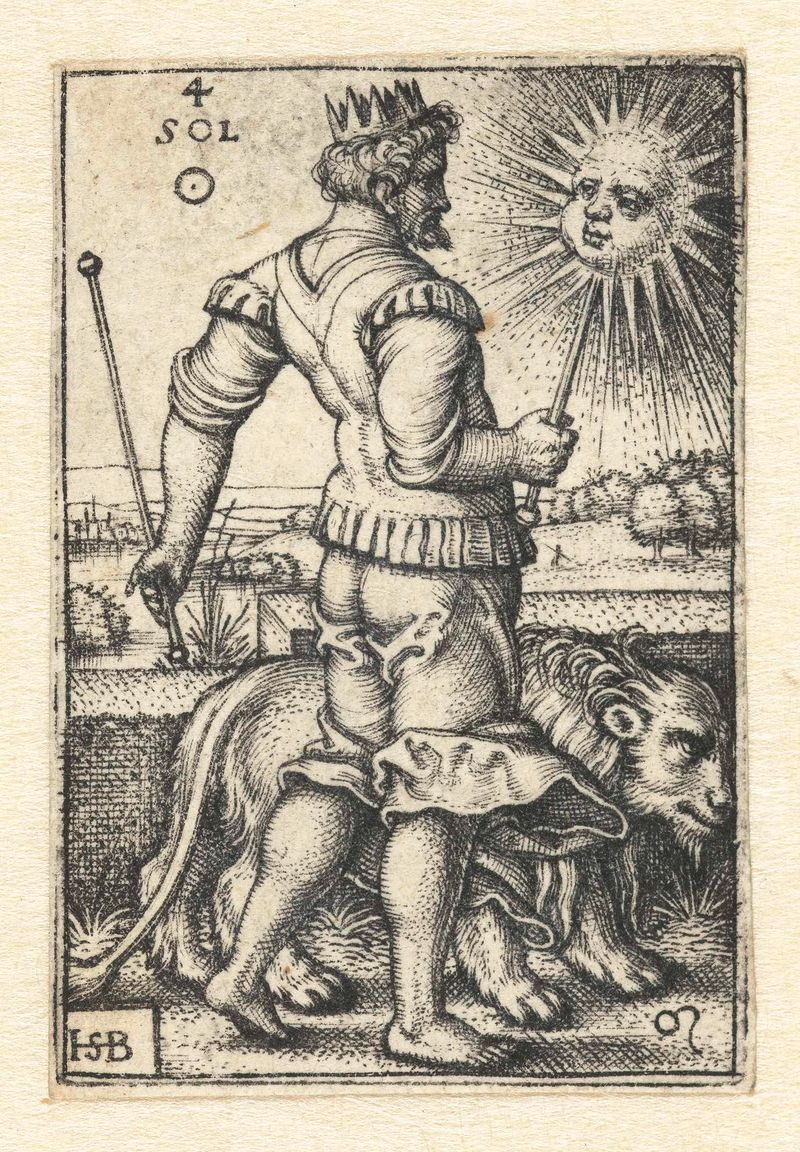
Apollo (Sol) met sterrenbeeld Leeuw
Hans Sebald Beham
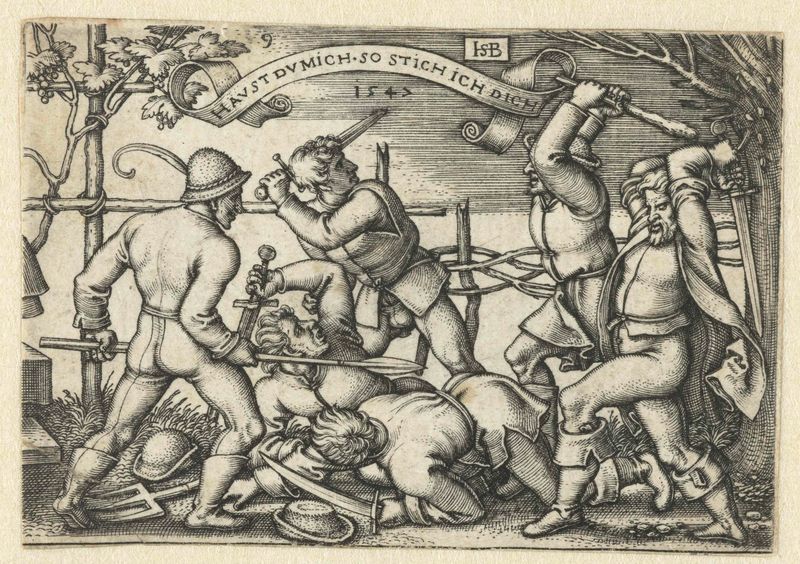
Vechtende boeren met zwaarden
Hans Sebald Beham
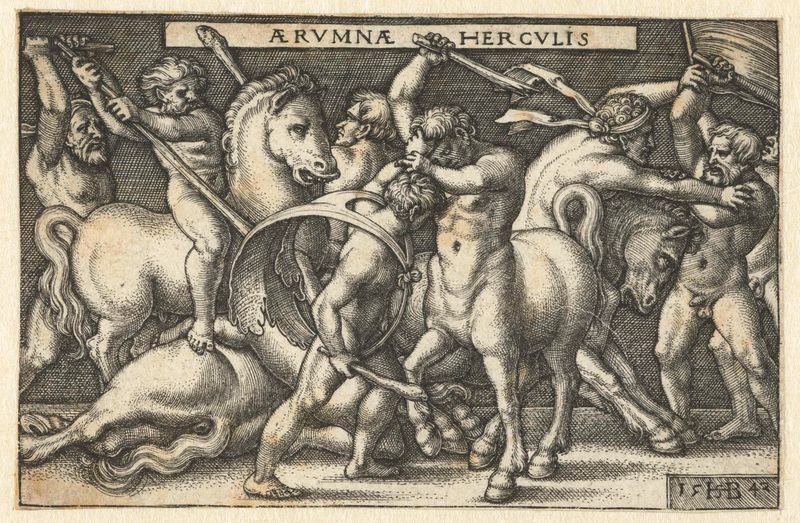
Hercules in gevecht met centaurs
Hans Sebald Beham
More Portrait Art
Browse all →
Las meninas
Diego Velázquez

Self-portrait with a Bandaged Ear and Pipe
Unidentified artist

Girl with a Pearl Earring
Johannes Vermeer

The Sampling Officials of the Amsterdam Drapers’ Guild, Known as ‘The Syndics’
Rembrandt van Rijn

The Hundred Guilder Print: the man seen on the back in the lower left corner
Rembrandt van Rijn

Portrait of Dr Gachet
Vincent van Gogh