
Lange broek van wit batist — History & Facts
The delicate fabric of the Lange broek van wit batist invites a conversation between materiality and transcendence, whispering stories of both craftsmanship and the human experience. Focus on the intricate folds of the white fabric, each crease revealing a journey of light and shadow. Notice how the surface texture captures the soft illumination, reflecting its purity and grace. The artist’s deliberate strokes create a rhythm that pulls your gaze across the canvas, weaving in and out of the delicate patterns.
The subtle variations in hue add depth, inviting the viewer to contemplate the interplay between simplicity and complexity. Yet, beneath its serene exterior lies an emotional tapestry woven from the contrasts of labor and beauty, tradition and innovation. The choice of a white fabric suggests both innocence and the weight of expectations, as if it embodies the aspirations of the wearer. Each fold may symbolize the layers of identity and societal roles, prompting reflections on how clothing can define individuals across time and space. This work emerges from a period in the mid-19th century, when textile artistry flourished alongside burgeoning industrial practices.
Created between 1840 and 1860, the artist belonged to a time when craftsmanship began to grapple with mechanization, emphasizing both the enduring nature of handwork and the rise of new technologies in art. As society transformed, this piece stands as a testament to the delicate balance between tradition and change in a world ever more focused on the transient.
More Artworks by Unknown Artist
Browse all →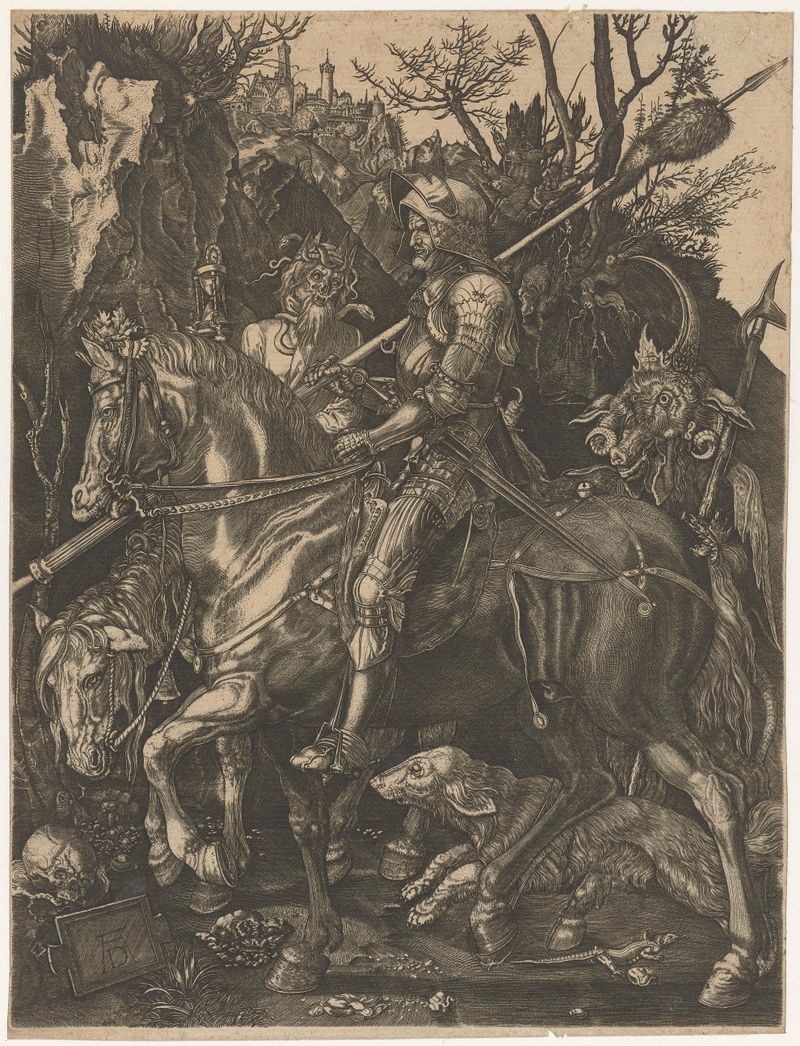
Ridder, Dood en Duivel
Unknown Artist
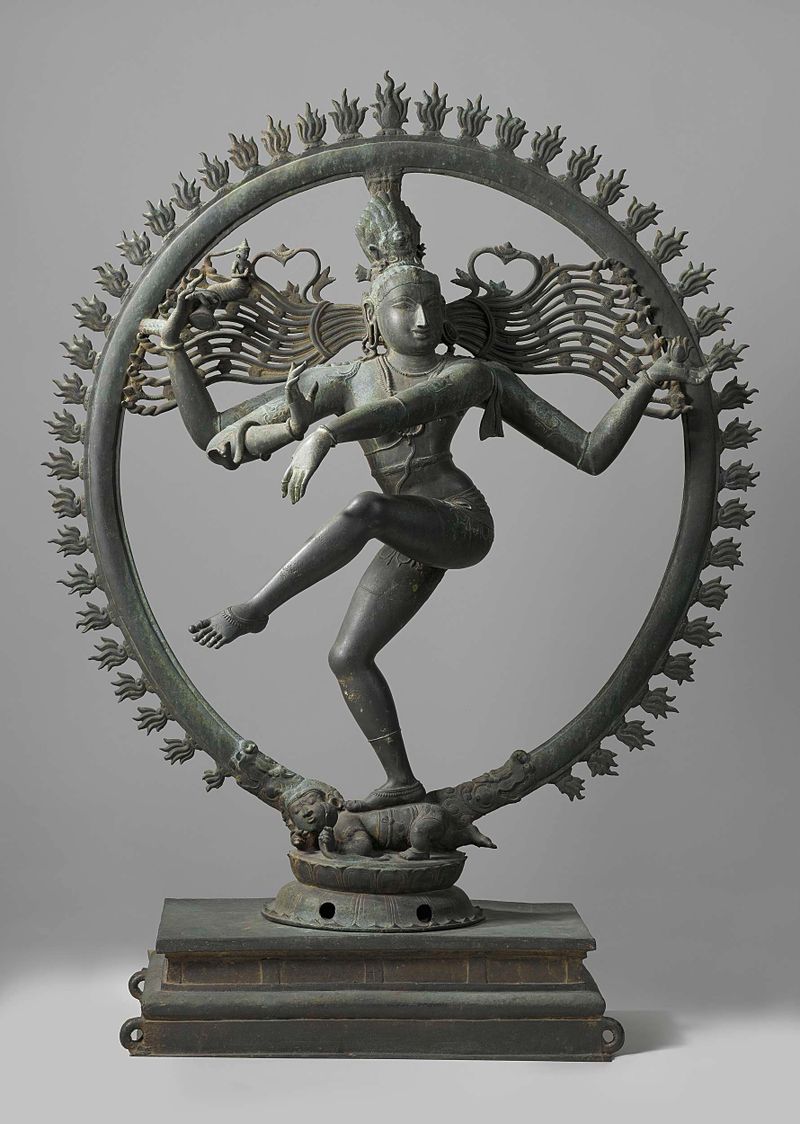
Shiva Nataraja
Unknown Artist
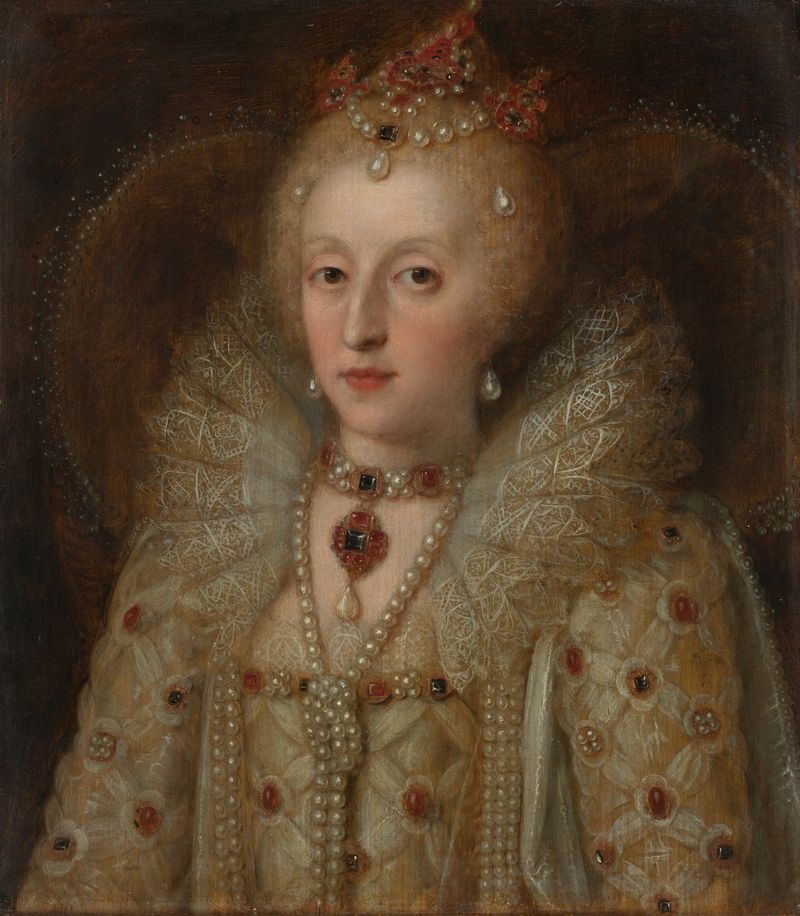
Portrait of Elizabeth I, Queen of England
Unknown Artist
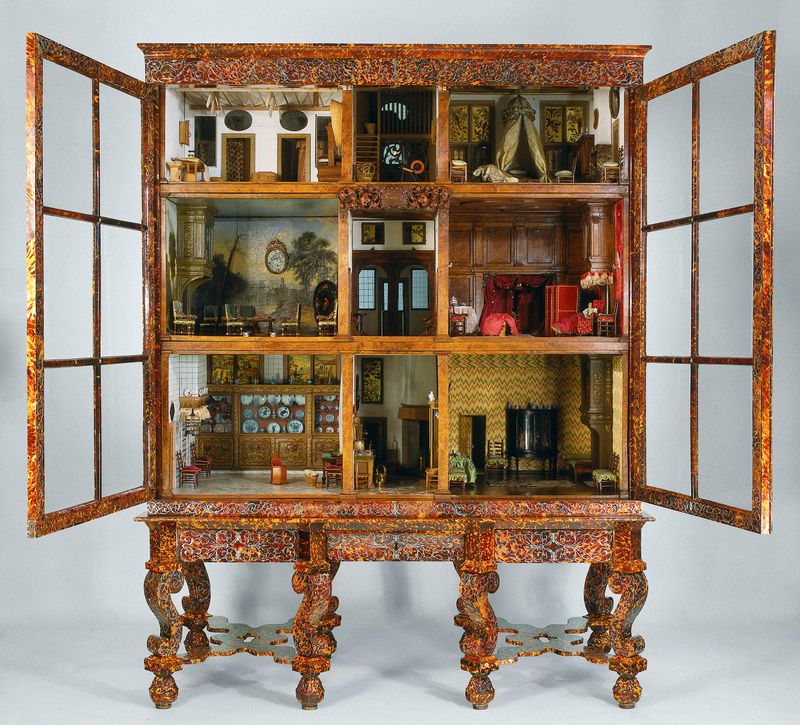
Dolls’ house of Petronella Oortman
Unknown Artist
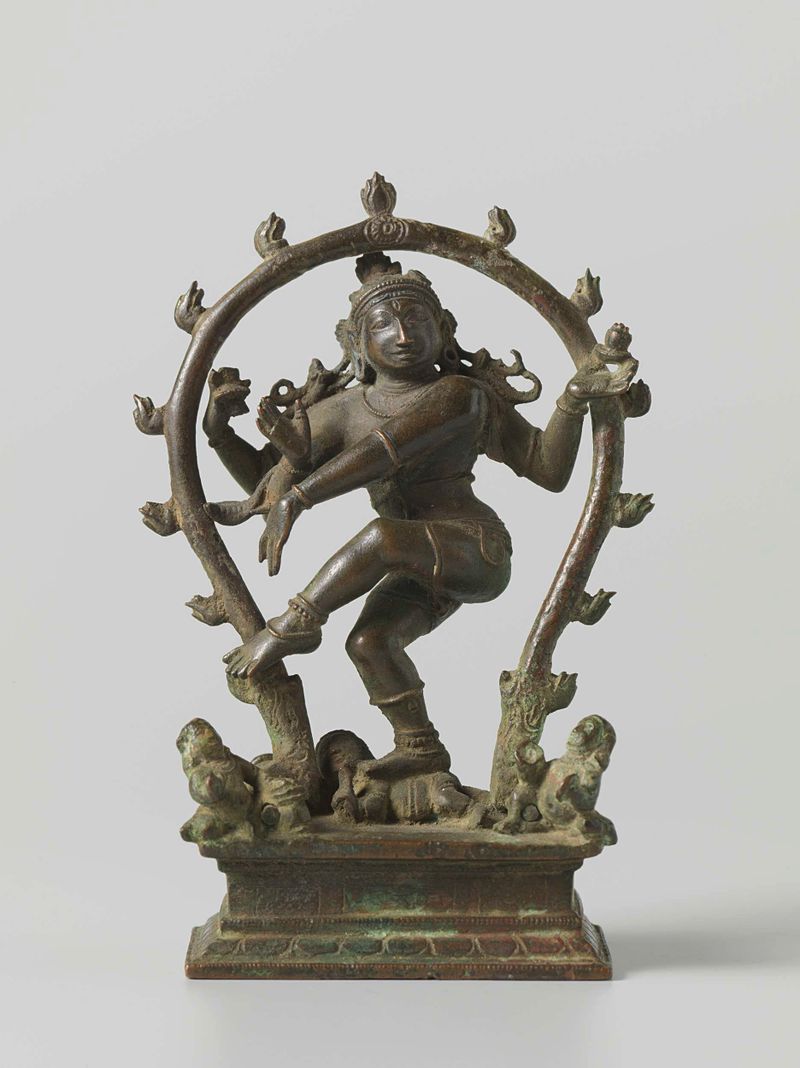
Shiva Nataraja
Unknown Artist

The Tale of Genji
Unknown Artist

The Tale of Genji
Unknown Artist
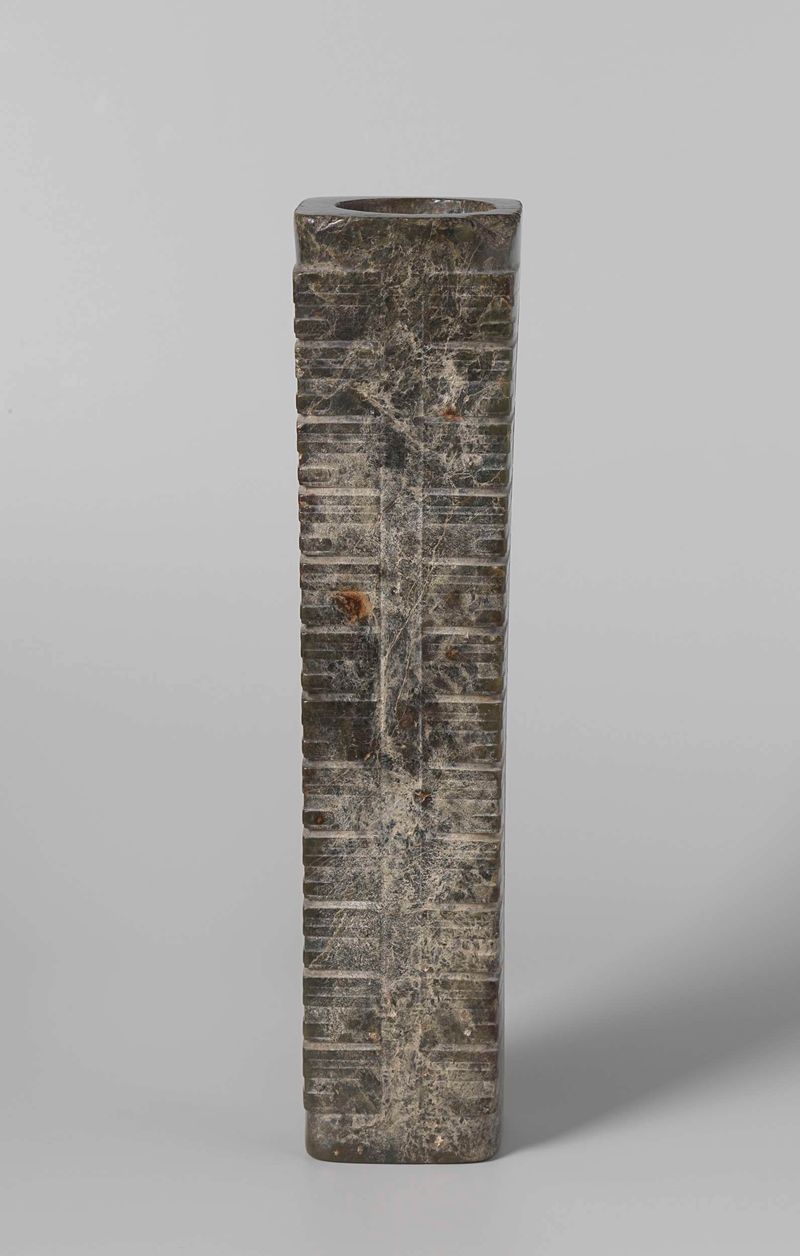
Cong
Unknown Artist
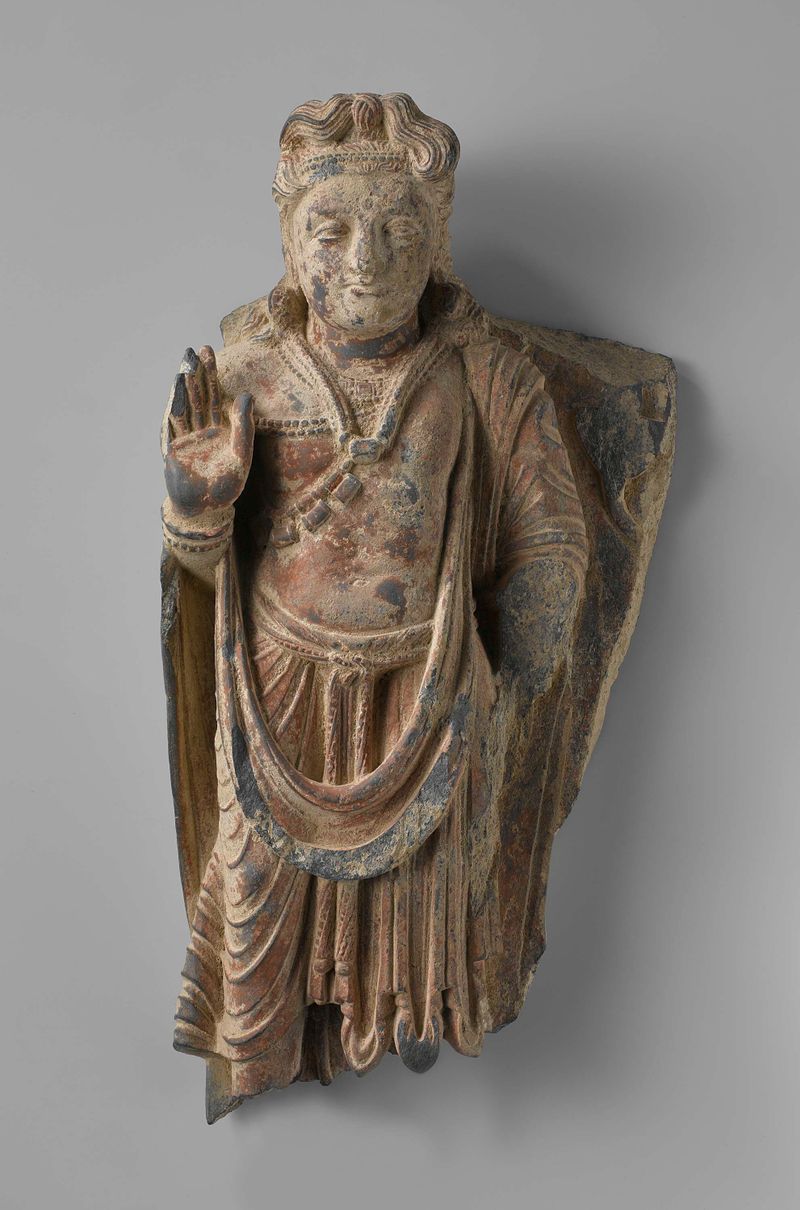
The bodhisattva Maitreya
Unknown Artist
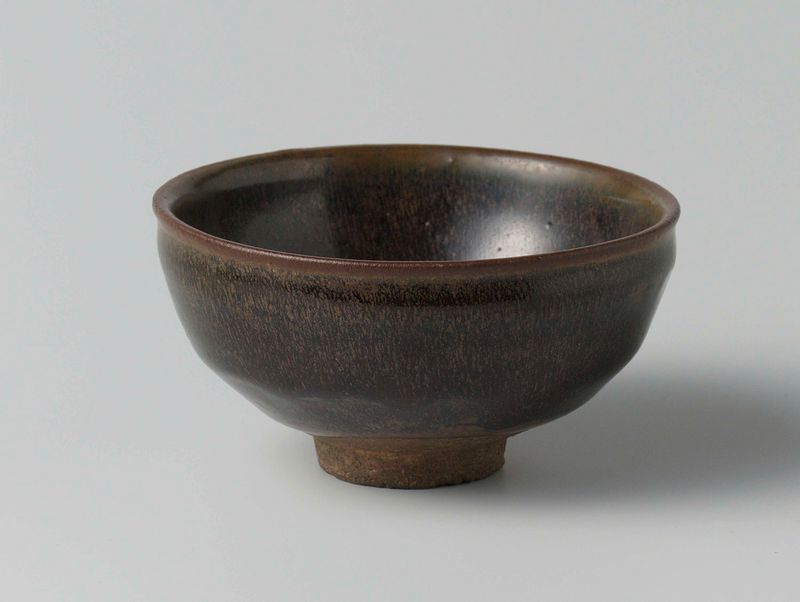
Teabowl with a 'hare's fur' glaze
Unknown Artist





