
l’Arc du Carrousel vers la Cour du Louvre — History & Facts
Who listens when art speaks of silence? It is in this stillness that we find the ecstasy of unspoken stories, hidden in the folds of time and space. Look closely at the foreground, where the grand arch looms majestically against the soft hues of the Parisian sky. The intricate details of the stonework invite your gaze, drawing you into the architectural embrace of l’Arc du Carrousel. Notice how the warm blush of sunset light bathes the structure, casting elongated shadows that dance gently across the cobblestones.
The muted palette, composed of pastel tones, imbues the scene with a tranquil yet exhilarating atmosphere. Yet beneath the serene surface, there lies a deeper tension. The arch stands not just as a monument but as a gateway to history and memory, embodying the weight of past events and emotions that linger in the air. The absence of figures prompts reflection on the solitude of the space, invoking questions about the stories that once animated this place.
In this stillness, one can almost hear the echoes of joy and sorrow that have passed through this monumental threshold. In 1904, while creating this work, the artist was immersed in the vibrant cultural shifts of early 20th-century France, a time when Impressionism was yielding to new forms of expression. Working in Paris, he captured a moment in a city alive with progress and change, reflecting both a personal journey and the broader artistic conversations of the era. This piece stands as a testament not only to the architectural beauty of the Louvre but also to the artist's own contemplative exploration of space and time.
More Artworks by Guy De La Rochefoucauld
Browse all →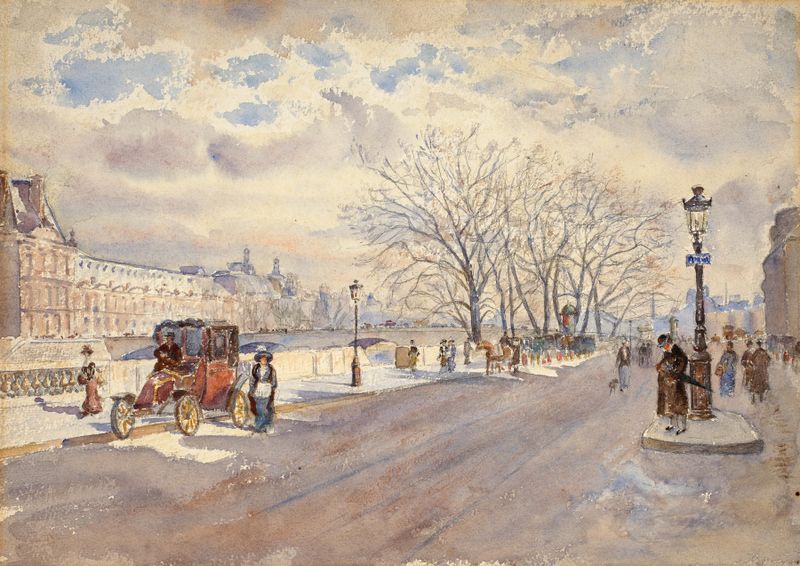
Les quais rive-gauche devant la Grande galerie du Louvre
Guy De La Rochefoucauld
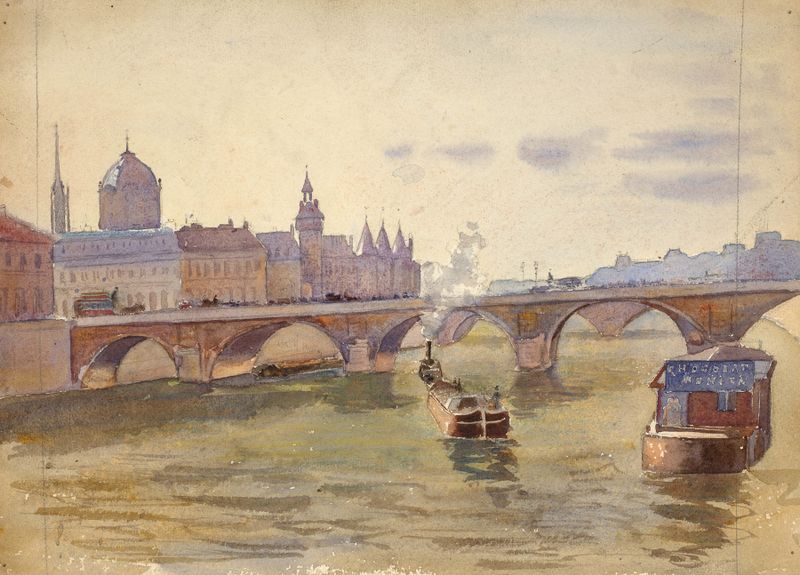
La Seine avec la Conciergerie
Guy De La Rochefoucauld
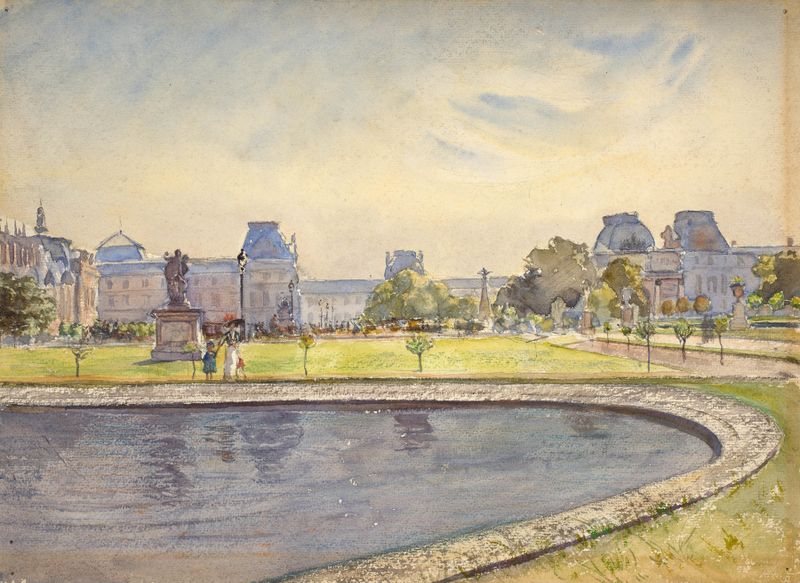
Le Jardin des Tuileries
Guy De La Rochefoucauld
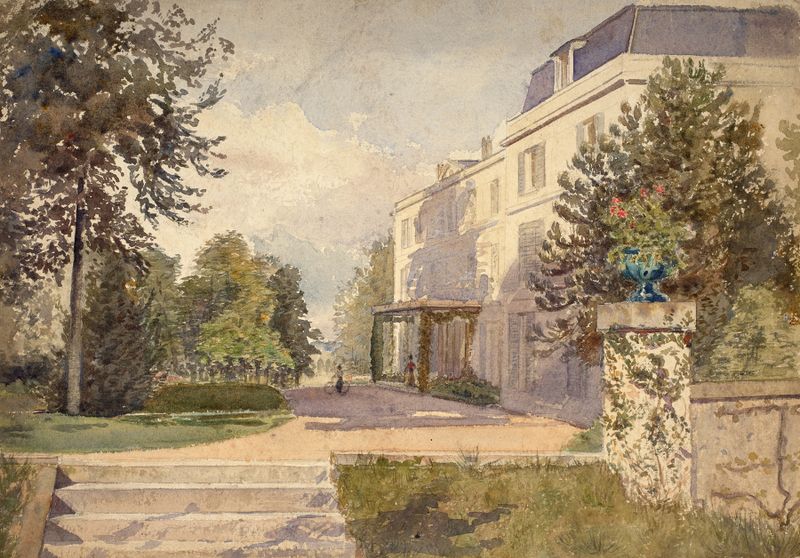
Vue d’un jardin autour d’une maison
Guy De La Rochefoucauld
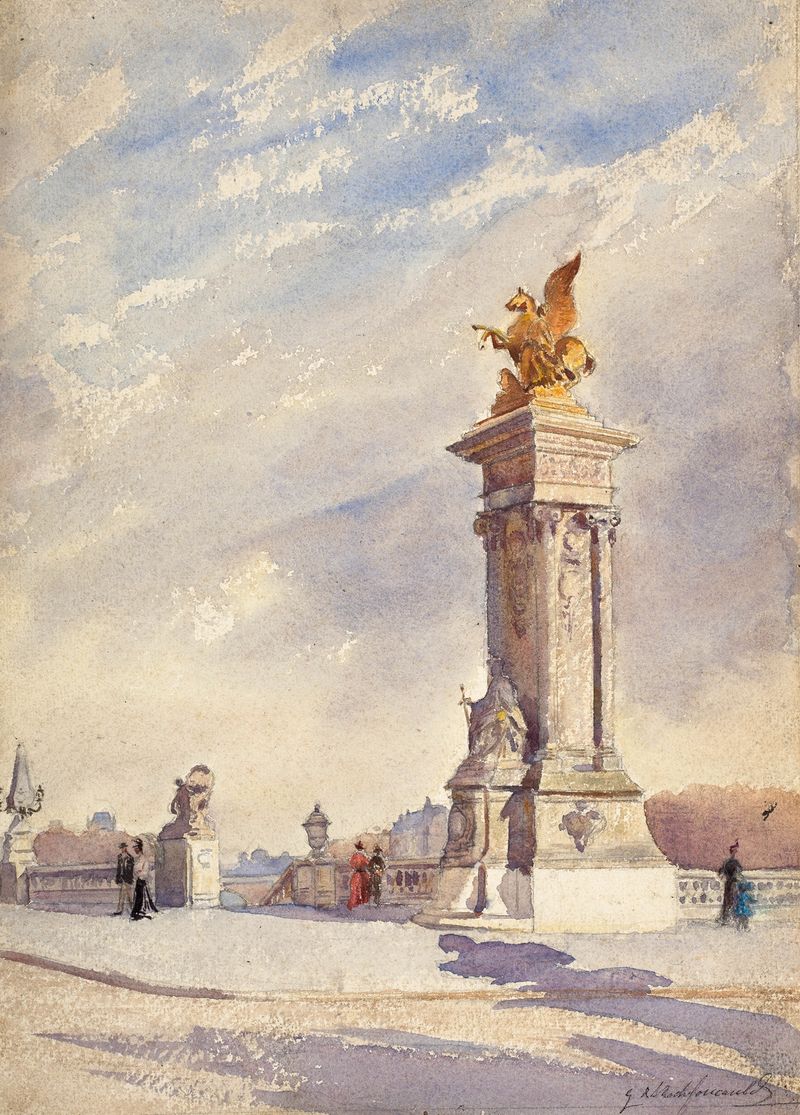
Le pont Alexandre III
Guy De La Rochefoucauld
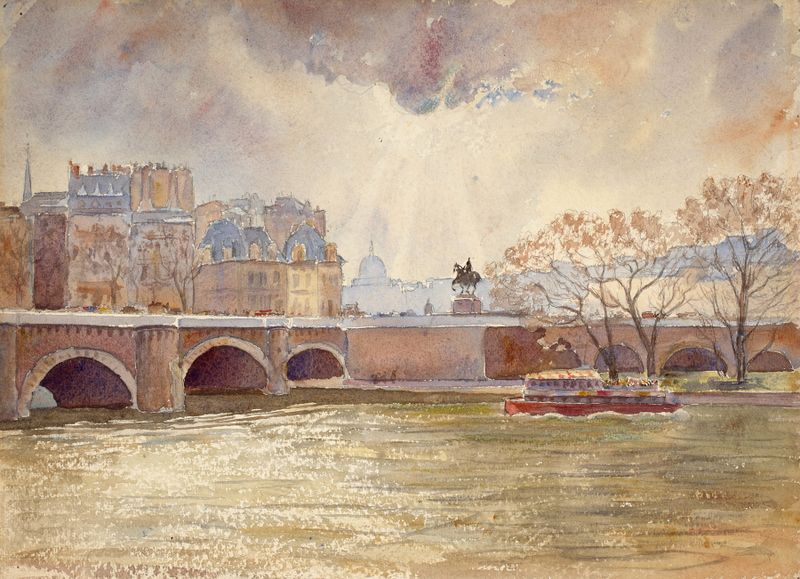
L’Île de la Cité avec le Pont-Neuf
Guy De La Rochefoucauld
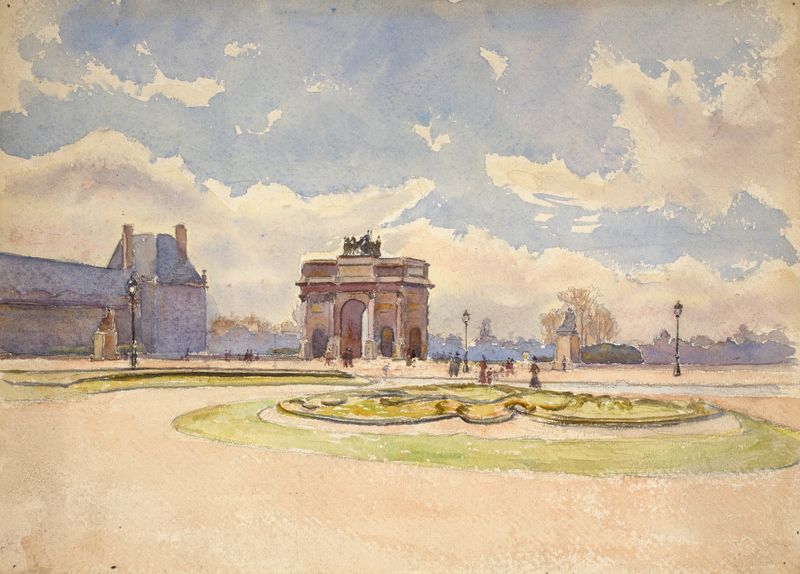
l’Arc du Carrousel vers le Jardin des Tuileries
Guy De La Rochefoucauld
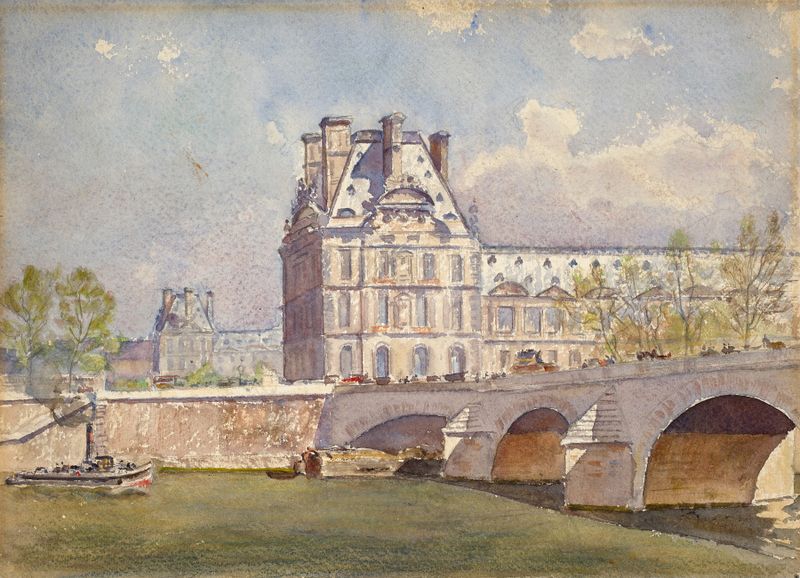
Le Pavillon de Flore
Guy De La Rochefoucauld
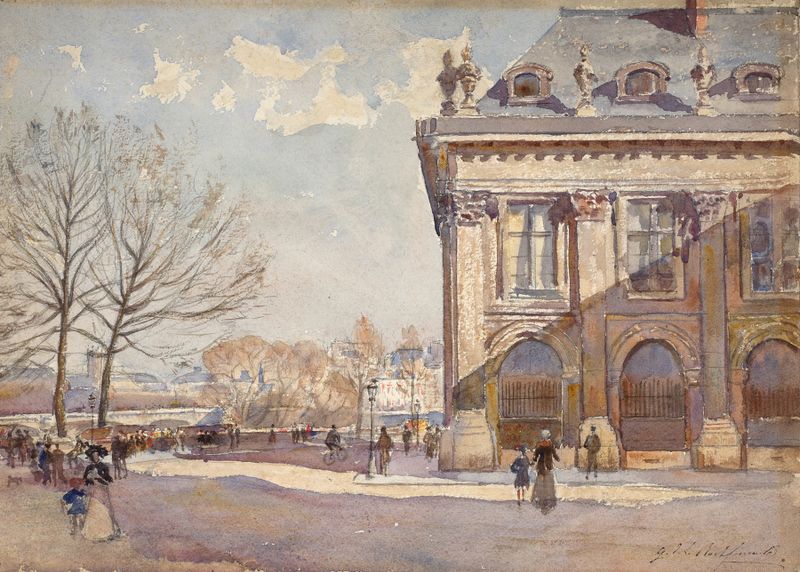
L’Institut
Guy De La Rochefoucauld
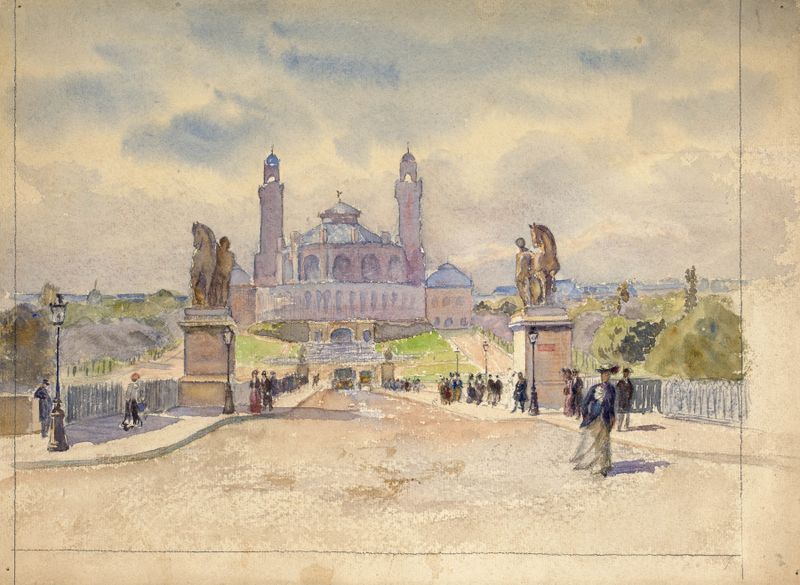
Le Palais du Trocadéro
Guy De La Rochefoucauld
More Architecture Art
Browse all →
The statue of Liberty
Frédéric Auguste Bartholdi

View of Houses in Delft, Known as ‘The Little Street’
Johannes Vermeer

View of Houses in Delft, Known as ‘The Little Street’
Johannes Vermeer

The Cathedral in Rouen. The portal, Grey Weather
Claude Monet

The yellow house
Vincent van Gogh

The Church in Auvers-sur-Oise, View from the Chevet
Vincent van Gogh