
Le Palais du Trocadéro — History & Facts
Amidst the shimmering surface of art, shadows whisper untold stories, revealing layers of emotion hidden beneath the brilliance. Look to the center of the canvas, where the grand structure of the Trocadéro rises majestically. The interplay between light and shadow defines its architectural splendor, while muted tones envelop its corners, suggesting a complex relationship with time. Notice how the warm sunlight spills across the foreground, inviting you into the scene, but simultaneously casts cool, dark shapes that loom and linger around the edges, hinting at the passage of history and the weight of memory. As you explore further, consider the contrasting elements of solidity and fragility.
The grandeur of the Trocadéro stands firm, yet the shadows invoke a sense of melancholy, transforming beauty into a poignant reminder of impermanence. Each shadow seems to hold a story—perhaps of joy now dulled or of moments forever captured yet eternally out of reach. This duality creates an emotional tension, inviting viewers to reflect on their own experiences of beauty and loss, echoing the fragility of life itself. At an uncertain time, Guy De La Rochefoucauld created this work, possibly during the early 20th century when Paris was evolving through rapid changes in culture and architecture.
The Trocadéro, a symbol of arts and leisure, served as a backdrop for social and political discourse. De La Rochefoucauld, as a painter immersed in this era, captured the dichotomy of artistic ambition and existential reflection, encapsulating the spirit of a city caught between its dazzling present and shadowed past.
More Artworks by Guy De La Rochefoucauld
Browse all →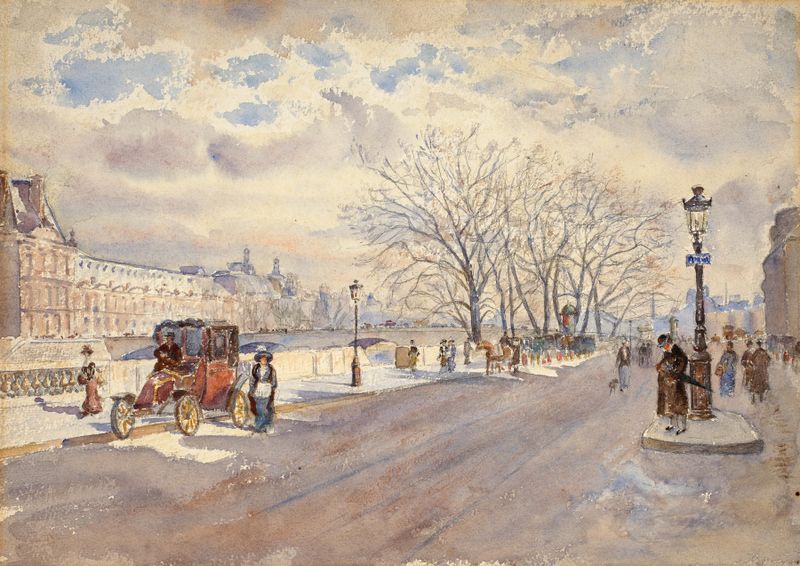
Les quais rive-gauche devant la Grande galerie du Louvre
Guy De La Rochefoucauld
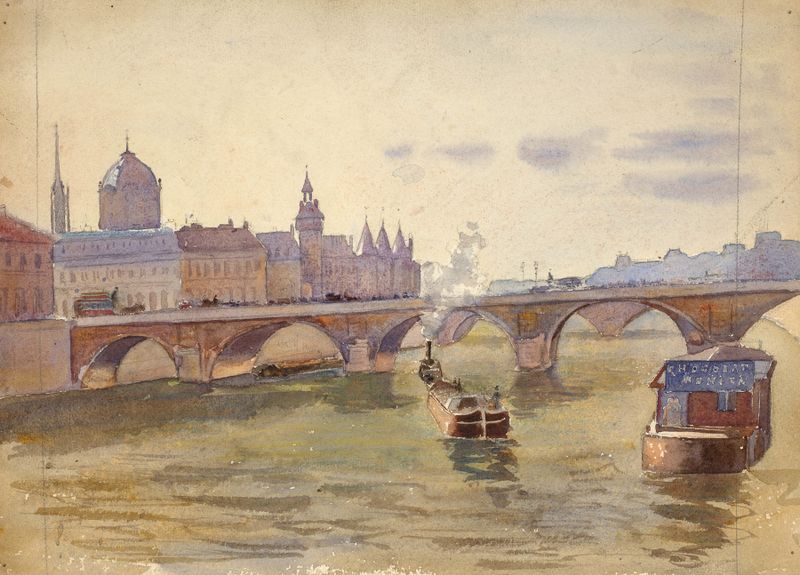
La Seine avec la Conciergerie
Guy De La Rochefoucauld
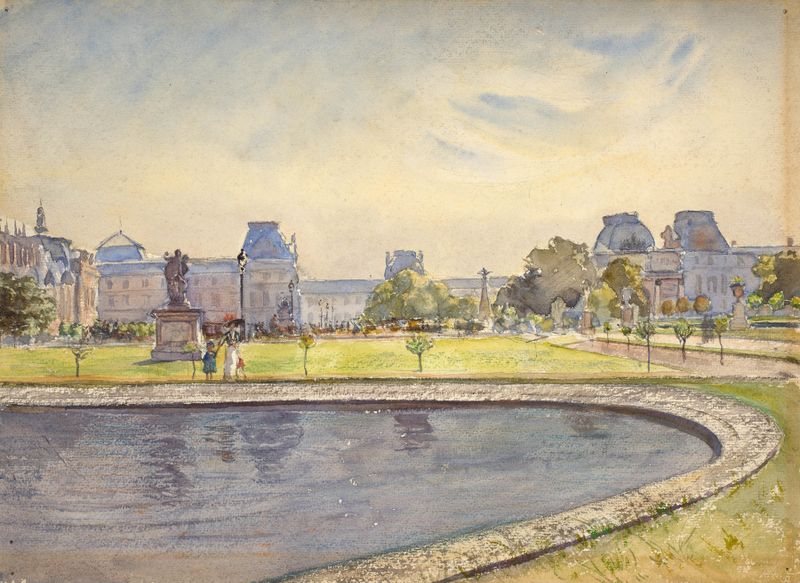
Le Jardin des Tuileries
Guy De La Rochefoucauld
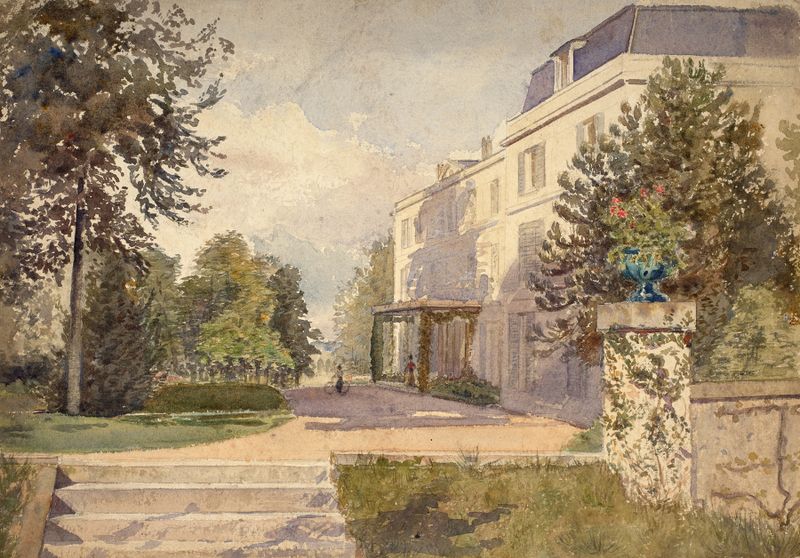
Vue d’un jardin autour d’une maison
Guy De La Rochefoucauld
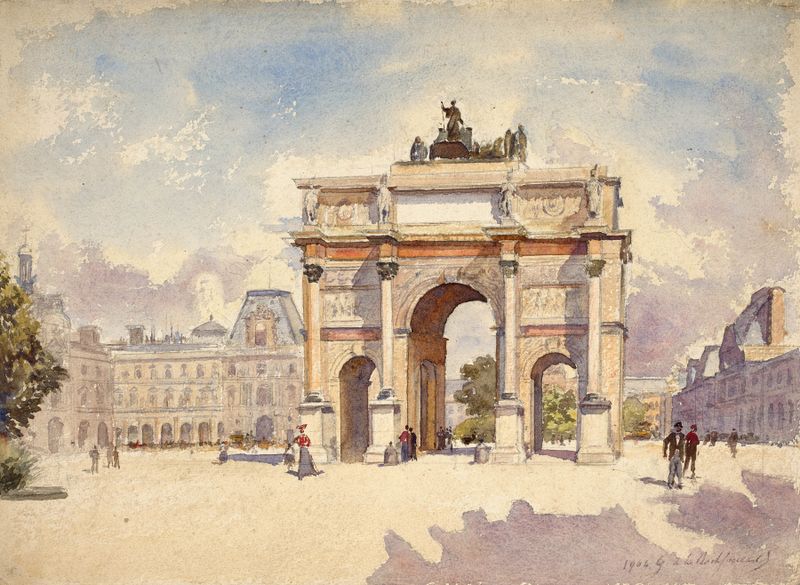
l’Arc du Carrousel vers la Cour du Louvre
Guy De La Rochefoucauld
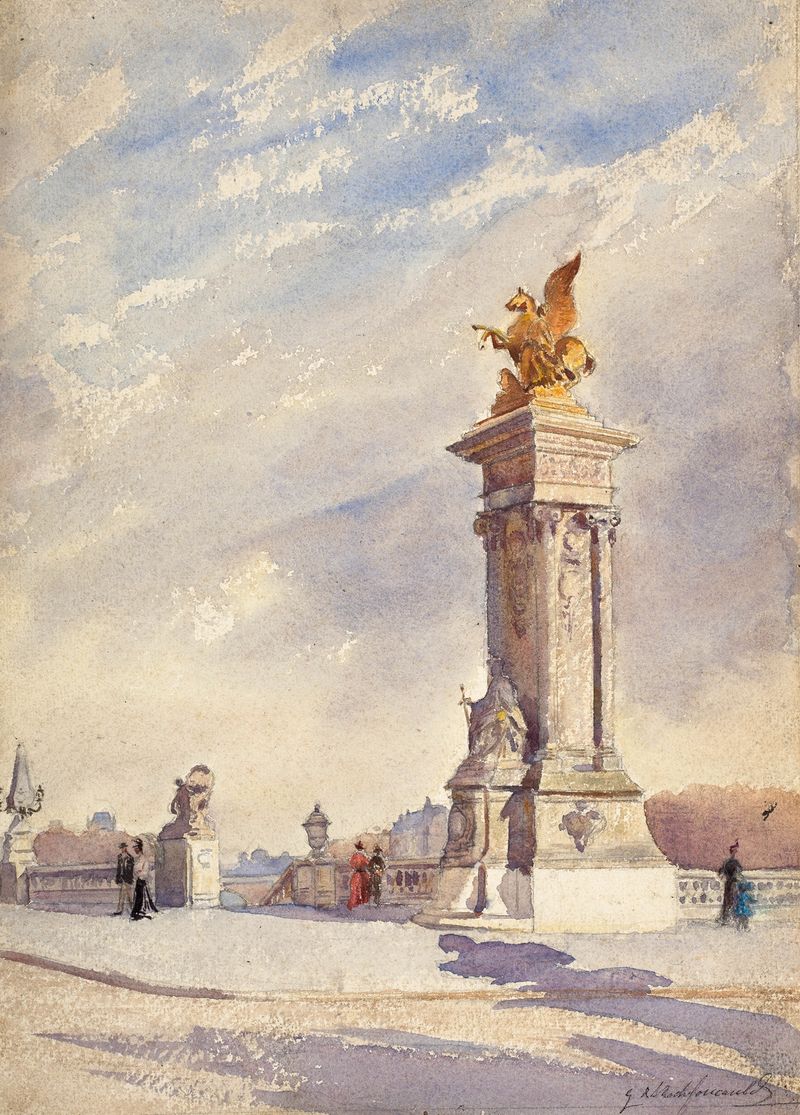
Le pont Alexandre III
Guy De La Rochefoucauld
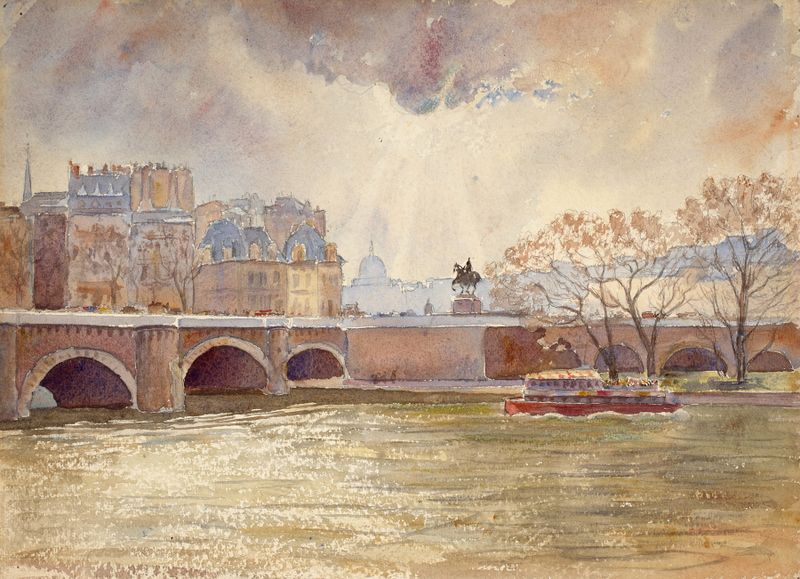
L’Île de la Cité avec le Pont-Neuf
Guy De La Rochefoucauld
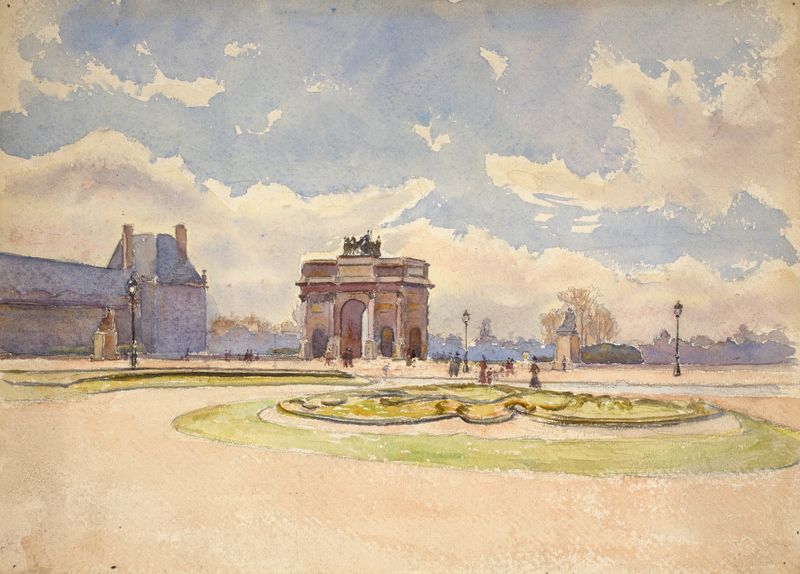
l’Arc du Carrousel vers le Jardin des Tuileries
Guy De La Rochefoucauld
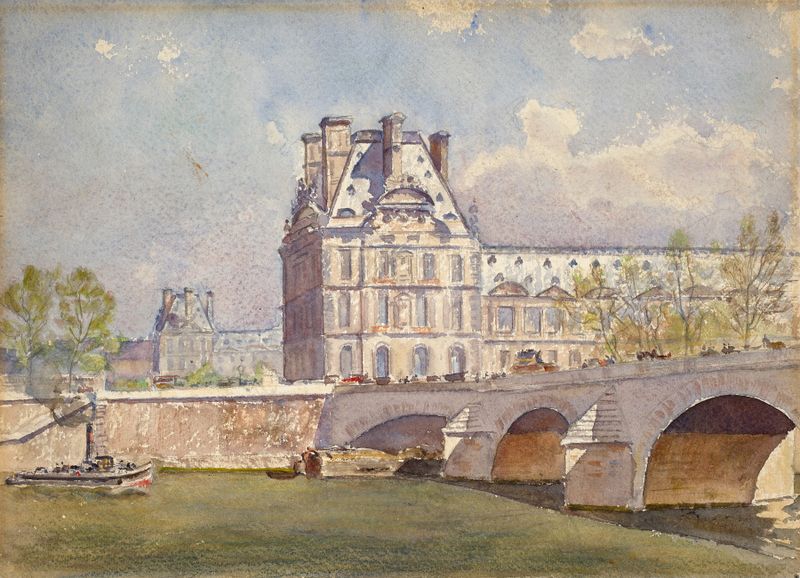
Le Pavillon de Flore
Guy De La Rochefoucauld
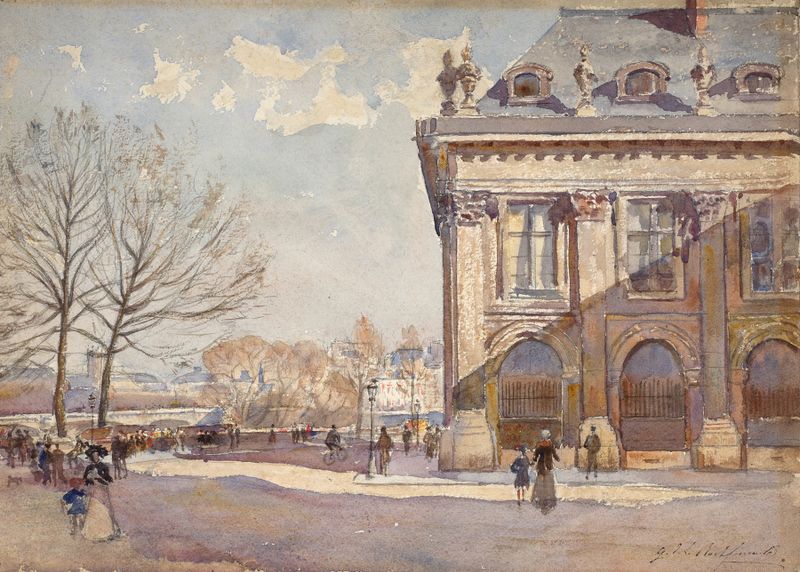
L’Institut
Guy De La Rochefoucauld
More Architecture Art
Browse all →
The statue of Liberty
Frédéric Auguste Bartholdi

View of Houses in Delft, Known as ‘The Little Street’
Johannes Vermeer

View of Houses in Delft, Known as ‘The Little Street’
Johannes Vermeer

The Cathedral in Rouen. The portal, Grey Weather
Claude Monet

The yellow house
Vincent van Gogh

The Church in Auvers-sur-Oise, View from the Chevet
Vincent van Gogh