
Lausanne Vue prise de l’Asile des Aveugles — History & Facts
This poignant reflection invites us to explore the depths of emotion layered within the canvas, revealing how grief can manifest in unexpected beauty. Look to the foreground, where gentle hues blend softly, creating a tender landscape that cradles the viewer’s gaze. The muted earth tones contrast with the vibrant sky, suggesting an emotional landscape ripe with untold stories. Notice the delicate brushwork that outlines the distant mountains, their silhouettes echoing a sense of longing, while the faint outlines of buildings whisper tales of lives intertwined with loss. Upon closer inspection, the subtle interplay between light and shadow conveys a haunting stillness, evoking feelings of absence and remembrance.
The serene quality of the scene is pierced by the starkness of the asile, hinting at the isolation experienced by those within. This contrast of tranquility against the backdrop of human suffering mirrors the complexity of grief, suggesting that solace can coexist with sorrow. Jean Jacottet created this work during a time when he sought to express the emotional landscapes of his surroundings. While the exact date remains unclear, it is known that he painted it in the late 19th century, a period marked by rapid changes in society and art.
As modernity loomed large, artists like him grappled with their identities and the weight of history, ultimately finding solace in the quiet reflections of life and loss captured on canvas.
More Artworks by Jean Jacottet
Browse all →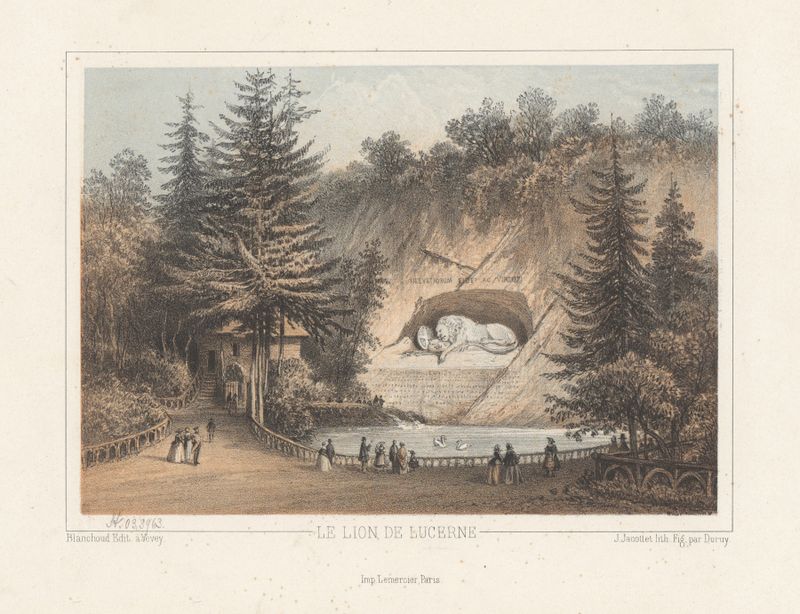
Le lion de Lucerne
Jean Jacottet
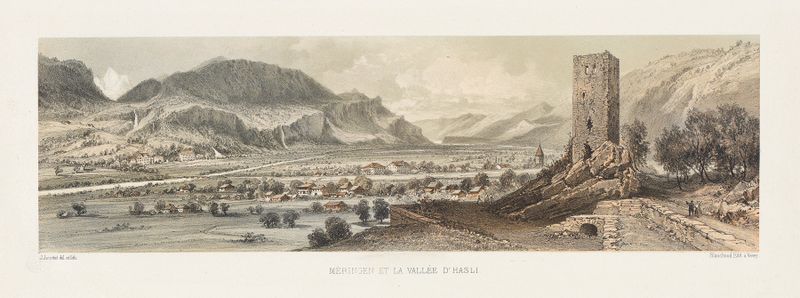
Méringen et la vallée d’Hasli
Jean Jacottet
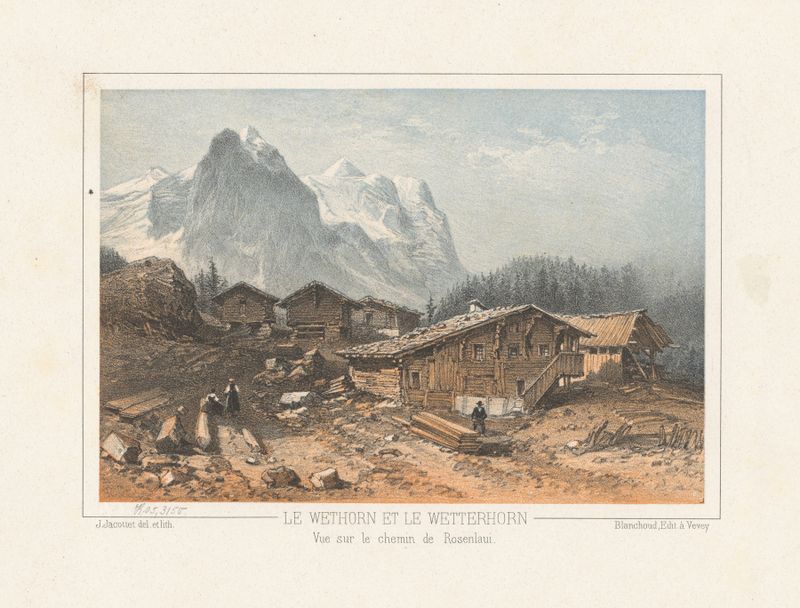
Le Wethorn et le Wetterhorn Vue sur le chemin de Rosenlaui
Jean Jacottet
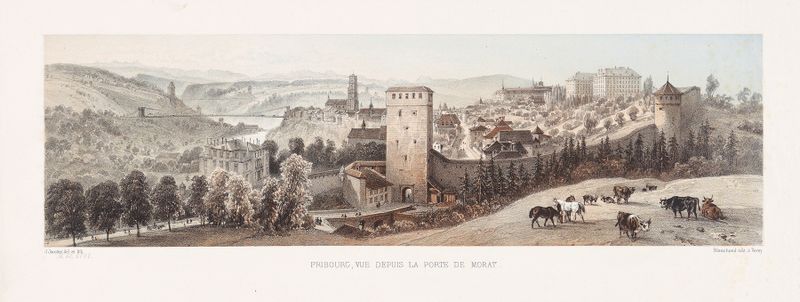
Fribourg, vue depuis la porte de Morat
Jean Jacottet
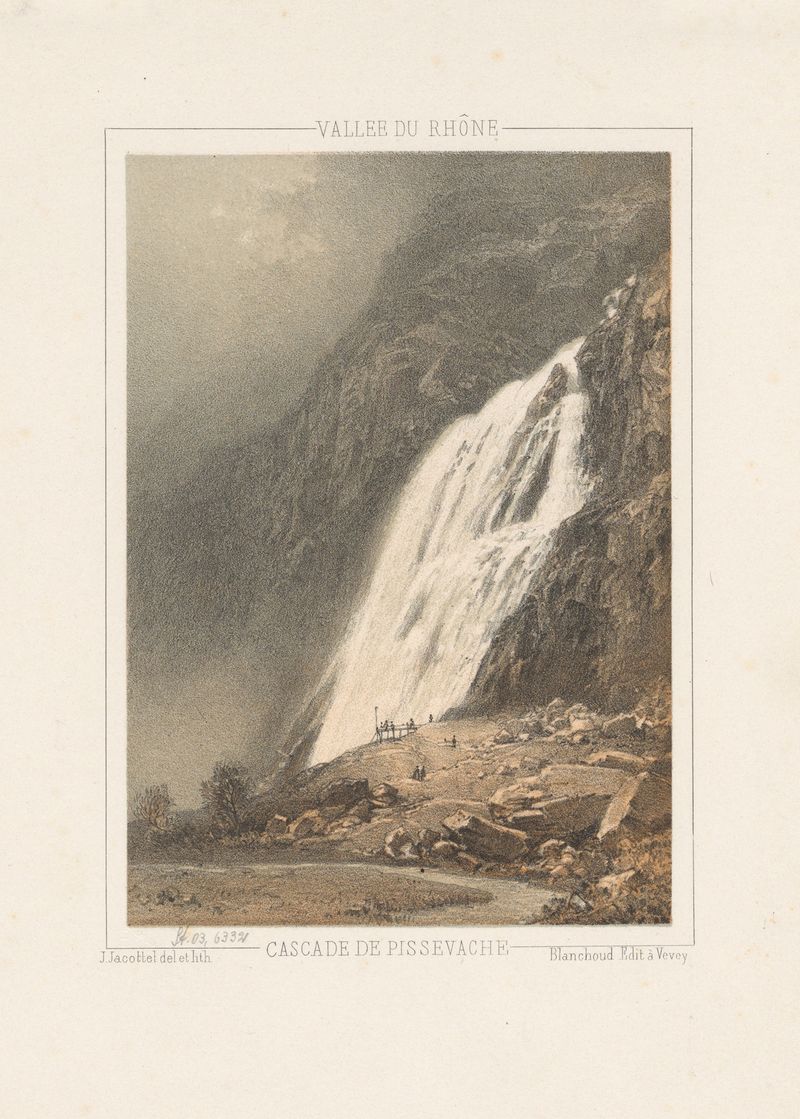
Cascade de Pissevache
Jean Jacottet
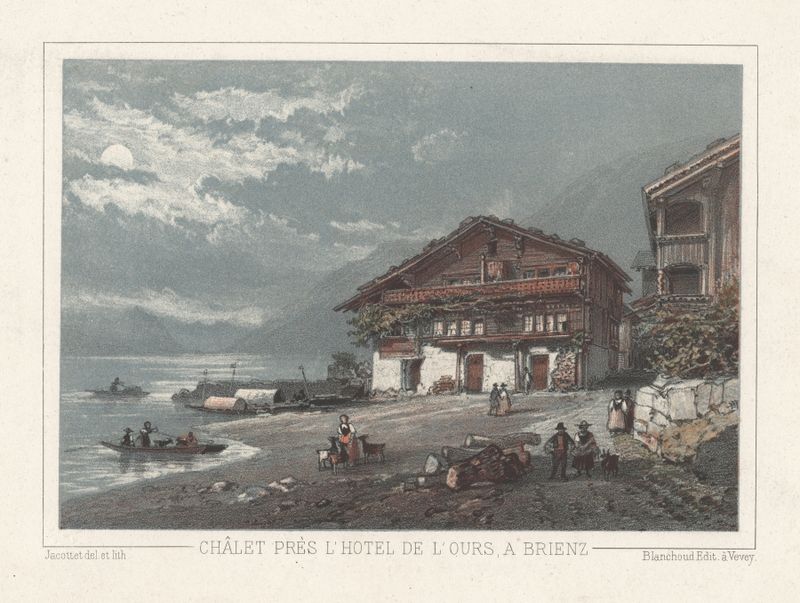
Châlet près l’Hotel de l’Ours, a Brienz
Jean Jacottet
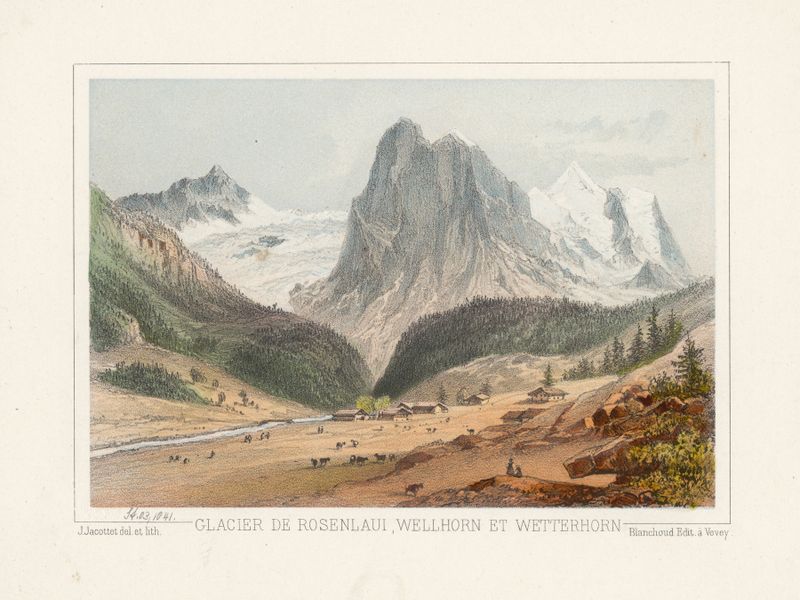
Glacier de Rosenlaui, Wellhorn et Wetterhorn
Jean Jacottet
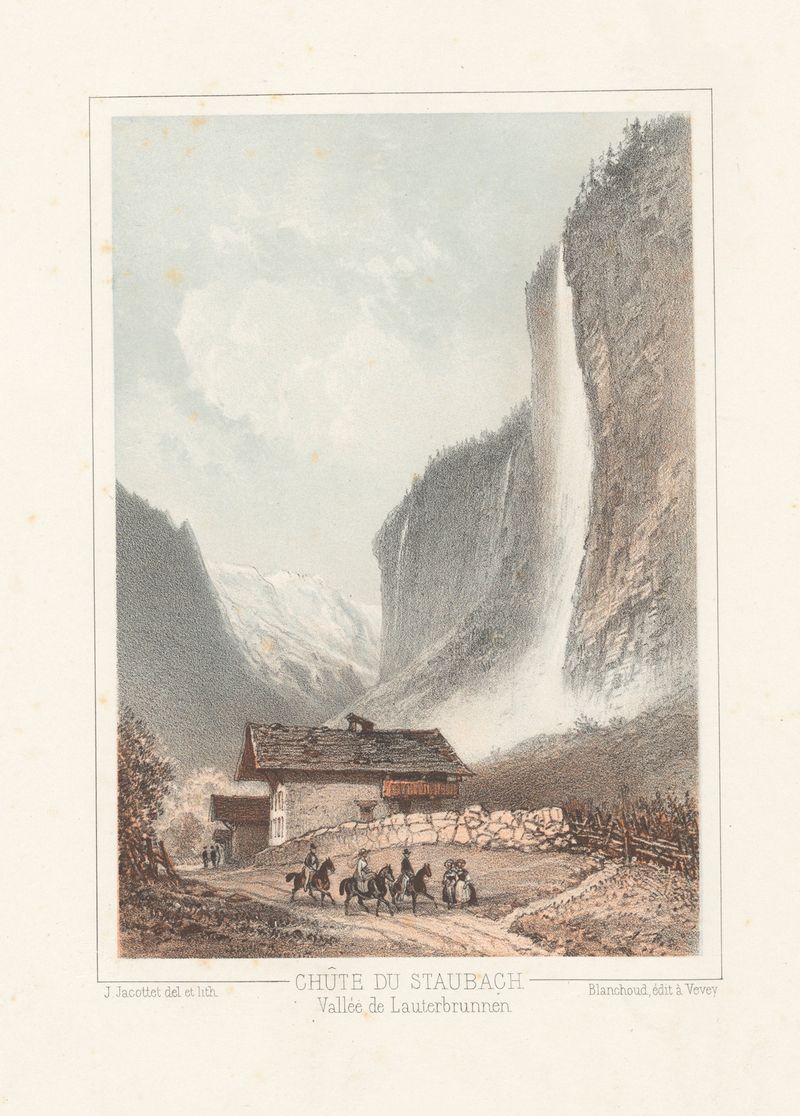
Chûte du Staubach Vallée de Lauterbrunnen
Jean Jacottet
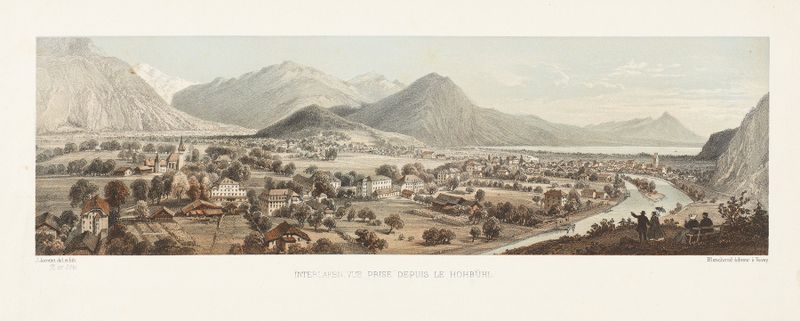
Interlaken, vue prise depuis le Hohbühl
Jean Jacottet
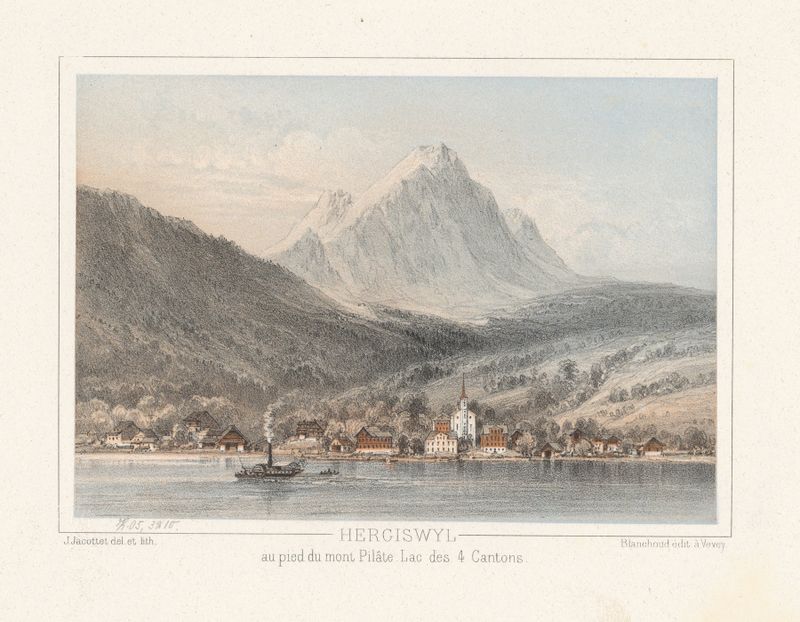
Hergiswyl au pied du mont Pilâte. Lac des 4 Cantons
Jean Jacottet





