
Le bassin de Neptune. Versailles — History & Facts
This sentiment echoes through the tranquil yet poignant stillness of decaying grandeur, where beauty and time converge. Look to the right at the exquisite interplay of light and shadow shimmering over the water's surface. The soft, muted colors blend seamlessly, evoking a serene atmosphere as the reflections ripple with subtle movement. Notice how the ancient statues, worn by years of weathering, stand sentinel around the basin, their forms both majestic and melancholic.
Each stroke conveys a nostalgia that permeates the scene, inviting the viewer to linger within the delicate balance of vibrancy and decay. As you absorb the details, a deeper narrative unfolds. The vibrant foliage, luscious yet creeping towards autumn, symbolizes the inevitability of change. The water itself, a mirror of the sky, draws parallels between nature’s cycles and human experience—both fleeting and eternal.
Hidden within the beauty is a tension, where the remnants of opulence whisper stories of a bygone era, hinting at the fragility of all things treasured. Henri Le Sidaner painted this work between 1912 and 1920, during a time when Europe was navigating through the aftermath of the Great War. Living in France, he was influenced by the shift towards modernism, even as he remained deeply connected to impressionist traditions. The tranquility of Le bassin de Neptune serves as a poignant reflection on loss and remembrance amidst a changing world, capturing the essence of a timeless yet fleeting moment.
More Artworks by Henri Le Sidaner
Browse all →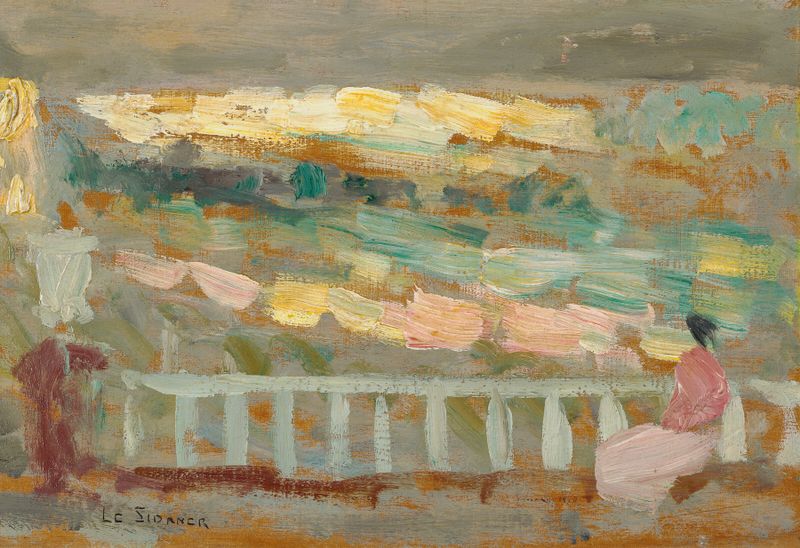
Terrasse à Gerberoy
Henri Le Sidaner
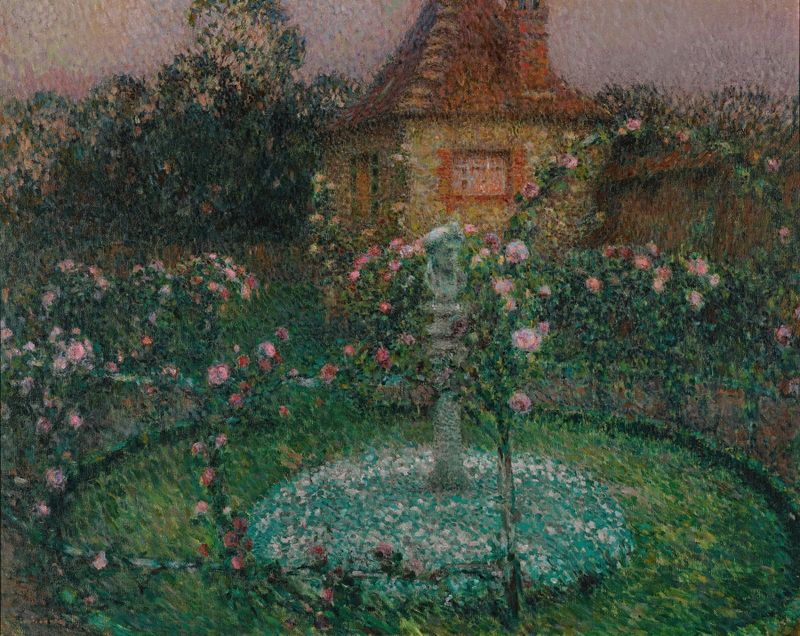
Le Pavillon, Gerberoy
Henri Le Sidaner
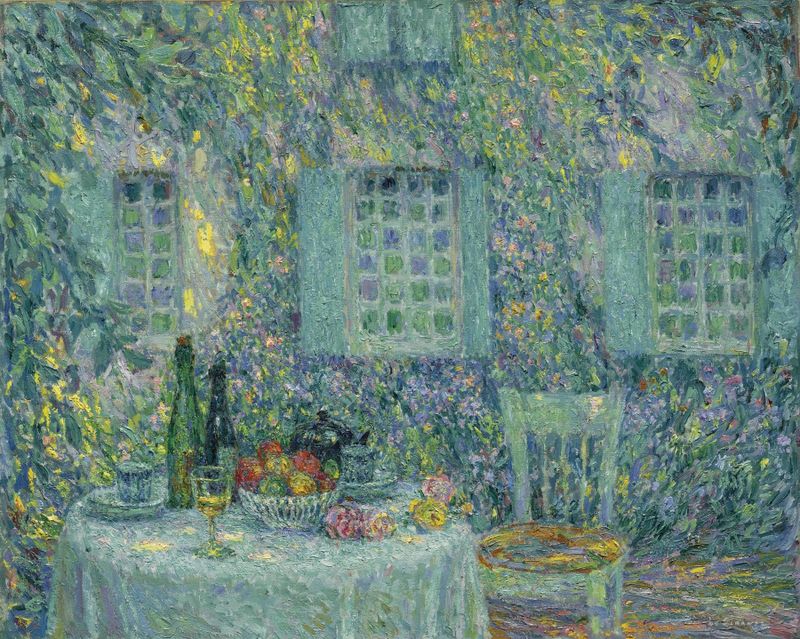
La Table, soleil dans les feuilles, Gerberoy
Henri Le Sidaner
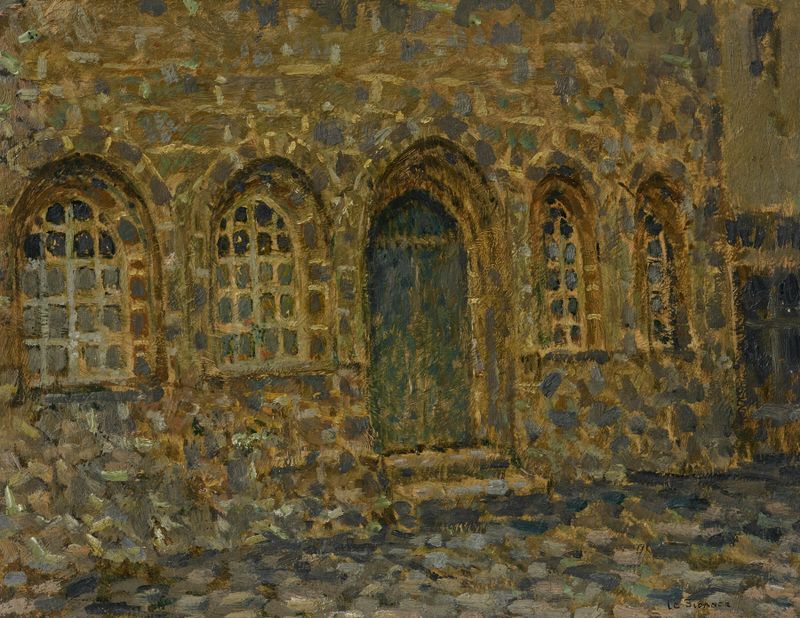
Maison ancienne, Tréguier
Henri Le Sidaner
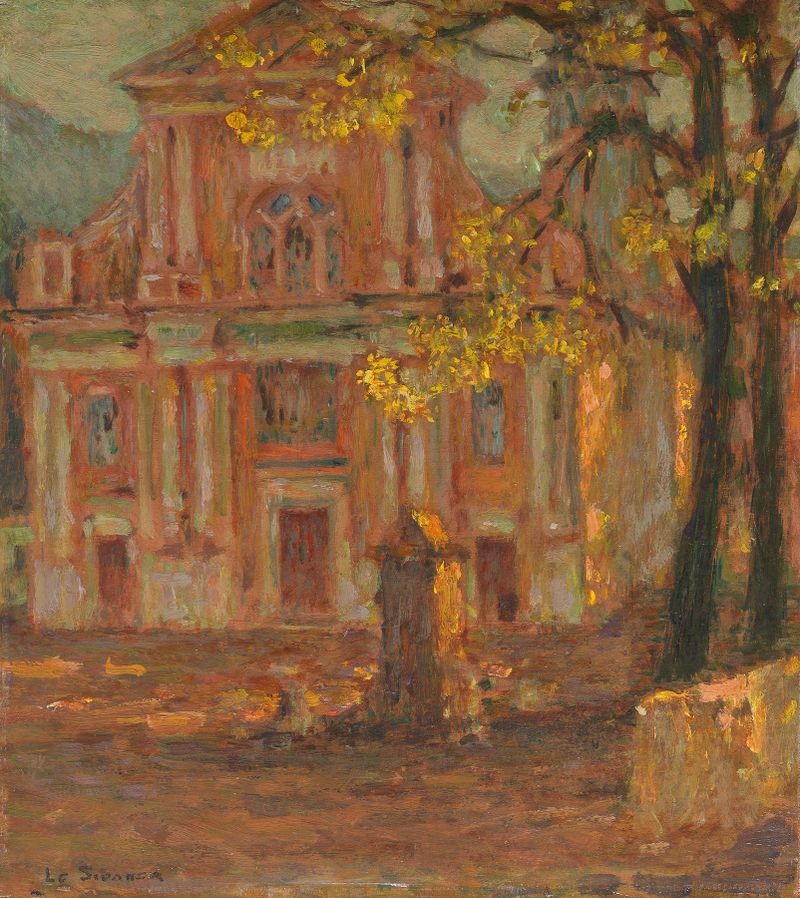
L’église, Dolceacqua
Henri Le Sidaner
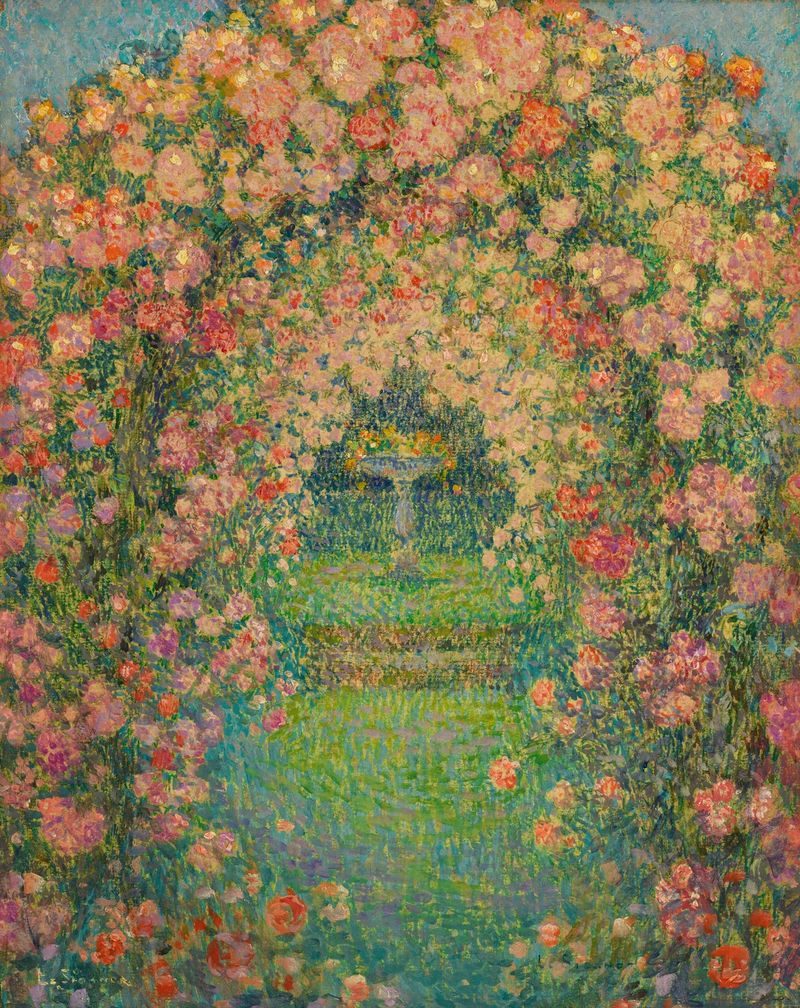
La Roseraie, Gerberoy
Henri Le Sidaner
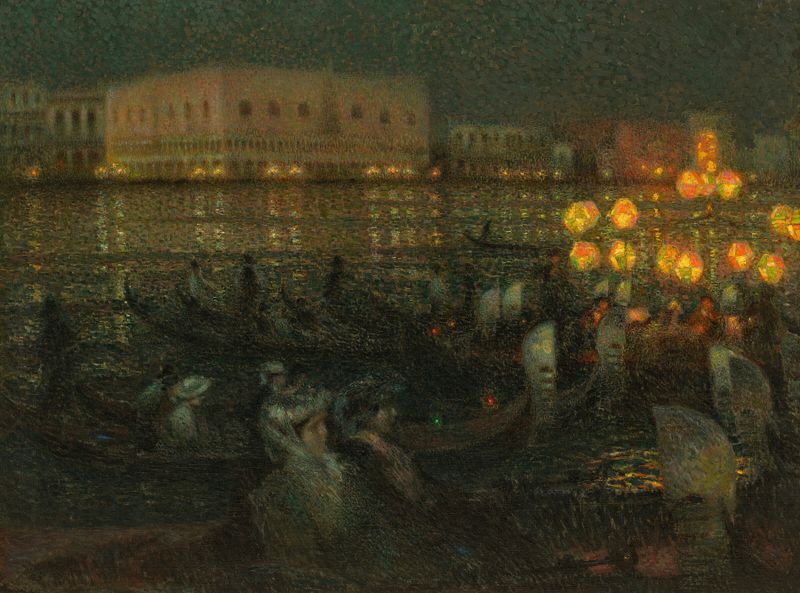
La Sérénade, Venise
Henri Le Sidaner
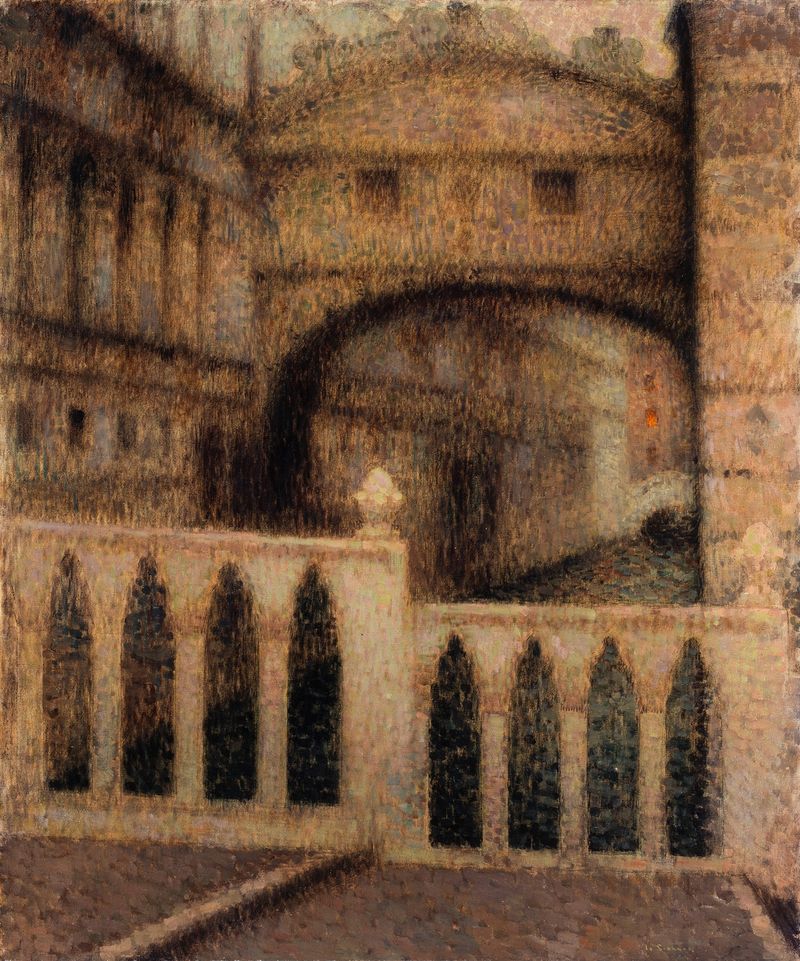
Le pont des Soupirs
Henri Le Sidaner
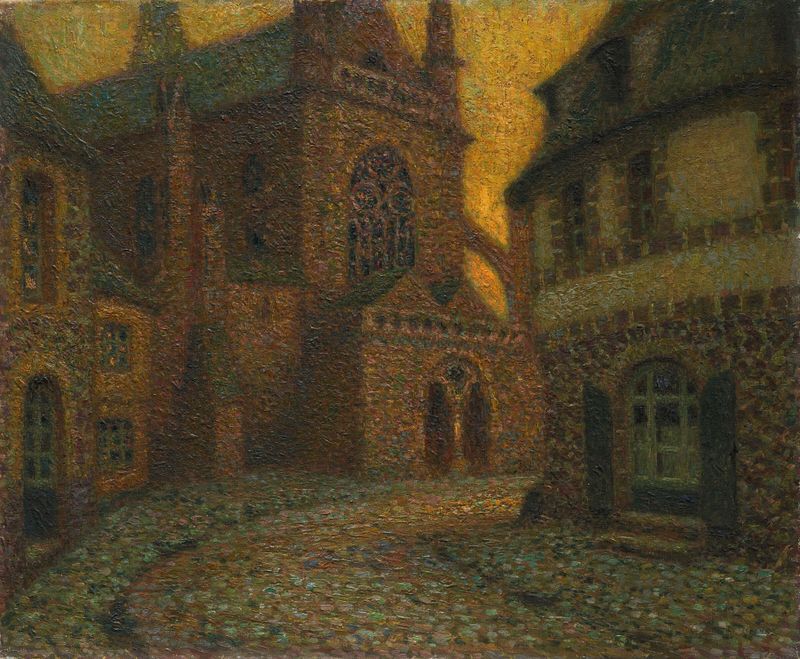
L’Église, Tréguier
Henri Le Sidaner
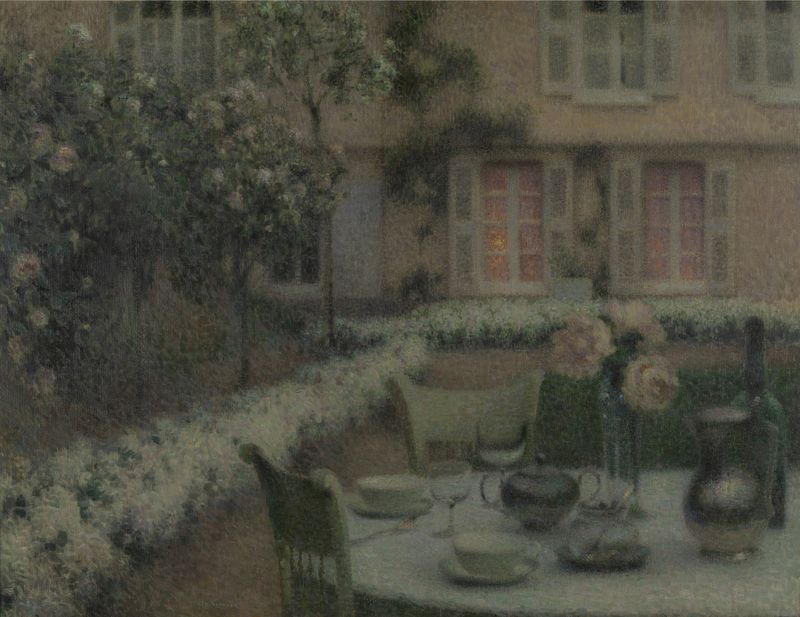
The Table in the White Garden at Gerberoy
Henri Le Sidaner





