Le Cimetière Sainte-Marguerite ; emplacement présumé de la tombe de Louis XVII. — History & Facts
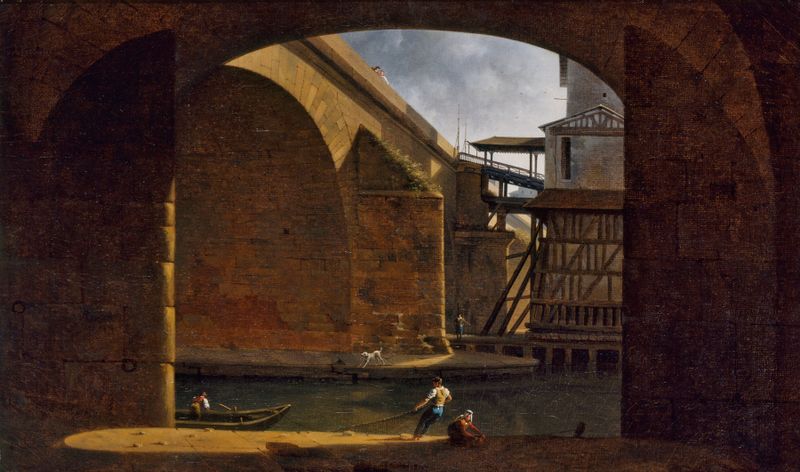
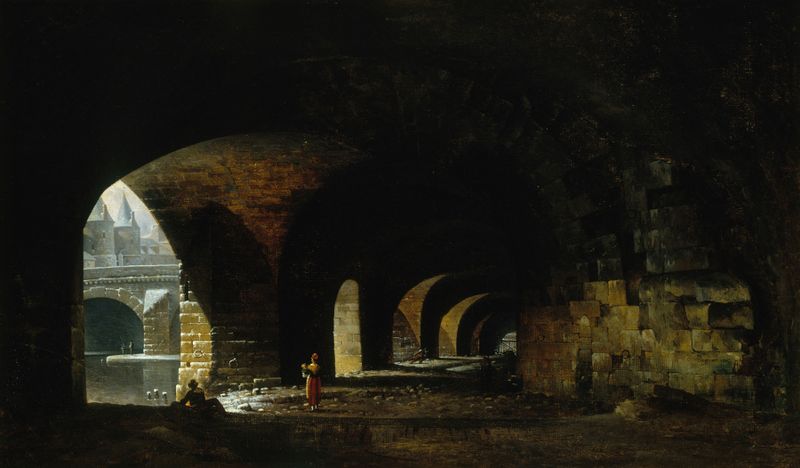
Within the stillness of Le Cimetière Sainte-Marguerite, a profound nostalgia envelops the viewer, whispering untold stories of loss and remembrance. The somber beauty of the scene invites reflection on mortality, the passage of time, and the legacies we leave behind. Look closely at the center of the composition, where a weathered stone cross emerges from the earth, its dark surface contrasting starkly with the pale hues of the surrounding gravestones. The artist employs a muted palette, allowing soft greens and browns to dominate, suggesting a reverence for the natural decay of life.
The gentle interplay of light falling upon the gravestones creates an almost ethereal glow, illuminating the sacredness of this forgotten resting place and drawing the eye toward the distant horizon. As the gaze wanders across the canvas, one can sense the emotional tension between the living and the dead. The encroaching vegetation symbolizes life’s relentless progression, while the desolate tombstones evoke a haunting stillness that speaks to the enduring nature of memory. The juxtaposition of the fertile earth against the starkness of the grave markers encapsulates the bittersweet nature of nostalgia — a yearning for what once was and a recognition of what can never be regained. In 1856, Régnier painted this work during a period where Romanticism was waning, and new artistic movements began to emerge.
Living in France, he found himself amidst a cultural landscape filled with reflection on the past, influenced by the political upheavals and societal changes of his time. This painting captures that turning point, merging personal sentiment with broader historical currents, while quietly memorializing the ephemeral nature of existence.