
Le lac d’amour – le saule pleureur — History & Facts
Where does light end, and longing begin? This profound question weaves through the delicate strokes and vibrant hues of a world suspended between reality and dreams. Focus on the shimmering surface of the water, where pale reflections ripple under a canopy of willows. The soft greens and blues blend seamlessly, drawing the eye to the heart of the composition—an ethereal interplay of light that seems to dance with the viewer's emotions. Notice how the willow tree leans gracefully over the water, its branches a veil that separates the known from the unknown, inviting introspection and quiet contemplation.
The gentle curve of the willows and the luminous palette create a harmonious balance, evoking a sense of peace and longing. Within this tranquil scene lies a deeper narrative, resonating with themes of faith and vulnerability. The weeping willow is a powerful symbol, embodying both sorrow and resilience, a reminder of the tension between grief and hope. The mirrored surface of the lake suggests reflections of self, where one can ponder the interplay between past and present, joy and sadness.
It is a place where the viewer can confront their own depths, where silence speaks volumes, and where light serves as a thread connecting the heart to its yearning. In 1918, Le lac d’amour – le saule pleureur emerged from the hand of Clavel, a time marked by the aftermath of World War I, with Europe grappling with profound loss and a longing for solace. Living in France, the artist captured a moment of serene beauty amid chaos, drawing inspiration from the natural world to convey emotional truths. This work reflects the burgeoning movement of post-impressionism, blending traditional techniques with personal expression, a testament to Clavel's evolving vision and the resilience of the human spirit.
More Artworks by Marie-Joseph-Leon Clavel (Iwill)
Browse all →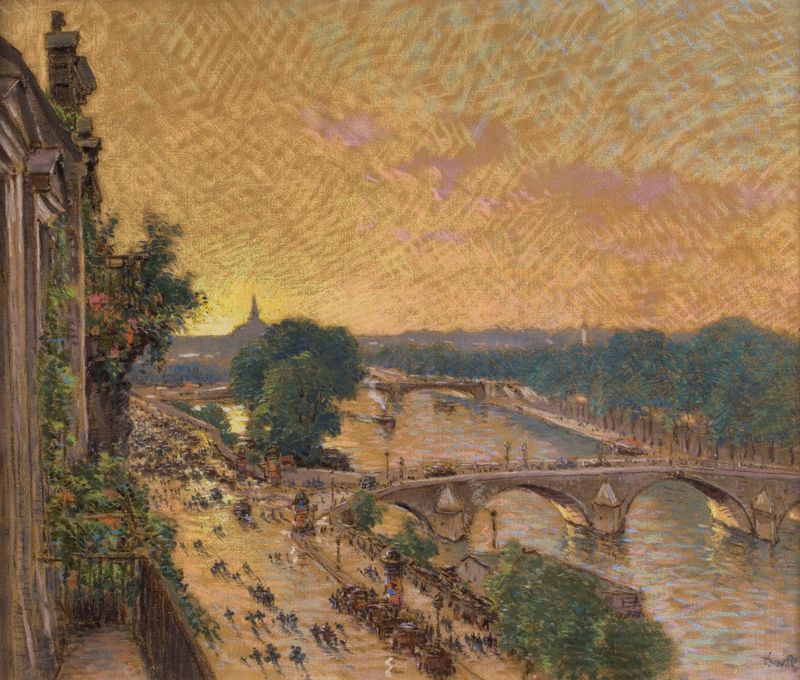
Septembre 1914 vers la gare d’Orsay
Marie-Joseph-Leon Clavel (Iwill)
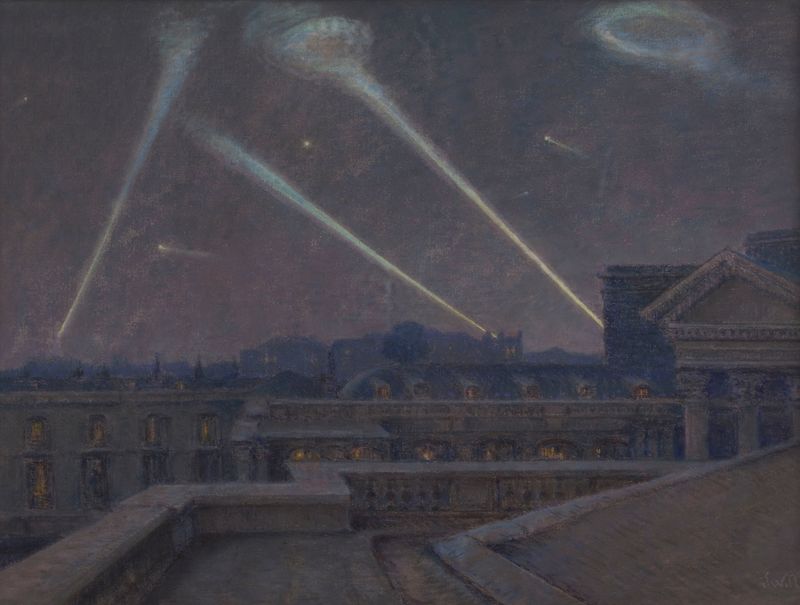
Sur les terrasses du Palais Bourbon, nuit du 29 janvier 1916, zeppelins
Marie-Joseph-Leon Clavel (Iwill)
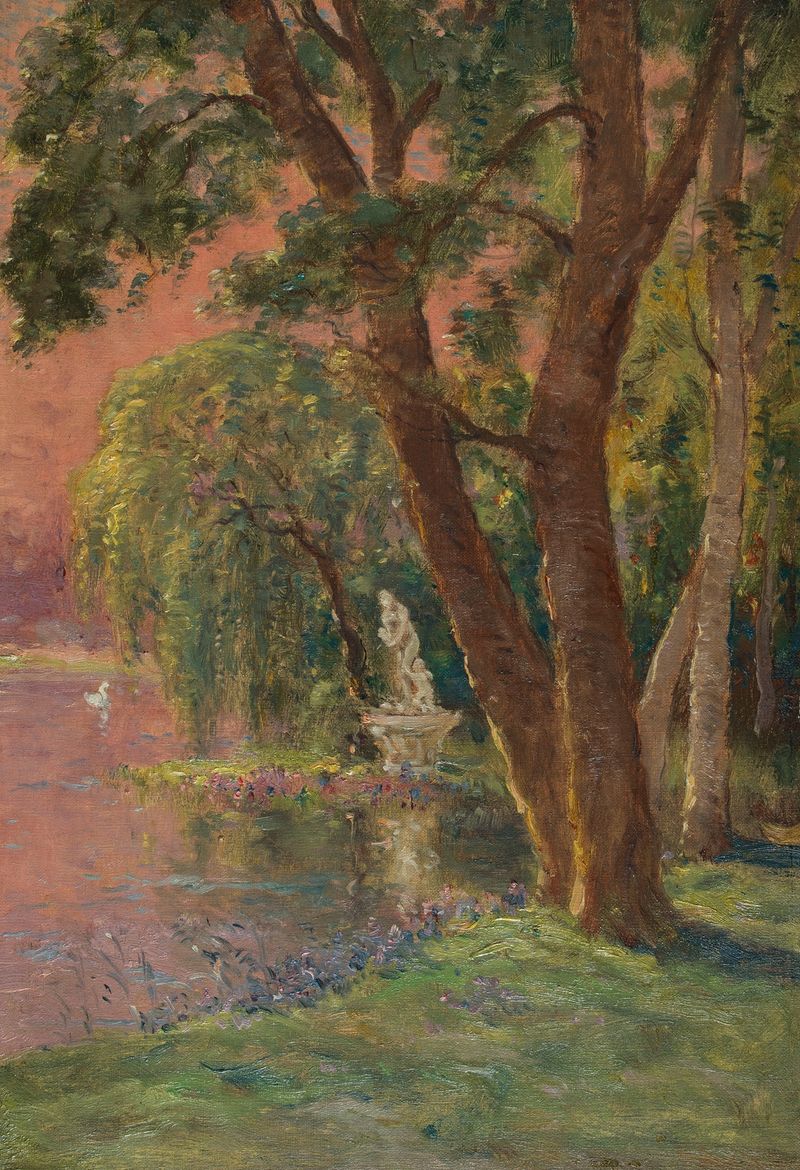
Le lac d’amour – le lever du soleil – la statue de Vénus et Cupidon
Marie-Joseph-Leon Clavel (Iwill)
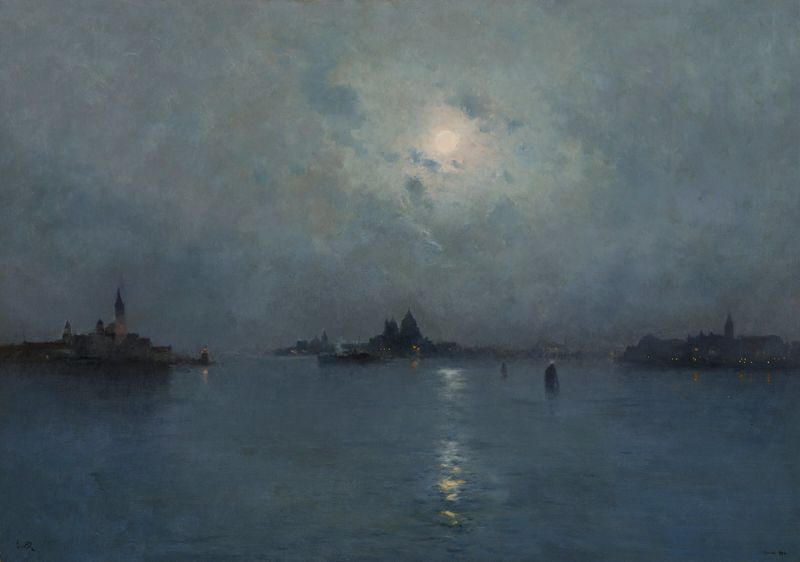
Venice
Marie-Joseph-Leon Clavel (Iwill)
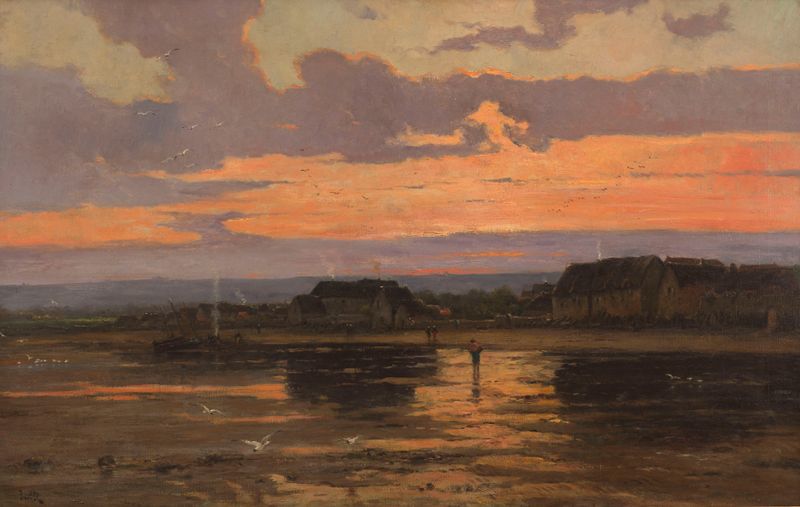
Solitude, le soir; Morsalines (Manche)
Marie-Joseph-Leon Clavel (Iwill)
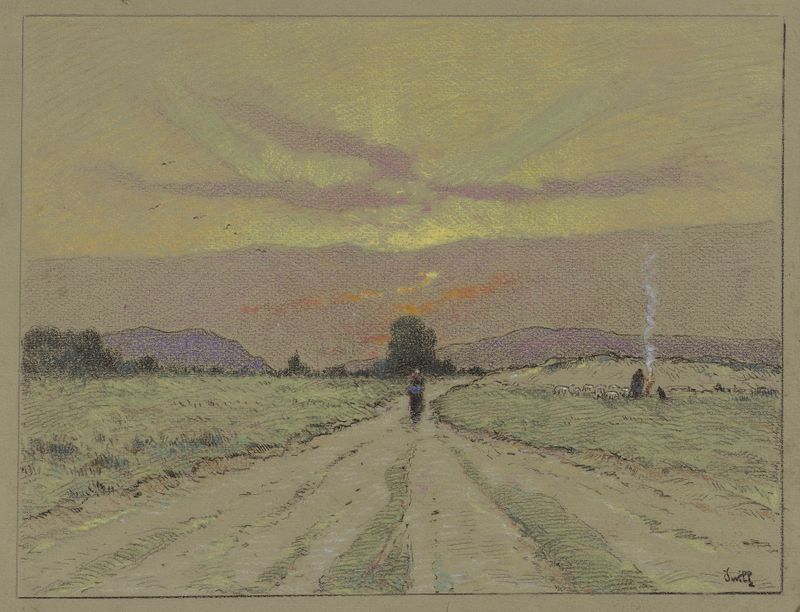
Chemin au soleil couchant
Marie-Joseph-Leon Clavel (Iwill)
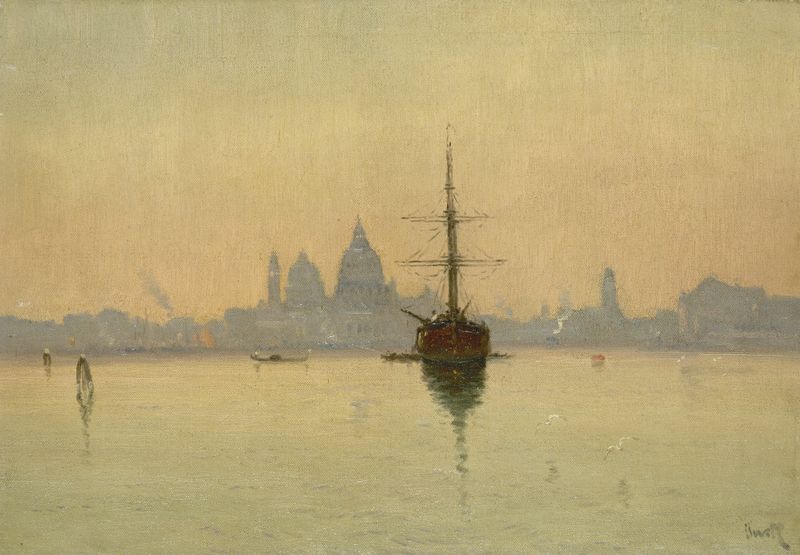
Venise
Marie-Joseph-Leon Clavel (Iwill)
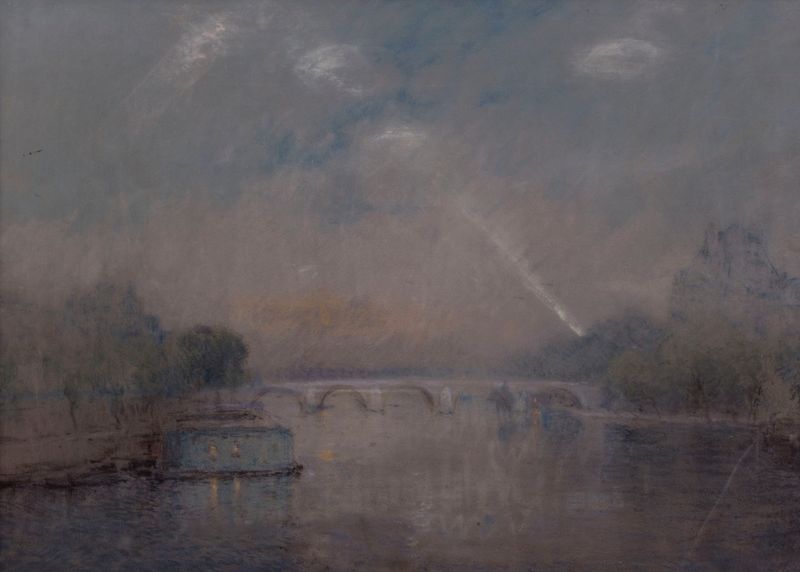
Tandis que Paris dormait – à la recherche des tauben
Marie-Joseph-Leon Clavel (Iwill)
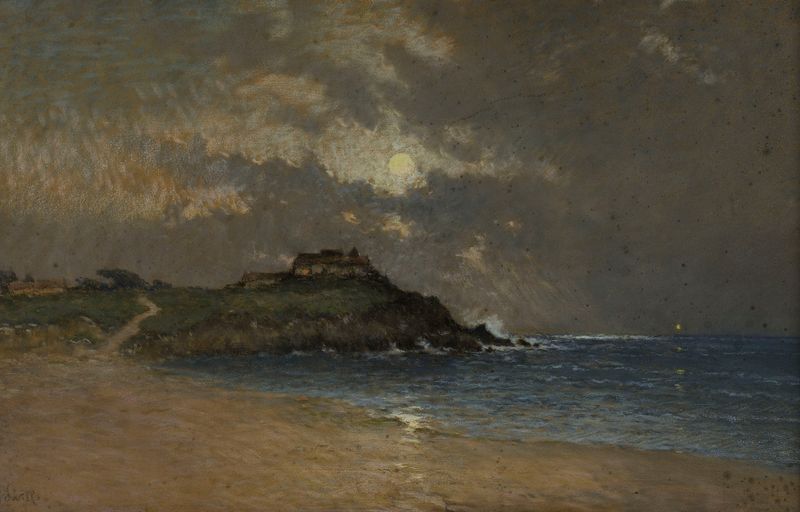
La grande côte à Royan
Marie-Joseph-Leon Clavel (Iwill)
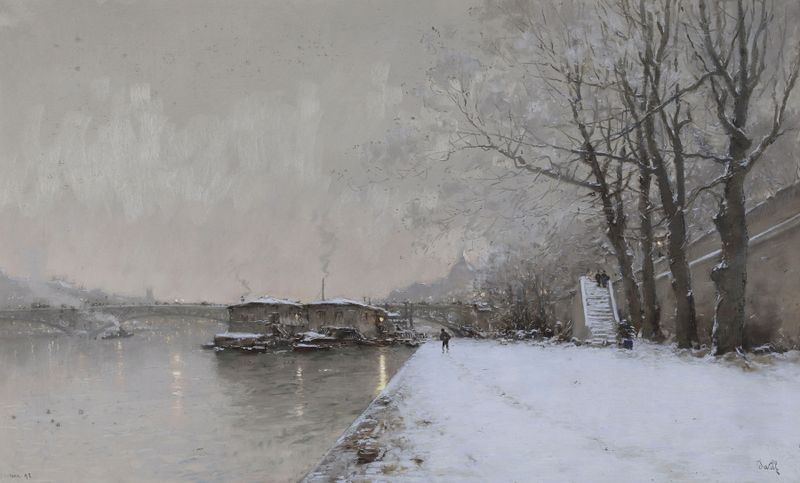
Effet de neige
Marie-Joseph-Leon Clavel (Iwill)





