
Solitude, le soir; Morsalines (Manche) — History & Facts
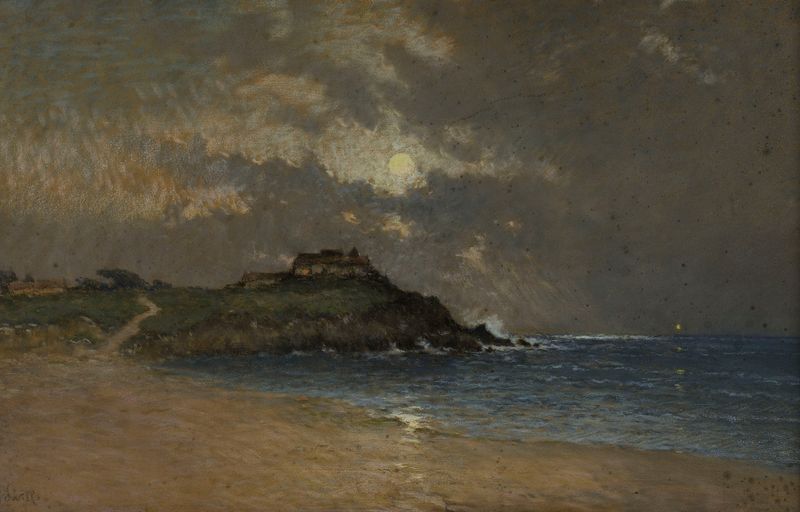
In that stillness, it holds echoes of moments lost to time, inviting reflection and revealing the weight of silence. As you step closer, look to the left at the muted palette of blues and grays that envelop the scene. Notice how the brushstrokes blend seamlessly, creating a dreamy haze over the evening landscape. The horizon rests softly, where the fading light of dusk meets the silhouettes of distant trees, suggesting a quiet transition from day to night.
The gentle curve of the land draws the eye inward, guiding your gaze through the tranquil water reflecting the sky’s melancholic hues. Herein lies a rich tension: the solitude encapsulated within the frame juxtaposed against the expansive sky, hinting at both isolation and freedom. The painter’s choice of colors evokes a profound sense of calm, yet there is an undercurrent of longing — perhaps for connection or understanding. Tiny details like the ripples in the water or the faint outline of a solitary figure deepen this emotion, suggesting an introspective journey within the serene exterior. In 1887, Solitude, le soir; Morsalines (Manche) emerged from the creative mind of Marie-Joseph-Leon Clavel, who was exploring the interplay between nature and emotion.
Living in France during a period of artistic transition, Clavel found himself inspired by the Impressionist movement while still holding on to traditional techniques. This work reflects both a personal contemplation and the broader artistic currents of the time, as artists sought to capture fleeting moments of beauty in a rapidly changing world.
More Artworks by Marie-Joseph-Leon Clavel (Iwill)
Browse all →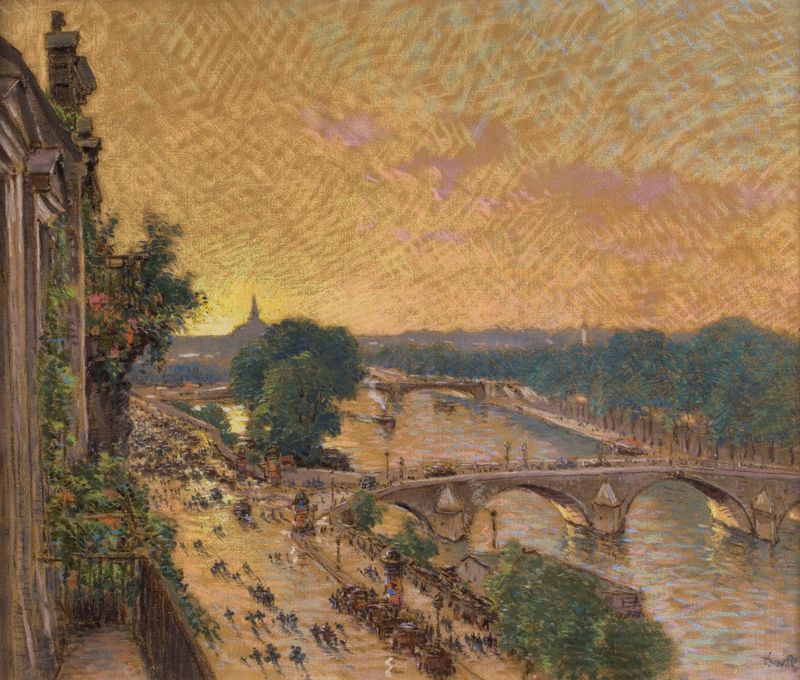
Septembre 1914 vers la gare d’Orsay
Marie-Joseph-Leon Clavel (Iwill)
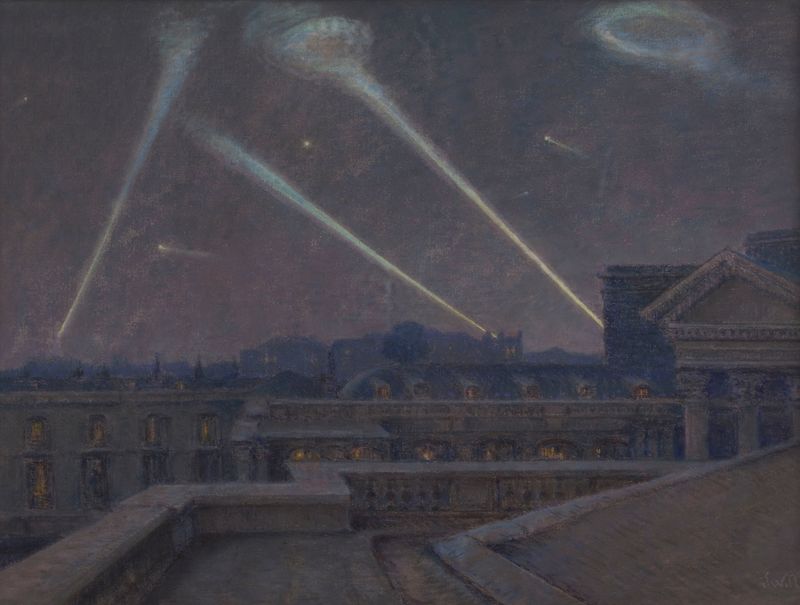
Sur les terrasses du Palais Bourbon, nuit du 29 janvier 1916, zeppelins
Marie-Joseph-Leon Clavel (Iwill)
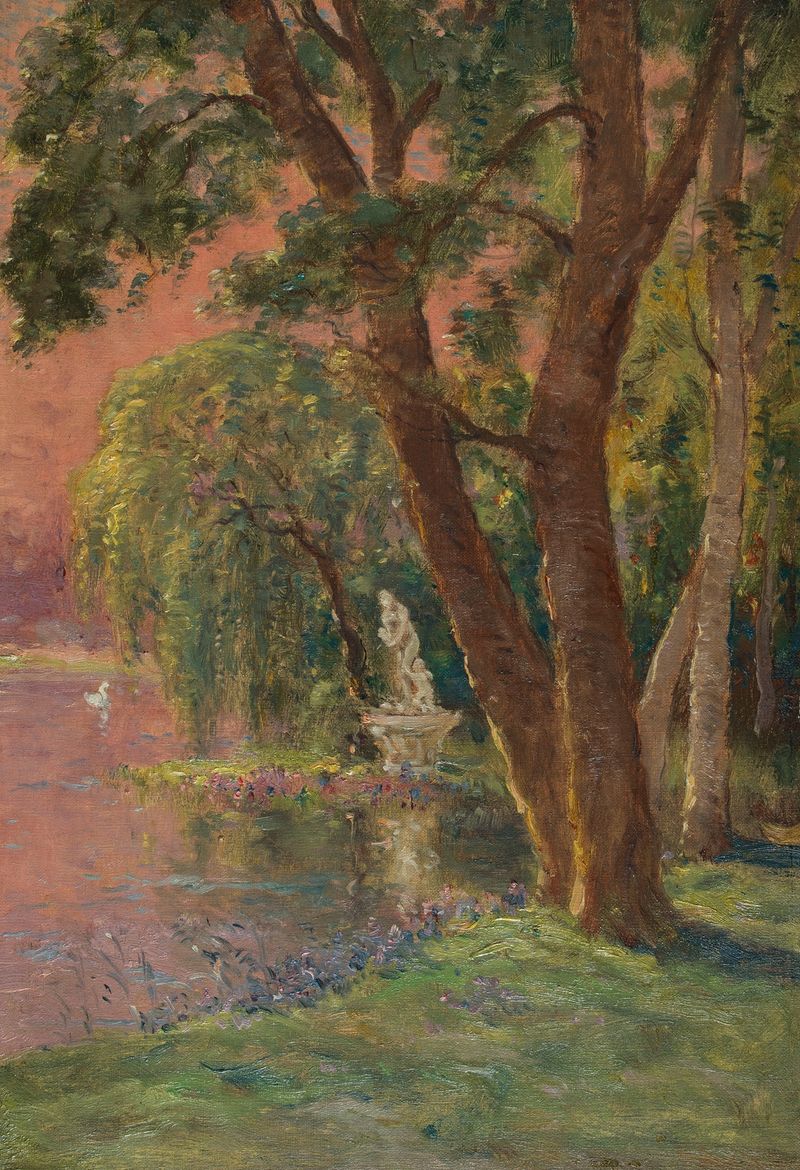
Le lac d’amour – le lever du soleil – la statue de Vénus et Cupidon
Marie-Joseph-Leon Clavel (Iwill)
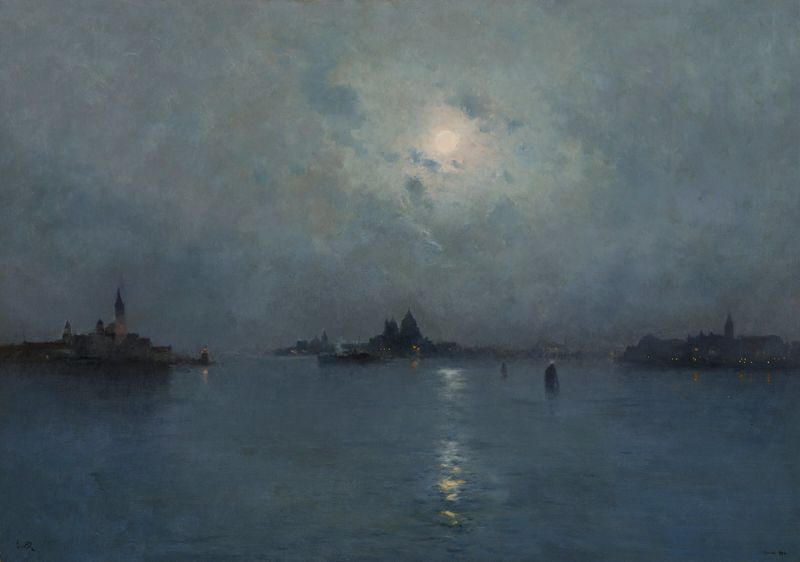
Venice
Marie-Joseph-Leon Clavel (Iwill)
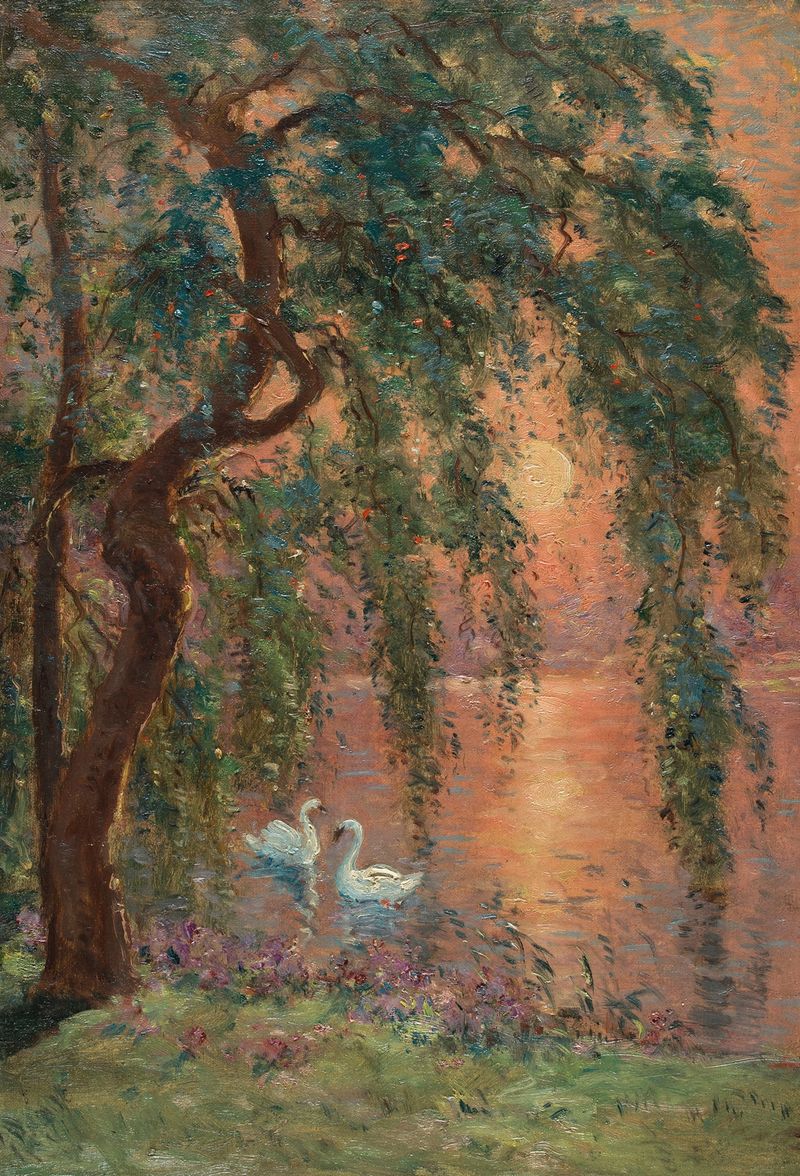
Le lac d’amour – le saule pleureur
Marie-Joseph-Leon Clavel (Iwill)
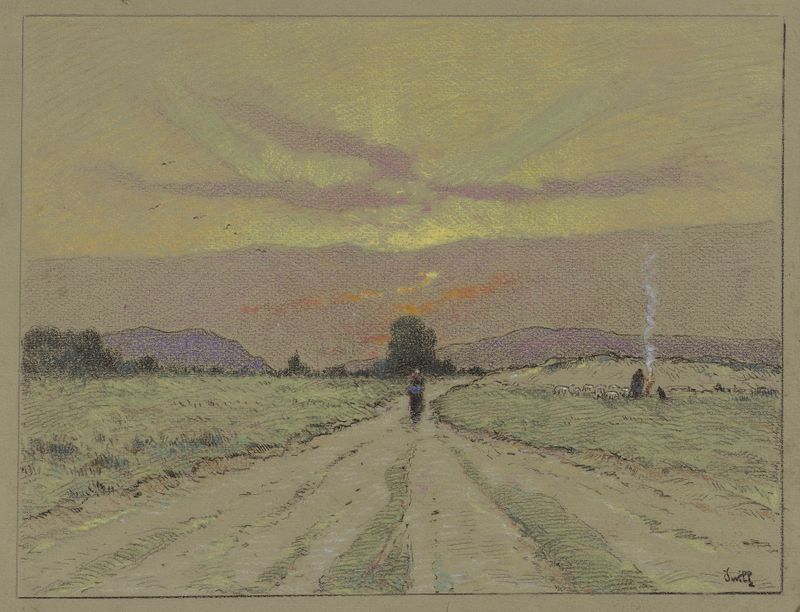
Chemin au soleil couchant
Marie-Joseph-Leon Clavel (Iwill)
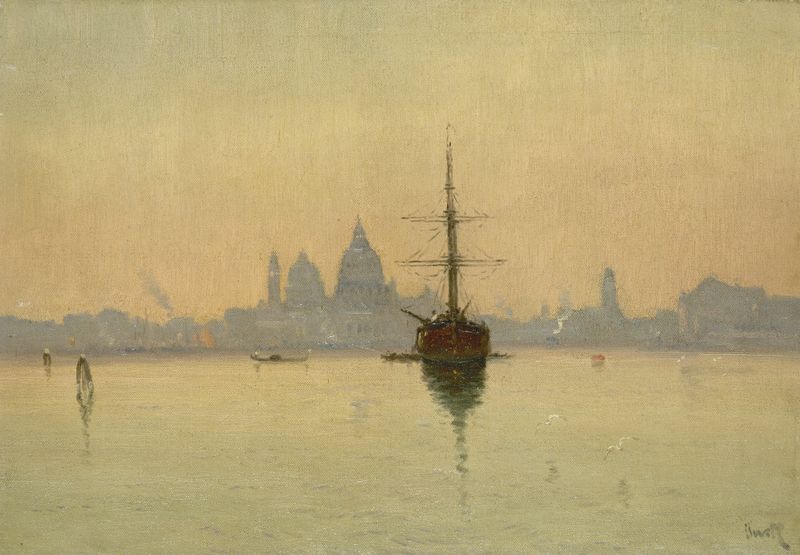
Venise
Marie-Joseph-Leon Clavel (Iwill)
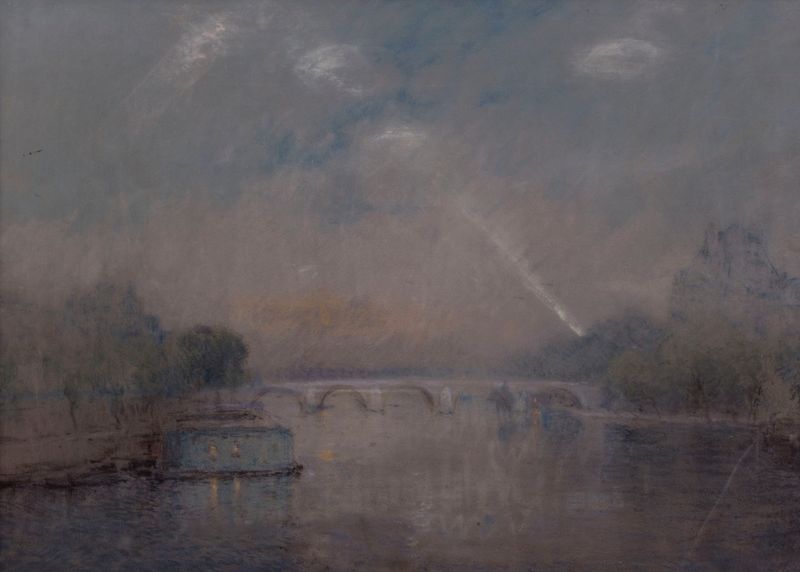
Tandis que Paris dormait – à la recherche des tauben
Marie-Joseph-Leon Clavel (Iwill)
La grande côte à Royan
Marie-Joseph-Leon Clavel (Iwill)
Effet de neige
Marie-Joseph-Leon Clavel (Iwill)





