
Le petit canal, soir gris, Venise — History & Facts
When did color learn to lie? In a world where hues speak of joy and vibrancy, the soft palette of this piece whispers a tale of melancholy. Look to the left at the muted blues and grays that blend seamlessly, evoking the quietude of twilight. The canal, a ribbon of reflective water, draws the eye toward the distance, where shadowy buildings loom under a heavy sky. The subtle strokes suggest movement—perhaps a gentle ripple or the whisper of a breeze—while the soft light bathes the scene, creating a delicate contrast between the ethereal and the tangible. Beneath the serene surface lies an emotional tension; the stillness of the water is both calming and haunting.
The interplay of light and shadow hints at a fleeting moment, one that may soon dissolve into darkness. The almost ghostly presence of the buildings, shrouded in mist, encapsulates the transient nature of memory and longing. Each brushstroke resonates with the weight of unspoken stories, while the restrained colors evoke a sense of nostalgia for something lost. Henri Le Sidaner painted this work in 1907, during a period marked by both personal and artistic introspection.
Living in France and deeply influenced by the Symbolist movement, he sought to express emotional truths through landscapes. This piece emerged in a time when artists were increasingly exploring the interplay between light and atmosphere, capturing not just a scene but a feeling that transcends the visual.
More Artworks by Henri Le Sidaner
Browse all →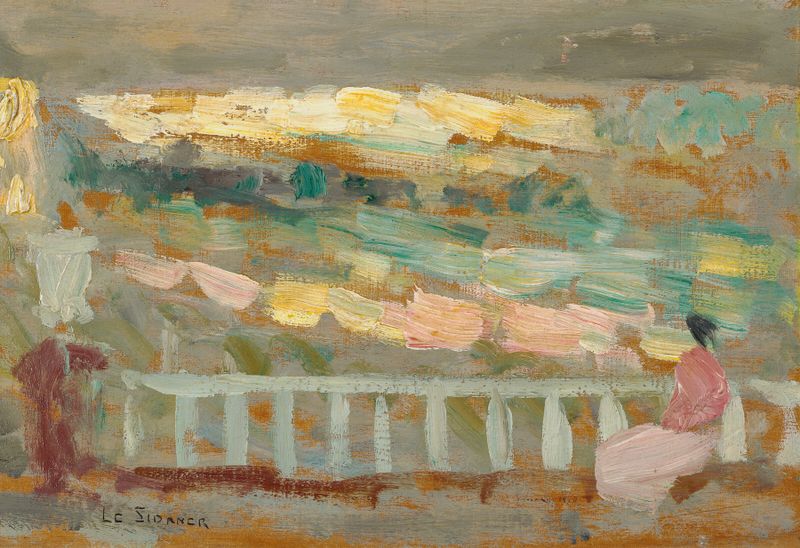
Terrasse à Gerberoy
Henri Le Sidaner
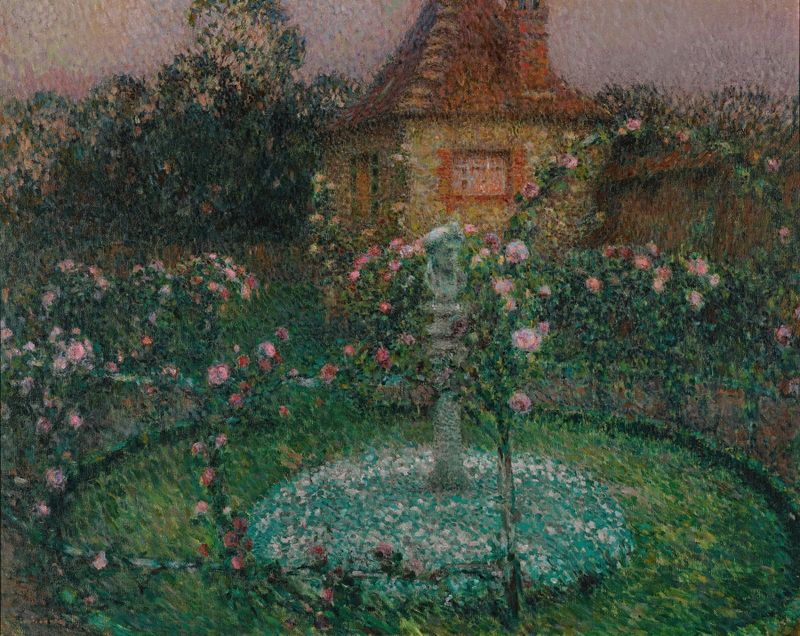
Le Pavillon, Gerberoy
Henri Le Sidaner
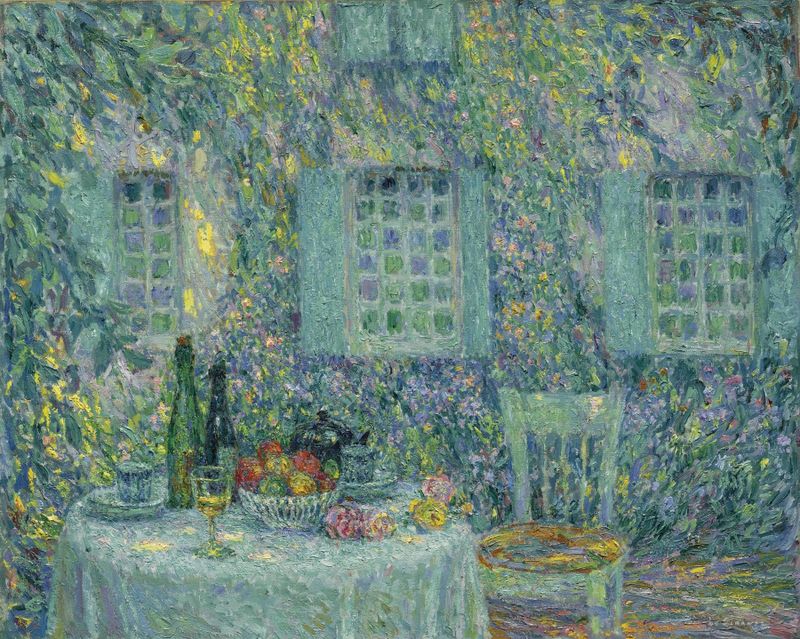
La Table, soleil dans les feuilles, Gerberoy
Henri Le Sidaner
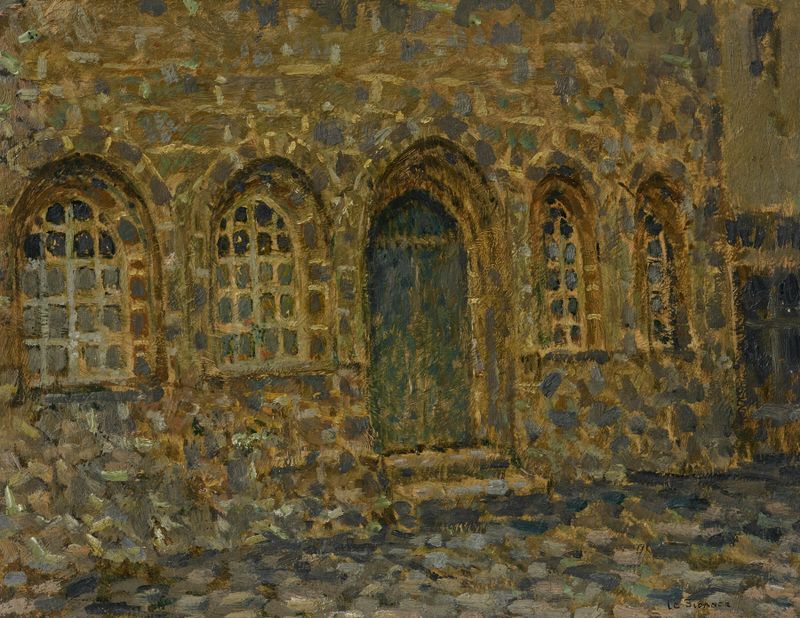
Maison ancienne, Tréguier
Henri Le Sidaner
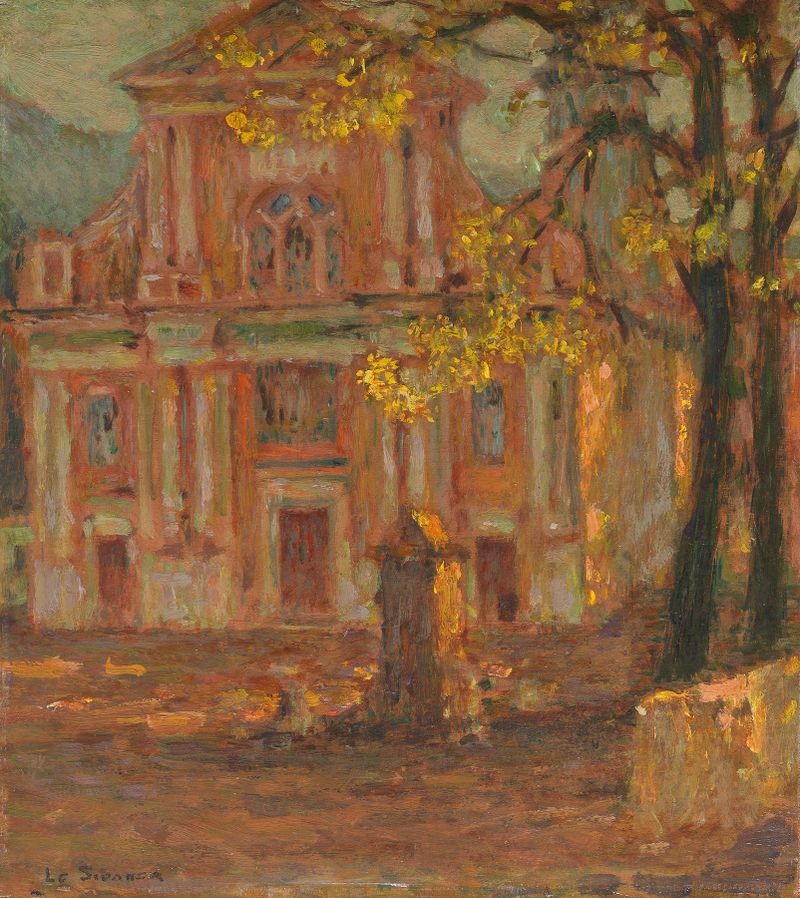
L’église, Dolceacqua
Henri Le Sidaner
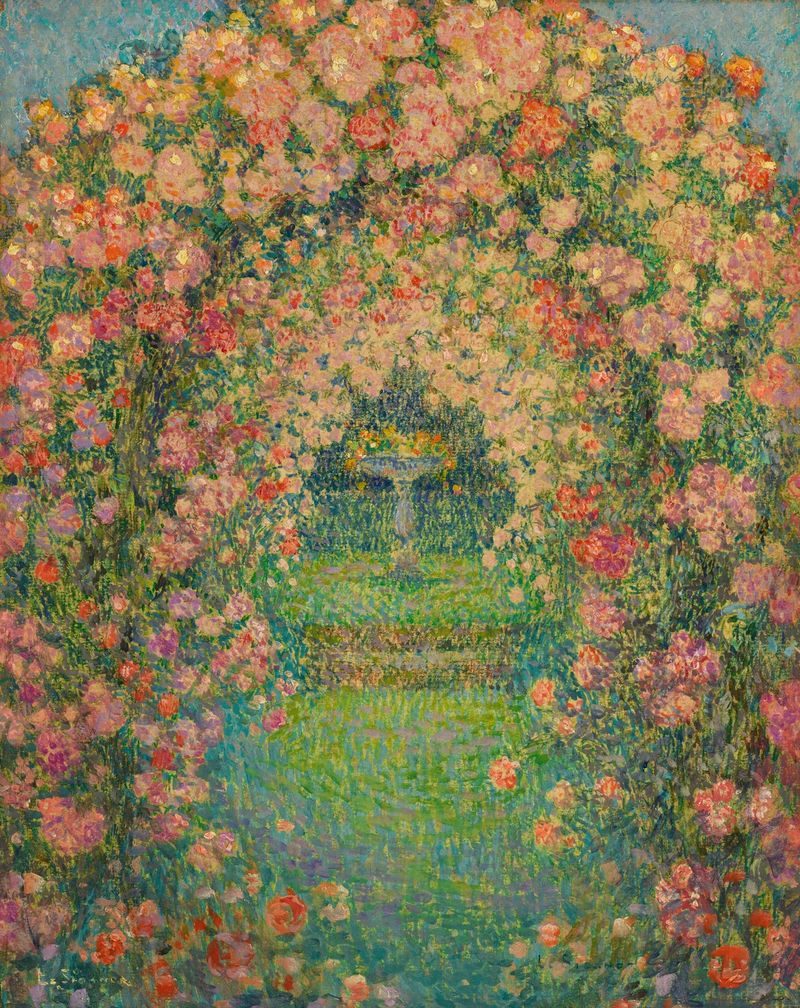
La Roseraie, Gerberoy
Henri Le Sidaner
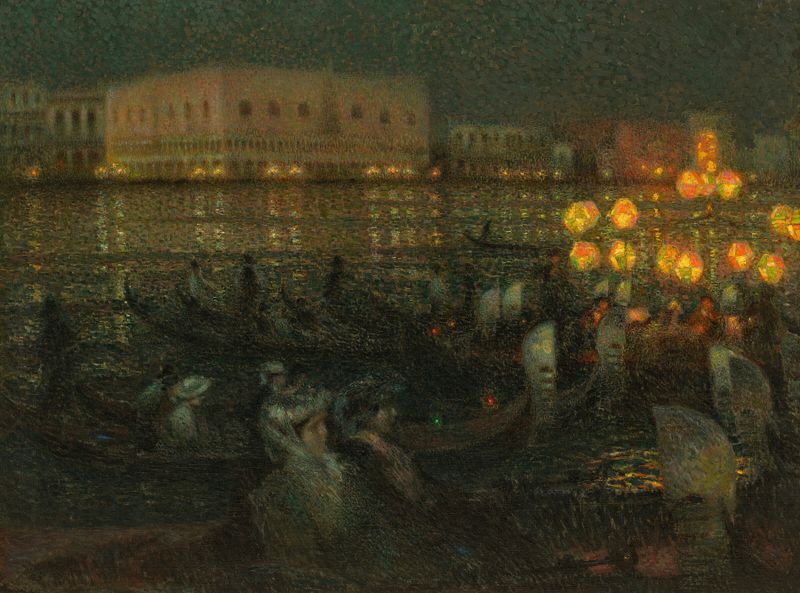
La Sérénade, Venise
Henri Le Sidaner
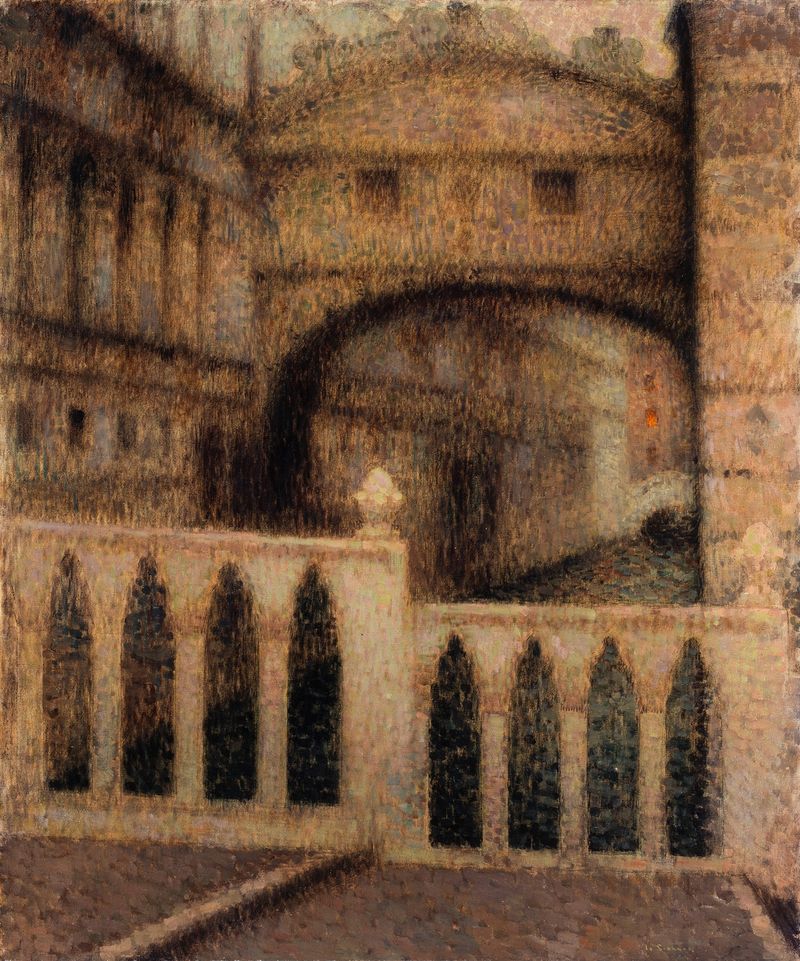
Le pont des Soupirs
Henri Le Sidaner
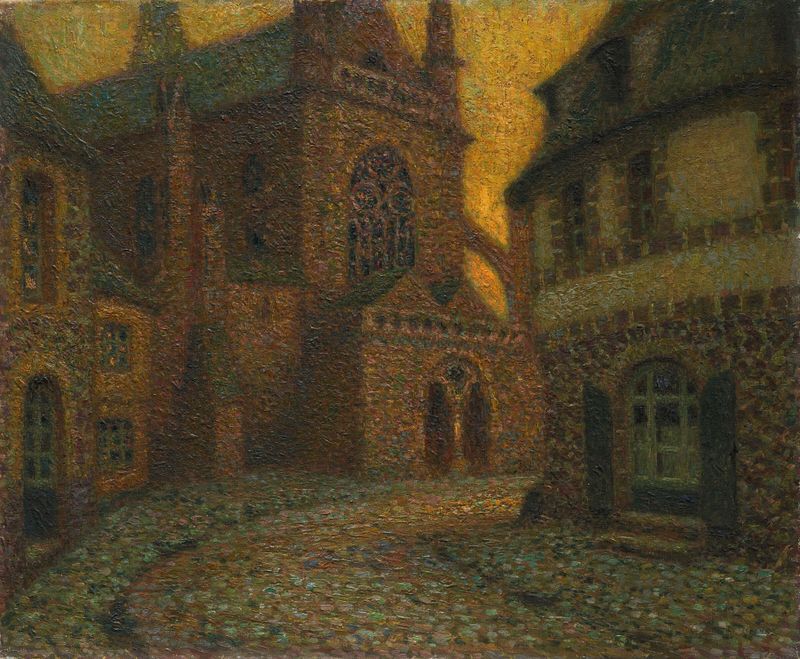
L’Église, Tréguier
Henri Le Sidaner
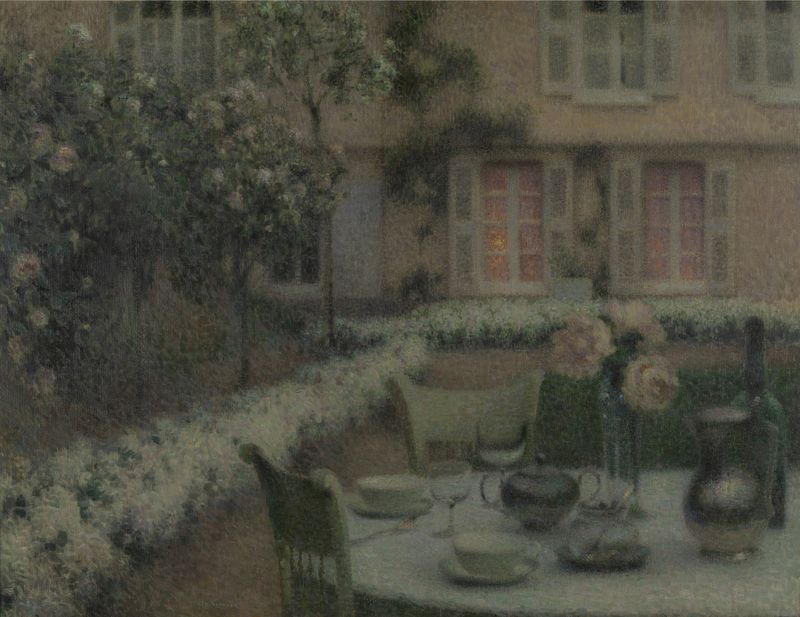
The Table in the White Garden at Gerberoy
Henri Le Sidaner





