
Le Pont au crépuscule, Clisson — History & Facts
In the twilight of existence, where shadows lengthen and colors soften, we confront the inevitability of mortality. How does one capture the fleeting nature of time, the beauty intertwined with loss? Focus on the delicate hues that suffuse the canvas—lavender, rose, and deep azure—blending seamlessly to evoke the ephemeral qualities of dusk. Look to the horizon, where the bridge stands as a silent sentinel, its arches mirroring the gentle curves of the rippling waters below.
The play of light dances on the surface, creating a shimmering path that seemingly invites the viewer to traverse the passage from day to night, from life to the stillness beyond. Yet, beneath this serene exterior lies an emotional tension—an interplay between tranquility and an unspoken farewell. The bridge, both a physical and metaphorical structure, serves as a connection to the past, hinting at journeys ended and new ones yet to begin. The fading light cloaks everything in a sense of nostalgia, reminding us that beauty can be both a comfort and a poignancy, a celebration and a lament for what is ephemeral. In 1911, Henri Le Sidaner created this work during a period of personal reflection, as he grappled with the passage of time and the shifting tides of the art world towards modernism.
Painted in Clisson, a quaint town in France, the essence of his surroundings infused his compositions with a meditative quality, capturing fleeting moments that resonate powerfully with the viewer, engaging them in a dialogue about the fragility of life.
More Artworks by Henri Le Sidaner
Browse all →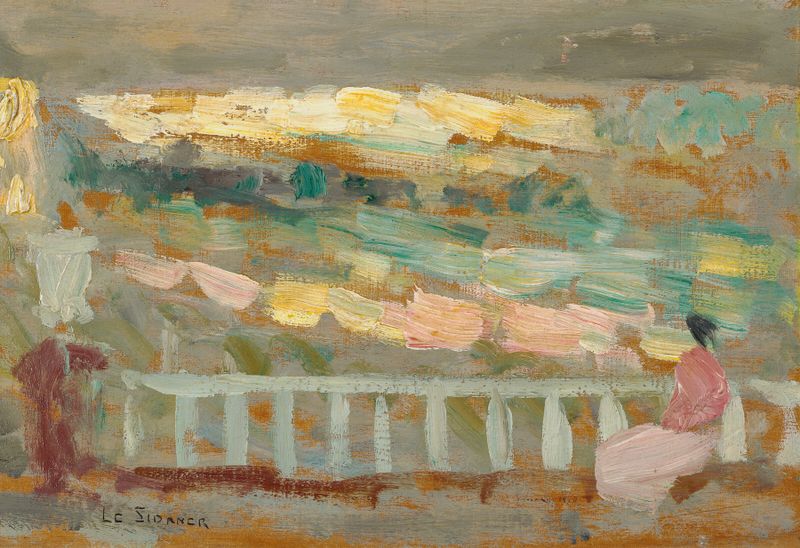
Terrasse à Gerberoy
Henri Le Sidaner
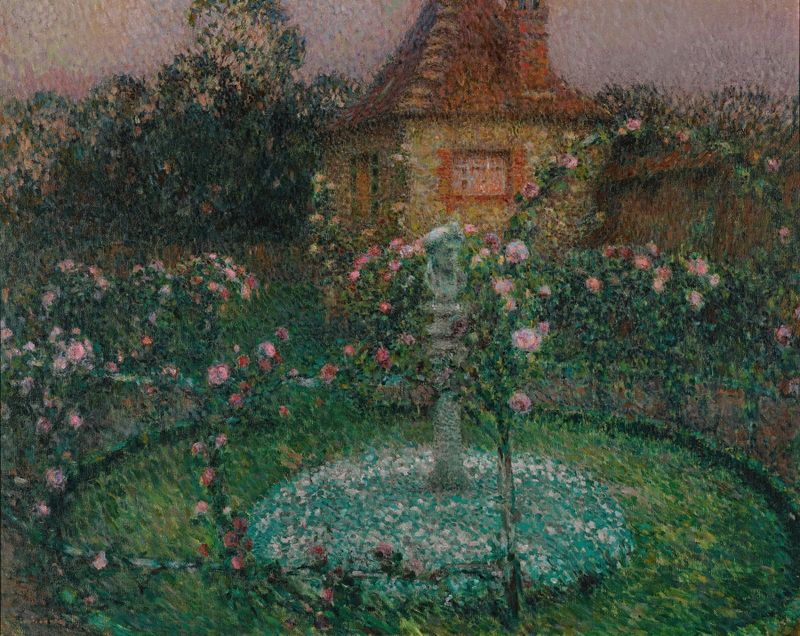
Le Pavillon, Gerberoy
Henri Le Sidaner
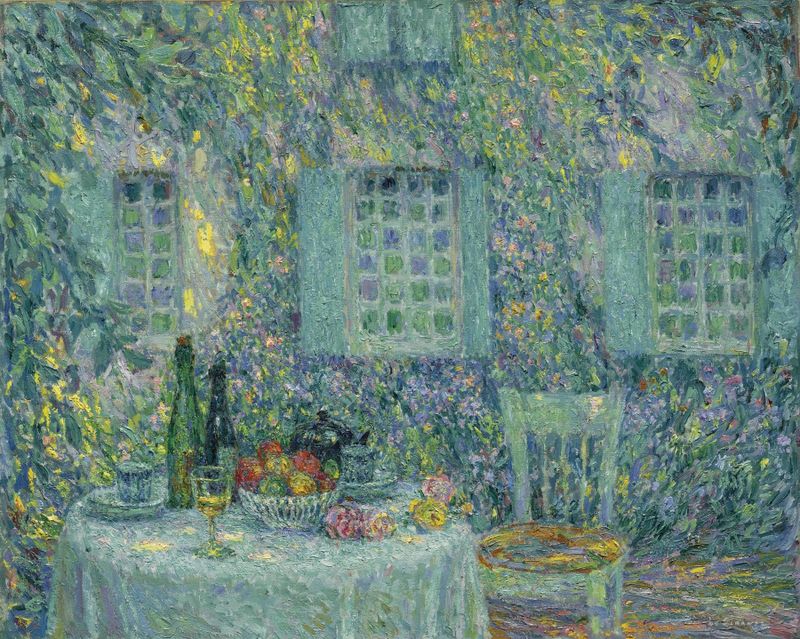
La Table, soleil dans les feuilles, Gerberoy
Henri Le Sidaner
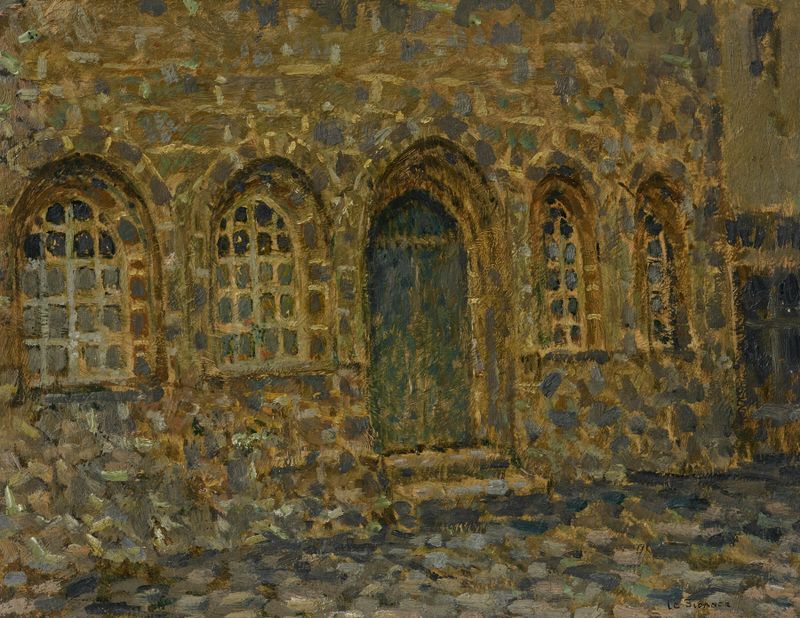
Maison ancienne, Tréguier
Henri Le Sidaner
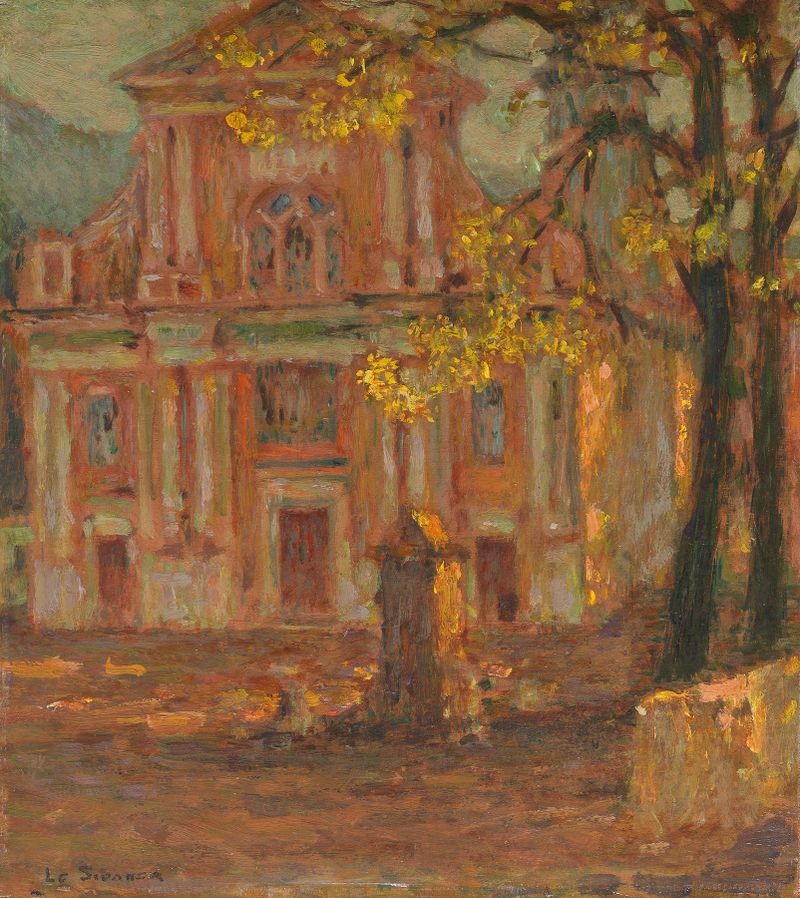
L’église, Dolceacqua
Henri Le Sidaner
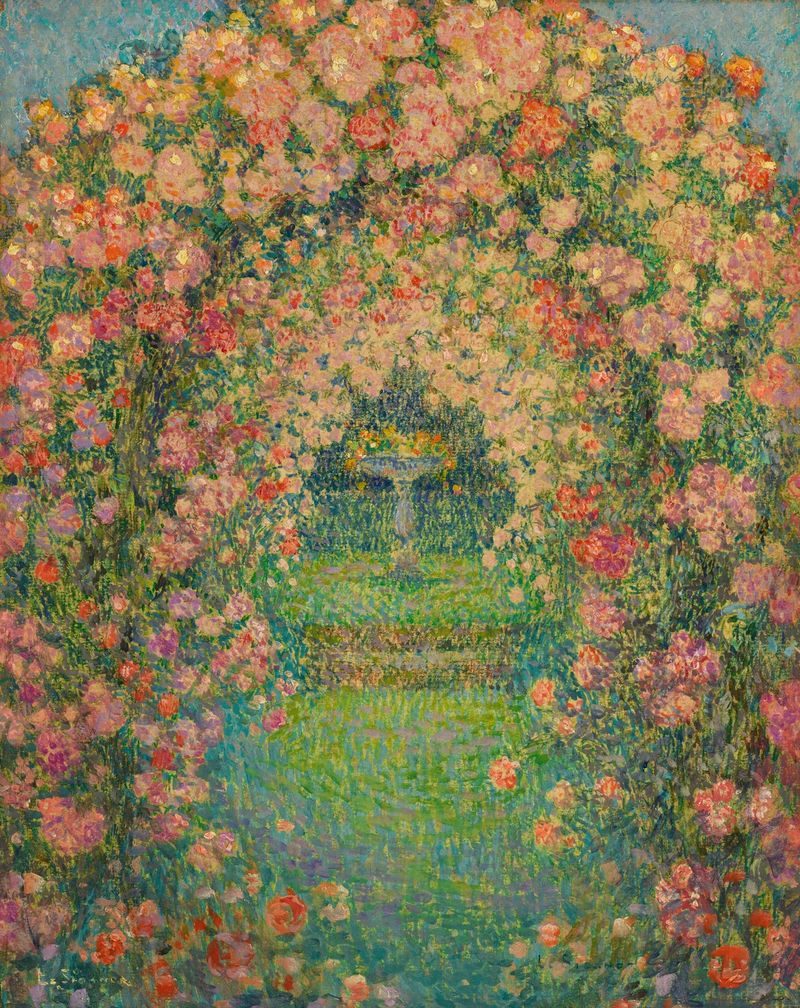
La Roseraie, Gerberoy
Henri Le Sidaner
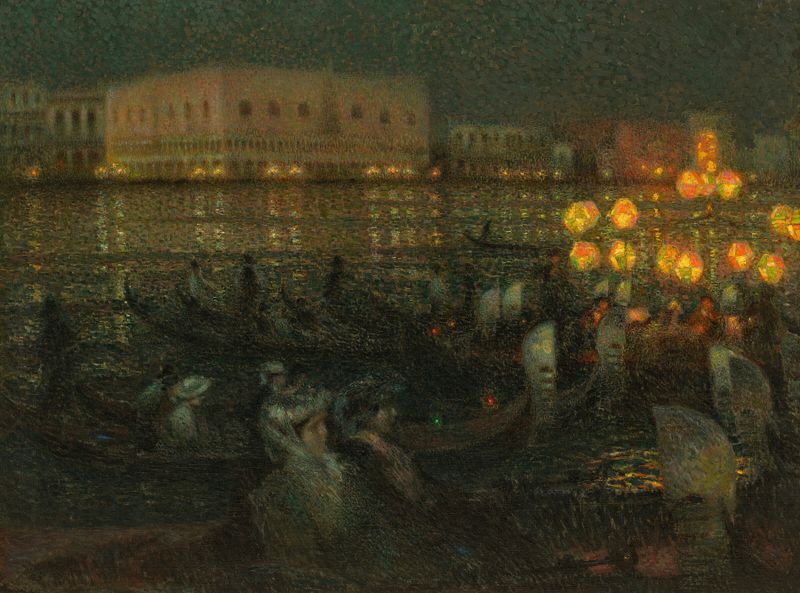
La Sérénade, Venise
Henri Le Sidaner
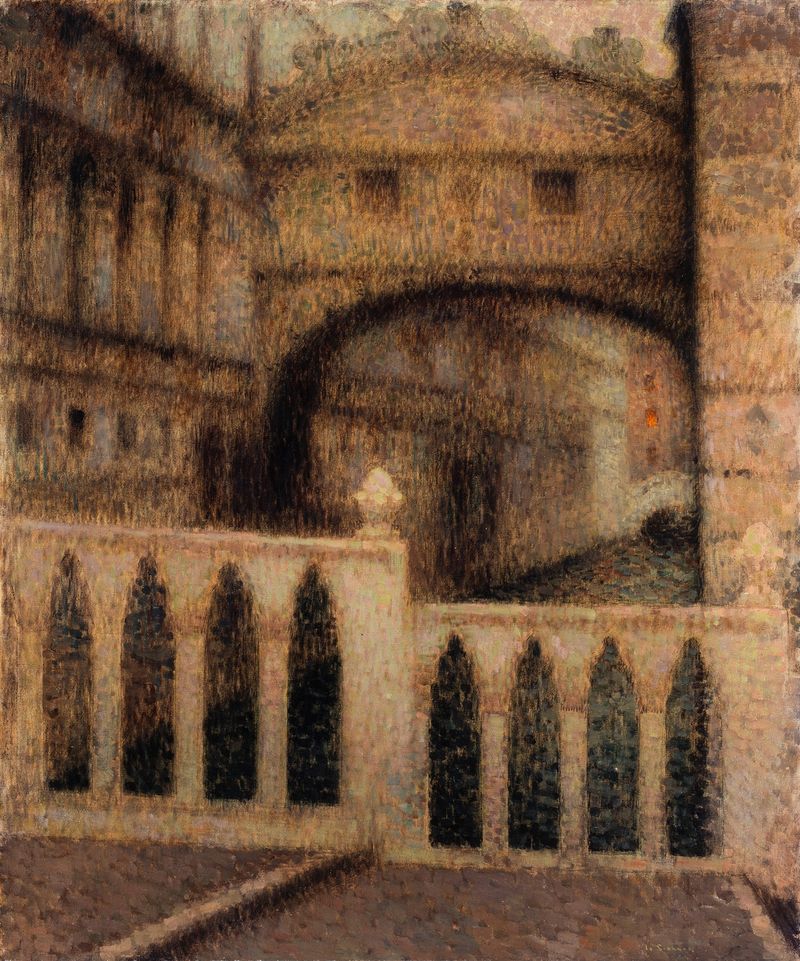
Le pont des Soupirs
Henri Le Sidaner
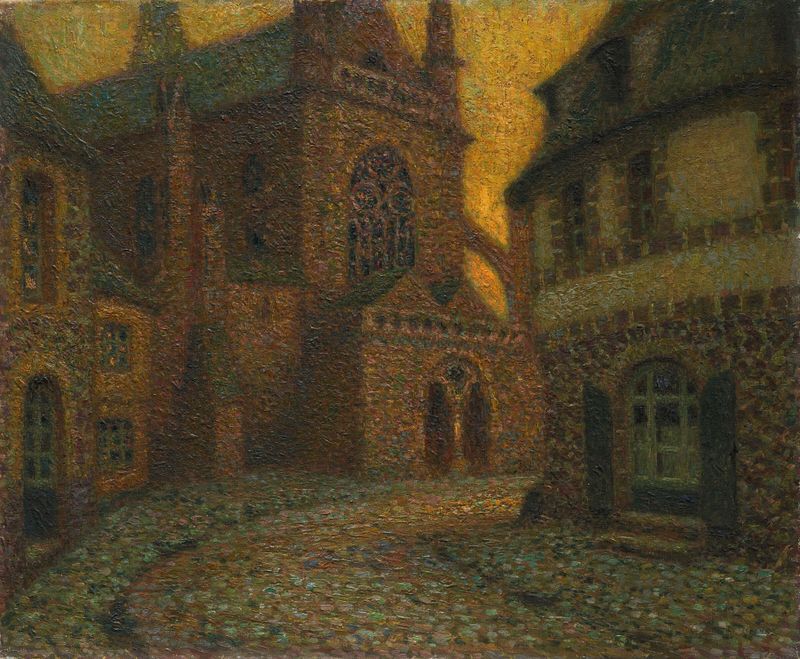
L’Église, Tréguier
Henri Le Sidaner
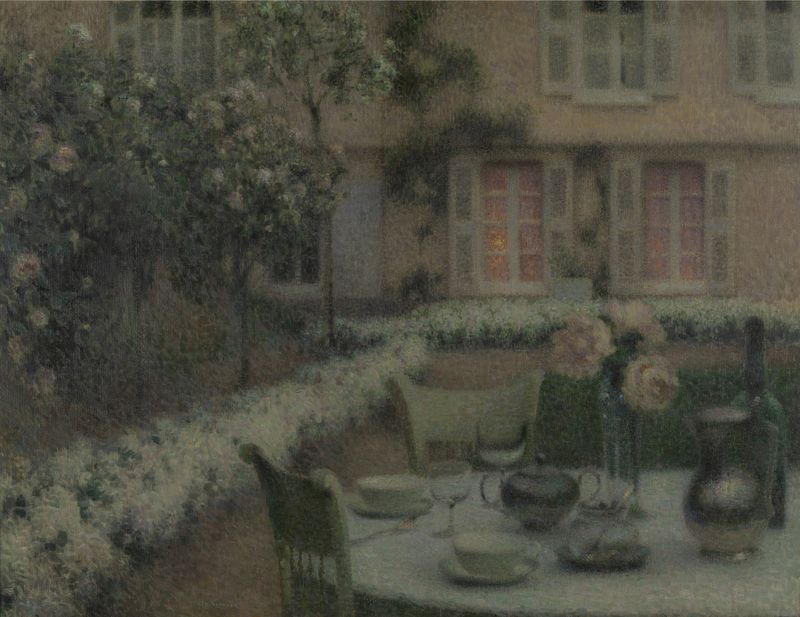
The Table in the White Garden at Gerberoy
Henri Le Sidaner





