Le Quai Des Grands Augustins — History & Facts
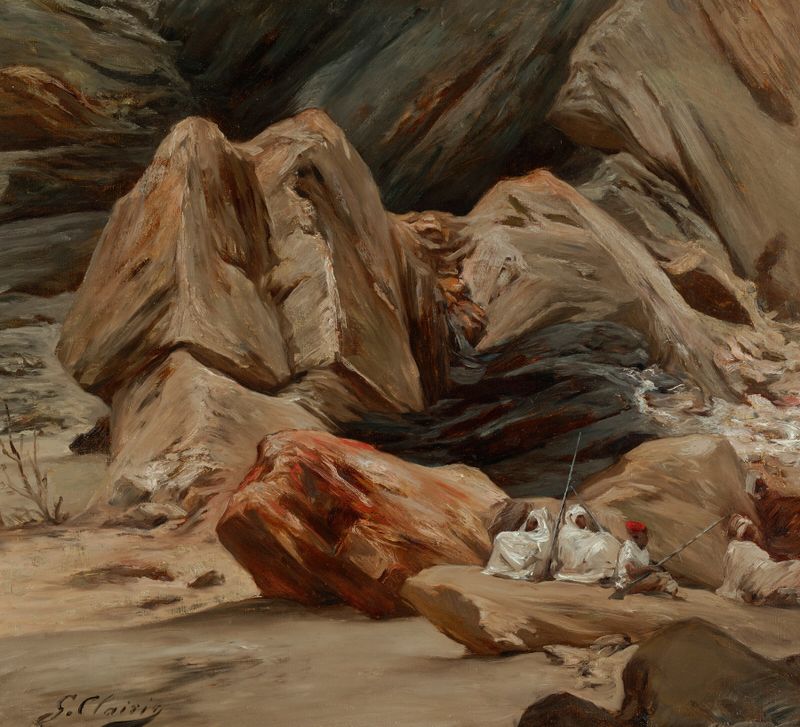
In the quiet solitude of one’s mind, the weight of loneliness lingers like a shadow, a persistent echo that begs for expression. Look to the left where the tranquil waters of the Seine ripple softly, reflecting the muted colors of the evening sky. The near silhouette of the buildings along the quay evokes a sense of stillness, while the dusky palette of blues and greys envelops the scene in a blanket of melancholy. Notice the solitary figure in the foreground; their posture is slightly hunched, a visual embodiment of introspection, as if lost in thought, disconnected from the vibrancy of the world surrounding them. The juxtaposition of the bustling cityscape and the stillness of the lone figure creates a poignant tension.
Each brushstroke speaks to the duality of existence—where the clamor of life thrives just beyond the frame, yet a profound isolation resides within. The subtle play of light and shadow enhances this emotional complexity, suggesting that while the world moves forward, moments of solitude often steal away the heart’s vibrancy. Created in 1901, this piece reflects Clairin’s exploration of urban life and the human condition during a time of significant social change in Paris. As an artist, he was immersed in a world of burgeoning Impressionism, yet he sought to capture the deeper, often overlooked emotions within daily existence.
This painting emerges as a bridge between these movements, echoing both the vibrancy of the city and the quiet introspection of its inhabitants.