Le Raccard (The Grain Holder) — History & Facts
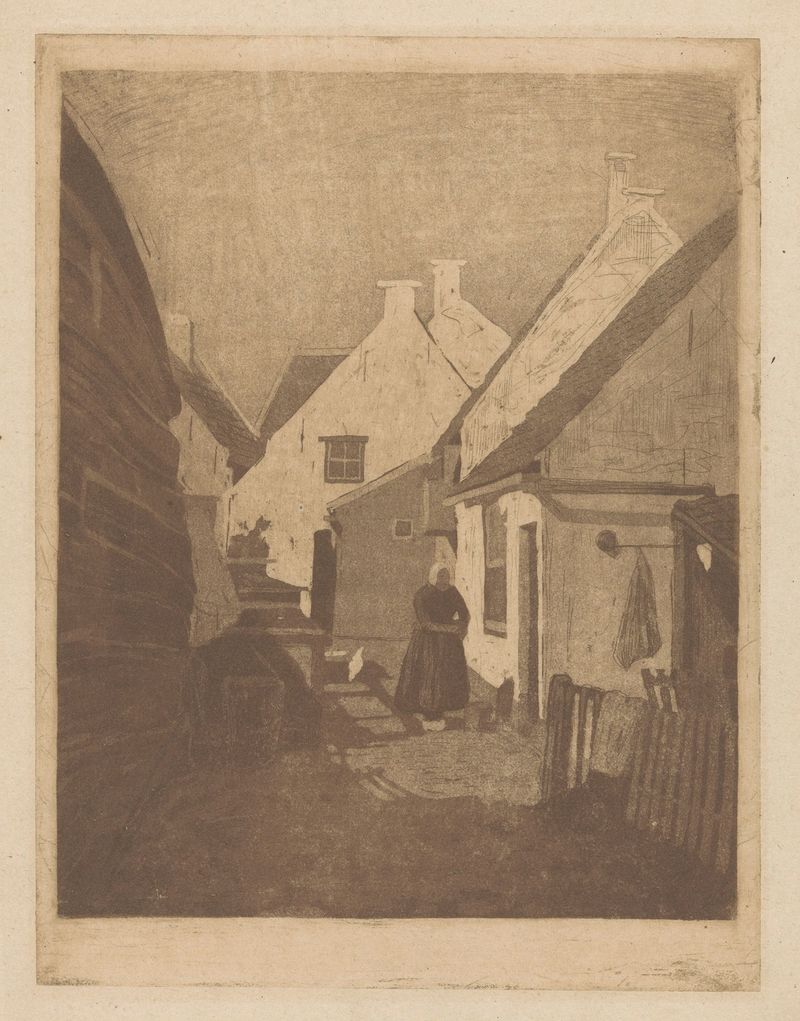
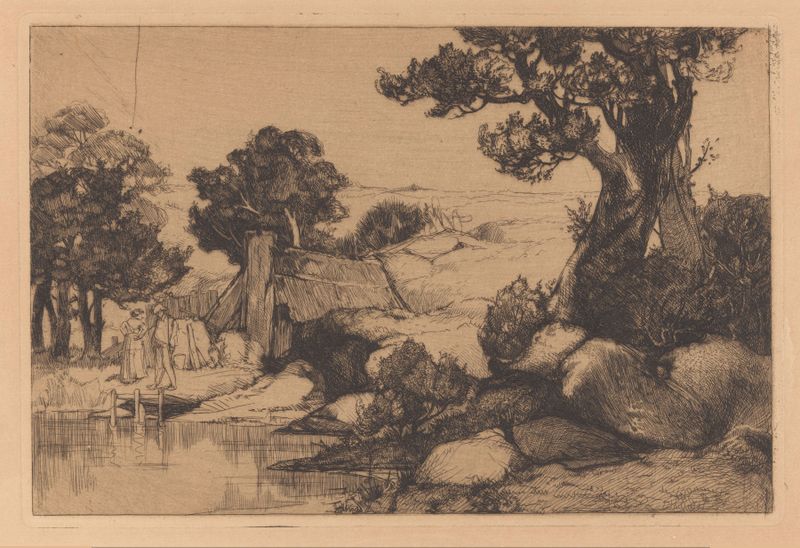
In Le Raccard, the essence of movement is subtly captured, inviting the viewer to ponder the stillness that belies the life of rural existence. Look to the left at the small wooden structure, the grain holder, standing resolutely against a backdrop of soft earth tones. Notice how the warm ochres and muted greens blend harmoniously, creating a comforting palette that speaks of harvest and sustenance. The brushstrokes are gentle yet deliberate, allowing the viewer to feel the texture of the wood and the surrounding landscape, a testament to the artist’s mastery of light and shadow.
This interplay enhances the scene's serene atmosphere while also hinting at the relentless passage of time. Delve deeper into the subtle contrasts within the painting: the solidity of the grain holder against the ephemeral nature of the vibrant grass swaying in the wind. The juxtaposition of the sturdy structure and the delicate movement of the flora evokes a sense of resilience amidst change. This tension reflects the cycles of life often experienced in rural communities, where the landscape breathes alongside the people who depend on it.
The quietude of the scene suggests not just physical stillness but also an emotional depth, raising questions about the relationship between labor and nature. Johannes Josephus Aarts painted Le Raccard in 1895, during a period of transformation in the art world as Impressionism continued to reshape perceptions of rural life. Living in the Netherlands, he sought to depict the authenticity of the countryside, capturing everyday moments with a profound sense of stillness. This work speaks to his dedication to portraying the harmony between human existence and the natural landscape during a time when such themes resonated deeply in the hearts of many.