Le Village De Buere Près De Besançon — History & Facts
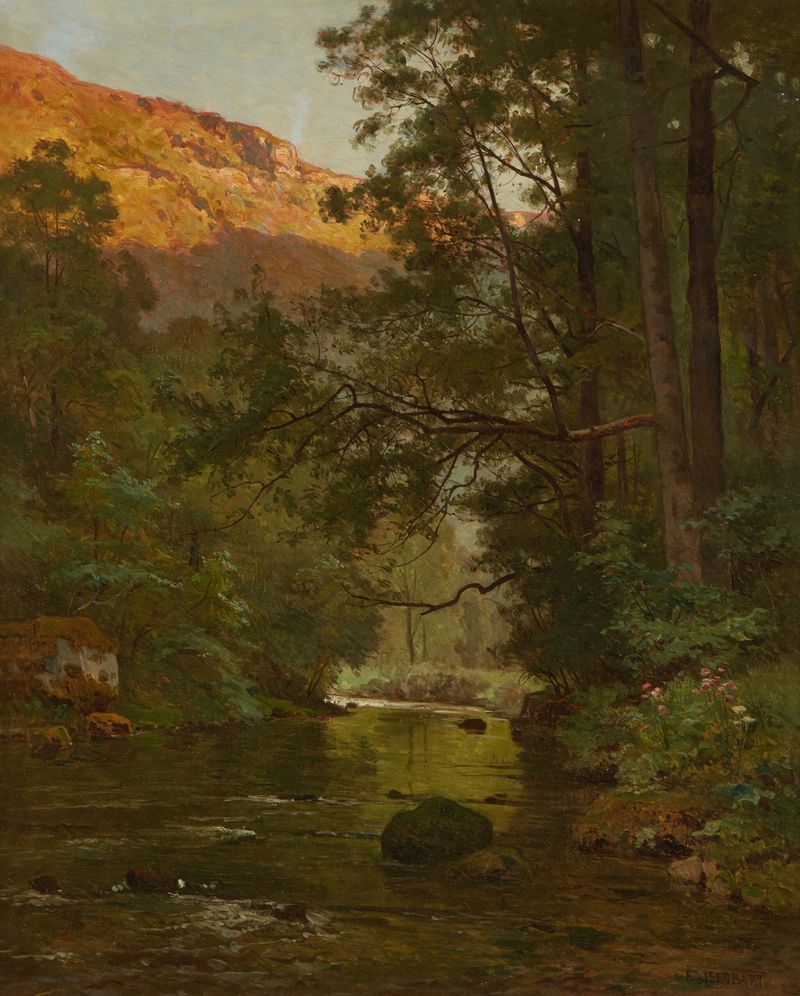
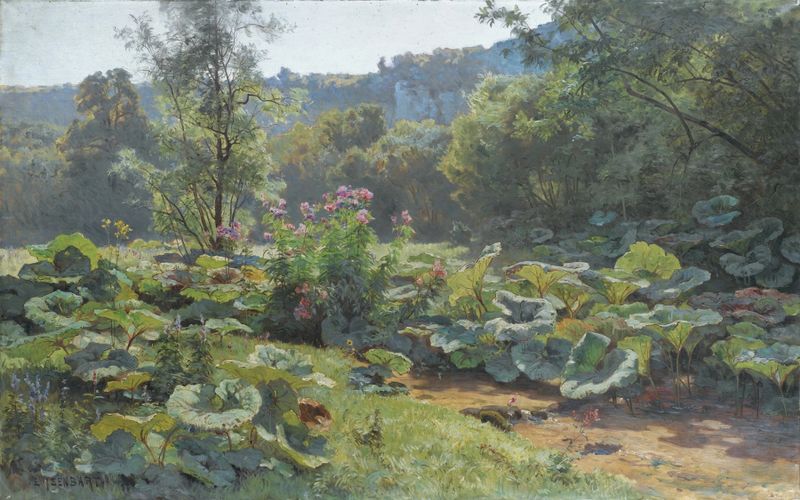
In that stillness, life gently breathes, whispering stories to those who dare to listen. What revelations lie beneath the layers of paint, waiting for an awakening? Look to the horizon where the village rests; the gentle undulation of rooftops draws the eye toward the heart of the scene. Notice how the earthy palette of ochres and greens grounds the viewer, bringing a sense of warmth and familiarity.
The brushstrokes are deft yet deliberate, creating a rhythm that flows across the canvas, guiding you from the foreground's verdant fields to the distant silhouettes of trees and hills, each layer speaking of time passing and life enduring. Yet amidst this serene tableau, there lies a tension between nature and human endeavor. The homes, though inviting, seem almost to shiver under the weight of the landscape, suggesting a fragile cohabitation with the wild. The contrast between the vibrant foliage and the muted village colors evokes a sense of longing — a connection to something deeper than mere existence.
It's a reminder of the cycles of life, of how humanity is cradled by nature, both nourished and constrained. Marie-Victor-Emile Isenbart created this work during a period marked by a surge in regionalism in France, where artists sought to capture the essence of local life. Although the exact date remains unknown, the piece reflects a time when Isenbart was influenced by the natural world surrounding Besançon, along with a growing appreciation for rural subjects in the art community. In this context, the painting becomes not just a depiction of a village, but also a meditation on belonging and the human experience within a broader tapestry of existence.