Les Tussilages, Doubs — History & Facts
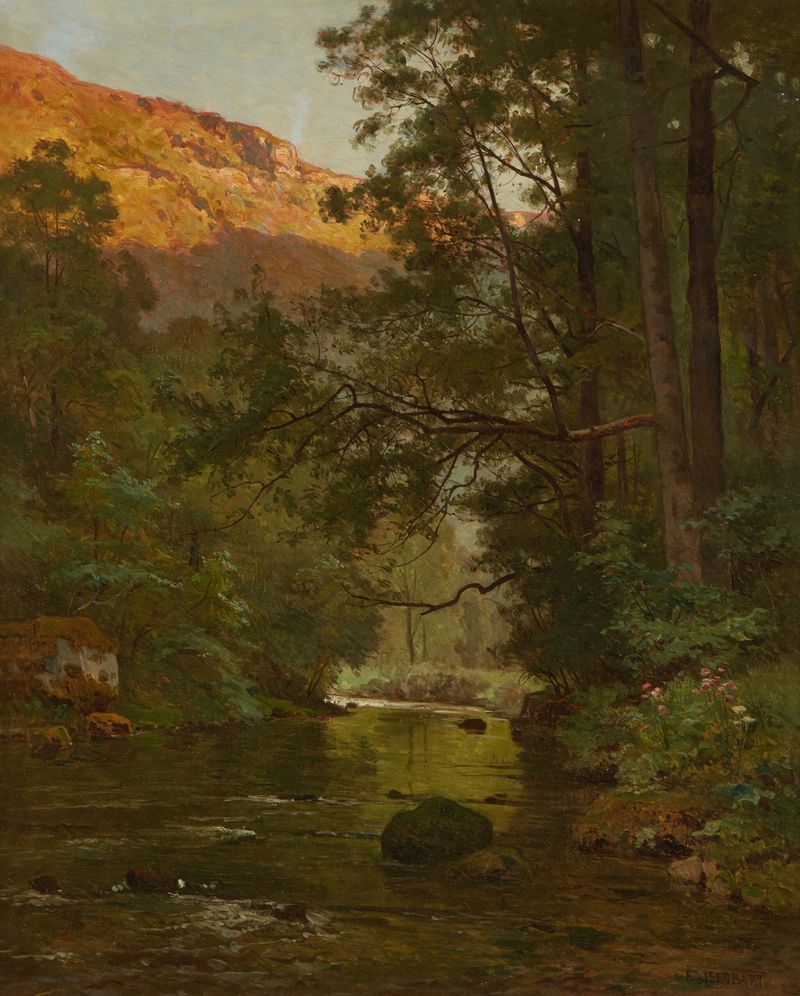
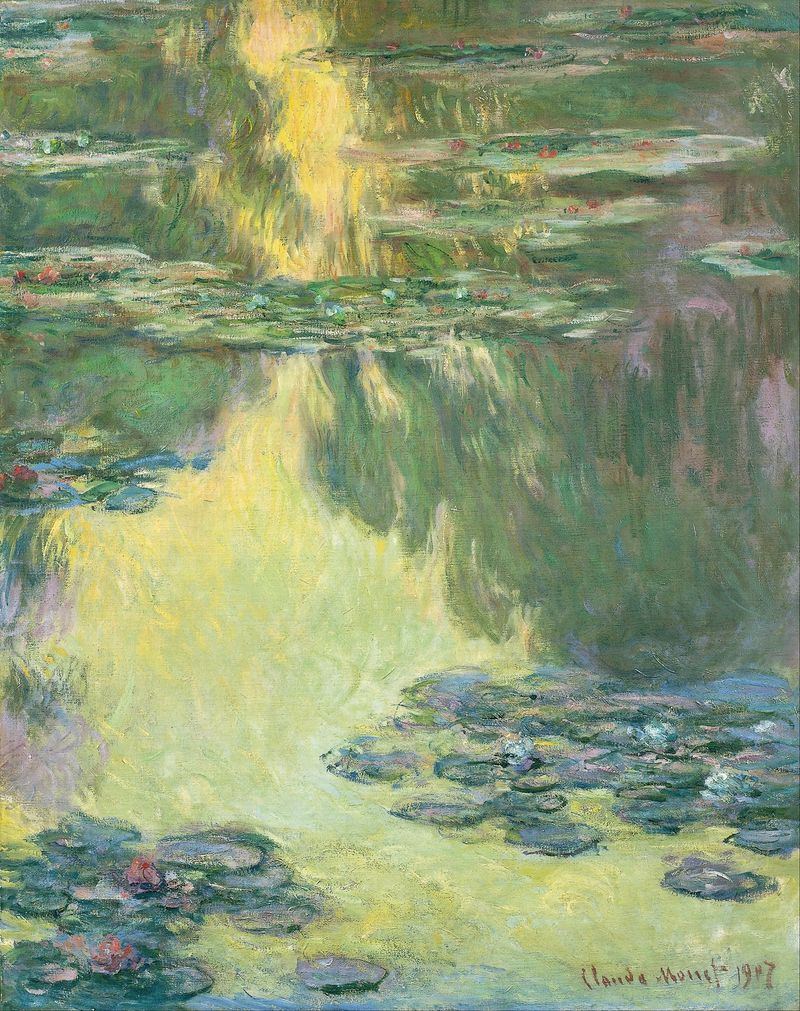
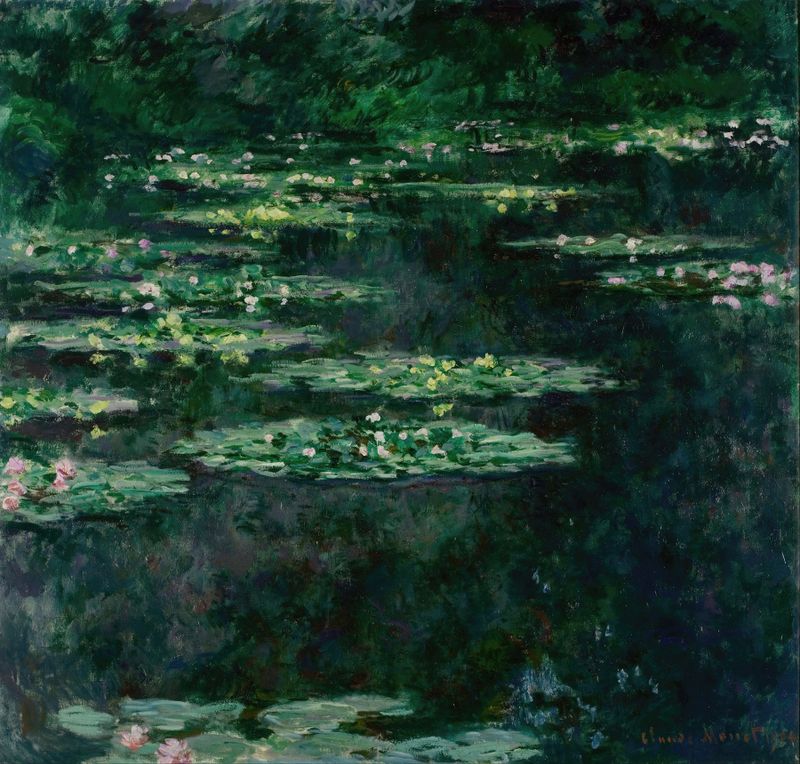
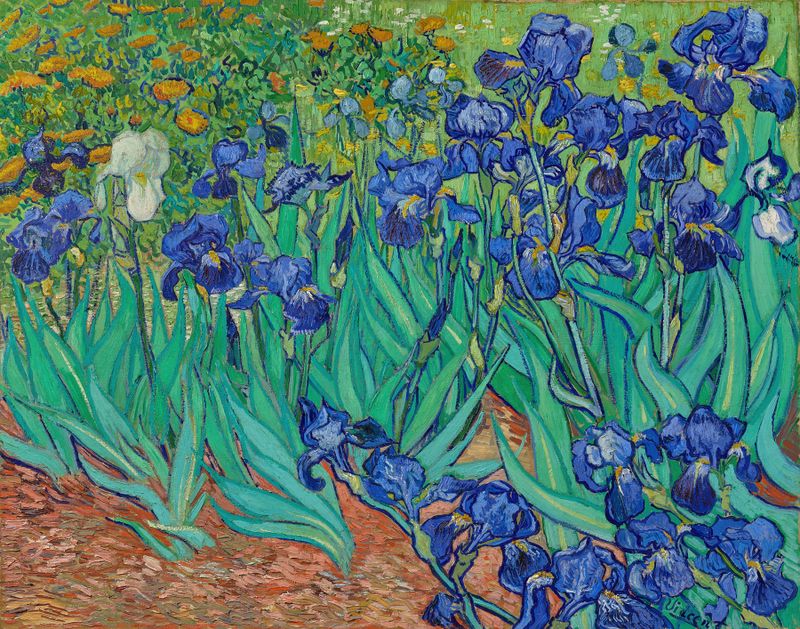
In a world brimming with distractions, the profound yearning for connection and beauty often finds its voice in the silent language of art. As you gaze at the canvas, let your eyes be drawn first to the vibrant hues of yellow and green, swirling together in a delicate dance. The flowers, depicted with meticulous detail, seem to reach outwards, embodying a longing that pulsates through the composition. Notice how the soft brushwork invites you into the serene landscape, creating a sense of intimacy that feels almost tangible.
The play of light and shadow across the petals breathes life into the scene, enhancing the emotional resonance of desire. Delve deeper, and you’ll uncover the layers beneath the surface. Each flower, poised yet ephemeral, symbolizes fleeting moments of aspiration and hope, while the gentle background suggests an unyielding yearning for growth amidst stillness. The contrast between the rich, vivid colors and the subtle earth tones reflects the tension between desire and reality, an eternal struggle that transcends the canvas.
The work invites introspection, encouraging you to reflect on your own aspirations and the beauty found in the pursuit of them. Created during an uncertain period in the artist's life, this piece emerged amidst the evolving landscape of 19th-century art, where the influence of Romanticism and a shift towards Nature’s allure were palpable. Working in France, Isenbart sought to capture the essence of fleeting beauty, reflecting a personal journey alongside broader artistic movements. The artwork stands as a testament to his dedication to portraying the profound emotional depths that arise from the simplest of subjects.