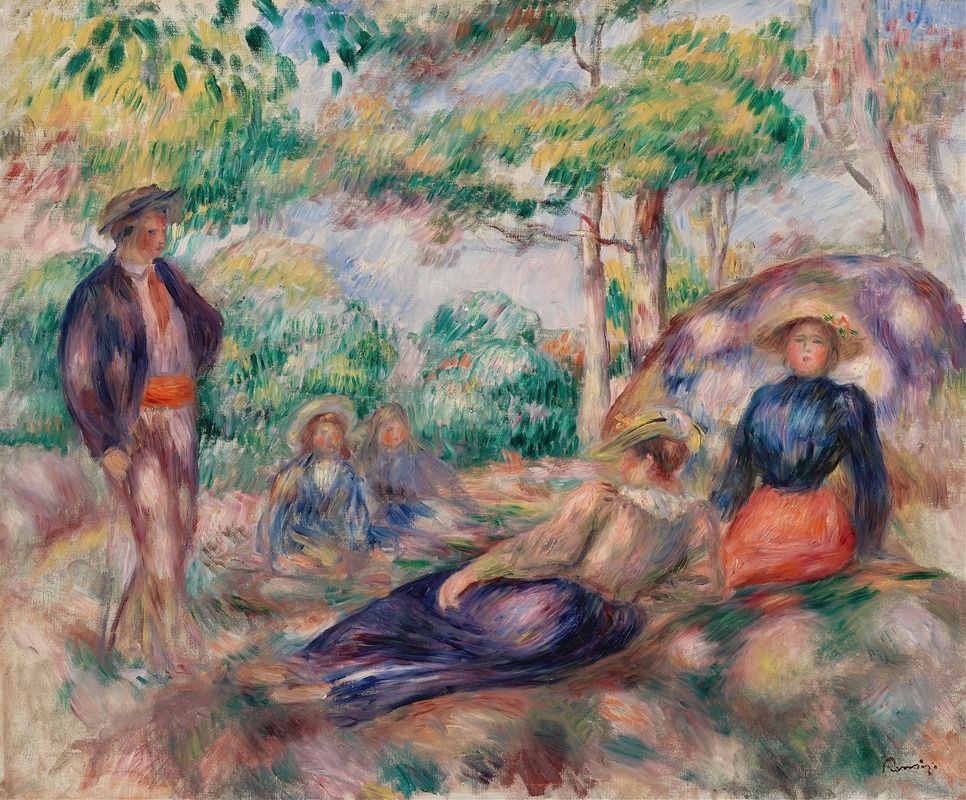
Discover insights about this artwork
Le Village — History & Facts
In Le Village, vibrant colors dominate the scene, showcasing a rural setting filled with lush greenery and quaint houses. The figures, depicted in traditional attire, engage in daily activities, adding life to the composition. Gauguin's use of bold brushstrokes enhances the emotional impact of the work.
The overall atmosphere is one of harmony and simplicity, inviting viewers into the village life. The painting is executed in oil on canvas, a medium that allows for rich color layering and texture. Gauguin employs a Post-Impressionist style, characterized by vivid colors and expressive forms. The dimensions are approximately 60 x 80 cm, making it a medium-sized work that draws attention without overwhelming the viewer.
The composition is balanced, with figures and landscape elements harmoniously integrated. Paul Gauguin, a leading figure in the Post-Impressionist movement, created Le Village during his time in Brittany, France. This period was crucial for Gauguin as he sought to express the essence of rural life and culture. An interesting fact about this work is that it reflects Gauguin's desire to escape the industrialized world and return to a simpler, more authentic existence.
This painting exemplifies his innovative approach to color and form, setting the stage for modern art.
More Artworks by Paul Gauguin
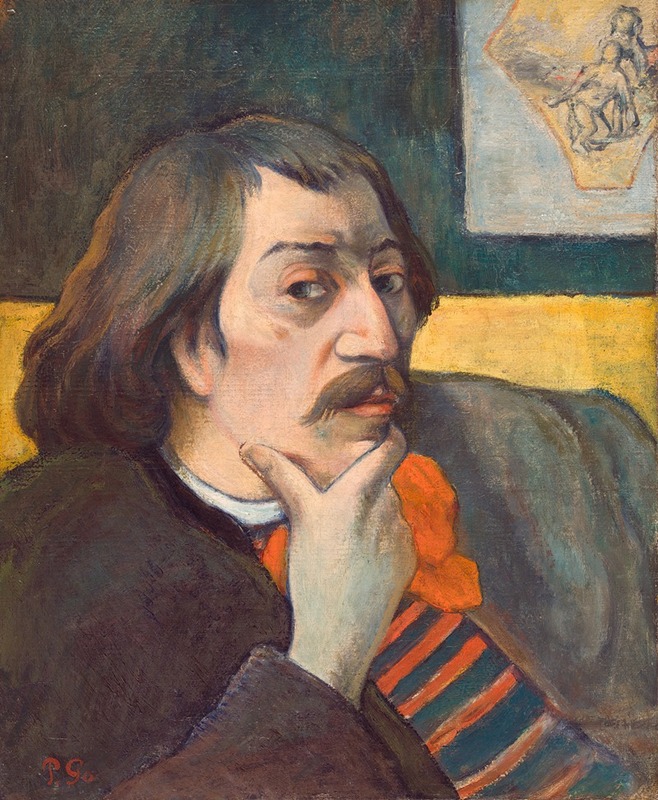
Self Portrait
Paul Gauguin
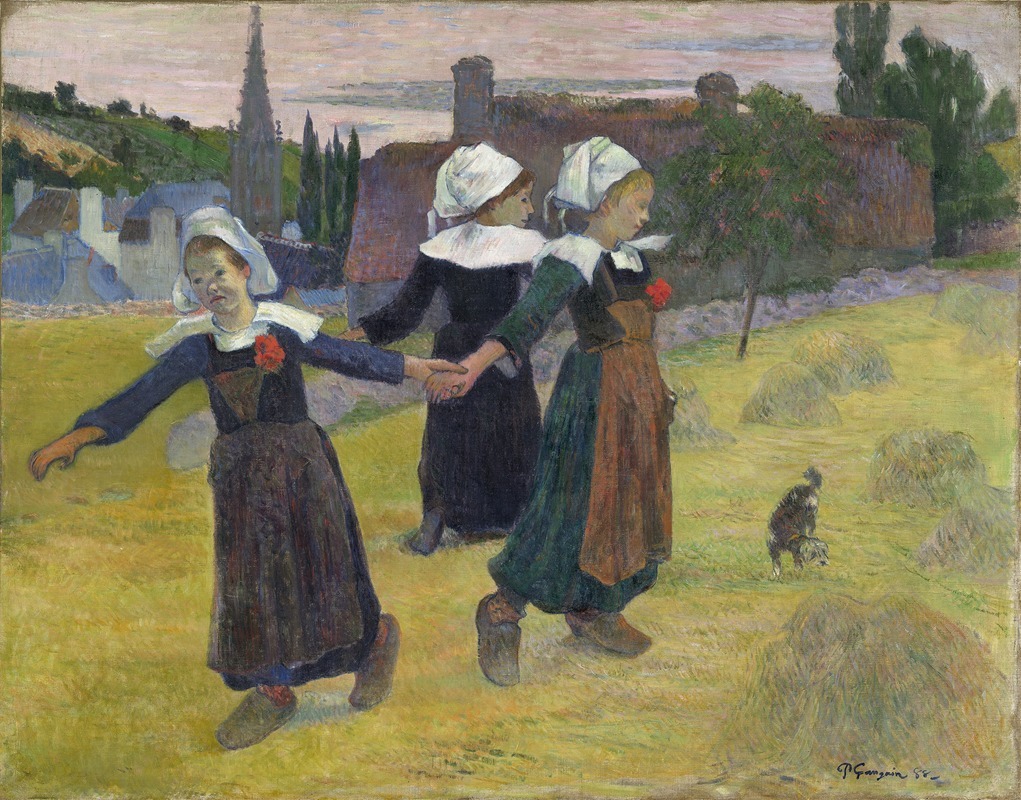
Breton Girls Dancing,Pont-Aven
Paul Gauguin
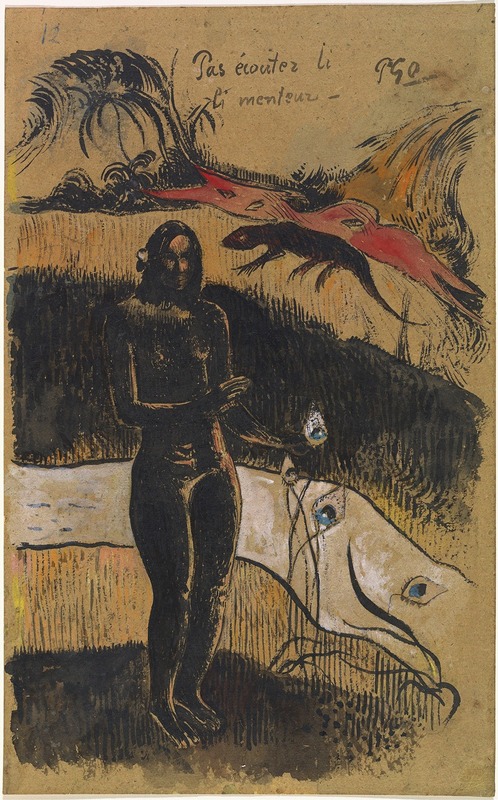
Nave Nave Fenua
Paul Gauguin
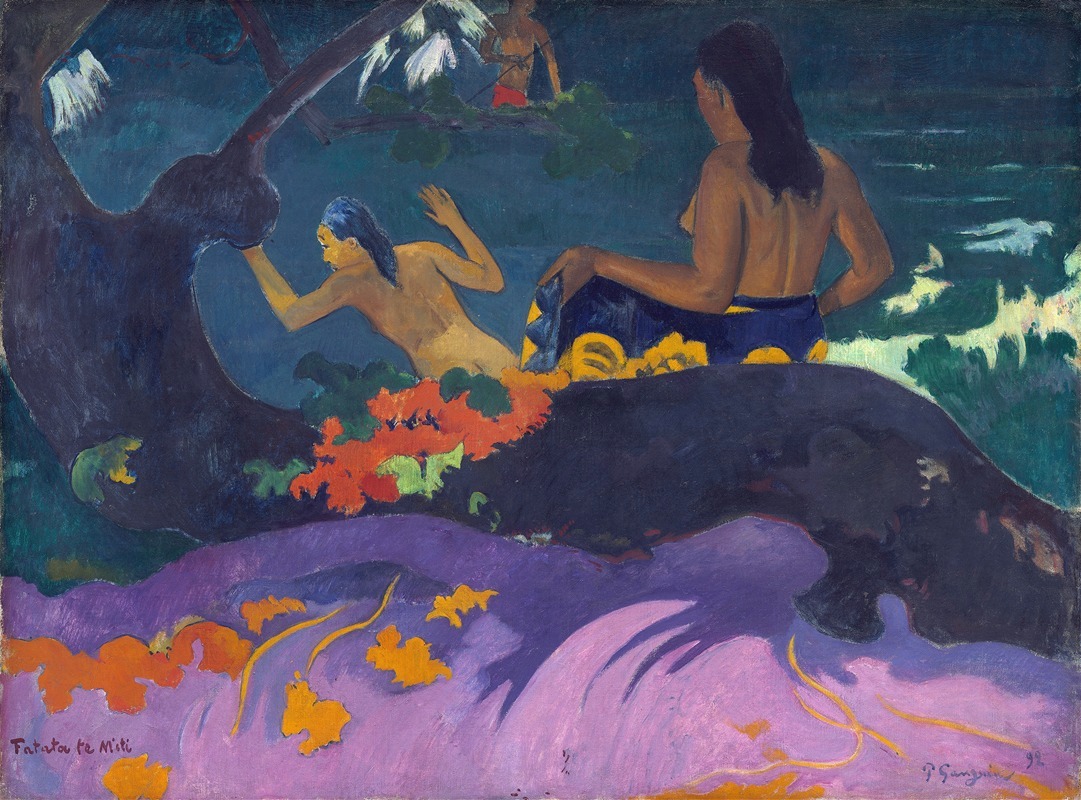
Fatata te Miti (By the Sea)
Paul Gauguin
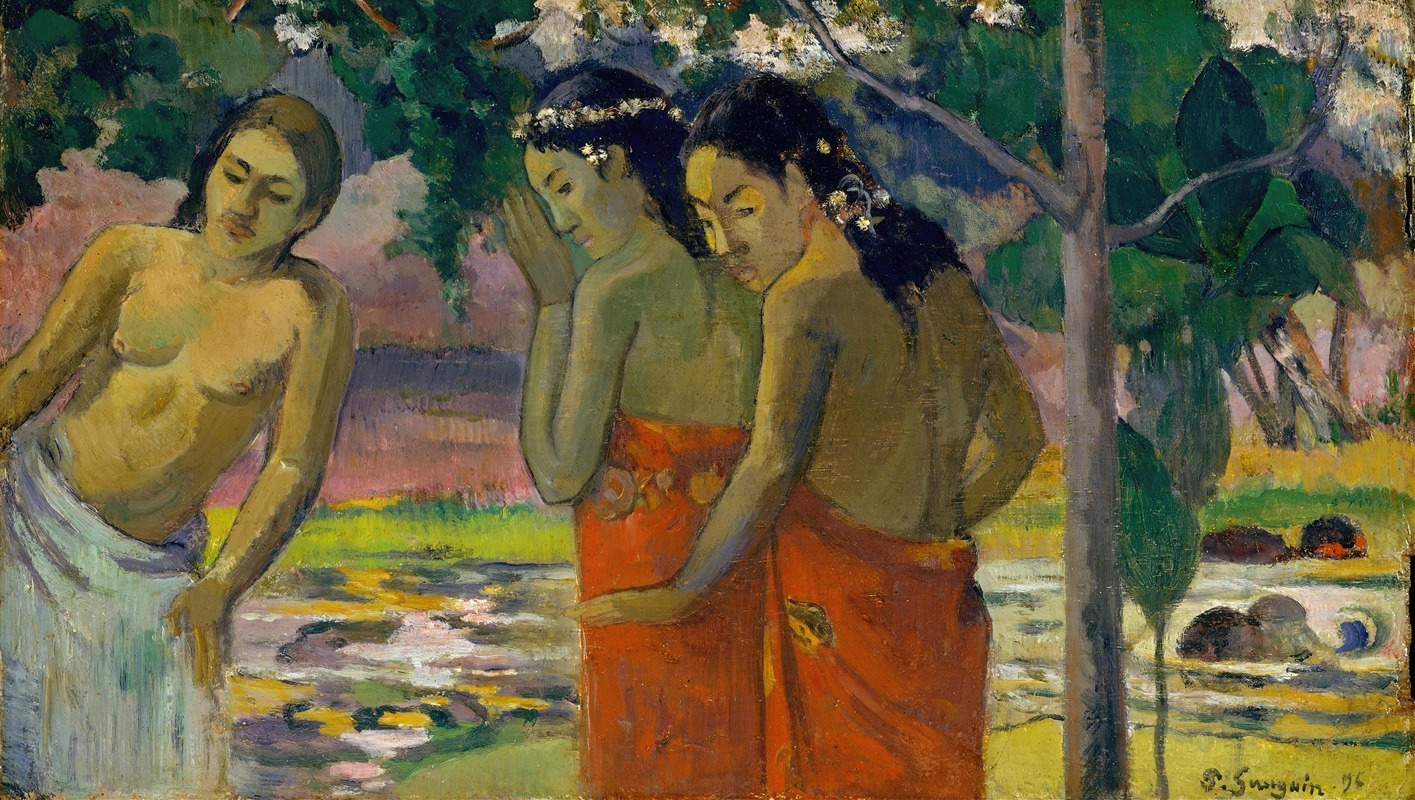
Three Tahitian Women
Paul Gauguin
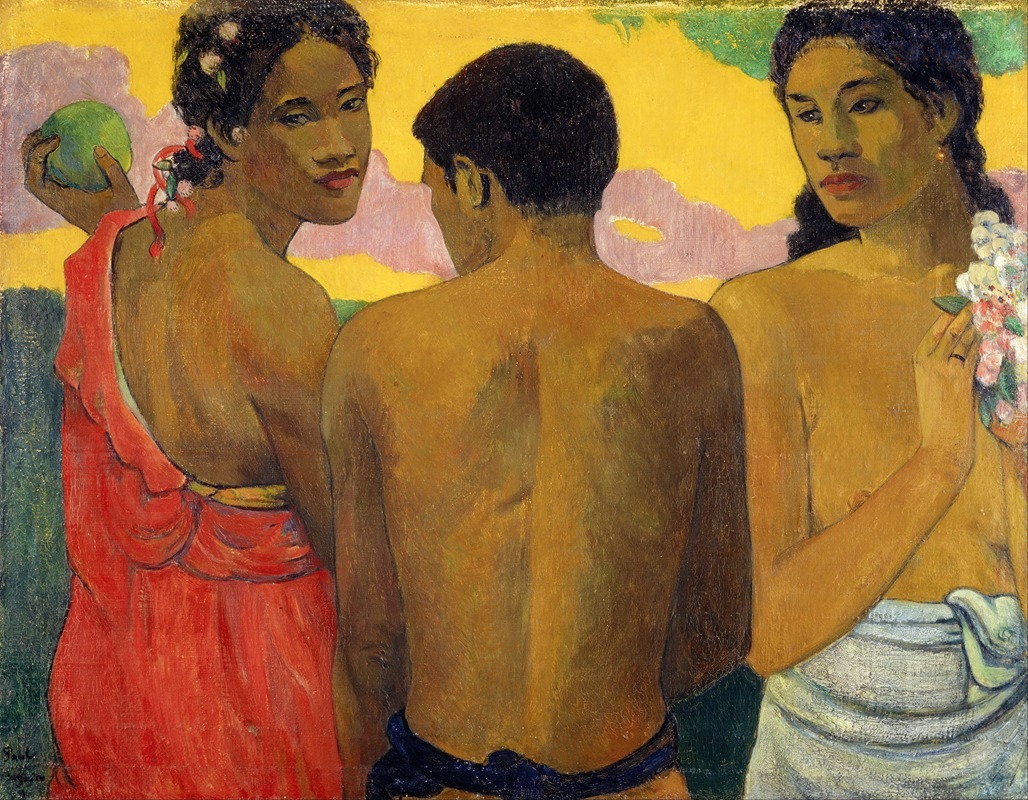
Three Tahitians
Paul Gauguin
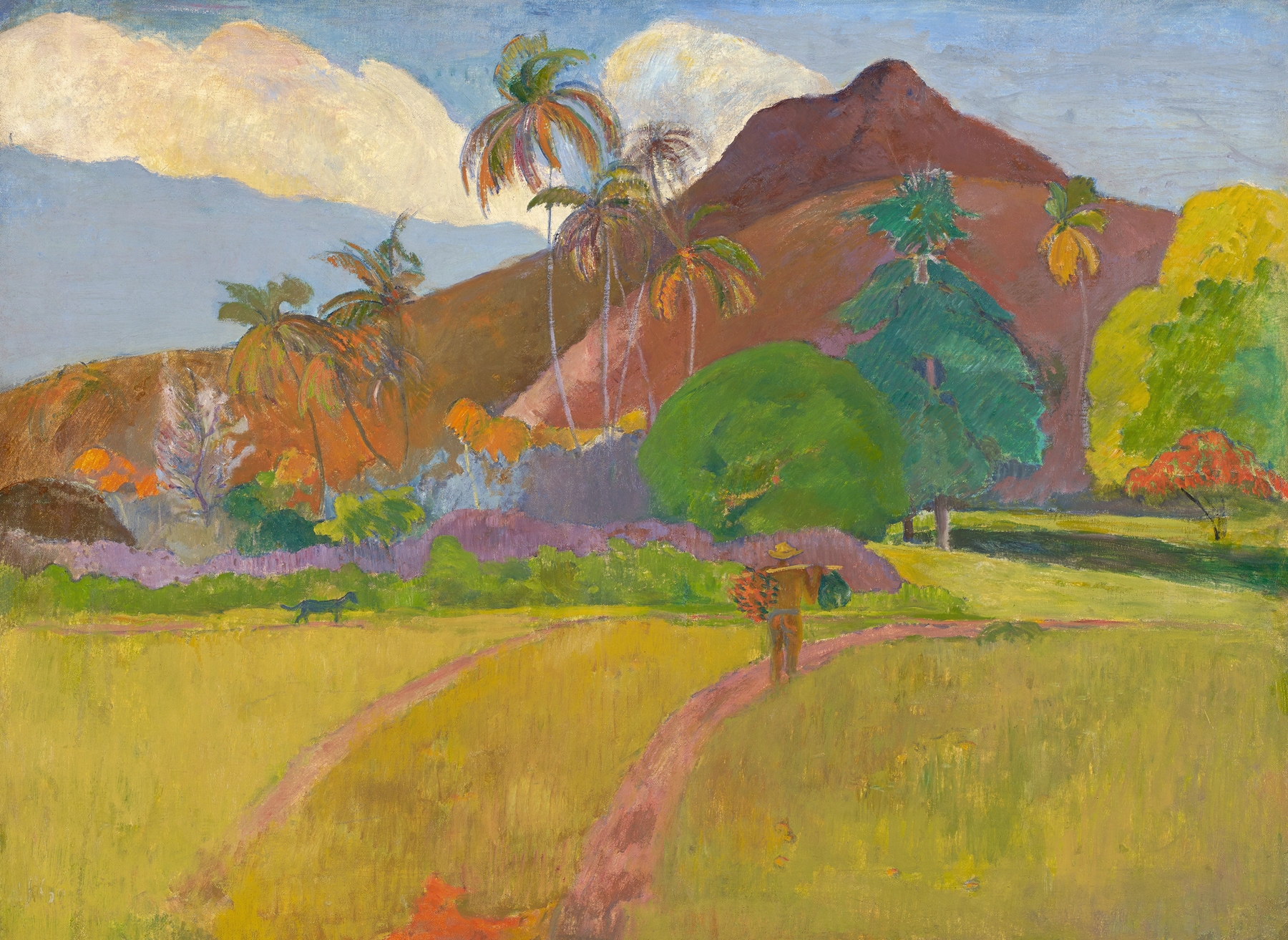
Tahitian Landscape
Paul Gauguin
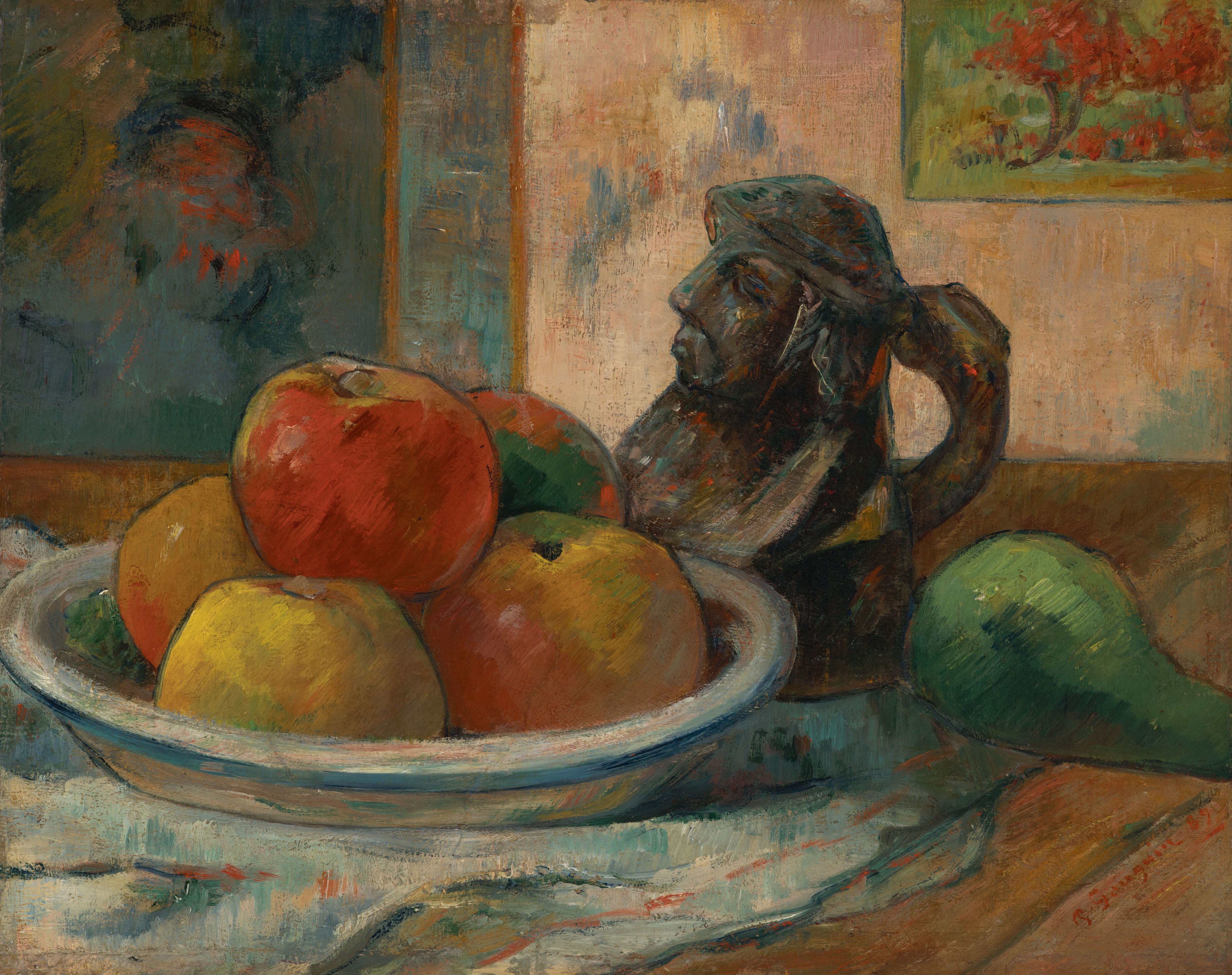
Still Life with Apples, a Pear, and a Ceramic Portrait Jug
Paul Gauguin
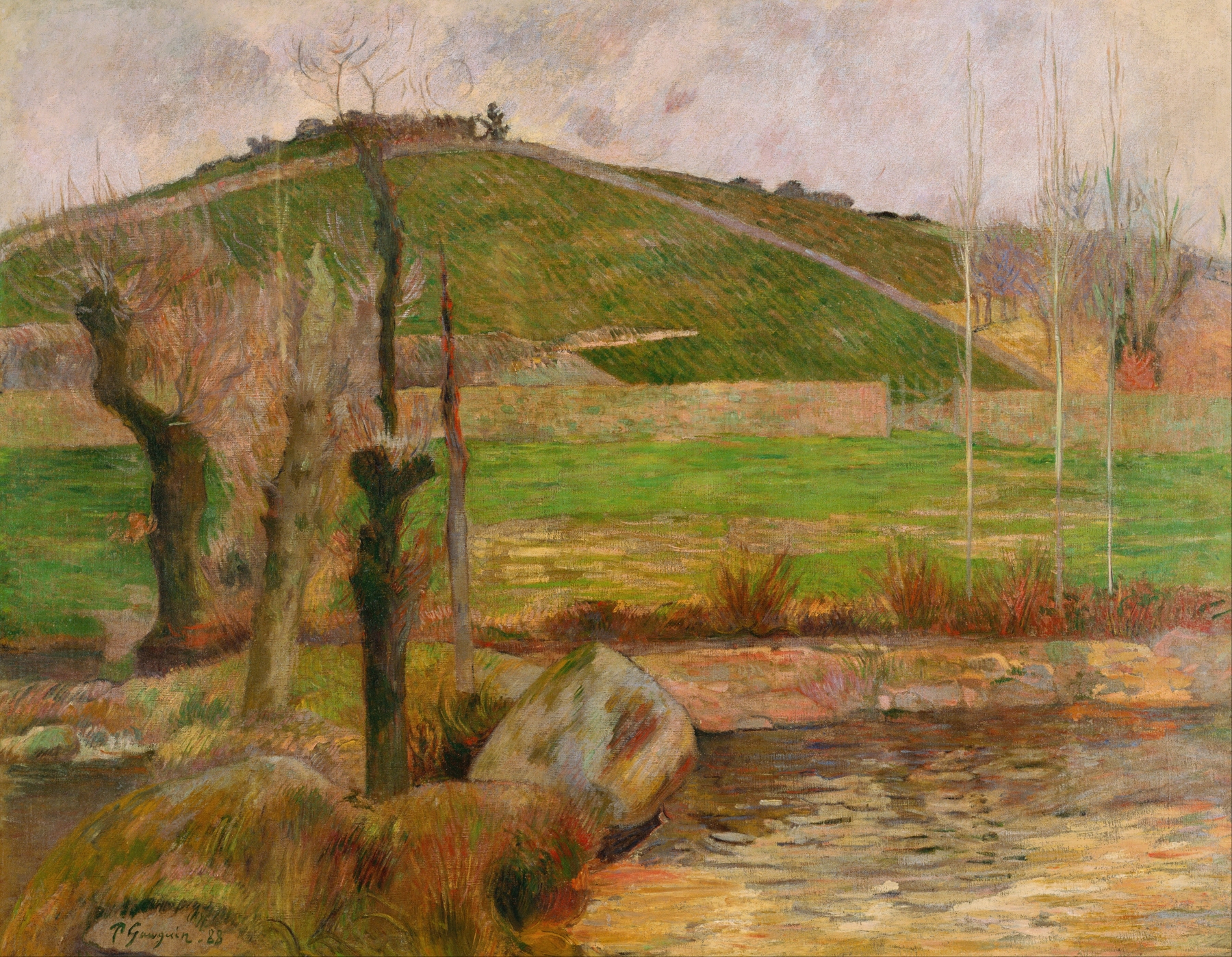
Landscape near Pont-Aven
Paul Gauguin

No te aha oe riri (Why Are You Angry?)
Paul Gauguin