
Lente, morgen en aarde — History & Facts
In the stillness of its existence, it reflects the world back to us, urging contemplation and introspection. Look to the center of the canvas, where gentle greens and blues intertwine, guiding your eye toward a serene landscape alive with promise. The soft brushstrokes create a harmony that invites you to explore each element, from the delicate flowers in bloom to the warm light that bathes the scene. Notice how the horizon’s curve draws you inward, while the subtle play of light and shadow adds depth, hinting at the cyclical nature of life itself. Beneath the tranquil surface lies a dichotomy of time—spring's budding vitality contrasted with the weight of eternity.
The flowers, vibrant yet fleeting, symbolize renewal, while the distant horizon seems to whisper of what lies beyond. This juxtaposition evokes a profound sense of both hope and melancholy, a reminder that every moment of beauty is intertwined with the passage of time. In 1797, during a period marked by artistic transitions and the rise of Romanticism, Cats painted this piece amidst his growing reputation as a master of still life and landscape. Living in the Netherlands, he was influenced by the changing tides of artistic expression and the emerging appreciation for nature as a subject.
This work reflects not only his skill but also his deep connection to the themes of life, death, and rebirth, capturing a moment in time that resonates through the ages.
More Artworks by Jacob Cats
Browse all →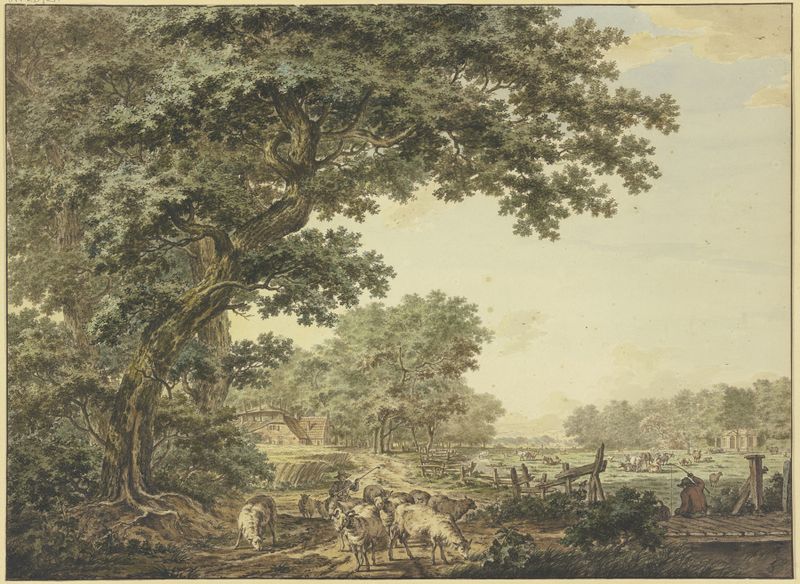
Wiesengrund zwischen dem Wald mit vielem Vieh, vorne ein Schäfer mit seiner Herde, auf einer Brücke rechts ein Angler
Jacob Cats
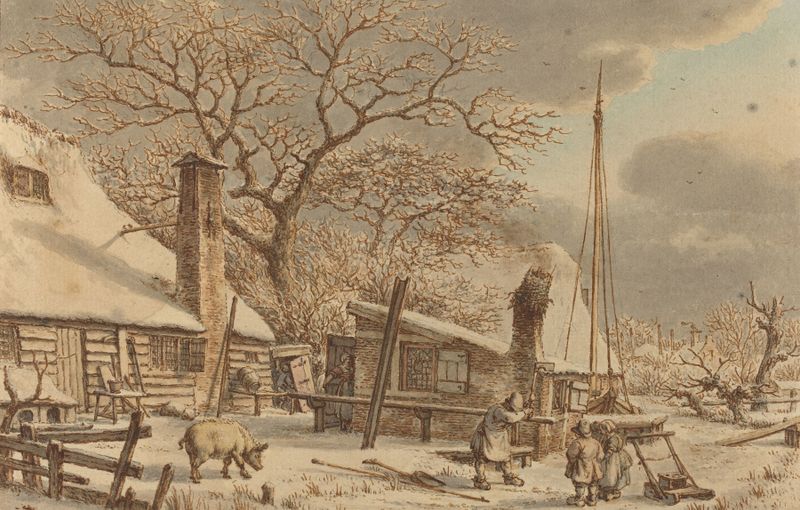
Farmyard in Winter
Jacob Cats
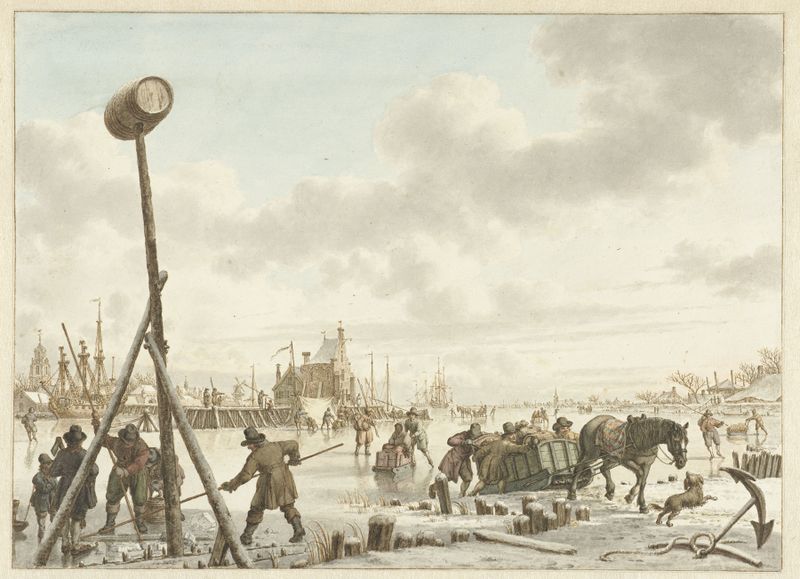
Bedrijvigheid op het ijs bij de stadswal van Veere
Jacob Cats
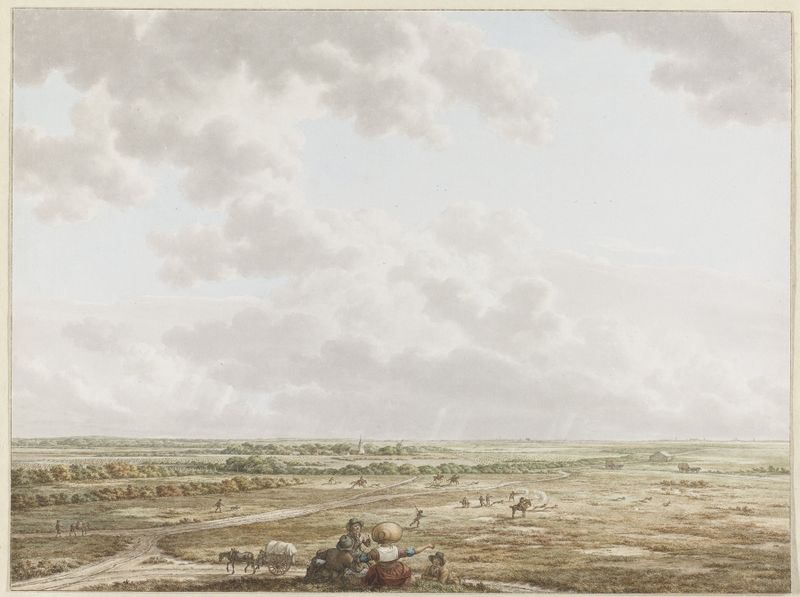
Gezicht van de Tafelberg bij Blaricum, met op de voorgrond Laren
Jacob Cats

Gezicht van de Tafelberg bij Blaricum, met links Craayloos’ Bosch en rechts de ‘tafel’
Jacob Cats
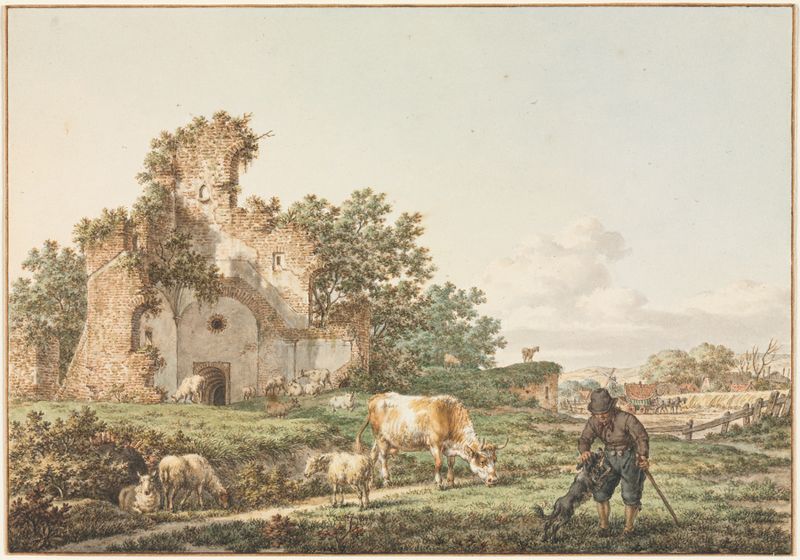
Pastoral Landscape with a Ruin
Jacob Cats
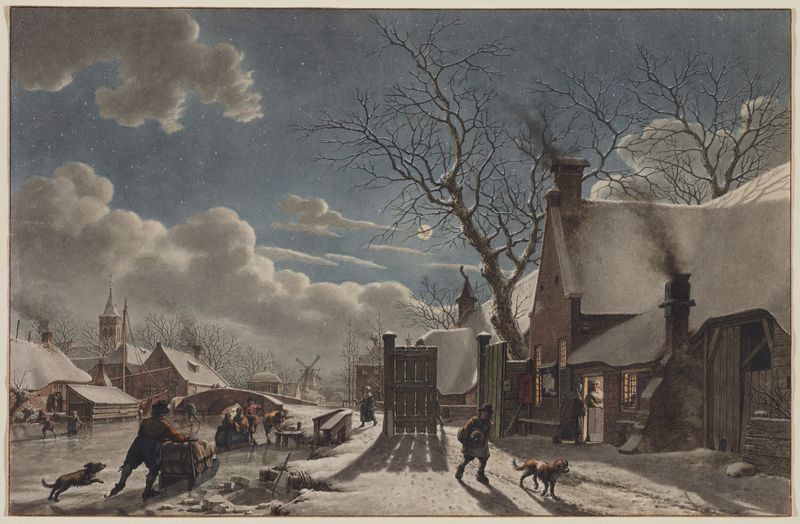
Winter Night in a Dutch Town
Jacob Cats

View of Heemstede
Jacob Cats
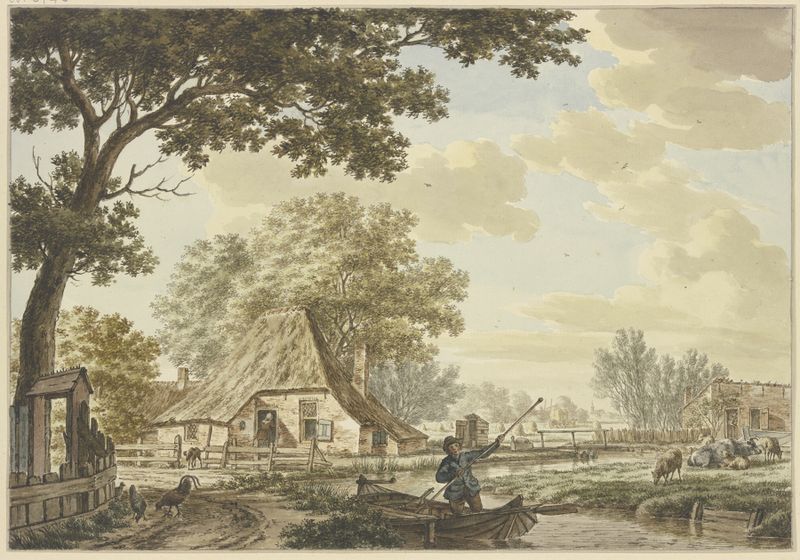
Enger Kanal bei einem Dorf, darauf ein Mann in einem Kahn, rechts Vieh, links Hühner
Jacob Cats
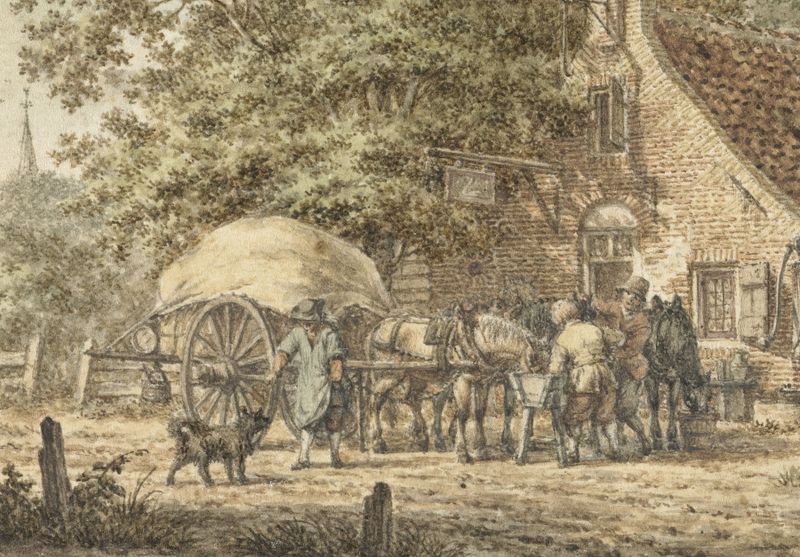
Halte voor een herberg in zomertijd
Jacob Cats





