Locksmith’s Shop — History & Facts
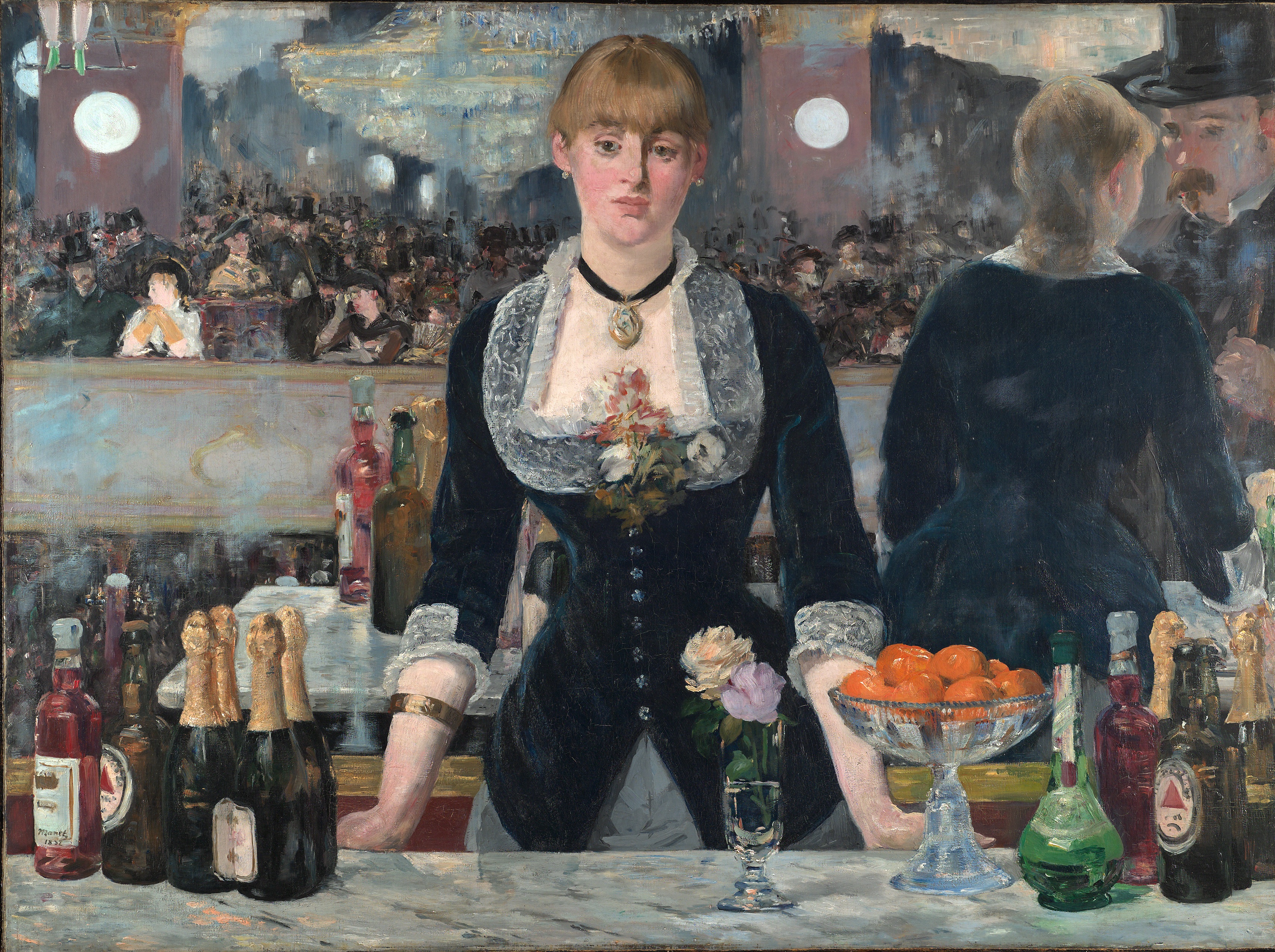
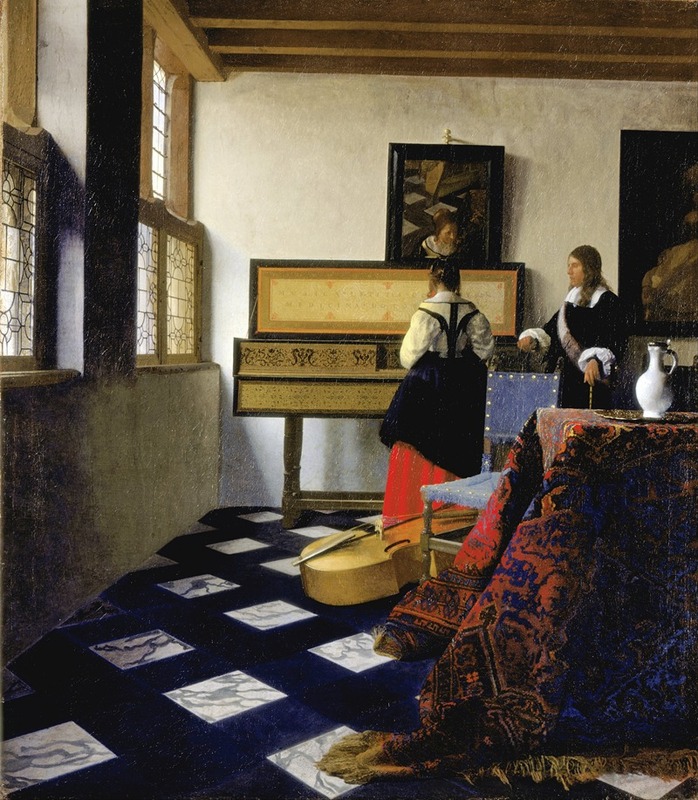
Could beauty survive in a century of chaos? In Locksmith’s Shop, the echoes of decay intertwine with intricate craftsmanship, revealing a poignant story of resilience amidst a changing world. Focus on the delicate interplay of light and shadow as it cascades through the shop’s windows, illuminating the worn surfaces of aged wood and metal. Look to the left at the glinting tools, their surfaces dulled yet alive with history. The warm, earthy palette evokes a sense of nostalgia, while the composition draws your eye upward, inviting contemplation of the shop's forgotten tales and the hands that once forged its legacy. Beneath the surface, this painting captures an emotional tension between beauty and neglect.
The sturdy lock mechanisms, resilient to the passage of time, contrast sharply with the crumbling surroundings, symbolizing the struggle of tradition against modernity. Each detail, from the chipped paint to the rusted metal, speaks of a world that once thrived, now caught in the web of decay, yet still yearning for connection and purpose. In 1924, Sir Aston Webb was navigating a period of personal and artistic transition. Having already established himself as a prominent architect, he turned to painting, exploring themes of endurance in a rapidly changing society ravaged by the aftermath of World War I.
This work reflects not only his personal journey but also a broader societal reflection on the fragility of beauty in an age marked by upheaval and transformation.