
Locomotive in the Ural Mountains near Zlatoust. — History & Facts
Can beauty exist without sorrow? In Locomotive in the Ural Mountains near Zlatoust, the clash of industry and nature embodies this poignant question, inviting us to explore the dualities of progress and the haunting weight of legacy. Look to the left at the bold silhouette of the locomotive, its powerful form cutting through the serene landscape with an almost defiant presence. Notice how the steam billows into the crisp air, merging with the soft hues of early morning light—pinks and oranges blending seamlessly into the cool blues and greens of the mountains. The artist's technique draws attention to the contrast between the raw, unyielding metal of the train and the delicate, timeless beauty of the surrounding nature, a reminder that man's creations are both awe-inspiring and intrusive. Delve deeper, and you’ll uncover emotional tensions beneath the surface.
The locomotive, a symbol of progress, also looms heavy with the implications of industrialization—its relentless march threatens the untouched beauty of the Ural Mountains. The juxtaposition of the machine against the backdrop of sprawling wilderness speaks to the inevitable conflict between human ambition and the fragile environment. Each stroke of paint captures not just the scene, but a narrative of transformation, hinting at the loss of untainted landscapes as civilization encroaches upon them. In 1904, Boris Vasilievich Smirnov painted this piece during a time of significant industrial development in Russia.
Amidst the rapid changes and modernization, he sought to capture the profound transition occurring in his homeland. It was an era marked by a growing discourse on the relationship between nature and industry—conversations that still resonate today, underpinning the legacy of both the artist and the world he depicted.
More Artworks by Boris Vasilievich Smirnov
Browse all →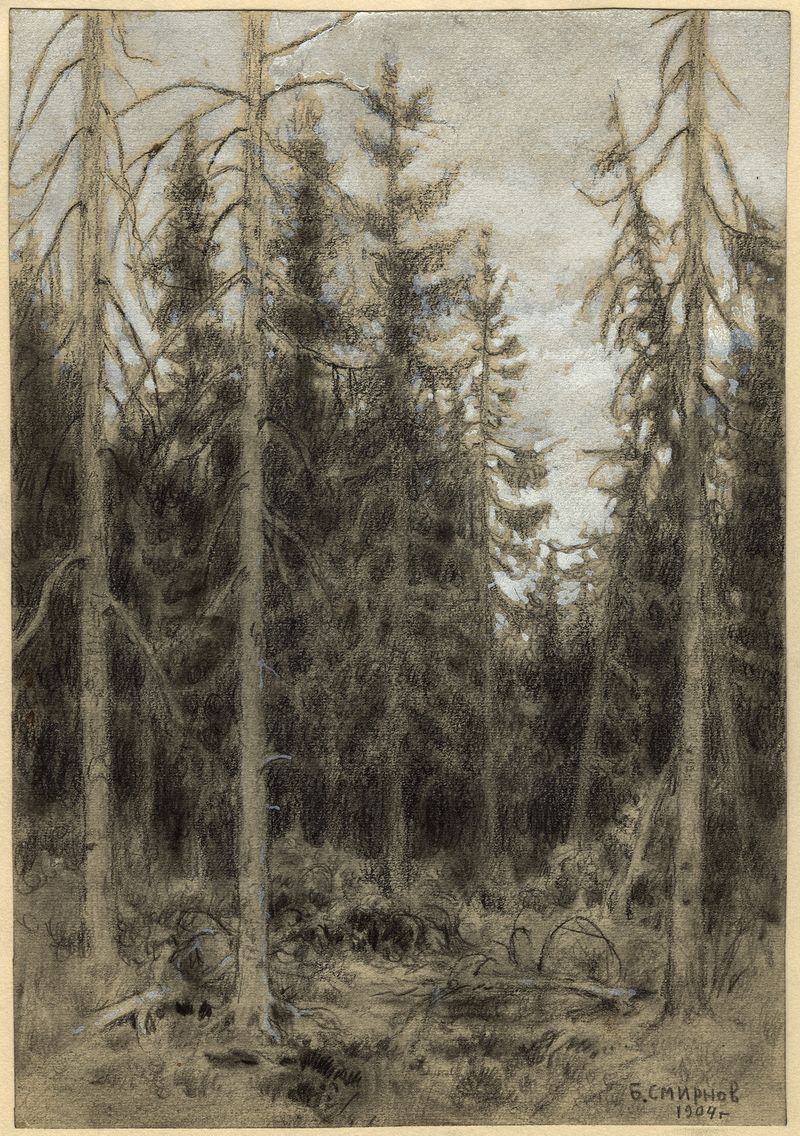
Spruce Taiga near Irkutsk.
Boris Vasilievich Smirnov
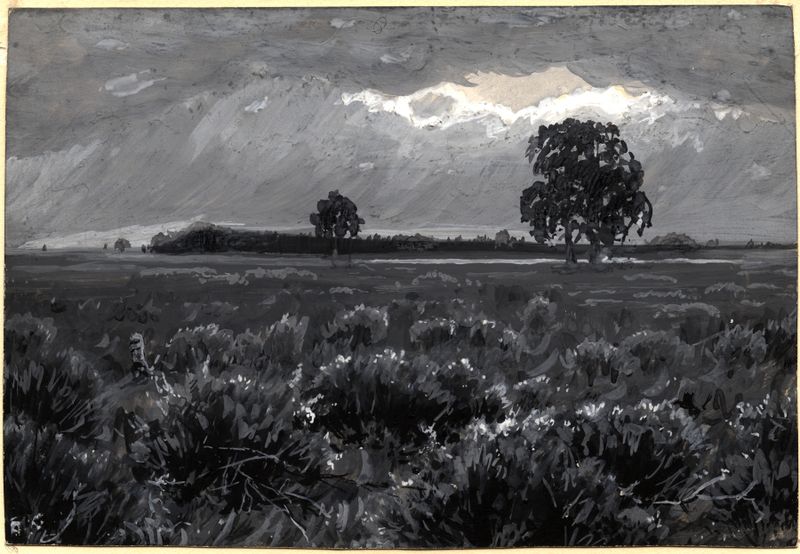
Copses of Trees on the Baraba Steppe.
Boris Vasilievich Smirnov
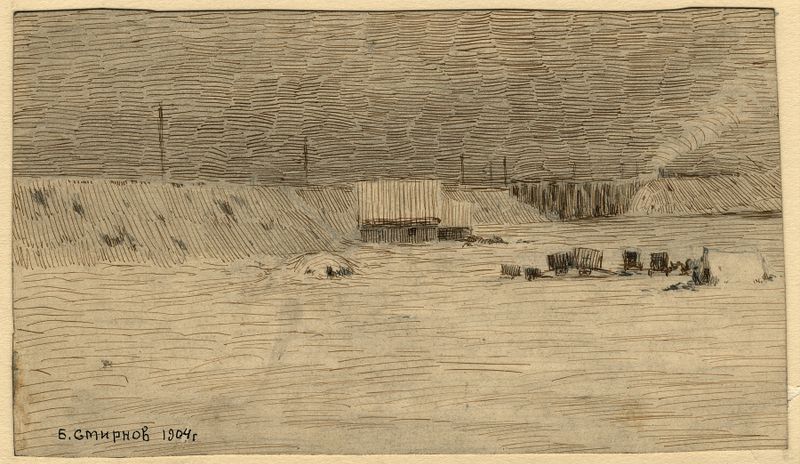
A Bridge over the Irkut River.
Boris Vasilievich Smirnov
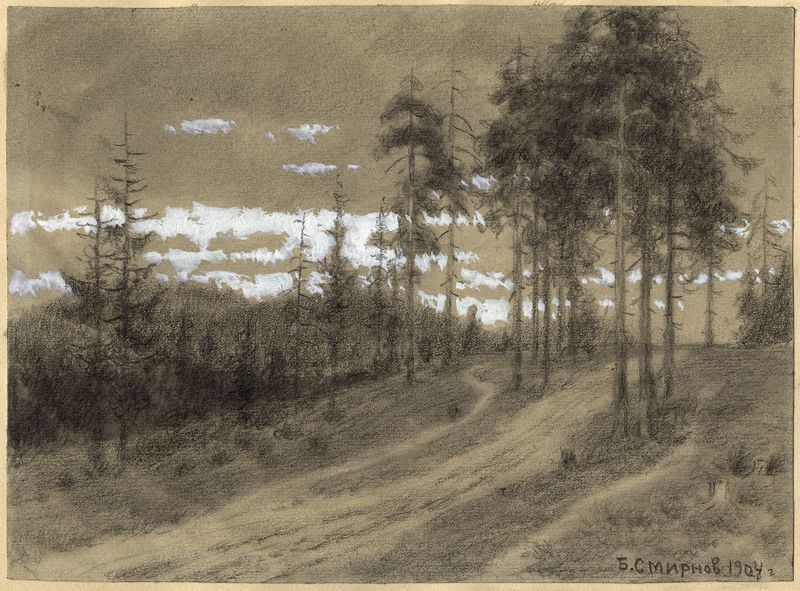
The Great Road in the Baikal Mountains.
Boris Vasilievich Smirnov
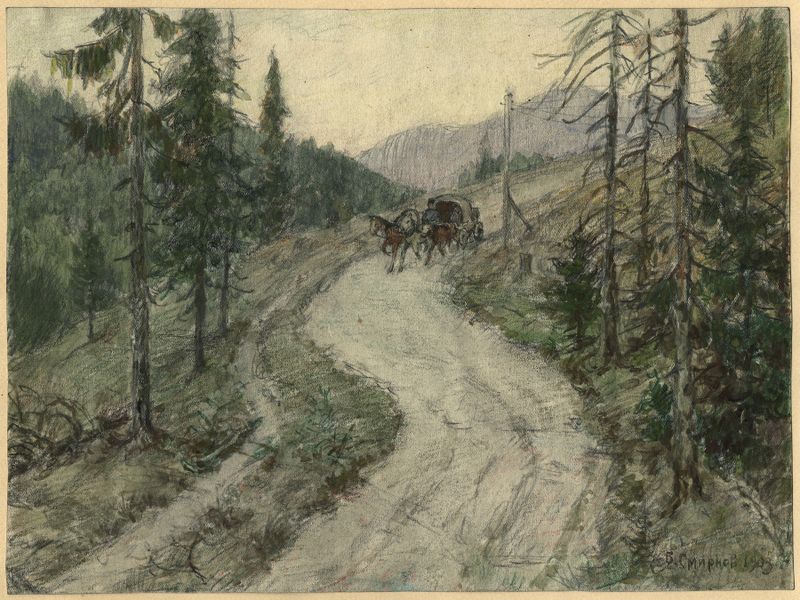
Great Siberian Road in the Krugobaikal Mountains.
Boris Vasilievich Smirnov
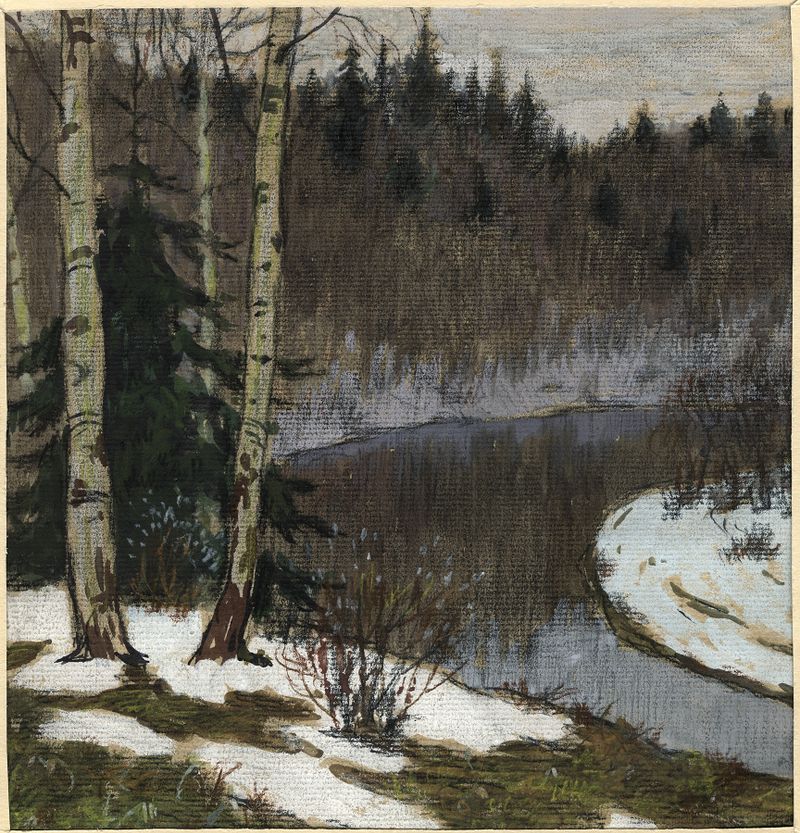
Thawed Patches in the Taiga near Krasnoyarsk. Early Spring.
Boris Vasilievich Smirnov
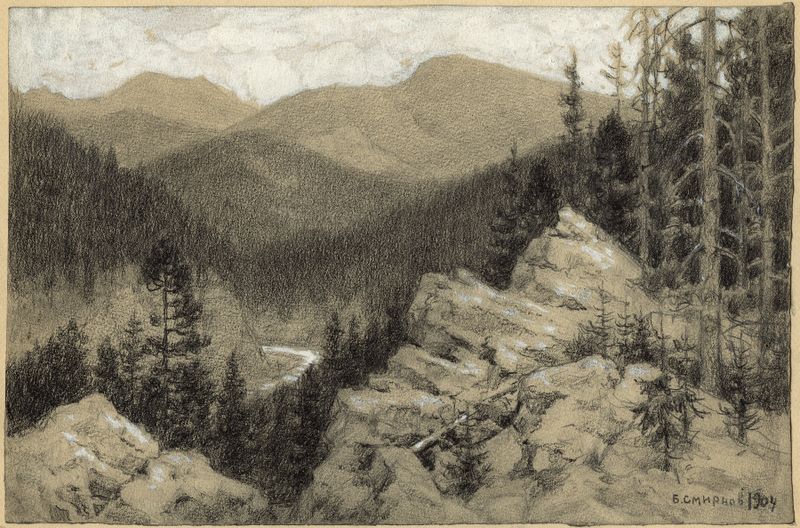
Ural Mountains. Taiga in the Zlatoust Region.
Boris Vasilievich Smirnov
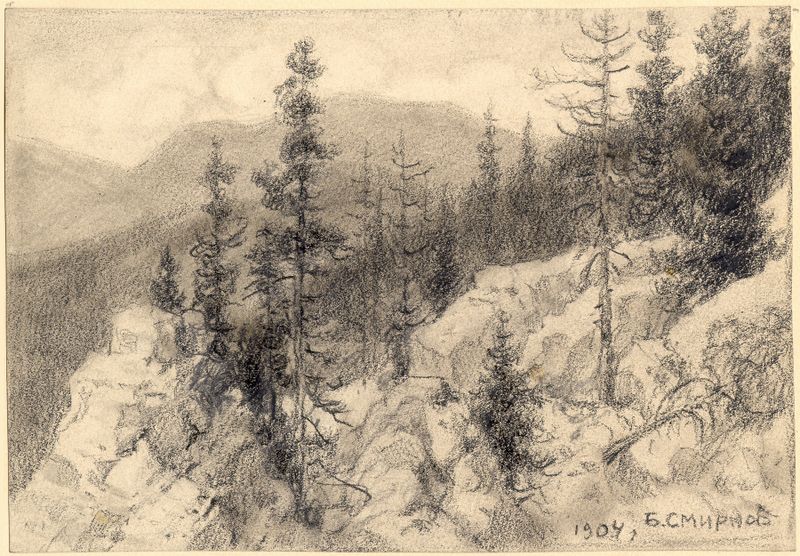
Taiga of the Ural Mountains near Zlatoust.
Boris Vasilievich Smirnov
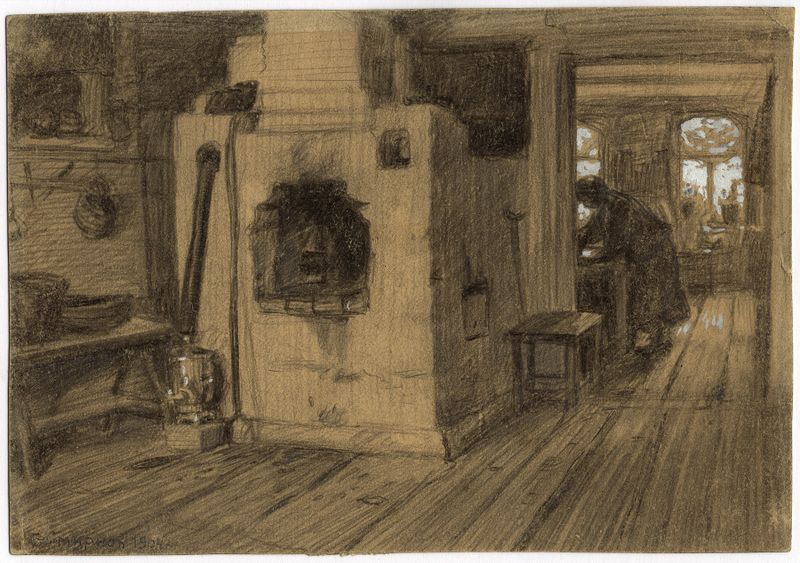
In a Hut on the Outskirts of Irkutsk.
Boris Vasilievich Smirnov
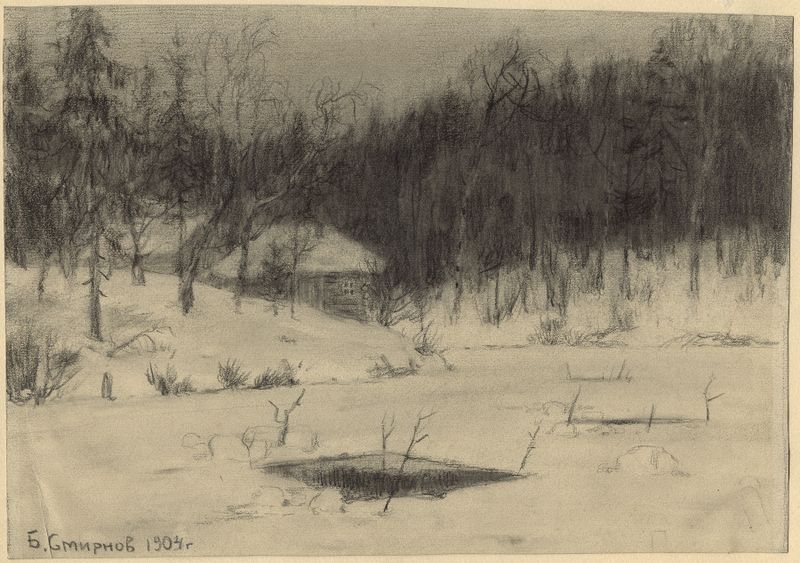
Ice Holes on the Irkut River.
Boris Vasilievich Smirnov





