
Lone Figure in a Forest — History & Facts
In the solitude of a forest, where every whisper of wind feels like the echo of a forgotten thought, one figure stands suspended between reality and reverie. The trees loom around, guardians of secrets, while the dappled light dances playfully, casting fleeting shadows that hint at the ephemeral nature of existence. Here, obsession entwines the spirit of the solitary wanderer. Focus on the figure at the center, cloaked in a tapestry of greens and browns, the colors merging seamlessly with the forest backdrop.
Notice how the light falls upon the figure's face, illuminating an expression that is both serene and haunted. The brushwork is fluid yet deliberate, as if each stroke is a reflection of the figure’s restless mind. The surrounding foliage is rendered with a wild richness, drawing the viewer’s eye outward, creating a visceral connection to the wilderness that both enchants and ensnares. Hidden within the lush environment are contrasts of light and dark that symbolize the struggle between clarity and confusion, tranquility and despair.
The figure’s posture, poised yet wary, suggests a dance with obsession—caught between the lure of nature and the chaos of inner thoughts. Small details, such as the way a branch reaches out like a hand, evoke the bittersweet nature of longing and the desire for connection, whether with the wilderness or the self. Herbert Crowley painted this work between 1911 and 1924, a period marked by his exploration of myth and the human psyche. Living in a time of artistic transformation, he embraced symbolism and expressionism, reflecting the tumultuous shifts in society and culture.
While the world grappled with modernity, Crowley’s focus on the internal landscapes of emotion reveals a personal quest intertwined with the broader artistic movements of his era.
More Artworks by Herbert Crowley
Browse all →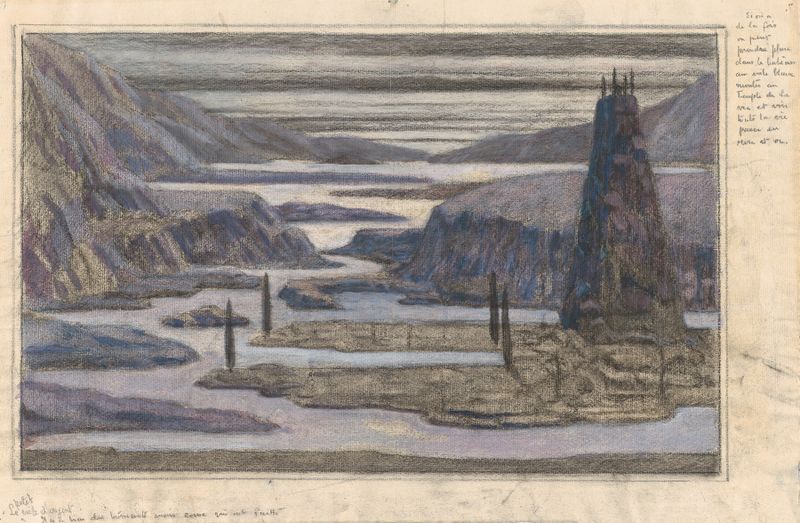
A Landscape
Herbert Crowley
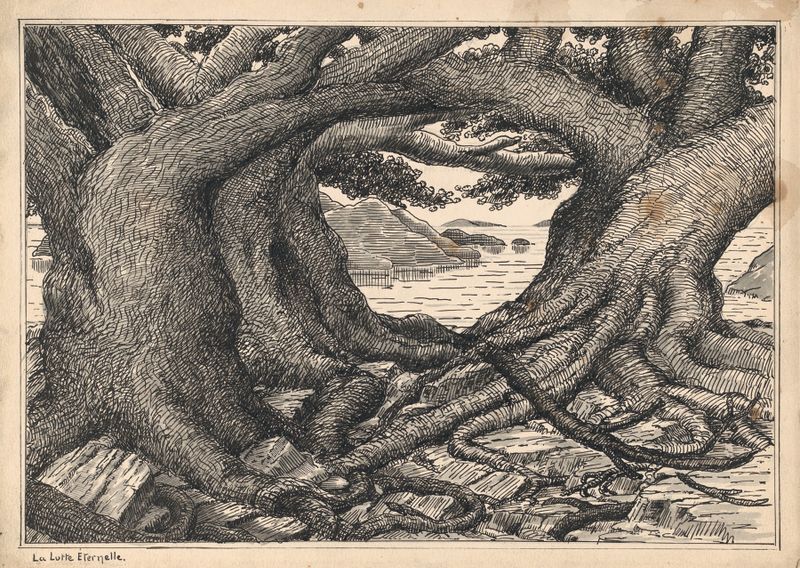
La Lutte Eternelle (The Eternal Struggle)
Herbert Crowley
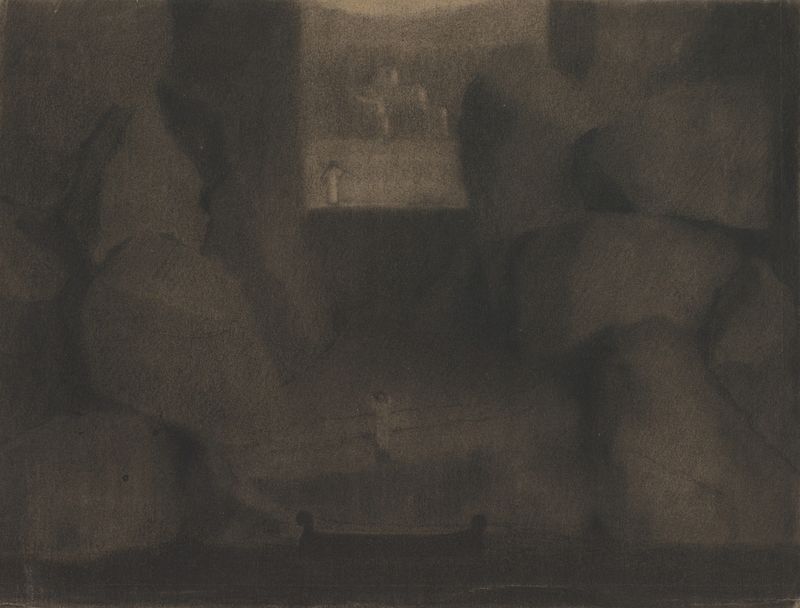
Arrival in a Dark Landscape
Herbert Crowley
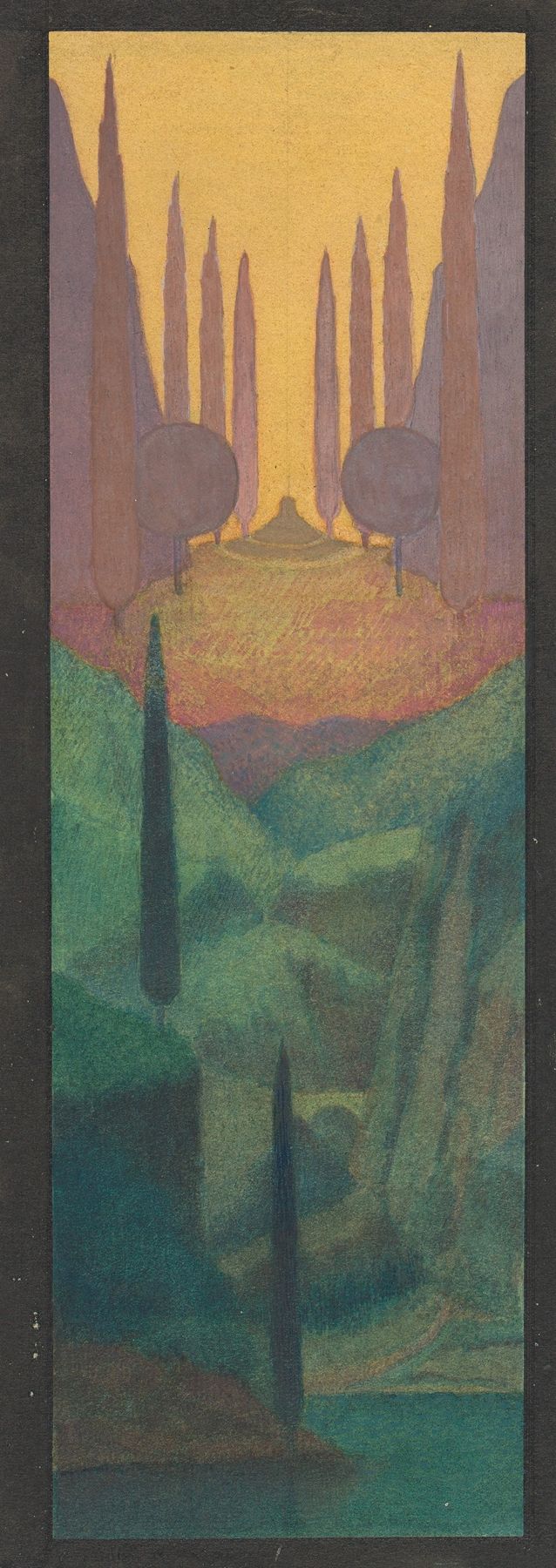
A Monument in a Mountainous Landscape
Herbert Crowley

A River Landscape with Steep Cliffs
Herbert Crowley

A Fantastic Tiered Structure
Herbert Crowley
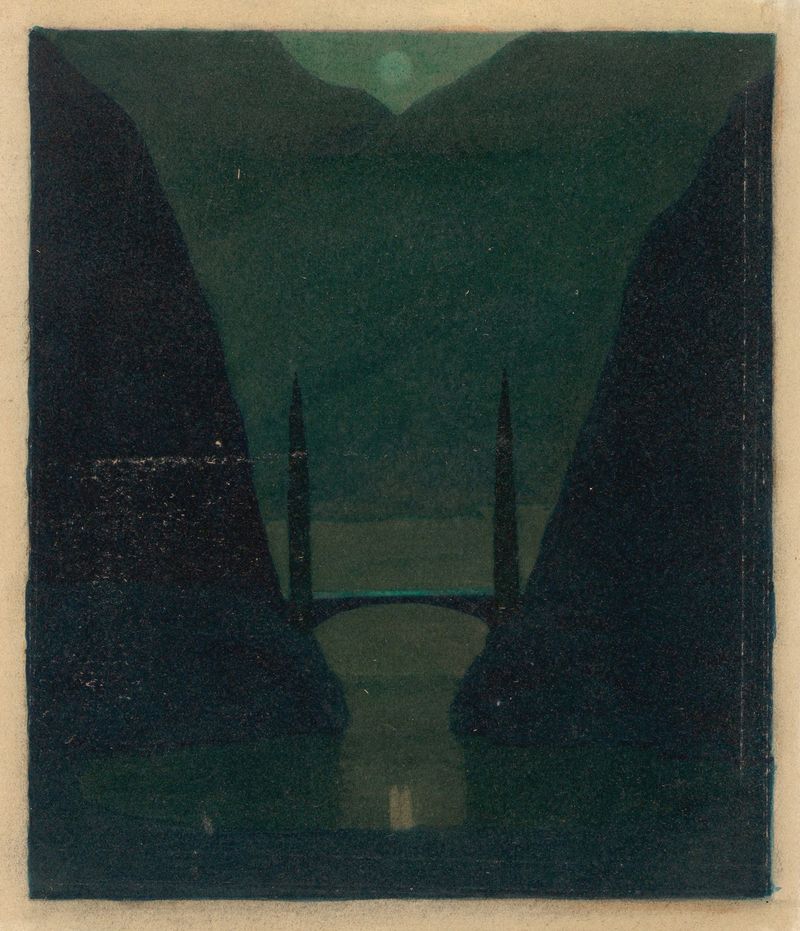
A Bridge in a Mountainous Landscape
Herbert Crowley
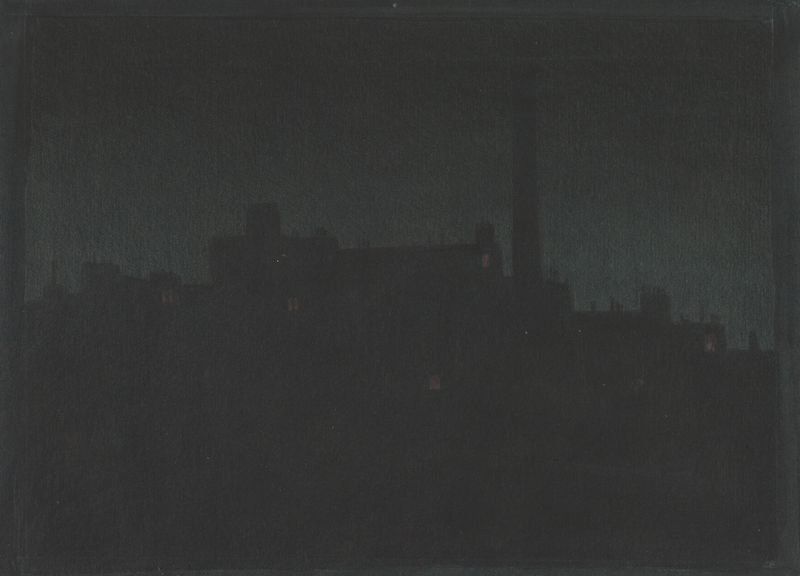
Industrial Buildings At Night
Herbert Crowley

Four Landscapes
Herbert Crowley

River Landscape with Rapids
Herbert Crowley





