
Longleat from Park Hill — History & Facts
Can paint confess what words never could? In Longleat from Park Hill, a haunting tranquility belies an undercurrent of violence, each brushstroke whispering secrets of its own. Look to the sweeping landscape, where the verdant hills cradle the silhouette of the grand Longleat House. The soft, diffused light casts a golden hue across the scene, illuminating the interplay between the lush greenery and the structured elegance of the estate. The artist’s meticulous attention to detail draws your gaze to the foreground, where wildflflowers bloom recklessly, suggesting a clash between the untamed beauty of nature and the cultivated opulence of human design. Yet, beneath this picturesque facade lies a more tumultuous narrative.
The tension between order and chaos is palpable; the manicured gardens, usually a symbol of tranquility, seem almost sinister against the backdrop of wild growth. This juxtaposition of beauty and potential violence evokes a sense of unease—one that reflects the turbulent history often associated with such aristocratic estates. A closer inspection reveals shadows lurking in the folds of the landscape, hinting at the darker stories that haunt the walls of Longleat. Painted during a time when the aristocracy grappled with the changing tides of society, the artist was likely influenced by the tensions surrounding class and ownership.
The peerage’s struggle to maintain relevance in a world moving toward democracy and industrialization echoes through the layers of this work. The absence of an exact date only deepens the mystery, leaving us to ponder how these themes resonate across the ages.
More Artworks by Heneage Finch, 4th Earl of Aylesford
Browse all →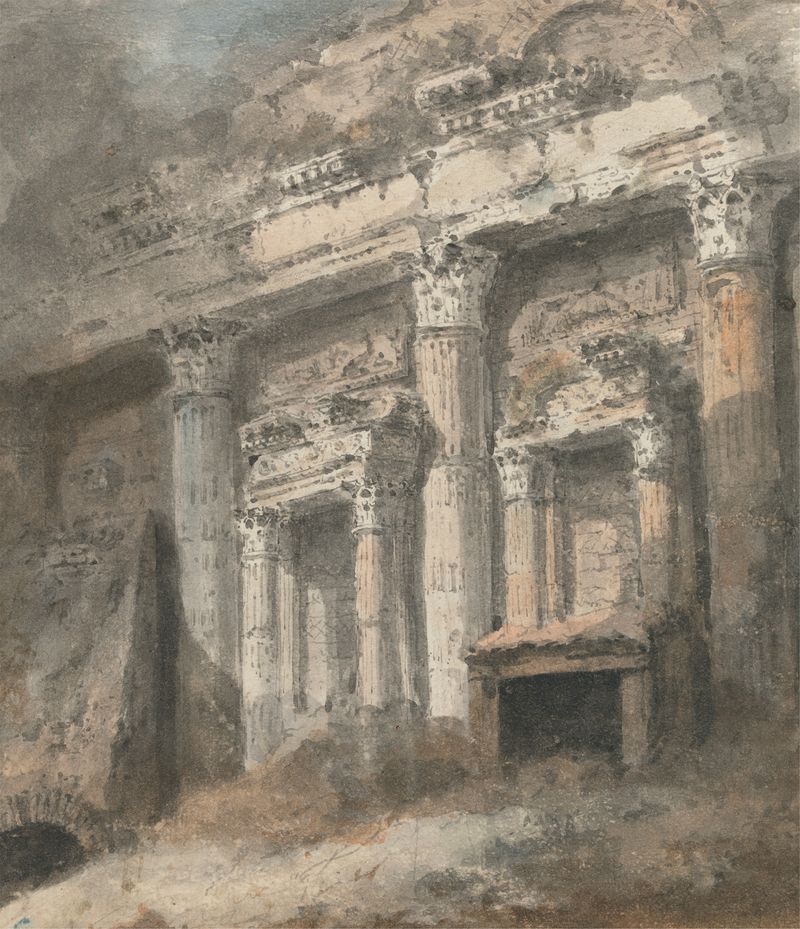
Facade of Ruined Roman Temple, with Columns and Doorway
Heneage Finch, 4th Earl of Aylesford
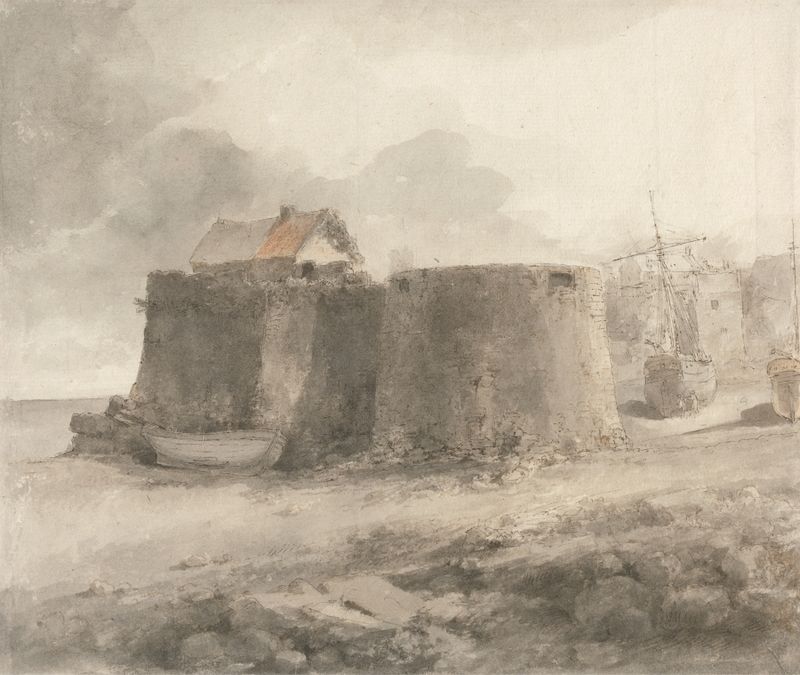
Tenby
Heneage Finch, 4th Earl of Aylesford
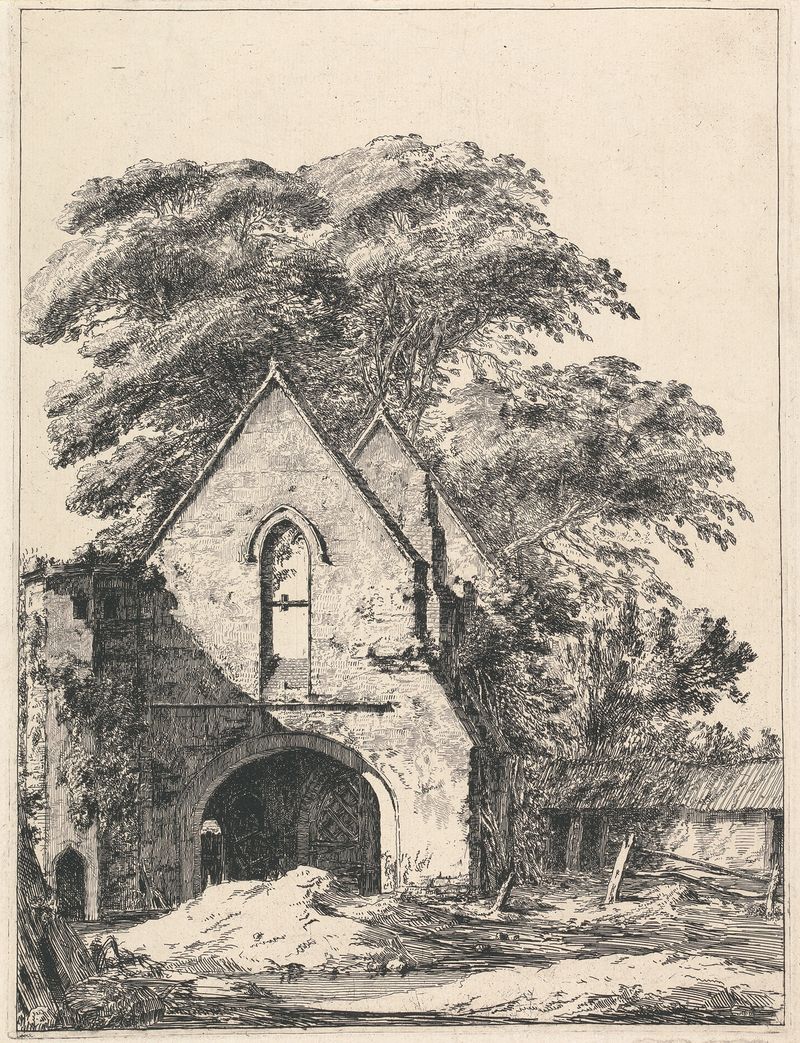
Maxstoke Priory
Heneage Finch, 4th Earl of Aylesford
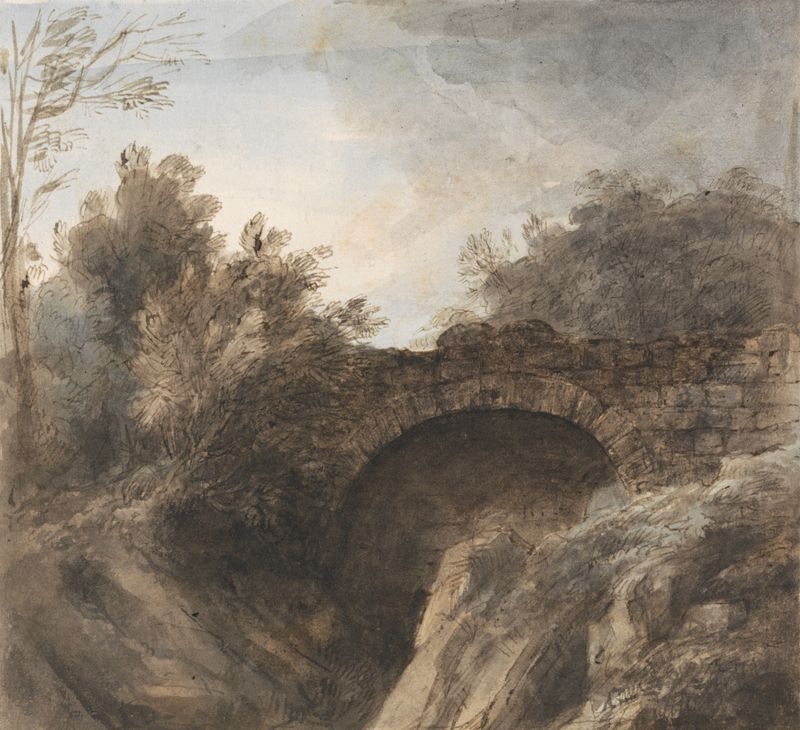
Bridge Over a Deep Gorge
Heneage Finch, 4th Earl of Aylesford

An Old Barn, Trees and Cow
Heneage Finch, 4th Earl of Aylesford
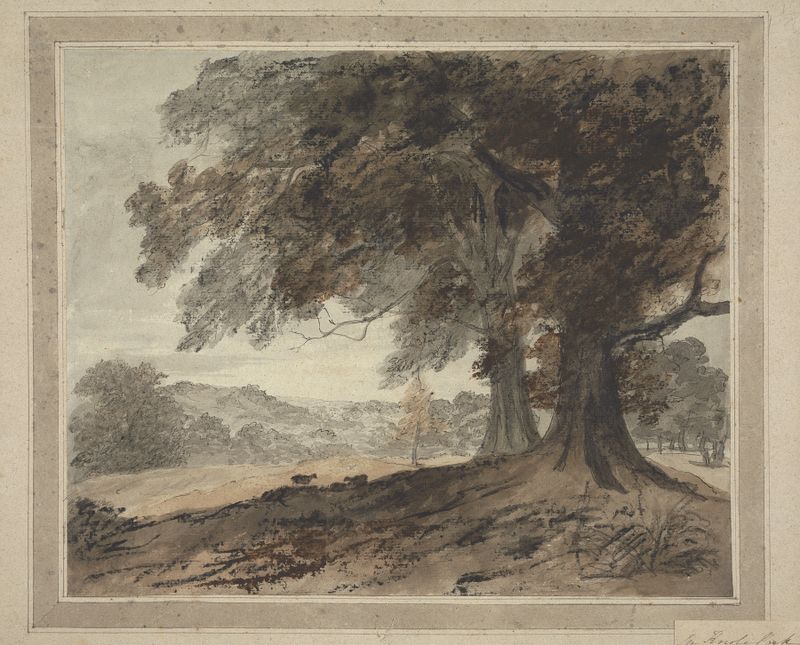
In Knole Park
Heneage Finch, 4th Earl of Aylesford
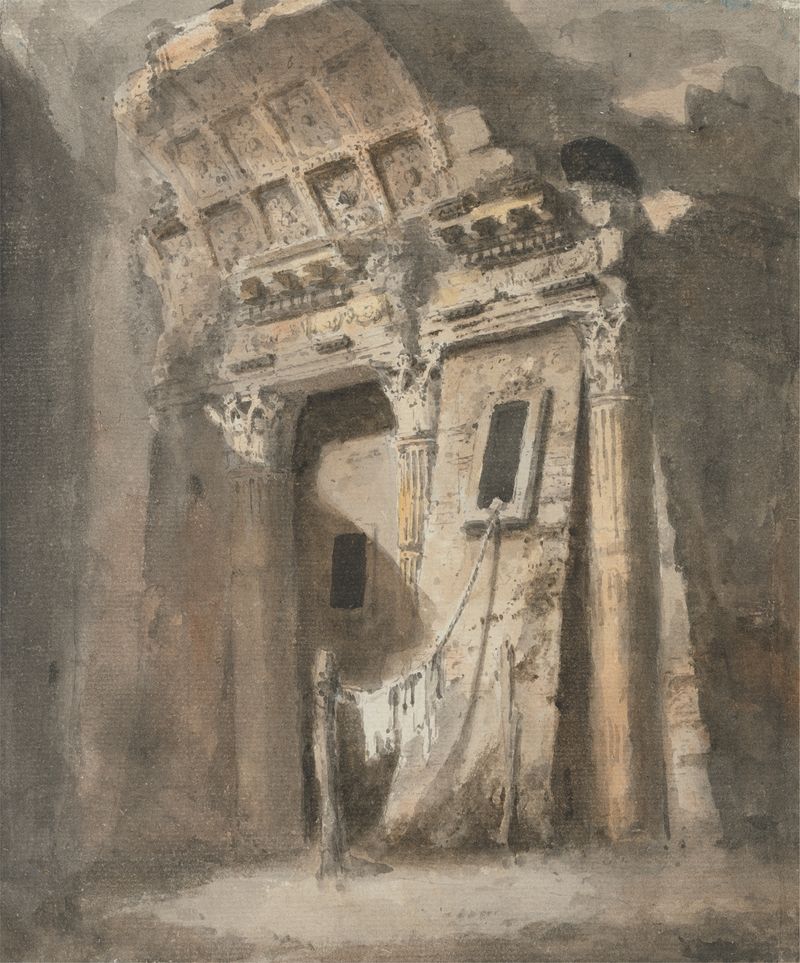
Ruined Archway with a Line of Washing, possibly in Rome
Heneage Finch, 4th Earl of Aylesford
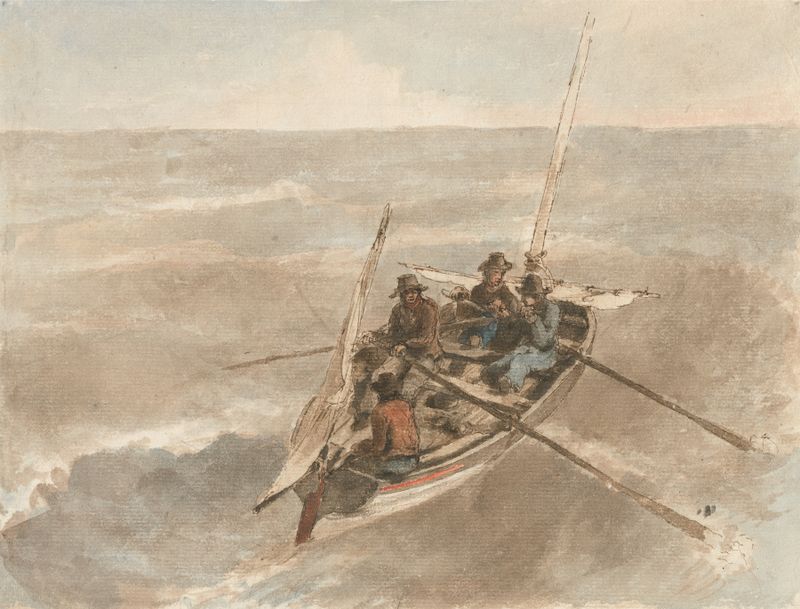
The Race of Daldey
Heneage Finch, 4th Earl of Aylesford





