
Maxstoke Priory — History & Facts
What if silence could speak through light? In the quietude of Maxstoke Priory, one can almost hear the whispers of history resonating through each brushstroke, as reflections dance across the still waters of memory. Look to the foreground, where shimmering reflections ripple gently, drawing your gaze across the tranquil pond. Notice the way the light filters through the trees, casting dappled patterns upon the surface, intertwining nature with the architectural grandeur in the background. The composition is meticulously balanced, with the priory’s stone structure rising like a guardian from the verdant embrace of its surroundings.
The cool palette, punctuated with earth tones, evokes a sense of serenity and harmony, inviting viewers to linger in contemplation. Dig deeper, and you’ll uncover the emotional contrasts at play. The stillness of the water mirrors the contemplative nature of the scene, yet it also serves as a reminder of transience, reflecting both the beauty and fragility of life. The juxtaposition of the ancient priory against the lush landscape speaks to the passage of time, suggesting both permanence and decay.
This duality hints at the stories buried within the walls and the lives once lived there—now only echoes in the silence. The work emerged during a period of personal reflection for its creator, who painted it in the early 19th century when England was grappling with the aftermath of the Industrial Revolution. Heneage Finch, 4th Earl of Aylesford, was involved in art and architecture, channeling his affinity for historical narratives through this piece. In the quiet of Maxstoke Priory, he captured not just a place, but an enduring sense of peace in a rapidly changing world.
More Artworks by Heneage Finch, 4th Earl of Aylesford
Browse all →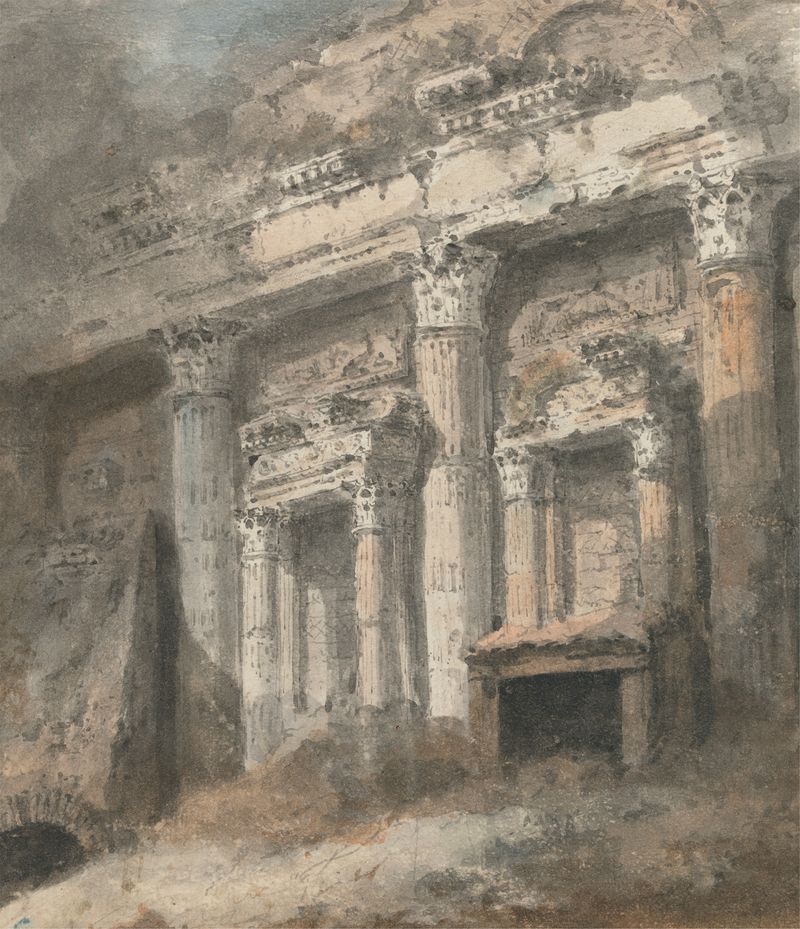
Facade of Ruined Roman Temple, with Columns and Doorway
Heneage Finch, 4th Earl of Aylesford
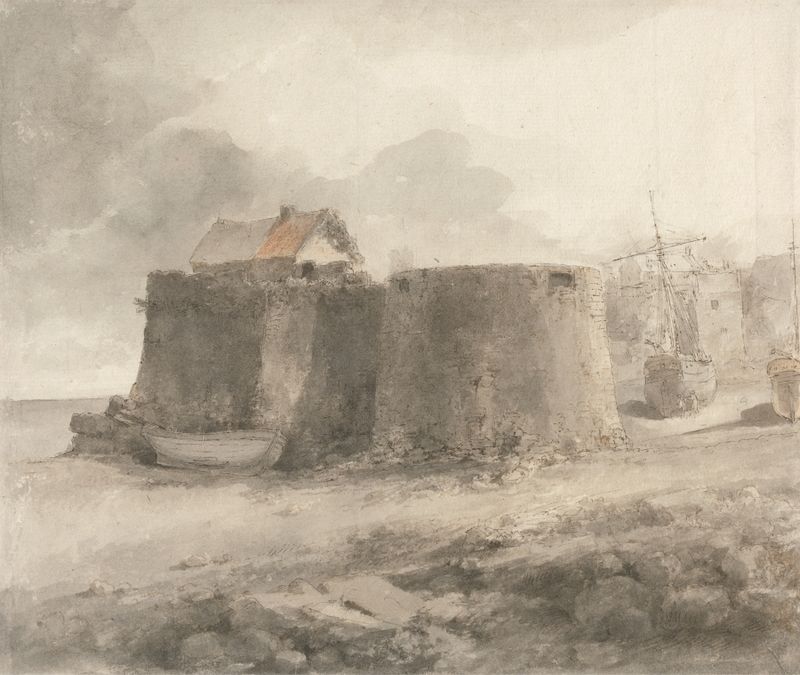
Tenby
Heneage Finch, 4th Earl of Aylesford
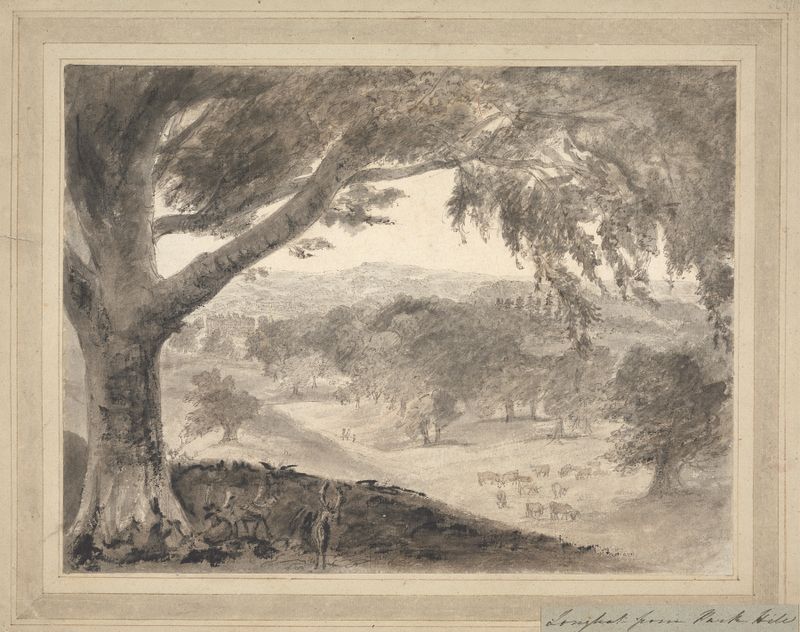
Longleat from Park Hill
Heneage Finch, 4th Earl of Aylesford
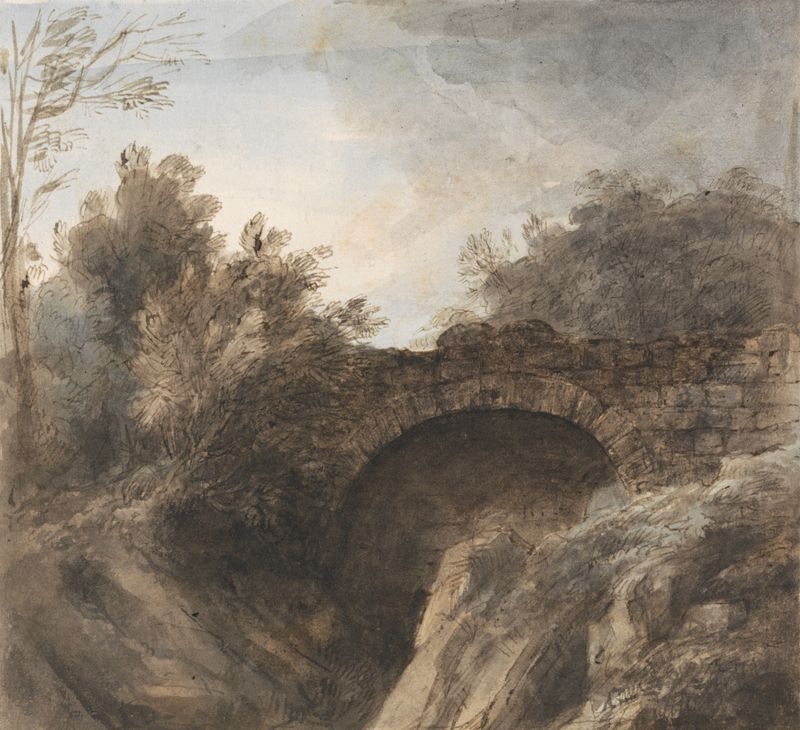
Bridge Over a Deep Gorge
Heneage Finch, 4th Earl of Aylesford

An Old Barn, Trees and Cow
Heneage Finch, 4th Earl of Aylesford
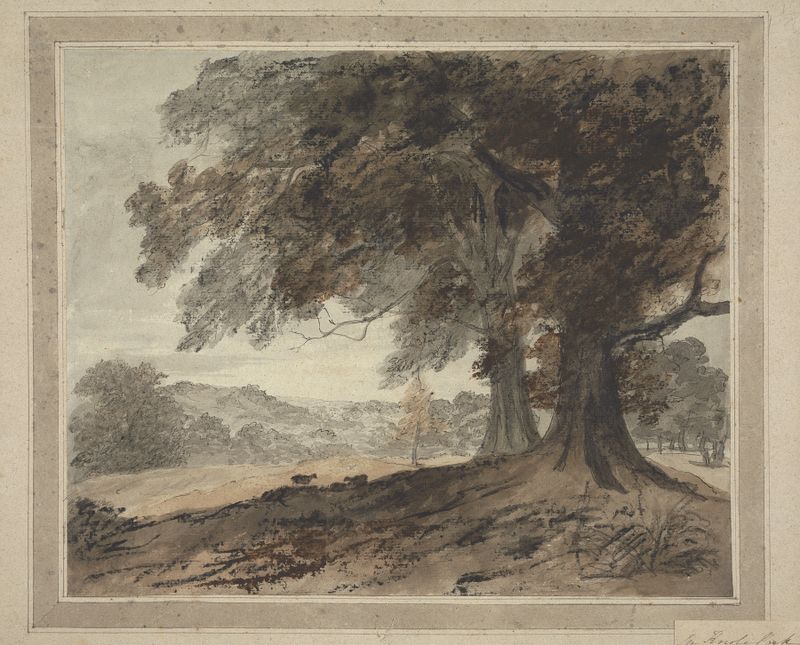
In Knole Park
Heneage Finch, 4th Earl of Aylesford
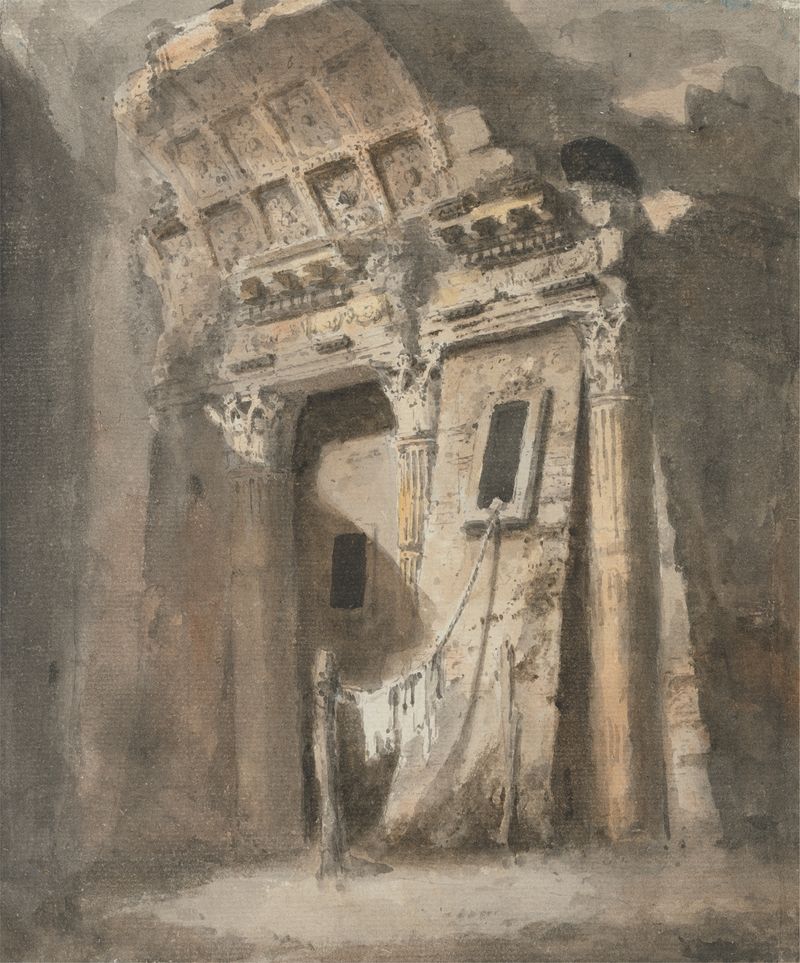
Ruined Archway with a Line of Washing, possibly in Rome
Heneage Finch, 4th Earl of Aylesford
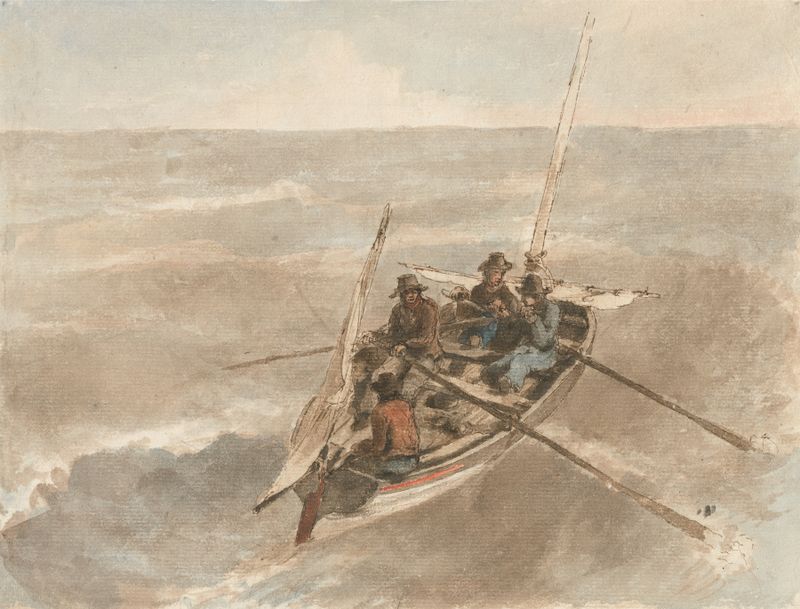
The Race of Daldey
Heneage Finch, 4th Earl of Aylesford





