
Long’s Peak, Colorado — History & Facts
Can paint confess what words never could? In the hands of a master, creation unfolds itself, revealing secrets of nature that echo in the hearts of those who behold it. Look closely at the sweeping majesty of the mountain, where jagged peaks pierce the sky like ancient sentinels. The vibrant blues and greens of the landscape draw the eye across the canvas, leading you from the foreground's soft grasses to the towering heights of Long's Peak. Notice how the delicate brushstrokes convey a sense of movement in the clouds, a fleeting moment captured in time.
The interplay of light and shadow breathes life into the scene, inviting contemplation of both its beauty and its raw power. Beneath the surface, there lies a profound sense of struggle and triumph. The stark contrast between the soft textures of the foreground and the harsh, rugged features of the mountain evokes a deep emotional tension, reflecting the duality of nature—its gentleness and its ferocity. Each color, each stroke, speaks of the artist's reverence for the natural world, while also hinting at a personal connection, perhaps a longing for adventure or a desire to capture the sublime. In 1874, William Henry Holmes was not only a painter but also an accomplished geologist, immersed in the exploration of the American West.
As he painted Long’s Peak, Colorado, he was navigating a transformative era in art marked by the rise of landscape painting, capturing the unspoiled beauty of the land while contributing to the scientific understanding of its geography. This intersection of art and science defined his work and reflected the spirit of discovery that characterized the time.
More Artworks by William Henry Holmes
Browse all →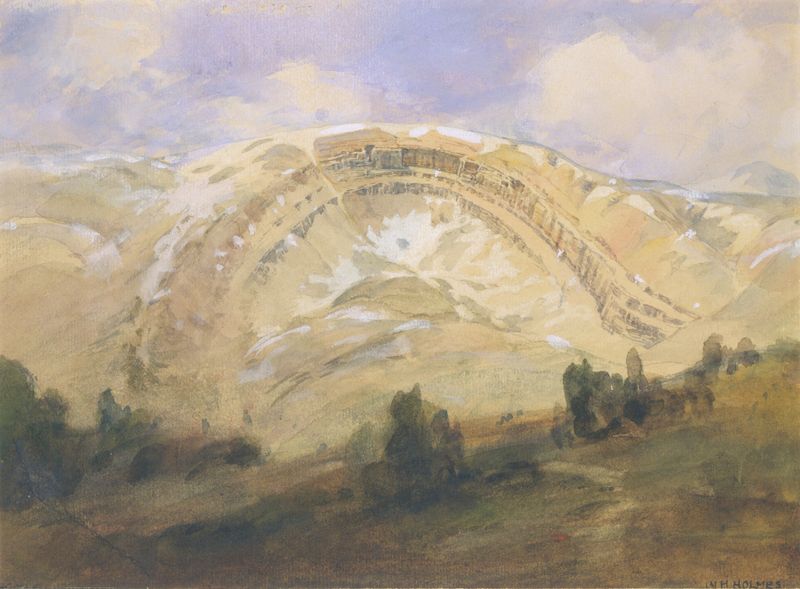
Folded Strata, A Great Geological Arch, Colorado
William Henry Holmes
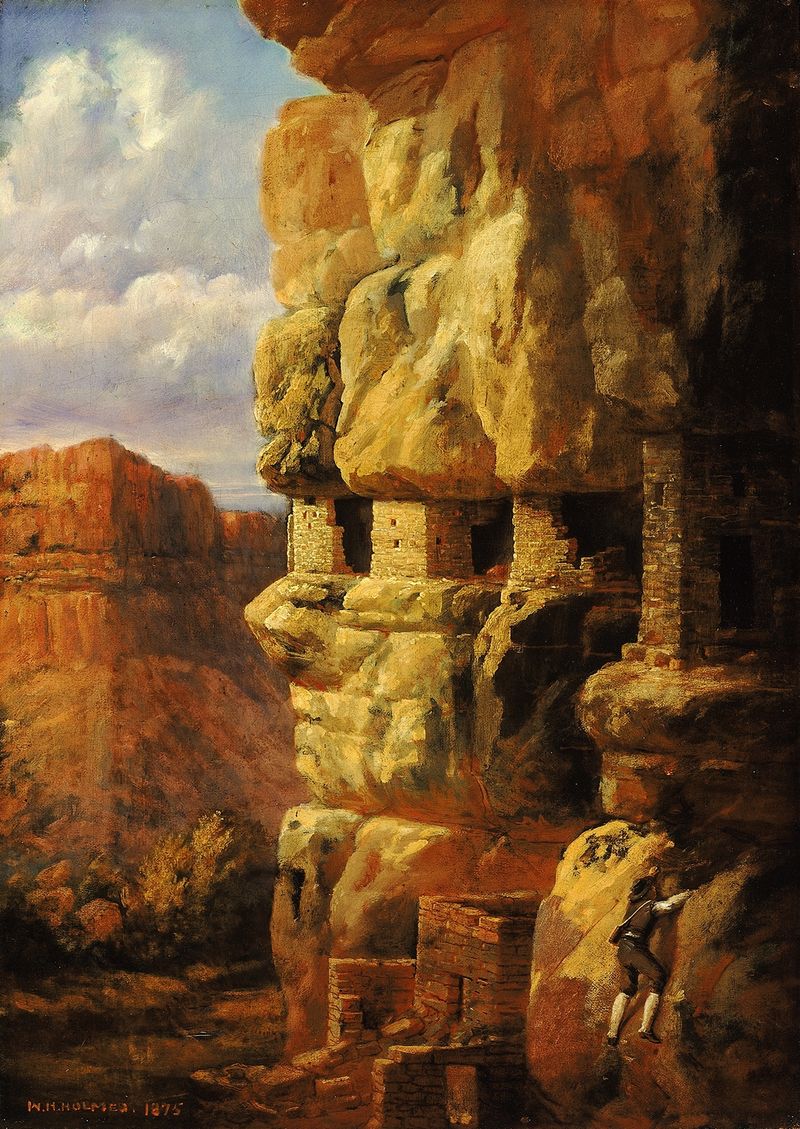
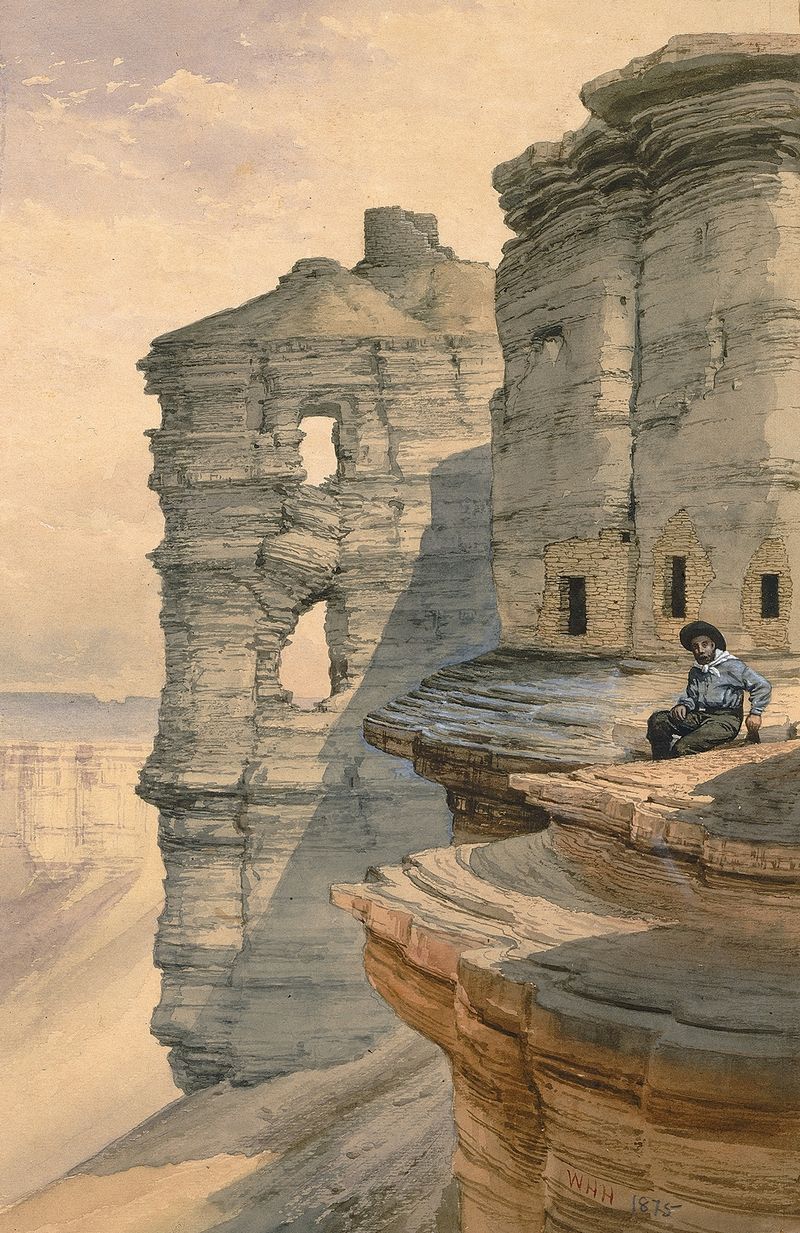
Cliff Houses On The Rio Mancos, Colorado
William Henry Holmes
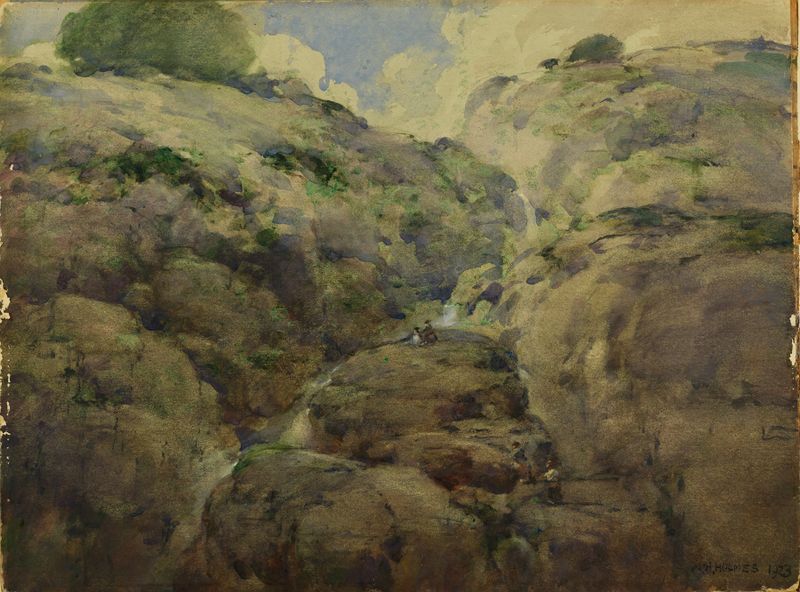
Mountain Gorge, Colorado
William Henry Holmes
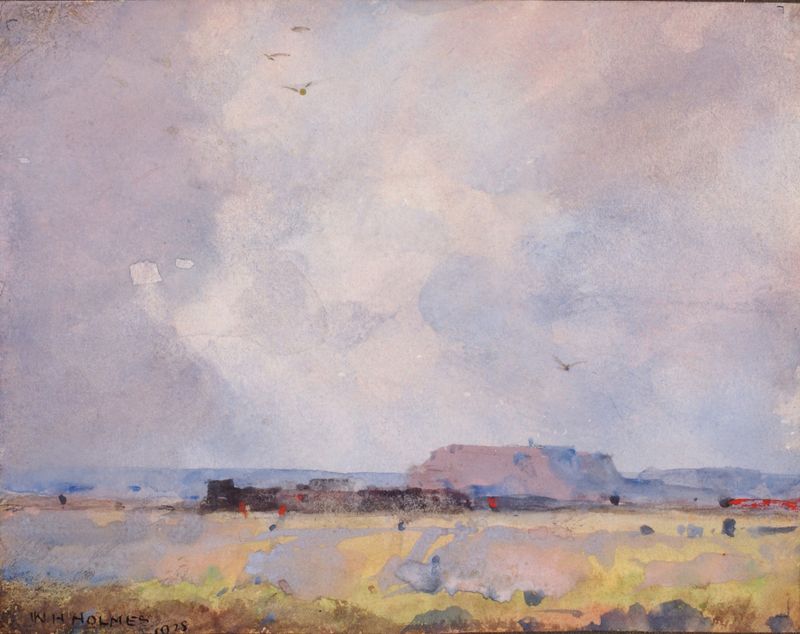
In The Plateau Country, With An Inhabited Pueblo
William Henry Holmes
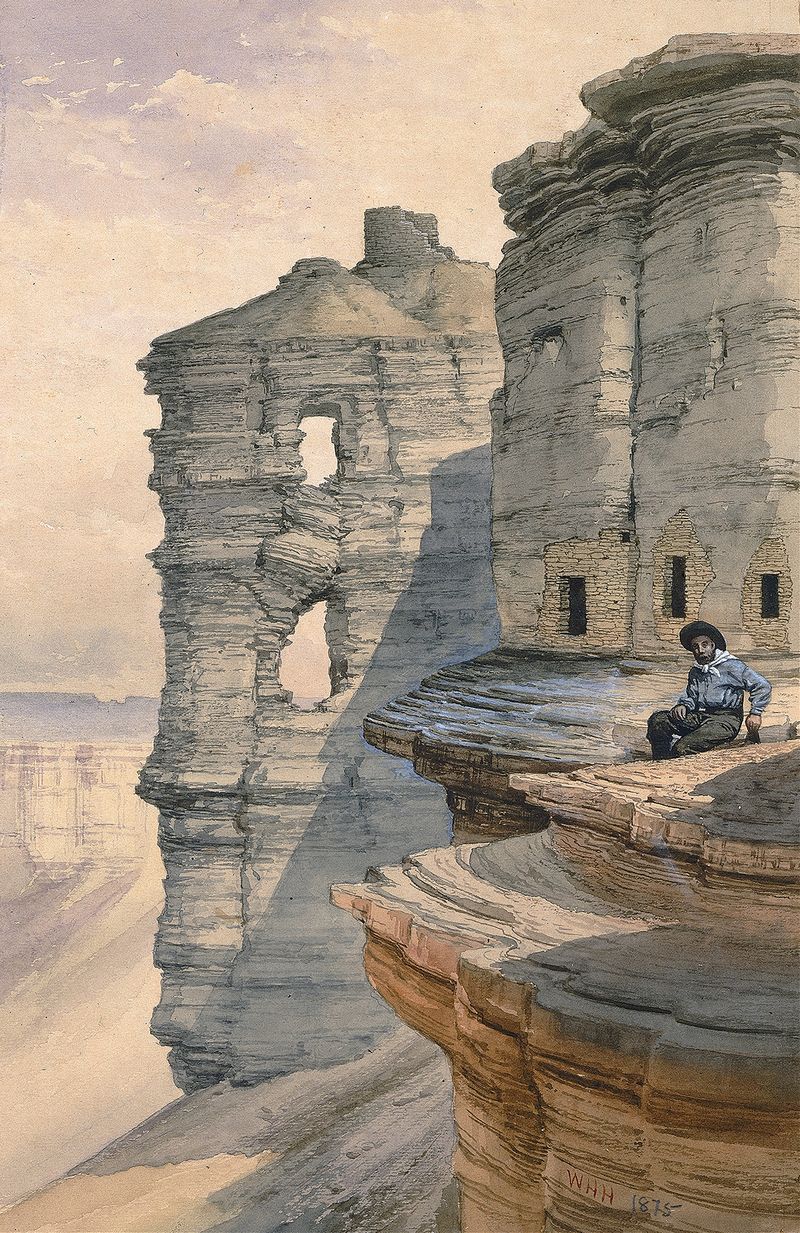
Cliff Houses on the Rio Mancos, Colorado
William Henry Holmes
Cliff Houses On The Rio Mancos, Colorado
William Henry Holmes
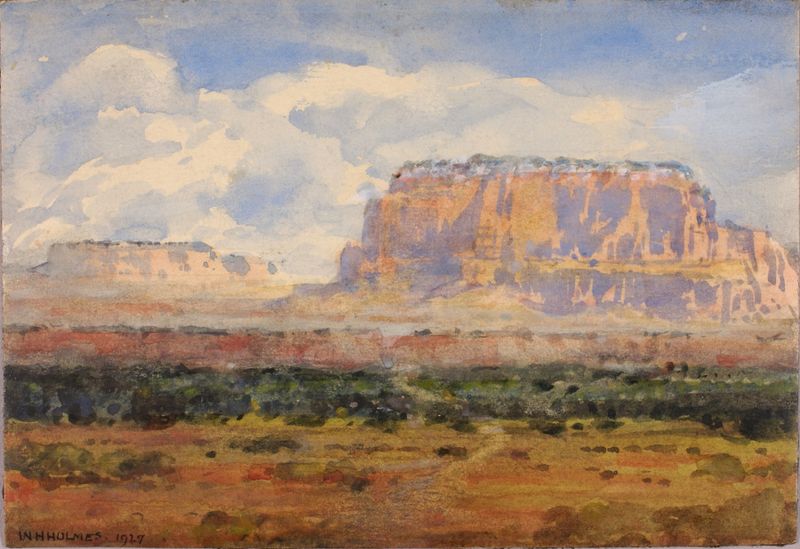
The Enchanted Mesa
William Henry Holmes
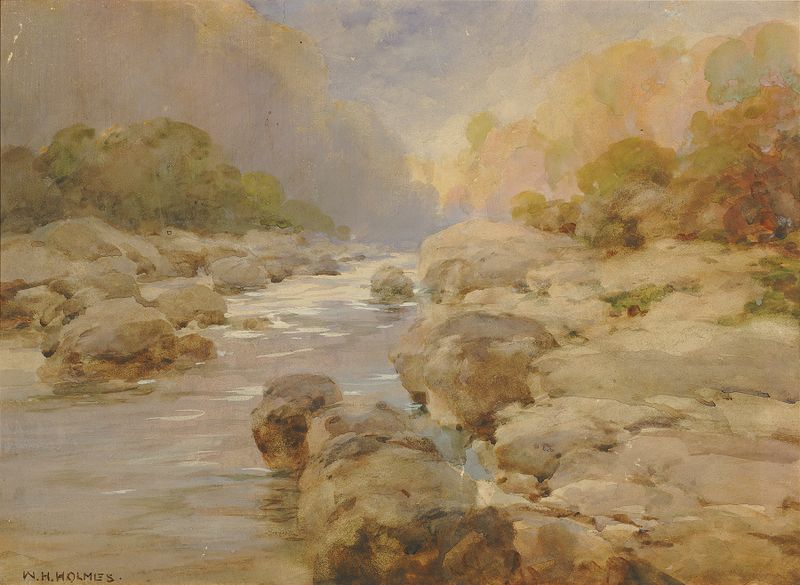
Unmodified Rock Creek, About 1910
William Henry Holmes
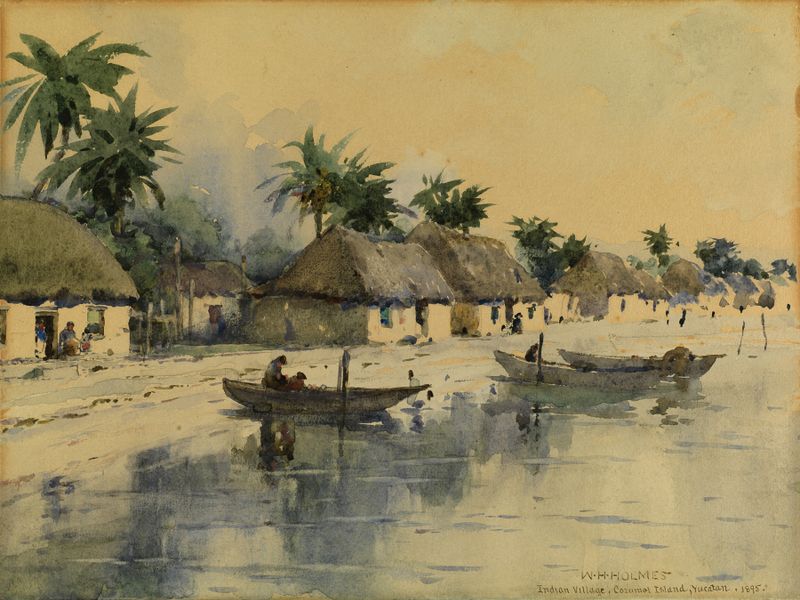
Indian Village, Cozumel Island, Yucatan
William Henry Holmes
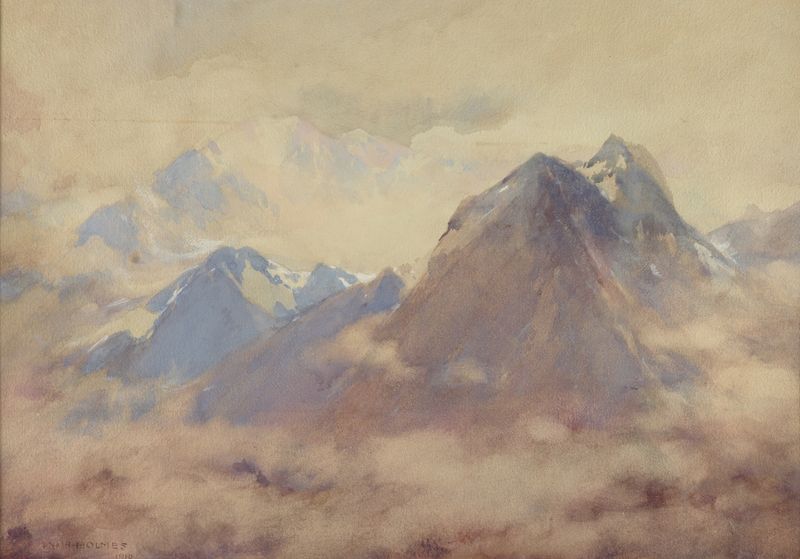
The Almighty’s Own, An Impression Of The High Andes
William Henry Holmes





