
Lucerne et le Pilate — History & Facts
What if beauty was never meant to be finished? In the haunting stillness of solitude, we find ourselves questioning the very nature of completion and the weight of our existence. Look to the upper left, where an ethereal light bathes the landscape, illuminating the serene waters of Lucerne, cradled by majestic mountains. The delicate brushstrokes convey a sense of tranquility, yet it is the subtle gradations of color that evoke an undercurrent of longing. Notice the way the soft blues and greens resonate with an almost melancholic harmony, inviting the eye to wander while simultaneously reminding us of the transience of such beauty. Beneath the surface, hidden stories emerge through the contrast of light and shadow.
The viewer may feel a sense of isolation mirrored in the expansive landscape, where even the vastness appears lonely. The distant figures are mere silhouettes against the grandeur of nature, hinting at a profound disconnect between humanity and the sublime. This duality of beauty and solitude creates an emotional tension—an intimate reflection on the human condition. The artist created this work during a period of personal exploration, likely in the late 19th century, when the Romantic movement was influencing perceptions of nature and emotion.
While little is documented about the exact date, Jacottet's focus on the delicate interplay of light and landscape reveals an artist deeply engaged in themes of beauty and transience. This painting emerges from a time when artists sought to capture fleeting moments, mirroring the struggles and aspirations of their own lives.
More Artworks by Jean Jacottet
Browse all →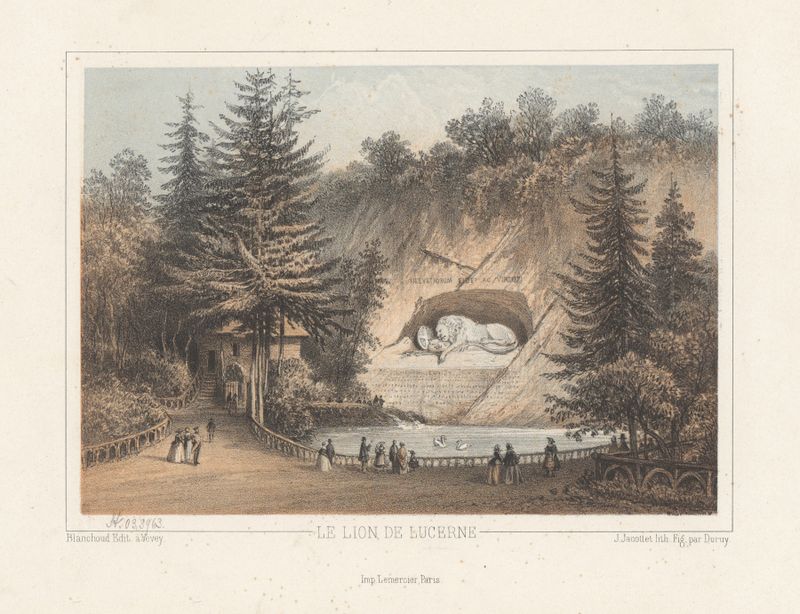
Le lion de Lucerne
Jean Jacottet
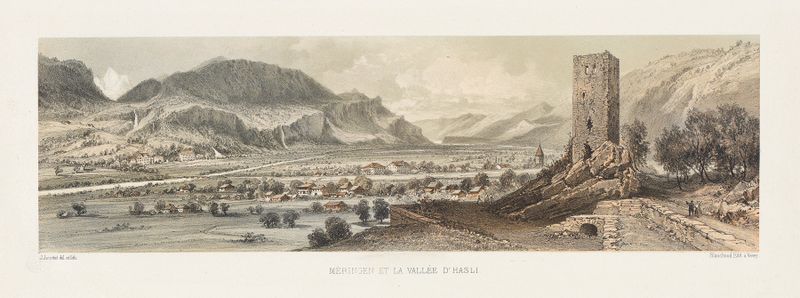
Méringen et la vallée d’Hasli
Jean Jacottet
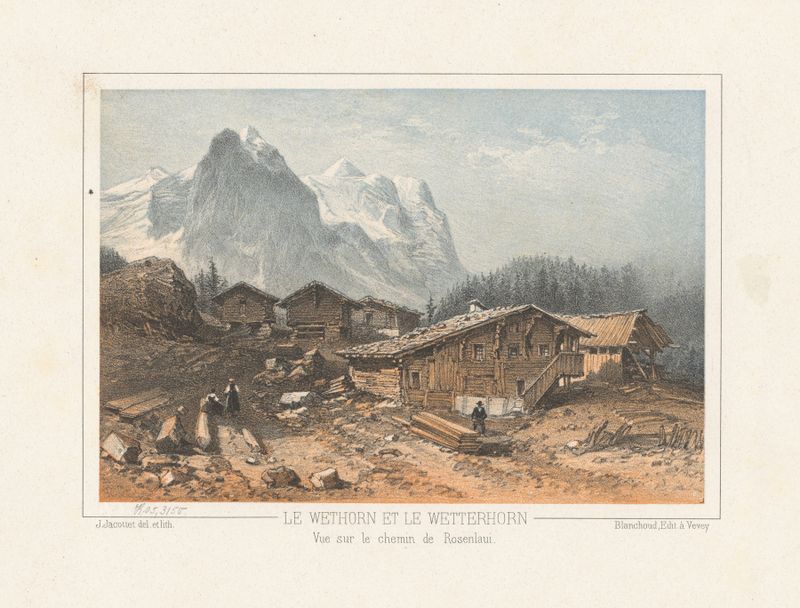
Le Wethorn et le Wetterhorn Vue sur le chemin de Rosenlaui
Jean Jacottet
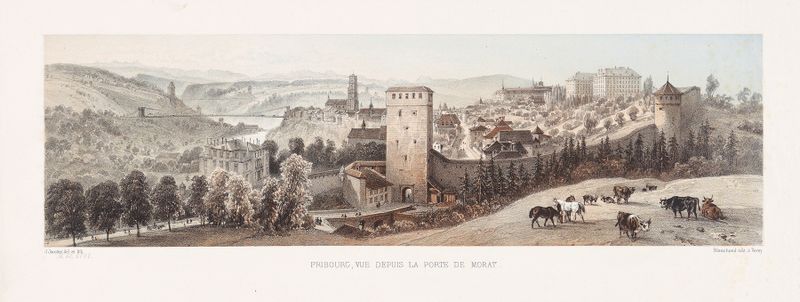
Fribourg, vue depuis la porte de Morat
Jean Jacottet
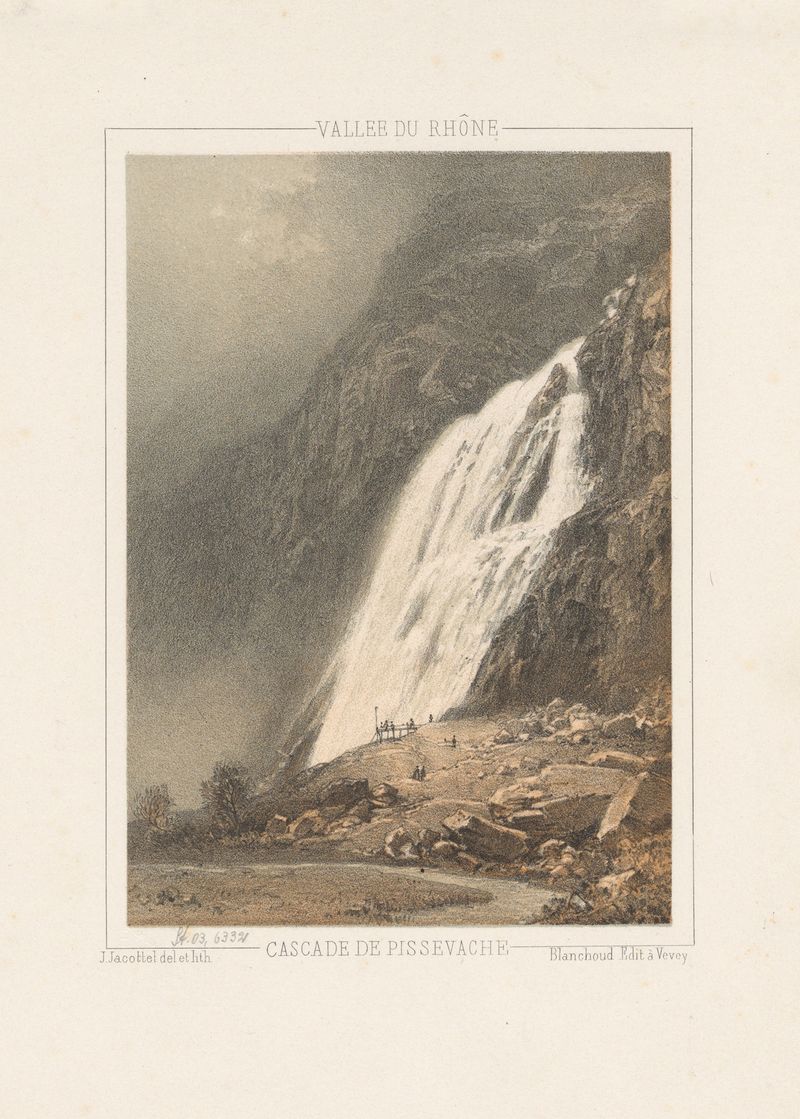
Cascade de Pissevache
Jean Jacottet
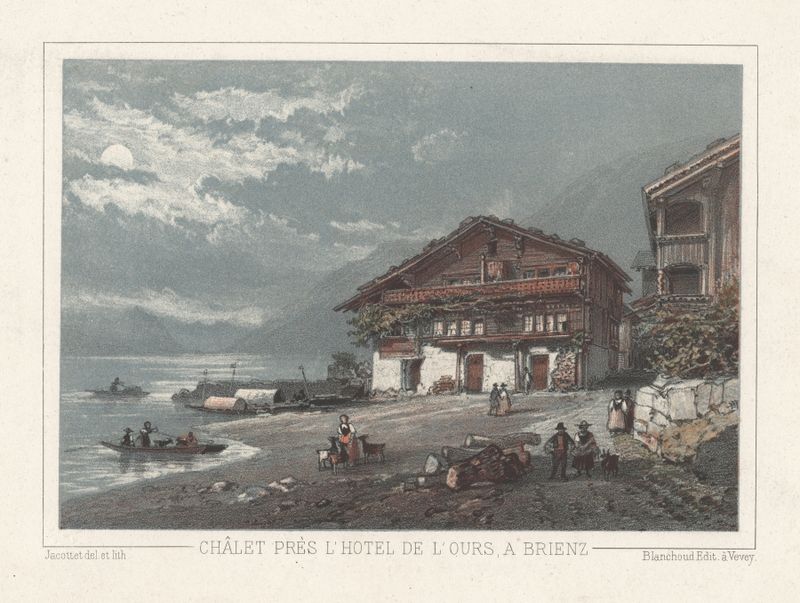
Châlet près l’Hotel de l’Ours, a Brienz
Jean Jacottet
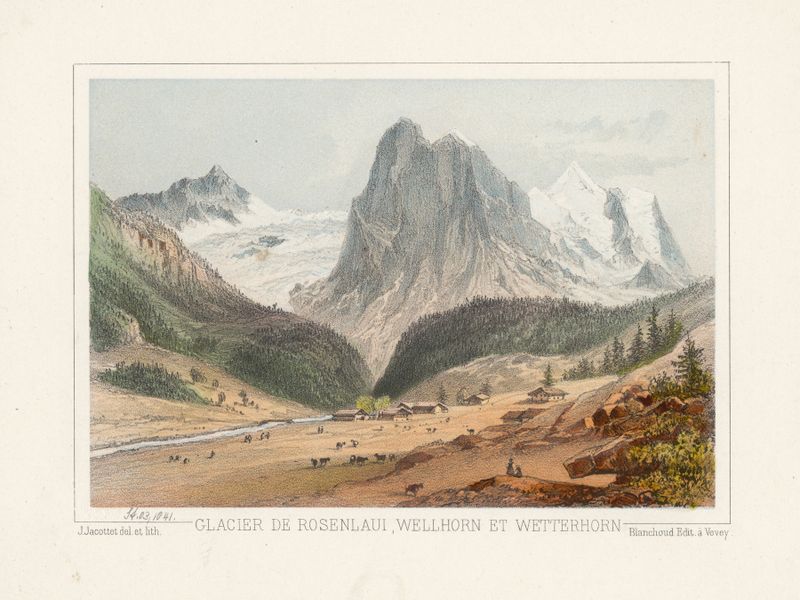
Glacier de Rosenlaui, Wellhorn et Wetterhorn
Jean Jacottet
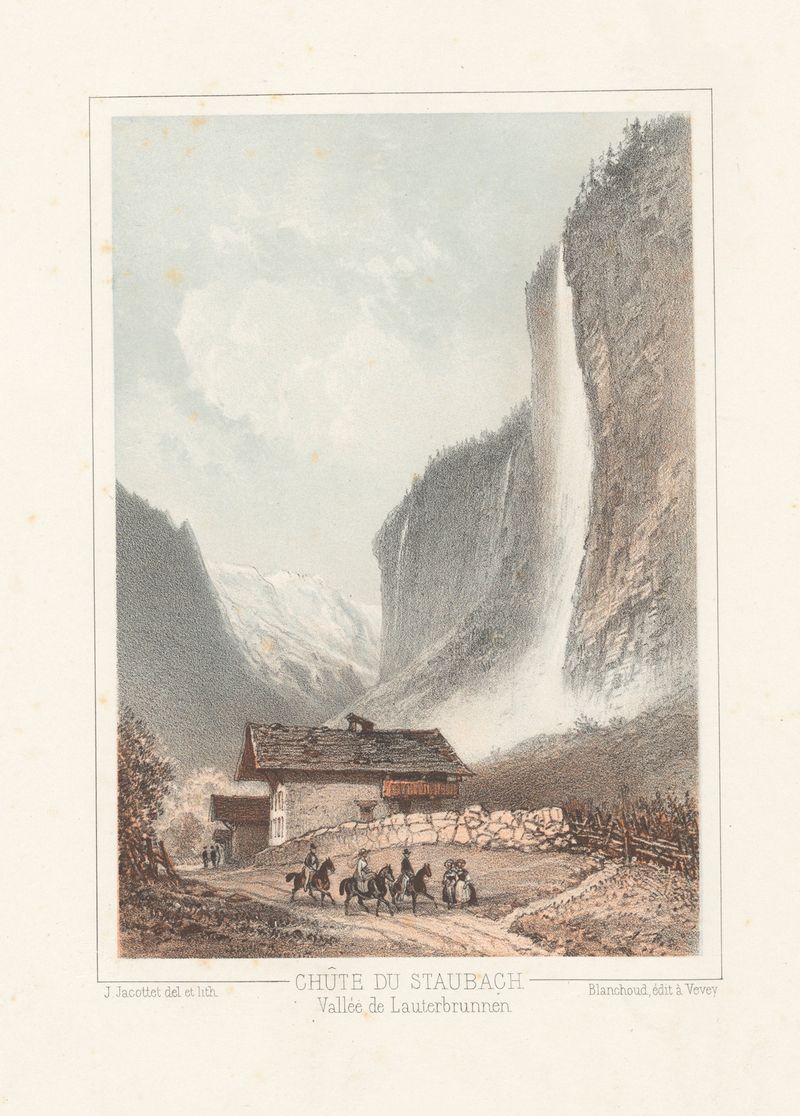
Chûte du Staubach Vallée de Lauterbrunnen
Jean Jacottet
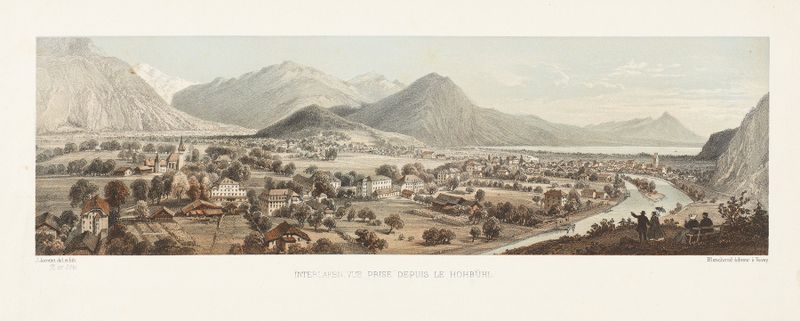
Interlaken, vue prise depuis le Hohbühl
Jean Jacottet
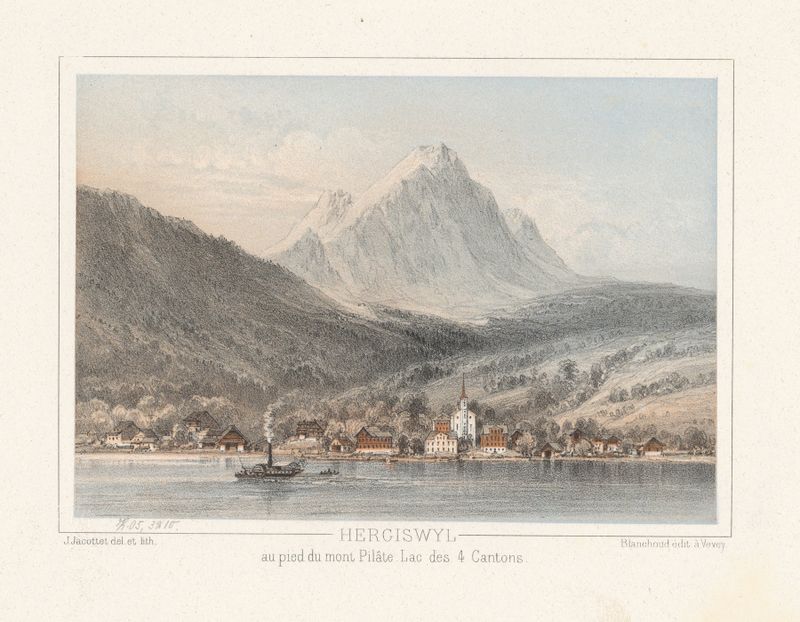
Hergiswyl au pied du mont Pilâte. Lac des 4 Cantons
Jean Jacottet





