
Madonna of the Hills — History & Facts
In the quiet embrace of hues, yearning finds its voice. Look to the center of the canvas, where the figure of the Madonna emerges as a serene focal point, enveloped in rich blues and soft pastels. Notice how the gentle arch of her head, adorned with a delicate veil, captures the light, creating an aura that radiates both warmth and grace. The background, a lush tapestry of rolling hills, blends seamlessly into her presence, each stroke whispering of tranquility and contemplation.
The subtle interplay of shadows and highlights invites the viewer into a sacred space, evoking a sense of peace that is both tangible and elusive. Beneath this tranquil exterior lies a complex interplay of emotion. The Madonna’s downcast gaze reflects a profound humility, yet it is tinged with a sense of longing—perhaps for connection or understanding. The serene hills behind her serve as a stark contrast to her inner turmoil, symbolizing the weight of earthly burdens against divine grace.
The carefully chosen palette evokes a yearning for spiritual solace, leaving a lingering question of what lies just beyond the viewer’s grasp. In the early 20th century, MacLaughlan was active in the American art scene, drawing inspiration from both European influences and the natural landscapes of his surroundings. He painted Madonna of the Hills during a time of personal exploration and artistic development, seeking to express deeper emotional truths through the delicate balance of color and form. His works reflect a transition toward a more introspective style, marked by his exploration of themes that resonate with the human experience.
More Artworks by Donald Shaw MacLaughlan
Browse all →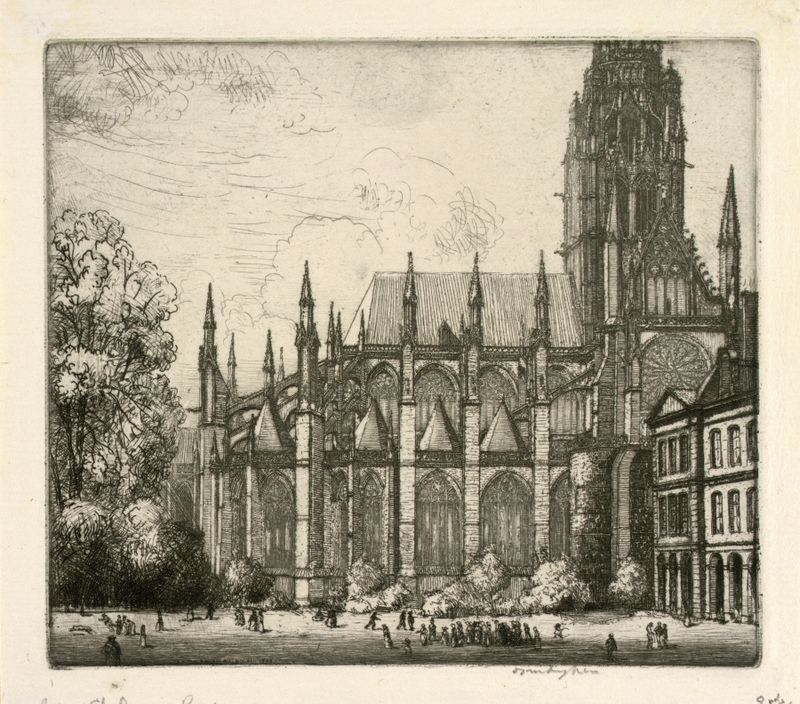
Saint-Ouen, Rouen
Donald Shaw MacLaughlan

Ruelle des Pigeons, Rouen
Donald Shaw MacLaughlan
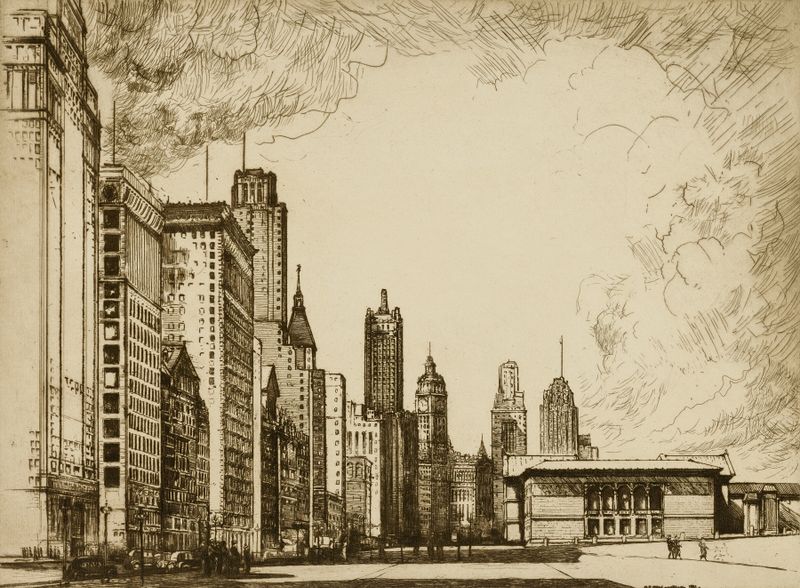
Chicago, Michigan Avenue no. 2
Donald Shaw MacLaughlan
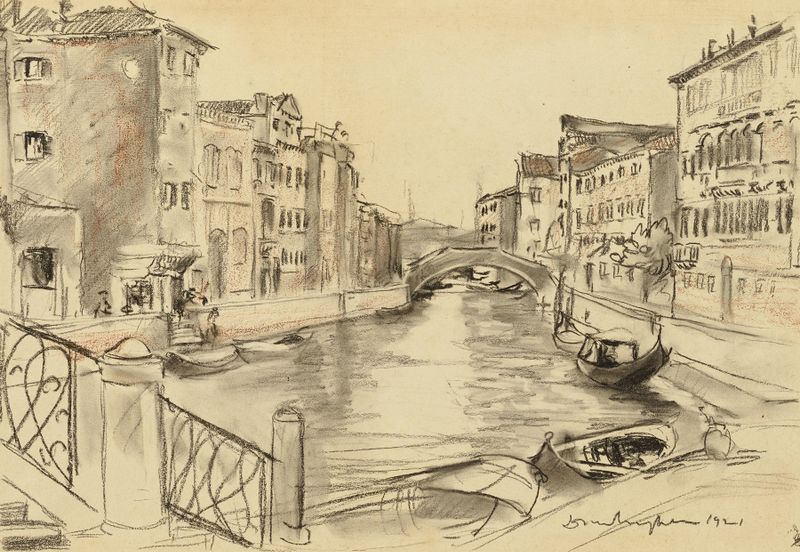
A Canal at Venice
Donald Shaw MacLaughlan
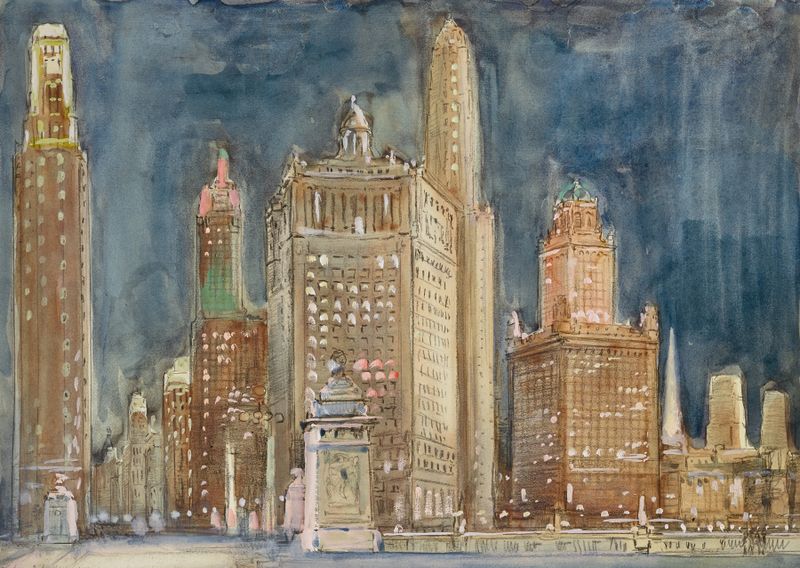
Chicago, London Guaranty Building
Donald Shaw MacLaughlan
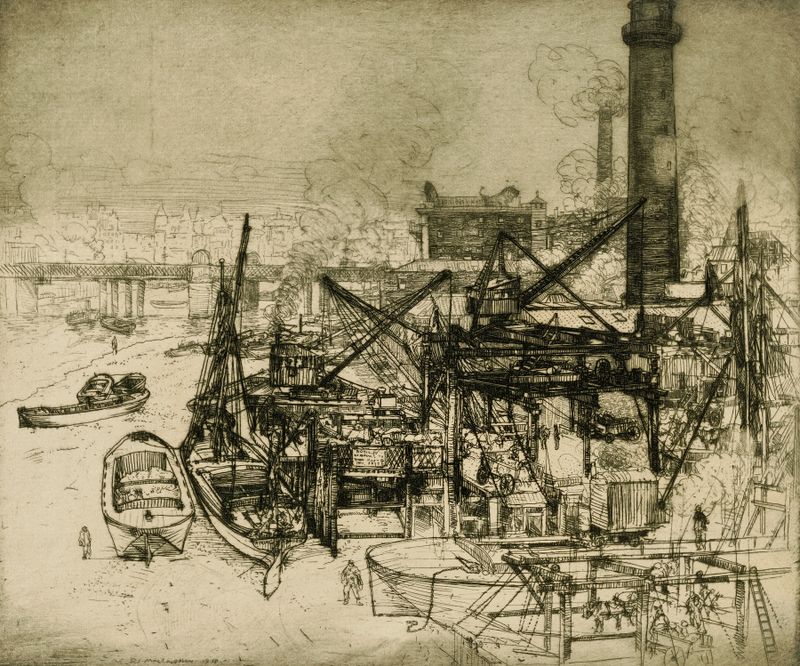
Chimneys and Cranes on the Thames
Donald Shaw MacLaughlan

London on the Thames
Donald Shaw MacLaughlan
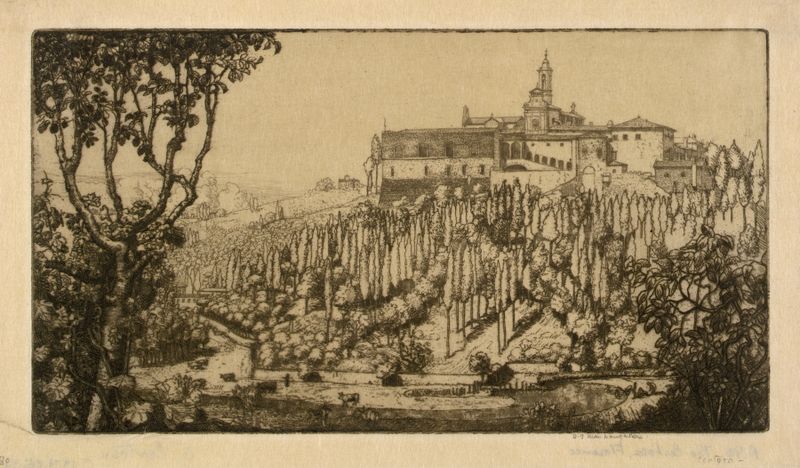
The Certosa, Florence
Donald Shaw MacLaughlan
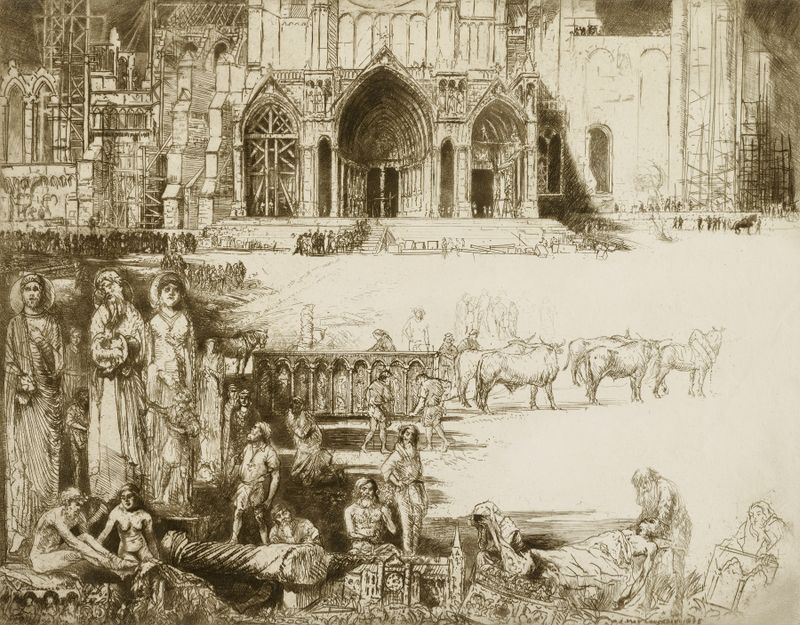
The Builders of Chartres Cathedral
Donald Shaw MacLaughlan

The Canal Life, Venice
Donald Shaw MacLaughlan
More Religious Art
Browse all →
The Return of the Prodigal Son
Rembrandt van Rijn

The Garden of Earthly Delights
El Bosco

Count Orgaz’ funeral
El Greco

The Hundred Guilder Print: the central piece with Christ preaching, the plate arched
Rembrandt van Rijn

The Descent from the Cross
Rogier van der Weyden

The return of the prodigal son
Rembrandt van Rijn