Maine Coast — History & Facts
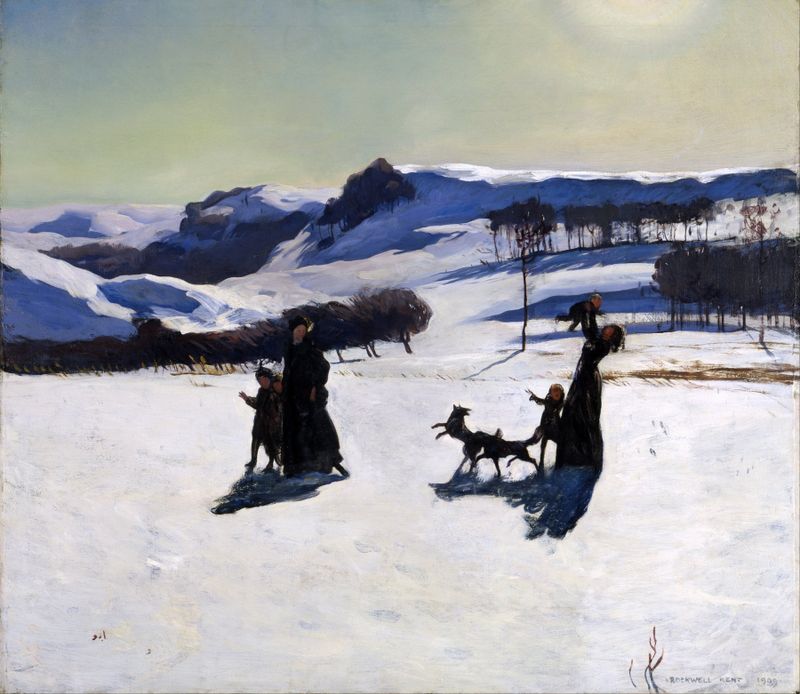
When did color learn to lie? The vibrant hues of blue and green swirl together in a dance that both enchants and deceives the eye, invoking an innocence long forgotten. In this captivating landscape, nature is rendered with a passionate sincerity that feels almost too pure for the human experience. Look to the left at the imposing cliffs that rise dramatically against the sky, where deep emerald greens meet the cerulean sea. Notice how the brushwork seems alive, each stroke defining the jagged edges of the rocks and the gentle waves kissed by sunlight.
The composition draws your gaze toward the horizon, where the interplay of light and shadow crafts a serene yet dynamic atmosphere, inviting contemplation of the beauty and power of the natural world. Hidden within this idyllic scene are tensions that resonate deeply. The allure of the untouched coast contrasts with the fleeting nature of innocence, as the viewer senses the weight of time passing. The soft textures of the clouds above suggest a world that is forever in motion, reminding us that purity is both tangible and ephemeral, existing on the brink of memory.
Each color choice speaks to the duality of nature's beauty and its inherent wildness, creating a delicate balance that lingers in the mind. In 1907, while living in New York and experiencing the vibrant art scene of the time, Rockwell Kent created Maine Coast as a reflection of his deep appreciation for the natural world. Emerging from a period of artistic exploration, he would later be recognized for his bold representations of landscapes that captured both beauty and emotion. This work embodies a moment when the artist was forging his distinct identity, influenced by the ideals of American realism and his personal connection to the rugged coast he cherished.