Snow Fields — History & Facts
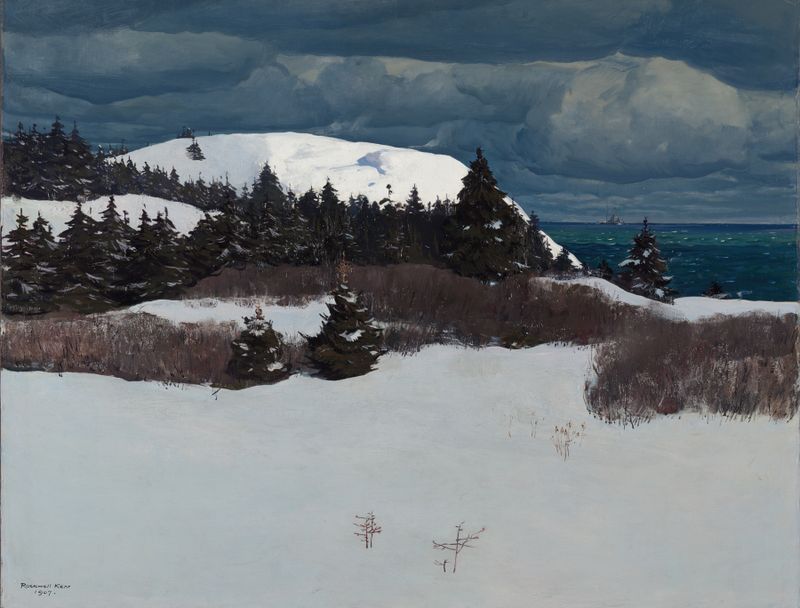
What if silence could speak through light? In Snow Fields, the tranquility of a winter landscape carries an undercurrent of chaos, inviting viewers to explore the delicate balance between serenity and turmoil. Focus on the expanse of white, where the snow-covered fields stretch infinitely, merging with a sky that shifts from the harshness of winter’s grasp to a soft, muted light. Notice how the intricate brushwork captures the shimmering textures of snowflakes, each one unique yet contributing to a blanket of uniformity. The stark contrast of dark, gnarled trees punctuating the landscape draws your eye, embodying the struggle for survival amidst the cold—a reminder that beauty often arises from conflict. Delve deeper into the subtleties; the interplay of light and shadow reveals more than mere aesthetics.
The gentle play of sunlight reflects off the snow, suggesting the fleeting nature of peace in an environment where chaos looms. The twisted forms of the trees whisper of resilience and fortitude, battling against the elements while standing in stark contrast to the soft, unblemished snow—a metaphor for life's turbulent yet beautiful dualities. In the winter of 1934, the artist created this evocative scene while residing in the Berkshires, a time marked by both personal reflection and a broader artistic shift towards embracing nature’s complexities. As the world grappled with the aftershocks of the Great Depression, his work echoed the tension between despair and hope, capturing a moment in which nature's silence held profound meaning amidst the surrounding chaos.