
Maisema, tie, taloja — History & Facts
In the stillness of a landscape, the untouched purity of nature holds a whisper of innocence, urging us to remember the simplicity we often overlook. Look to the foreground where a narrow path winds gently through soft, verdant fields, inviting the viewer to step into the serene embrace of the scene. Notice how the light spills across the canvas, casting a warm golden hue that bathes the quaint houses nestled in the distance, their roofs embracing the earth as if to protect the modest lives within. The harmonious blend of blues and greens cradles the viewer’s eye, drawing attention through the gentle curves of the road and into the welcoming arms of the horizon. Delve deeper, and you'll uncover a poignant juxtaposition between the idyllic charm of rural life and the encroaching shadows of modernity.
The innocence of the landscape symbolizes a fleeting connection to simpler times, further emphasized by the subtle interplay of light and shadow that hints at both tranquility and impending change. The scene evokes nostalgia, making the viewer ponder what innocence means in an ever-evolving world. Magnus Enckell painted Maisema, tie, taloja between 1910 and 1911, during a period marked by artistic exploration and a movement towards modernism in Finland. At this time, Enckell was deeply influenced by the Symbolist movement, seeking to convey emotion and meaning beyond mere representation.
The painting reflects his desire to capture the essence of a landscape that resonates with deeper sentiments, reminding us of a simpler, more innocent reality in a time of change.
More Artworks by Magnus Enckell
Browse all →
From Suursaari Island
Magnus Enckell
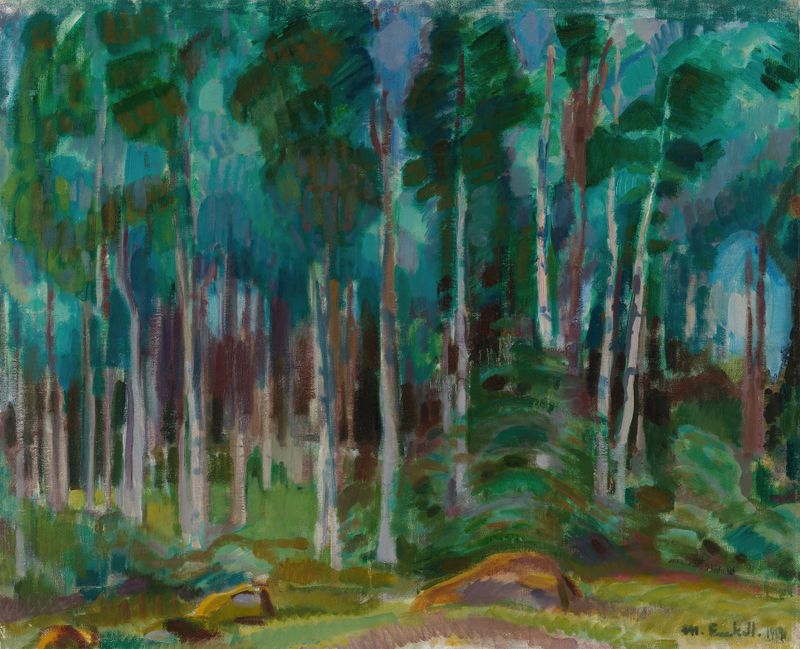
Birches in Vääksy
Magnus Enckell

Maisema, puita
Magnus Enckell

Maisema
Magnus Enckell

Maisema, puita
Magnus Enckell

Seaside Landscape from Suursaari Island
Magnus Enckell

Kaupunkikuva, puistoa, ajureita
Magnus Enckell

Puutarha
Magnus Enckell
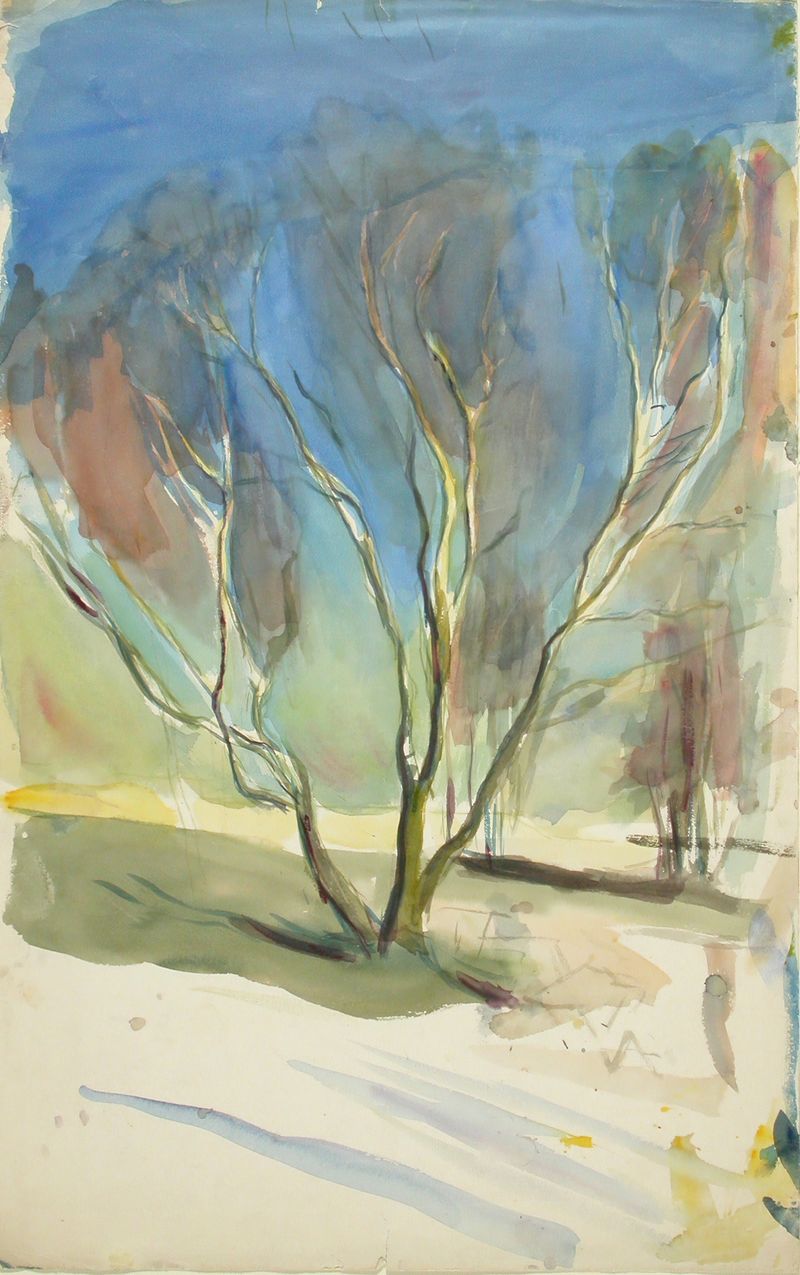
Landscape
Magnus Enckell

Maisema, pensaita, puita ja torni, luonnos
Magnus Enckell





