
Maison au clair de lune — History & Facts
Can paint confess what words never could? In Maison au clair de lune, a profound silence hangs over the moonlit scene, whispering secrets of solitude and longing. The painting invites viewers into a realm where light and shadow intertwine, crafting a haunting narrative that resonates deep within the soul. Look closely at the foreground, where soft, muted colors blend seamlessly into the soft glow of the moon. The house, bathed in silvery light, stands as the focal point.
Notice how the delicate strokes and dappled textures create a sense of warmth amidst the cool night air. The surrounding trees frame the composition, their darkness enhancing the luminous quality of the architecture, drawing the eye inwards and encouraging a contemplative gaze. Beyond the surface, the contrasting details reveal layers of meaning. The intimate illumination serves as a metaphor for connection and isolation, suggesting a hidden narrative behind the closed windows.
The void of the night sky contrasts with the vibrancy of the house, hinting at the emotional states of the inhabitants within. Each brushstroke resonates with the tension between the desire for illumination and the enveloping shadow of solitude. Henri Le Sidaner painted Maison au clair de lune in 1902 while residing in the tranquil French town of Gerberoy. At this time, he was exploring the interplay of light and atmosphere, influenced by the Impressionist movement yet striving for a more introspective expression.
His work reflects a period of personal transition, marked by a deep connection to the landscapes and stillness around him, capturing the emotional essence that permeates this evocative piece.
More Artworks by Henri Le Sidaner
Browse all →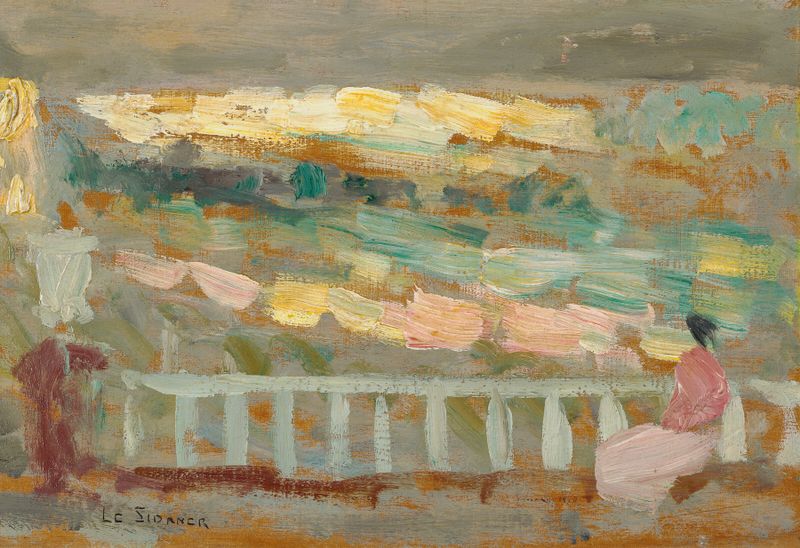
Terrasse à Gerberoy
Henri Le Sidaner
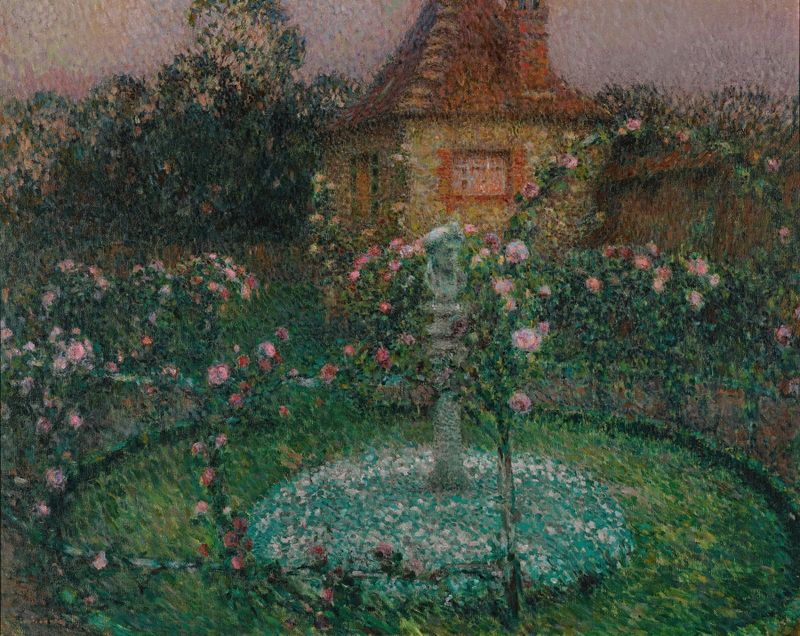
Le Pavillon, Gerberoy
Henri Le Sidaner
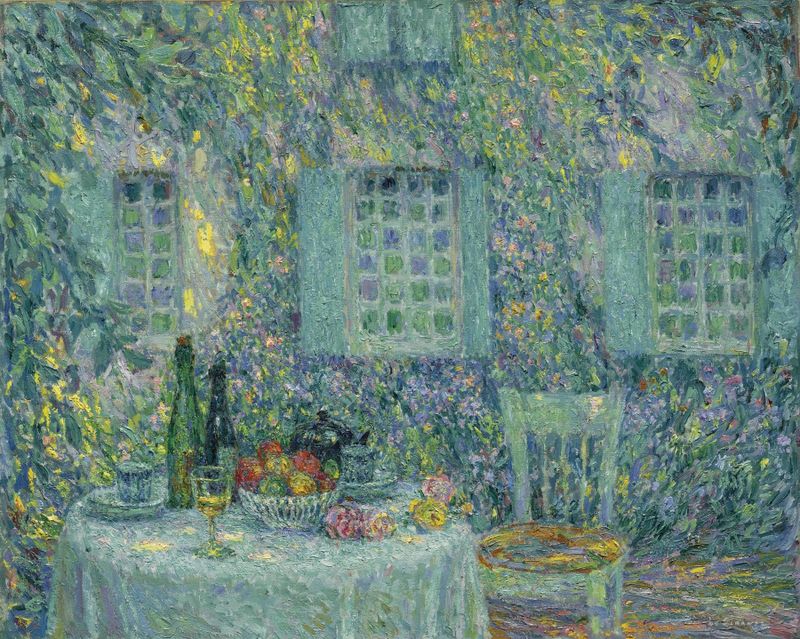
La Table, soleil dans les feuilles, Gerberoy
Henri Le Sidaner
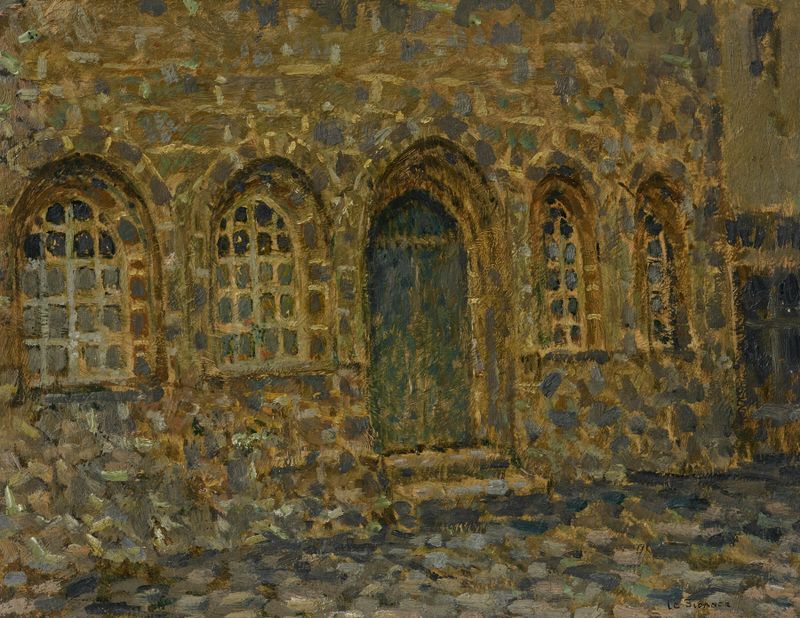
Maison ancienne, Tréguier
Henri Le Sidaner
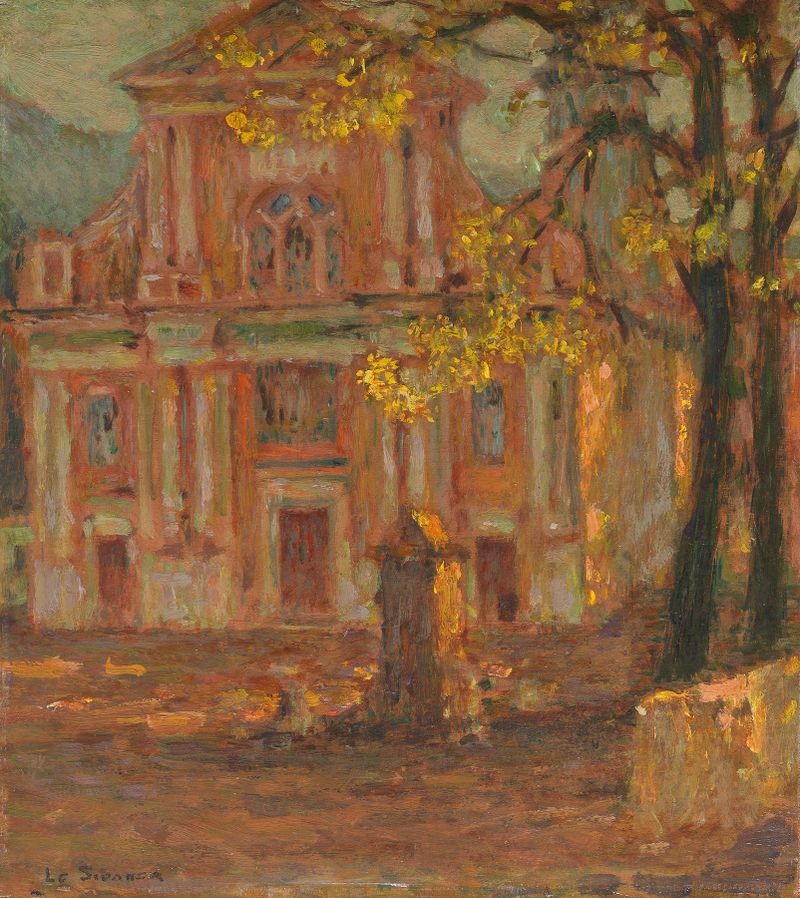
L’église, Dolceacqua
Henri Le Sidaner
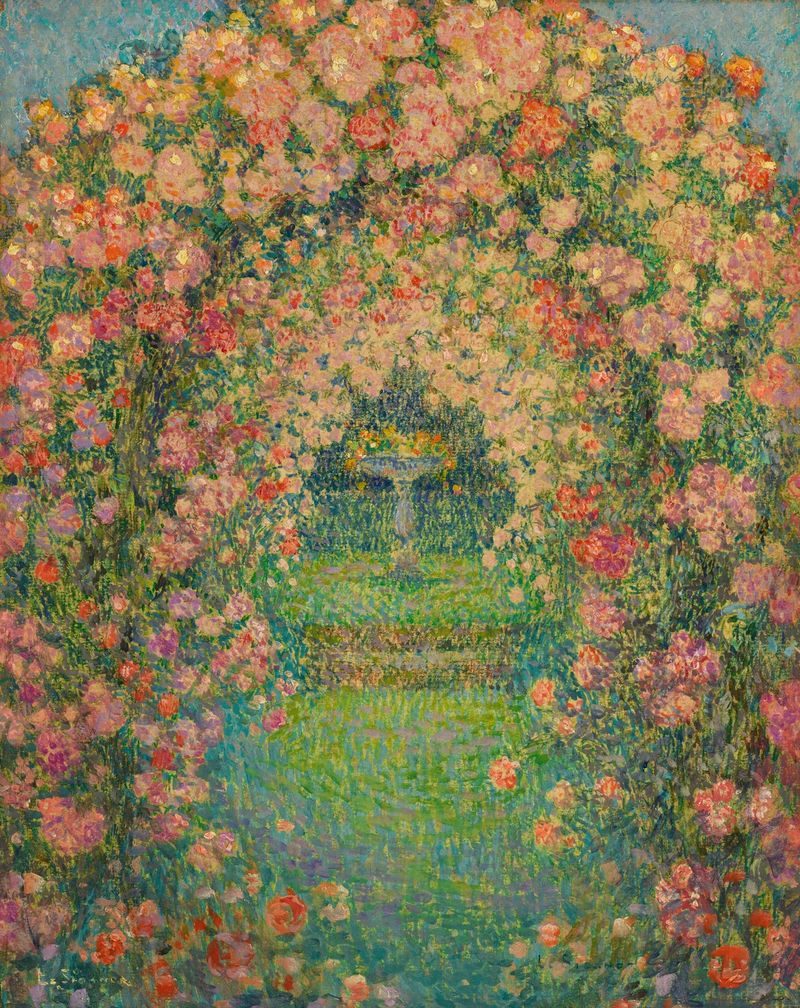
La Roseraie, Gerberoy
Henri Le Sidaner
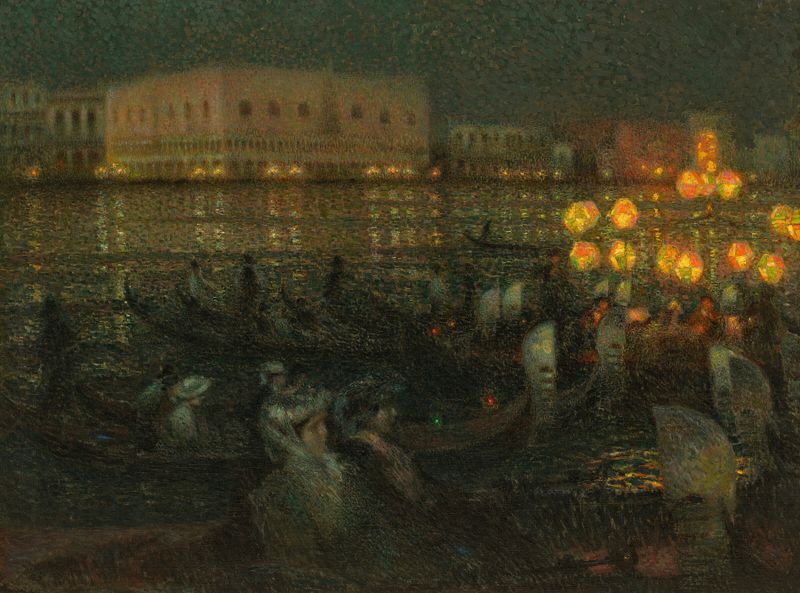
La Sérénade, Venise
Henri Le Sidaner
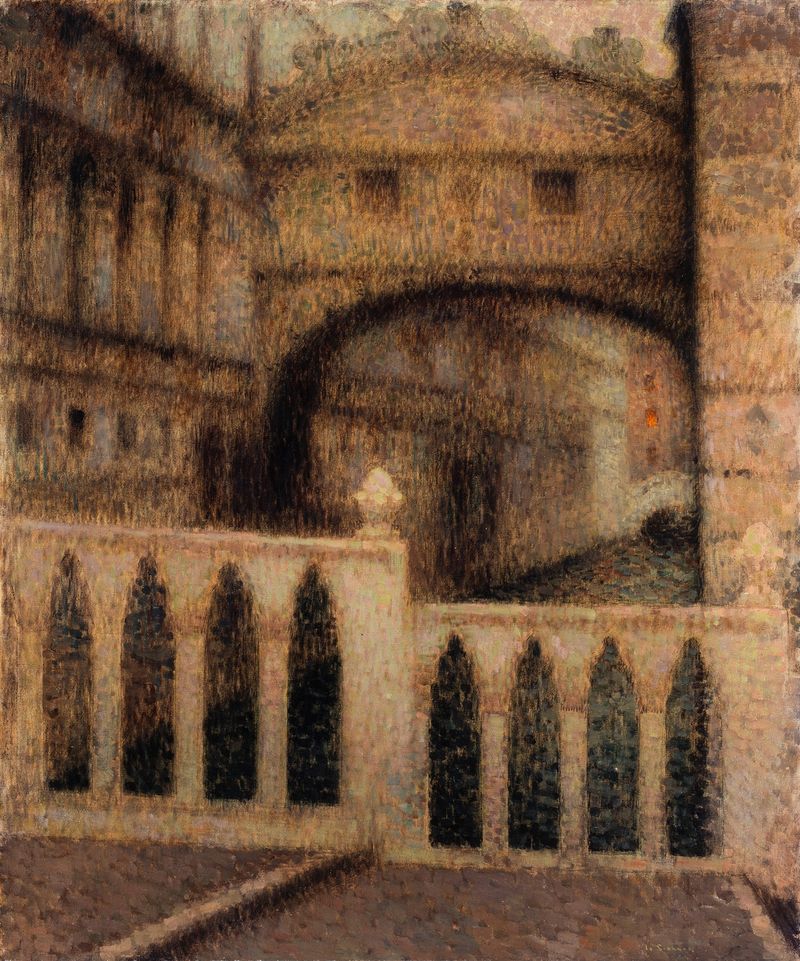
Le pont des Soupirs
Henri Le Sidaner
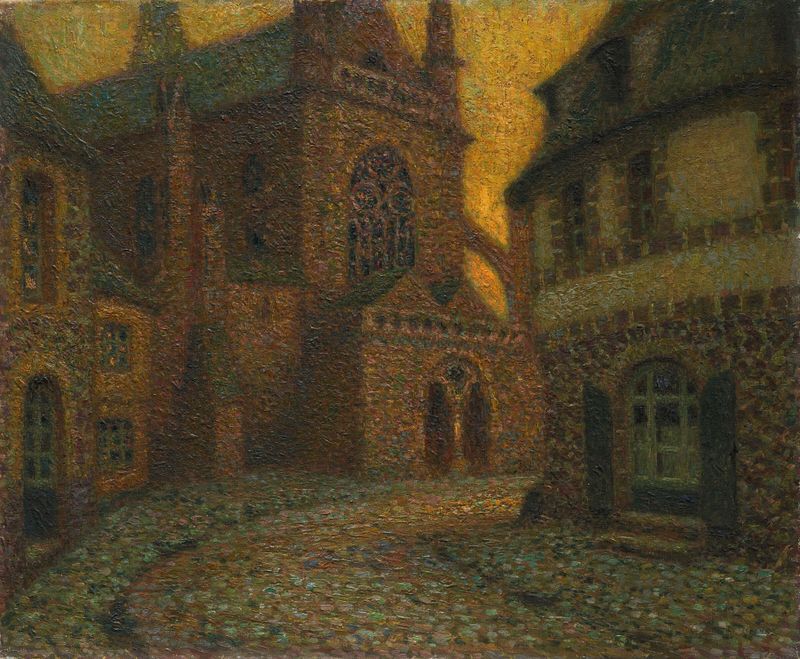
L’Église, Tréguier
Henri Le Sidaner
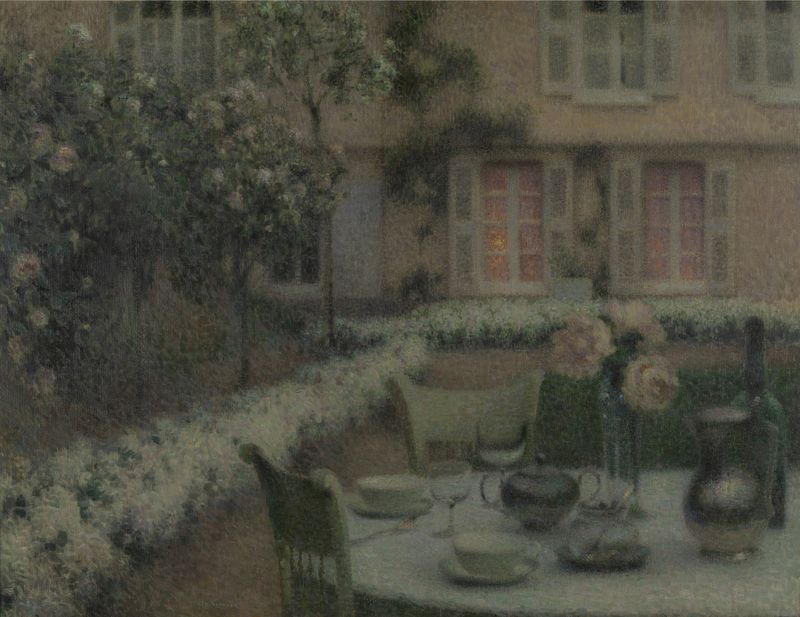
The Table in the White Garden at Gerberoy
Henri Le Sidaner





