Malerei — History & Facts
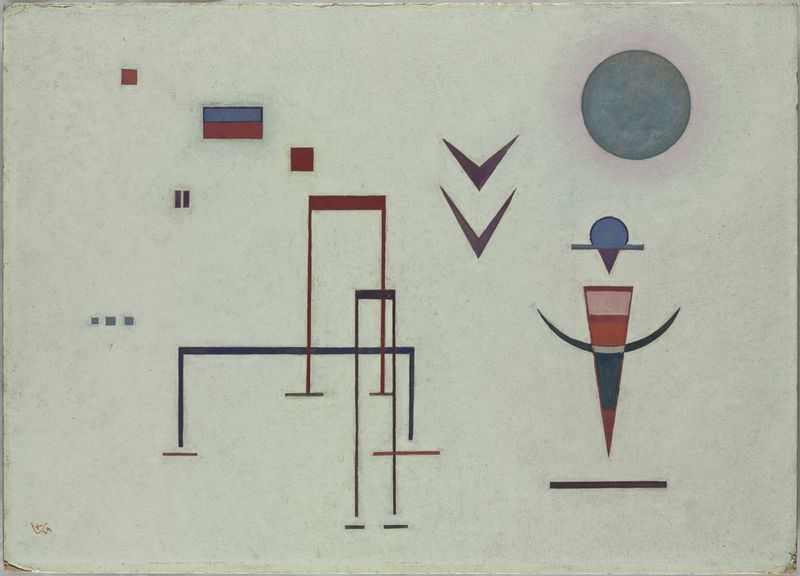
Who listens when art speaks of silence? In Malerei, the absence of sound becomes a profound statement, echoing the void that resides within each of us. Begin by observing the stark simplicity of the canvas. Look to the center where broad swathes of muted color converge, a faint interplay of greys and whites that create an atmosphere of quiet introspection. Notice the subtle variations in texture; some areas are smooth while others are visibly raw, inviting a tactile response.
This contrast draws you into the heart of the work, where the artist’s intention seems to dissolve into the background, leaving only the essence of thought and feeling. Dig deeper, and you’ll find a haunting tension between presence and absence. The void in the painting compels viewers to confront their own emotions, evoking feelings of isolation or contemplation. There’s an interplay of light and shadow that suggests the weight of unexpressed words, while the unadorned surface reflects the struggle to articulate the inarticulable.
Each brushstroke carries the weight of silence, leaving an imprint of what remains unsaid. Created during an indeterminate period in the artist's life, Malerei marks a pivotal moment in Wolfgang G. Schröter's exploration of abstraction. While the specifics of this painting's context remain elusive, it aligns with a broader post-war movement that sought to express inner turmoil through the simplicity of form and color.
At this time, the art world was grappling with existential questions, and his work spoke to the collective consciousness, inviting reflection on the silent spaces that inhabit our lives.