
Man op troon en menigte mensen — History & Facts
In the realm of art, desire pulsates through the canvas, inviting the viewer to lose themselves in the moment captured by the artist's hand. Look to the center, where a figure sits regally upon a throne, a striking embodiment of authority. The rich fabrics of his attire cascade down, their deep hues contrasting with the softer pastels of the crowd gathered before him. Notice how the light illuminates the figure's face, drawing attention to his commanding gaze, while shadows play delicately across the anxious faces of those surrounding him, creating a palpable tension that speaks of longing and ambition. Within the vibrant assembly, varying expressions reveal layers of desire — awe, envy, hope.
The faces of the crowd reflect their yearning for connection or recognition, while the solitary figure on the throne suggests power and isolation. This juxtaposition creates a dialogue between the desire for societal belonging and the individual burden of authority, reminding us of the age-old complexities of human relationships. Created between 1520 and 1570, this artwork emerges from a period of significant political and social shifts in Europe. As monarchies solidified their grip, artists began to explore themes of power and desire, often influenced by the complex interactions between rulers and their subjects.
The unknown artist captured this dynamic in a moment that resonates with timeless relevance, inviting reflection on the inherent desires that shape our existence.
More Artworks by Unknown Artist
Browse all →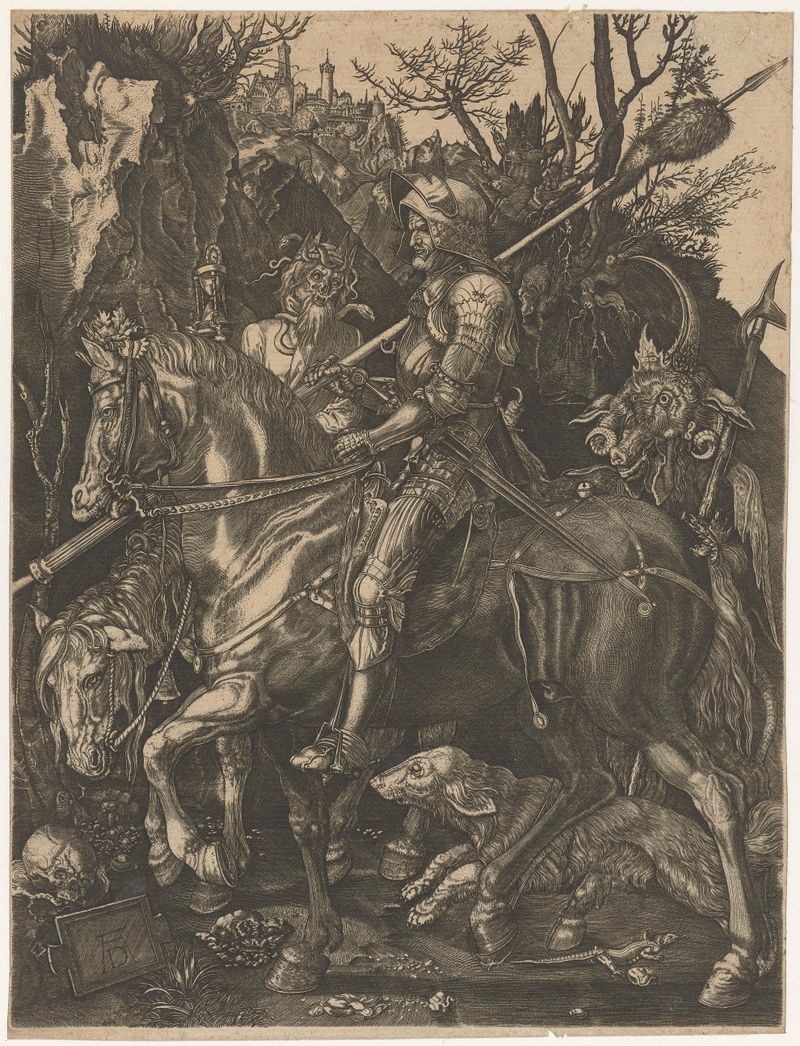
Ridder, Dood en Duivel
Unknown Artist
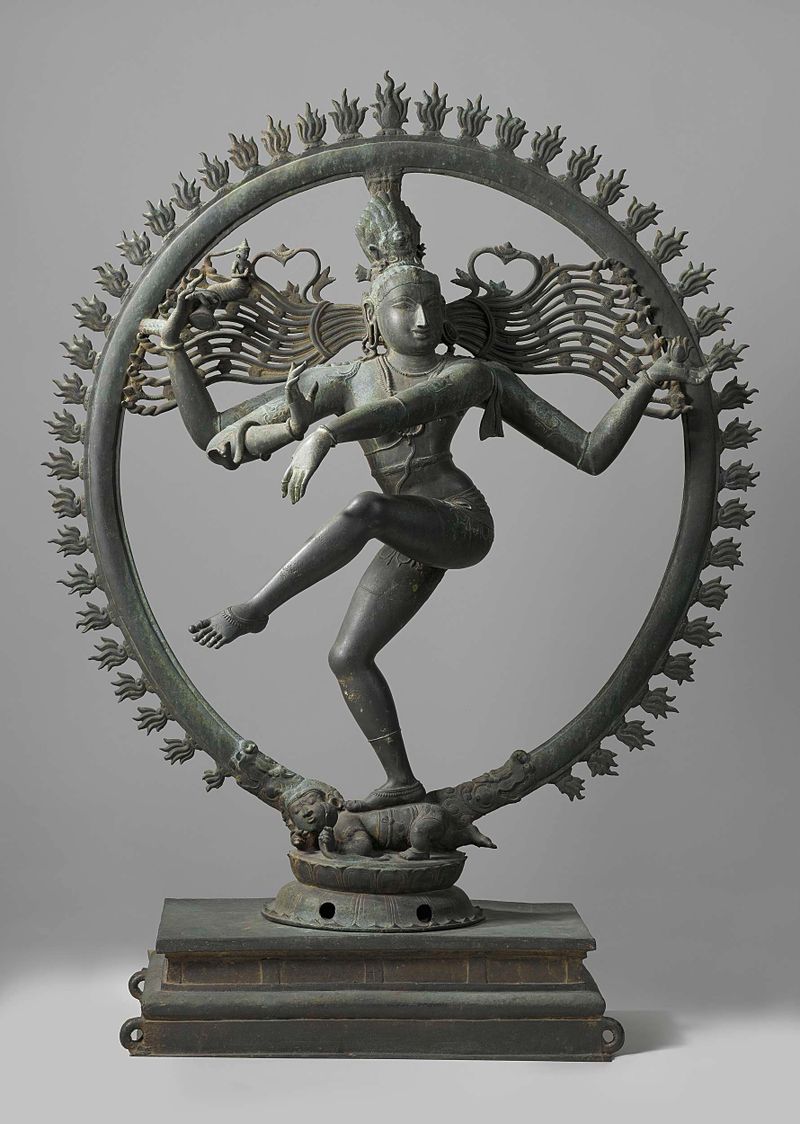
Shiva Nataraja
Unknown Artist
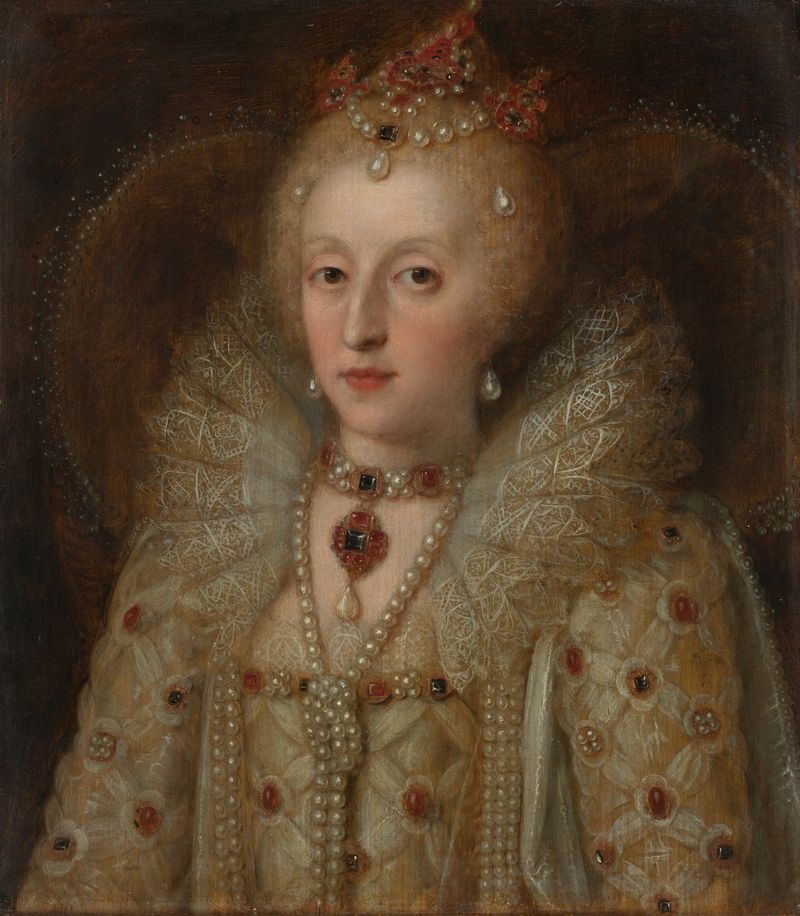
Portrait of Elizabeth I, Queen of England
Unknown Artist
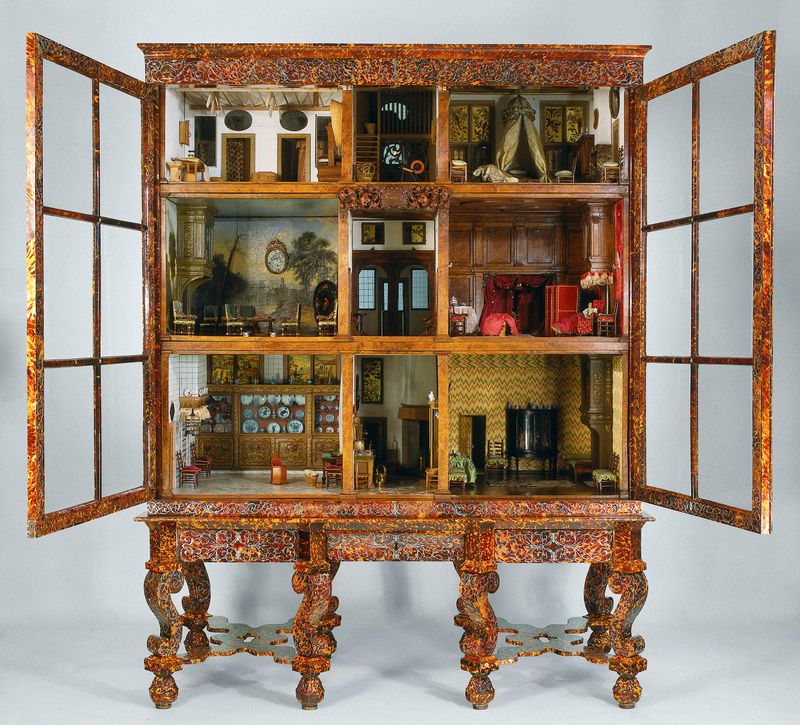
Dolls’ house of Petronella Oortman
Unknown Artist
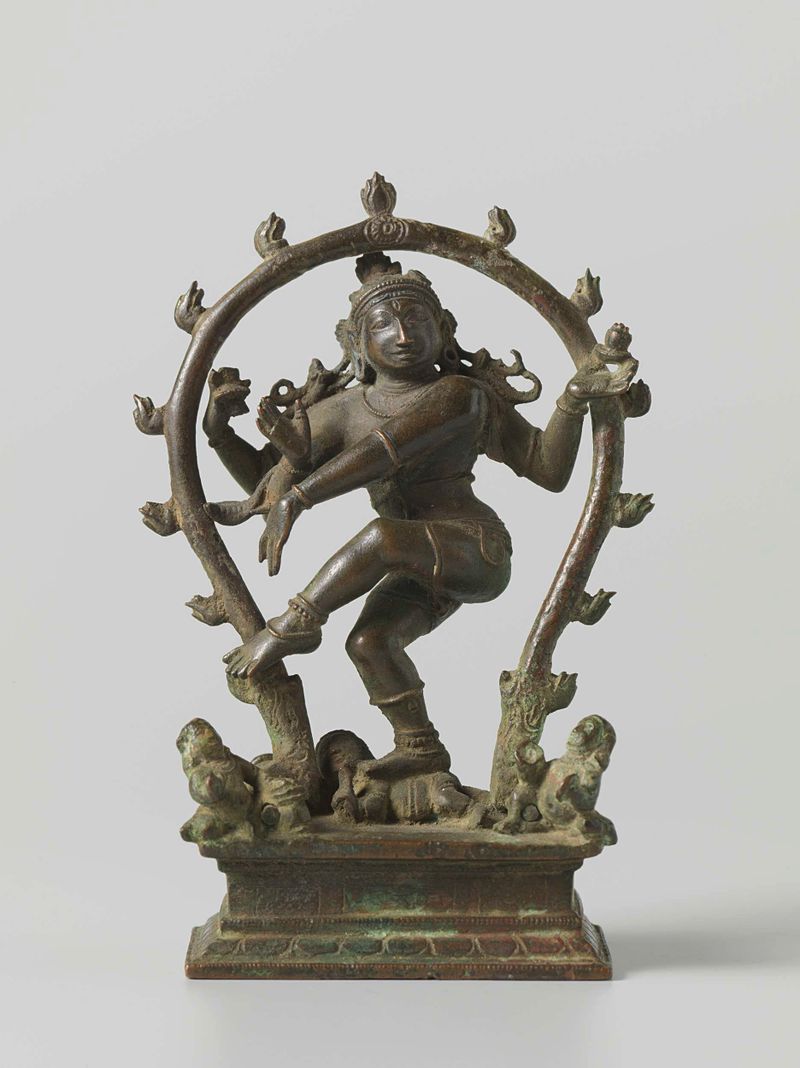
Shiva Nataraja
Unknown Artist

The Tale of Genji
Unknown Artist

The Tale of Genji
Unknown Artist

Cong
Unknown Artist
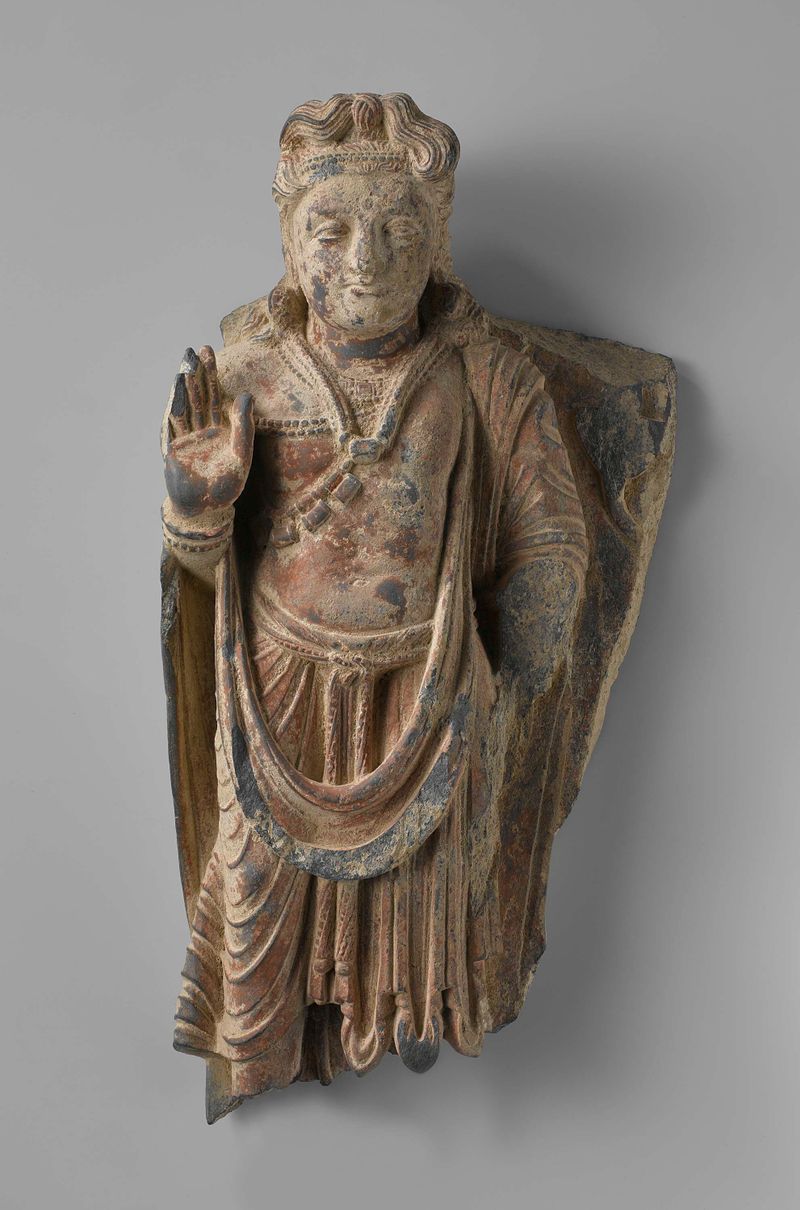
The bodhisattva Maitreya
Unknown Artist

Teabowl with a 'hare's fur' glaze
Unknown Artist





