March-Auen im Frühling — History & Facts
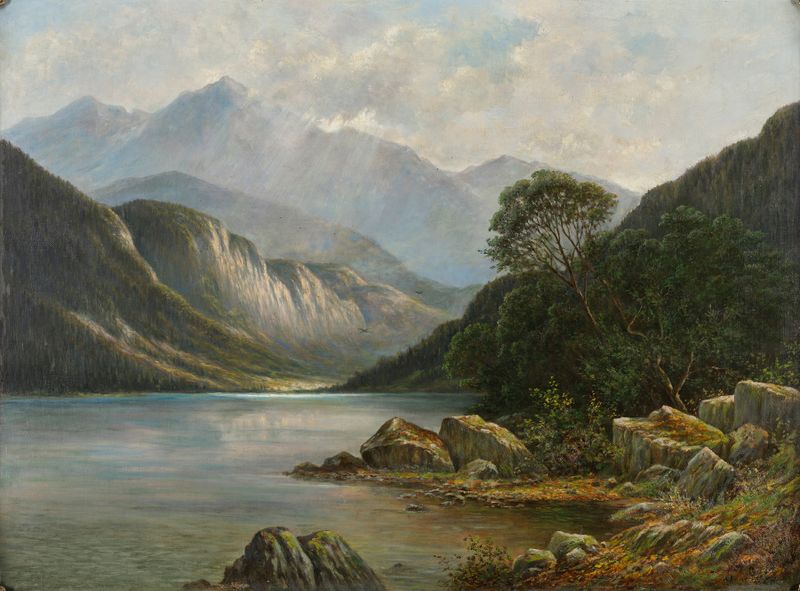
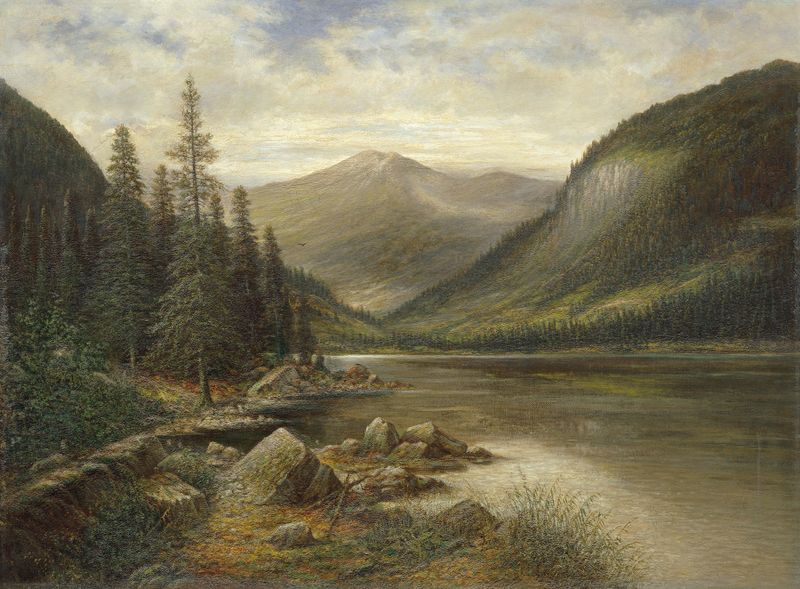
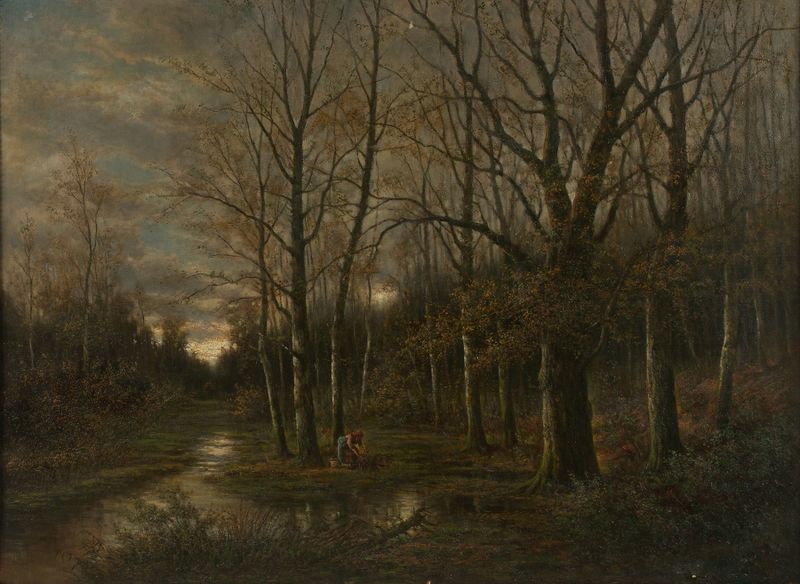
When did color learn to lie? In the delicate brushstrokes of early 20th-century art, vibrant hues reveal both truth and illusion, inviting us to question the legacy they convey. Look closely at the serene landscape, where lush greens and soft pastels dissolve into one another, creating a harmonious blend that draws the eye across the canvas. Notice how the light dances upon the water's surface, casting shimmering reflections that seem to whisper secrets of the season. The composition, framed by gentle hills and blossoming trees, evokes a sense of tranquility, while the soft transitions of color suggest the ephemeral nature of spring. Yet, beneath this idyllic façade lies a tension between idealism and reality.
The vibrant palette may celebrate the beauty of rebirth, but it also hints at the fleeting nature of time — each blossom a reminder of life’s transience. The artist's meticulous attention to both detail and light contrasts with the underlying narrative of change, inviting viewers to ponder what lies beyond this serene moment. What does it mean for beauty to persist while acknowledging its own impermanence? In the decade leading up to 1910, the artist was immersed in the cultural shifts of Austria, where the influence of the Vienna Secession was blooming.
This movement championed new approaches to art, emphasizing innovation and personal expression. Paschinger, capturing the essence of spring with his brush, was part of a broader dialogue that sought to redefine the relationship between nature, emotion, and artistic legacy.