
March of the Pori Regiment — History & Facts
The first thing that grips the viewer in March of the Pori Regiment is the unwavering determination etched into the faces of the young drummers, their cheeks flushed by the cold, their eyes set straight ahead. The snow underfoot is thick and uneven, yet the line holds steady, boots pressing into the whiteness as if each step is a small act of defiance. The drums, battered and golden, catch the last orange light of a winter sunset, their surfaces worn by use but still gleaming.
Behind them, a dense rank of soldiers advances, bayonets and standards rising into the sky, their dark uniforms blending into the dusk. The composition draws the eye from the bright, almost metallic drums to the horizon, where the sky burns with the promise or threat of what is to come. Painted in 1892 by Albert Edelfelt, this work belongs to a tradition of late nineteenth-century historical painting that sought to recover and dramatize moments of national significance. The War of 1808–1809, which redrew the map of Finland, was a subject of renewed interest in Edelfelt’s era, as artists and patrons alike looked to the past for stories of endurance and identity.
Such paintings were often commissioned for public spaces or patriotic societies, intended to inspire and educate as much as to commemorate. While little is recorded about the specific journey of this canvas, its presence in the Vesa Aaltonen collection today is a testament to the enduring fascination with these moments when history seems to march on the faces of ordinary people. The next time you look, follow the line of drums and let your eye linger on the smallest details—the patched boots, the frostbitten fingers, the steady hands that keep the regiment moving forward.
More Artworks by Albert Edelfelt

The Day of Rest
Albert Edelfelt
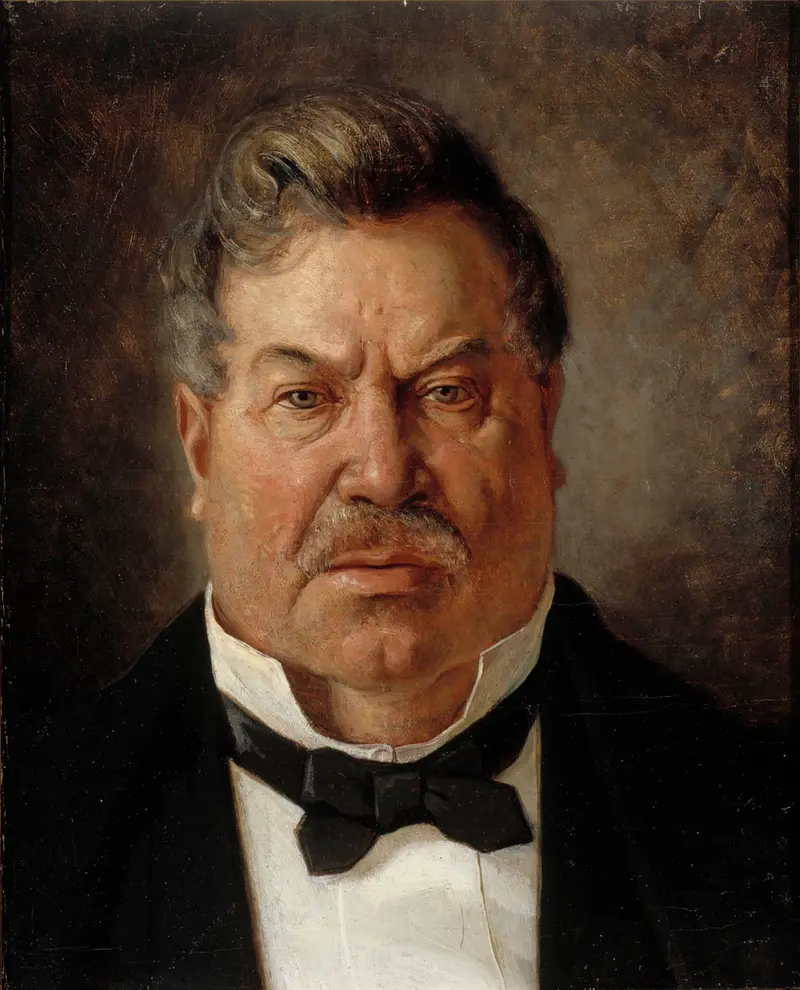
Portrait of August Streng
Albert Edelfelt
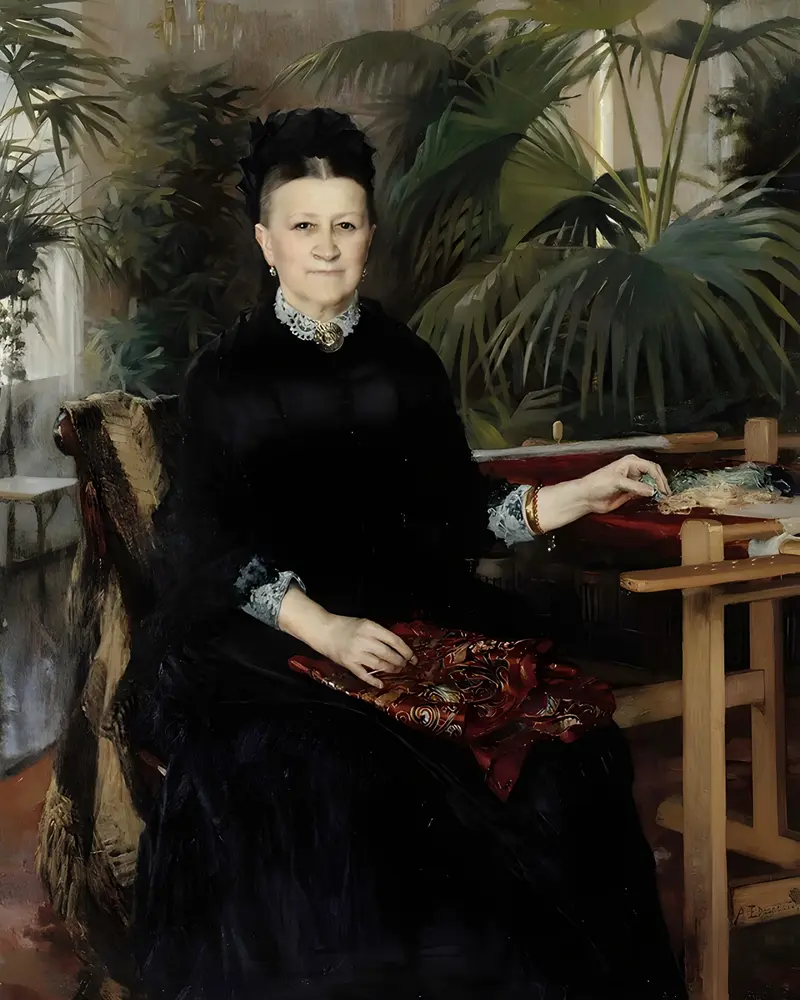
Portrait Of Mrs. Anna Sinebrychoff
Albert Edelfelt

The Poet, Larin Paraske
Albert Edelfelt

Parisian lady in a Peignoir
Albert Edelfelt
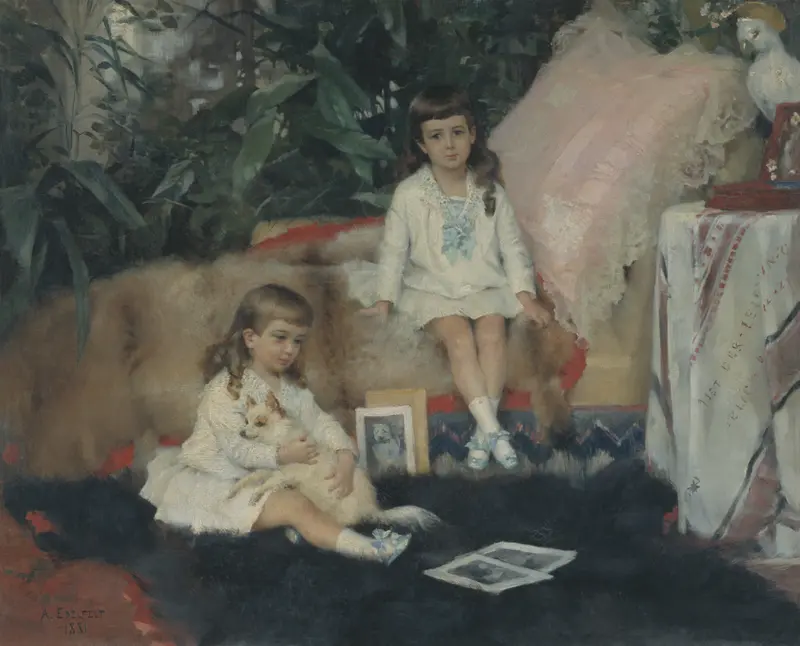
The Grand Dukes Boris and Kirill Vladimirovich as Children
Albert Edelfelt
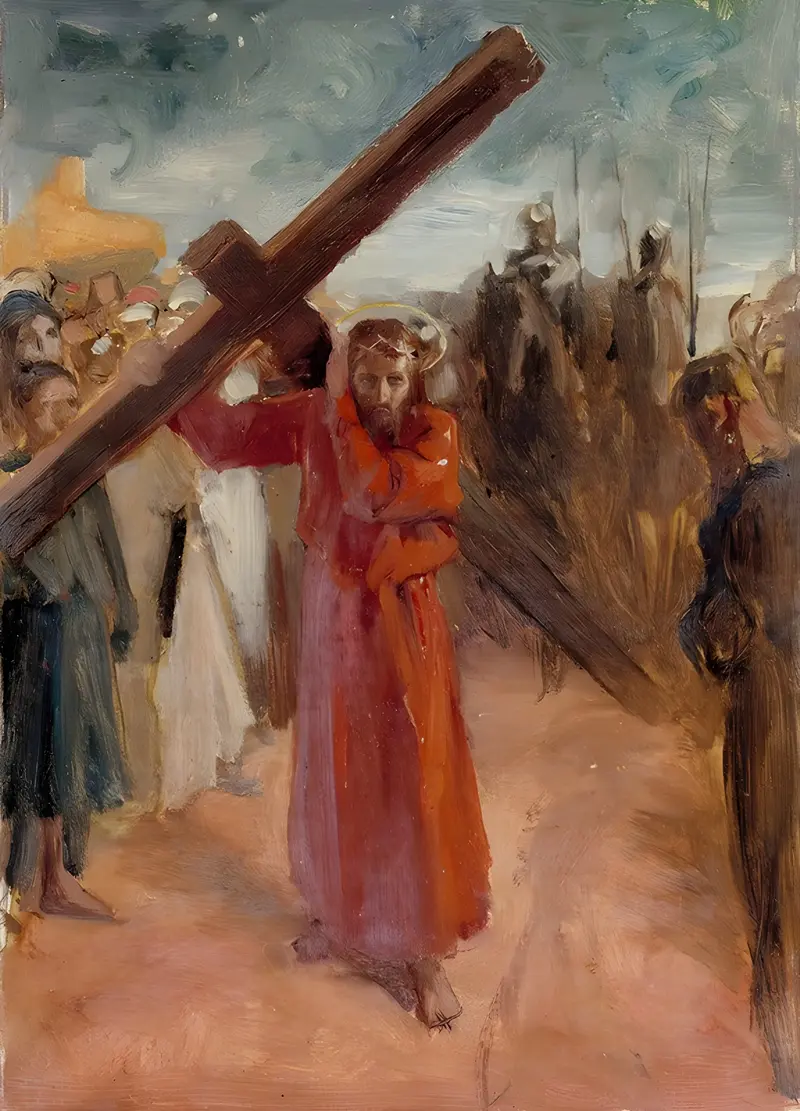
Christ Bears The Cross
Albert Edelfelt
Jesus Washing the Feet of his Disciples
Albert Edelfelt

Larin Paraske with Kantele
Albert Edelfelt
Leo Mechelin, Portrait Study
Albert Edelfelt





