
Maria am Gestade — History & Facts
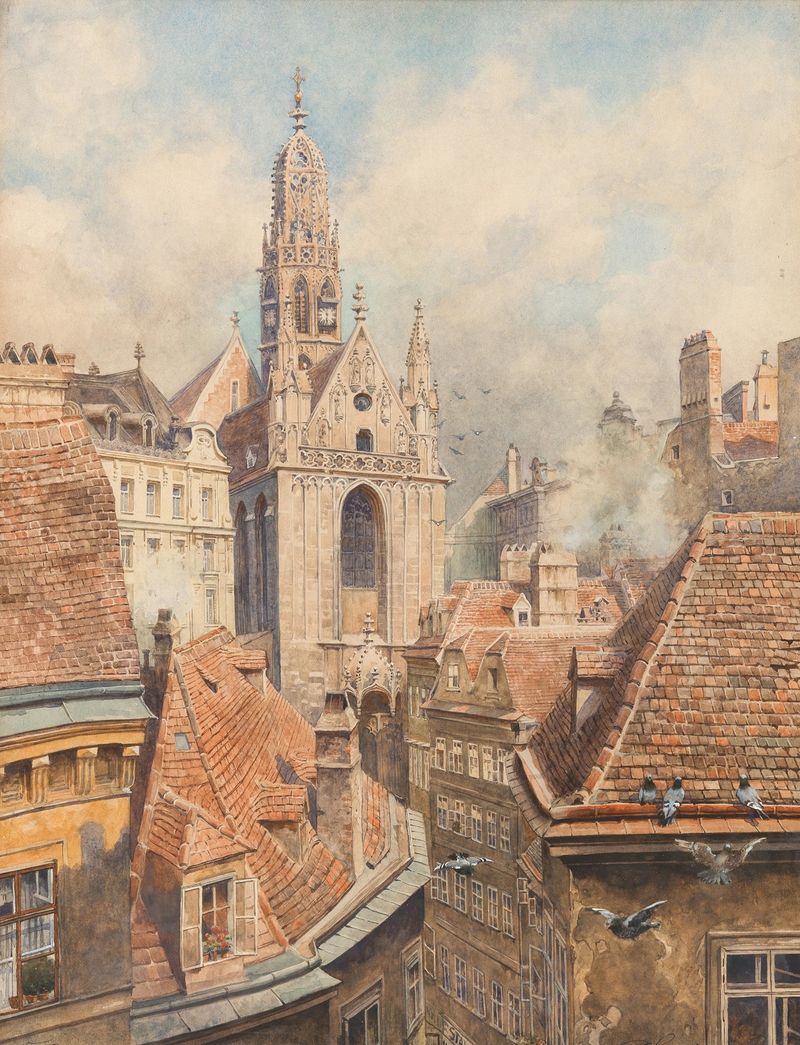
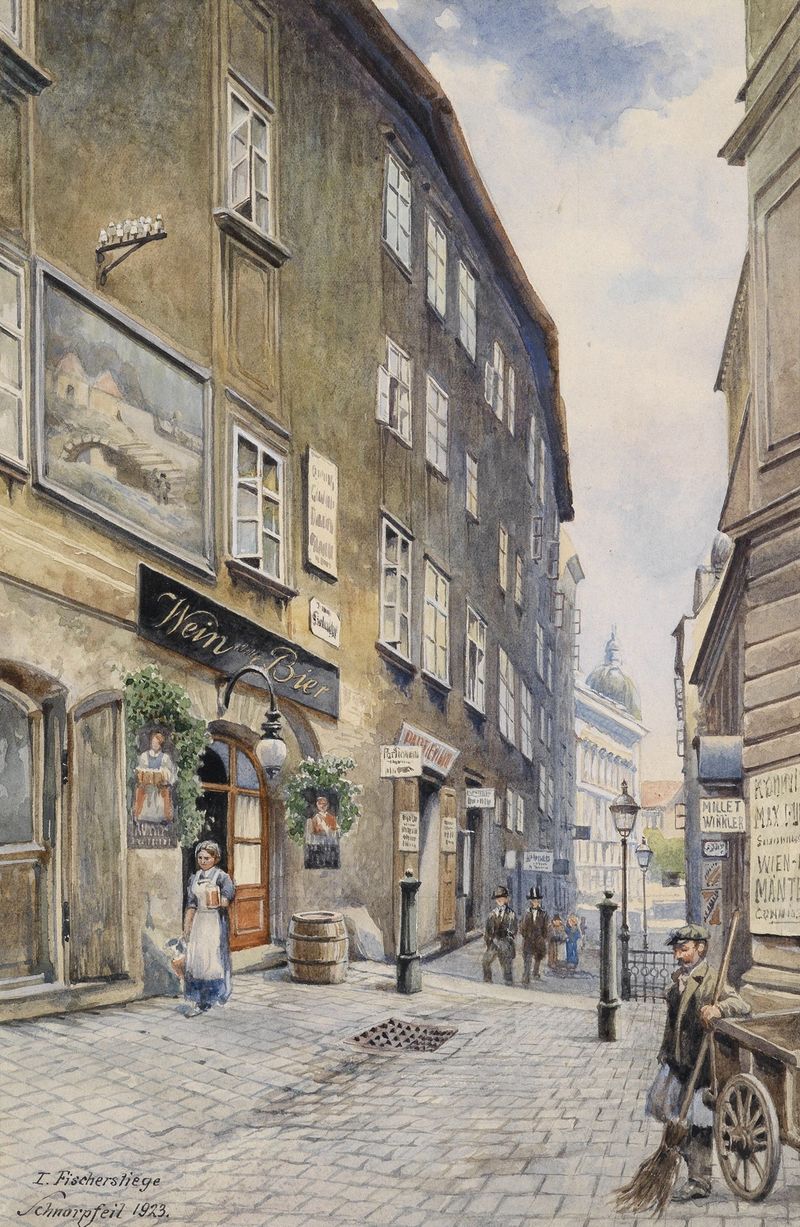
Did the painter know this moment would outlive them? In a world dominated by the ephemeral, the quest for divinity can often feel like grasping at shadows. Look to the left, where a quiet figure kneels in reverence, bathed in a soft, golden light that emanates from an unseen source above. The intricate detailing of the surrounding architecture frames the scene, inviting your gaze toward the figure’s serene expression. The gentle brushwork captures the textures of her garment, while the rich palette of deep blues and warm earth tones establishes a sacred atmosphere, enhancing the sense of stillness that envelops her. Delve deeper into the painting’s nuances, and one can sense a tension between the earthly and the divine.
The juxtaposition of the figure’s humility against the grandiosity of her surroundings suggests a longing for connection, an aspiration that transcends mere existence. The way the light caresses her form might symbolize divine grace touching an ordinary life, evoking feelings of solitude, hope, and the profound search for meaning. Created during an undetermined moment in Karl Schnorpfeil's artistic journey, Maria am Gestade reflects the period's interest in spirituality amid a rapidly modernizing society. Working in a context where art was shifting towards abstraction and expression, the artist sought to uphold the relevance of the divine in everyday life, a poignant reminder of humanity's eternal quest for the sacred.
More Artworks by Karl Schnorpfeil
Browse all →

More Religious Art
Browse all →
The Return of the Prodigal Son
Rembrandt van Rijn

The Garden of Earthly Delights
El Bosco

Count Orgaz’ funeral
El Greco

The Hundred Guilder Print: the central piece with Christ preaching, the plate arched
Rembrandt van Rijn

The Descent from the Cross
Rogier van der Weyden

The return of the prodigal son
Rembrandt van Rijn