
Maria Island from Little Swanport, Van Diemen’s Land — History & Facts
Could beauty survive in a century of chaos? This question lingers in the air as one gazes at the lush landscapes of a forgotten era, where nature reigns in vibrant splendor. Look to the left at the gentle curves of the distant hills, their soft greens melting into the horizon. The brushwork captures a fleeting moment, with wisps of clouds playing hide and seek with the sun. Notice how the rich blues of the water contrast with the warm earth tones of the foreground, drawing your eye inward.
It's as if the scene invites you to step closer, enveloping you in the raw beauty of a land untouched by time. Yet, beneath the surface of this idyllic portrayal lies a poignant sense of nostalgia. The tranquility of the scene contrasts starkly with the tumultuous reality of the mid-19th century, when colonization was reshaping landscapes and lives. Each detail, from the distant sails on the water to the faint traces of human presence, evokes a longing for harmony in a world teetering on the brink of conflict.
This artwork serves as a reminder of what is lost and the fragile beauty that remains. In 1846, Prout created this artwork while living in Van Diemen’s Land, now known as Tasmania, during a period when European artists began to romanticize the Australian landscape. The burgeoning influx of settlers and rapid changes to the environment were reshaping the cultural landscape, yet Prout’s work captures a moment of serene solitude, reflecting both his artistic ambition and the complex realities of a land in flux.
More Artworks by John Skinner Prout
Browse all →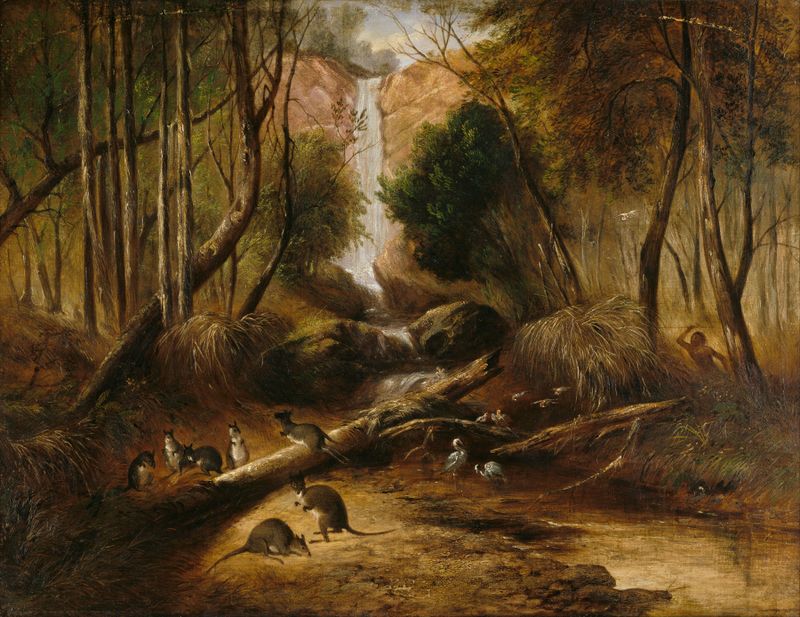
Bush landscape with waterfall and an aborigine stalking native animals, New South Wales
John Skinner Prout
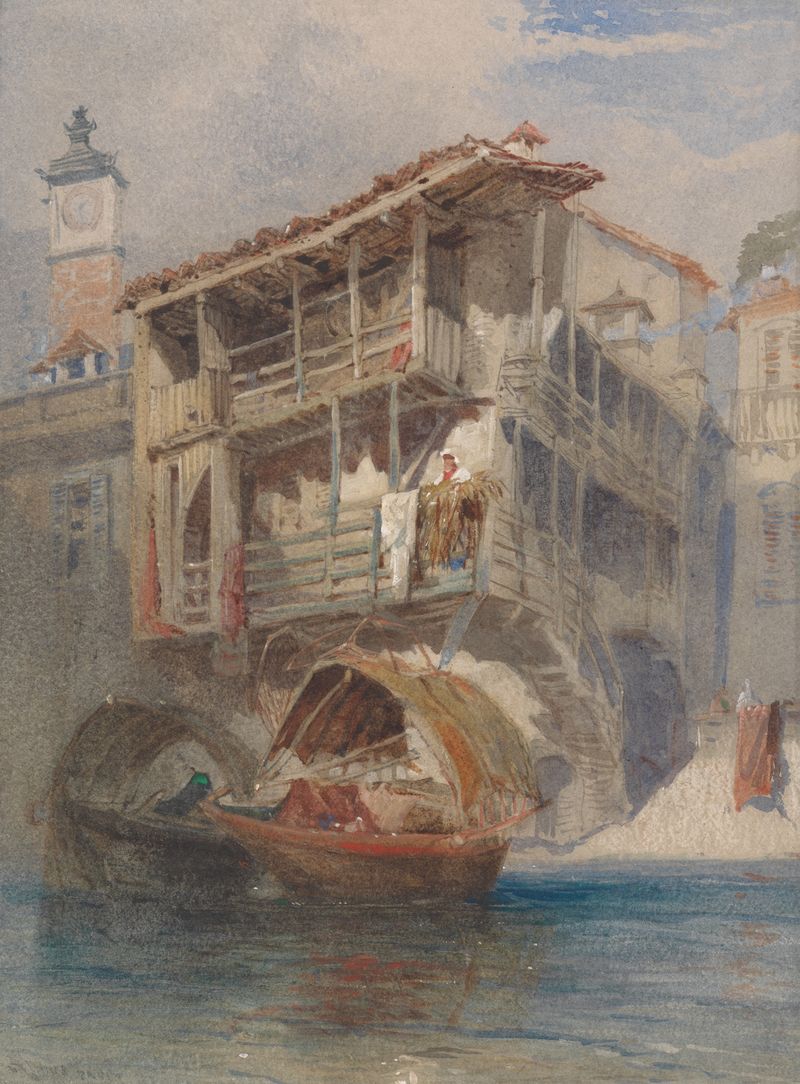
Isola Bella, Lago Maggiore
John Skinner Prout
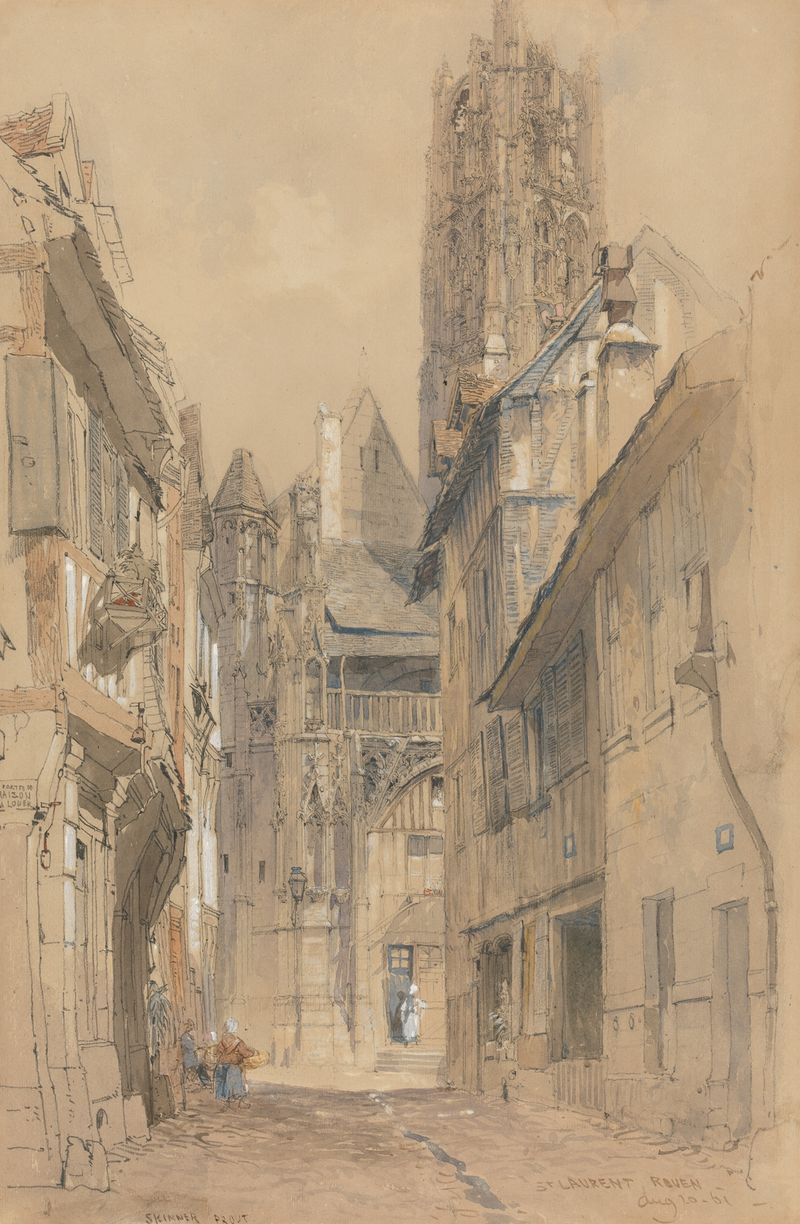
The Church of St. Laurent
John Skinner Prout
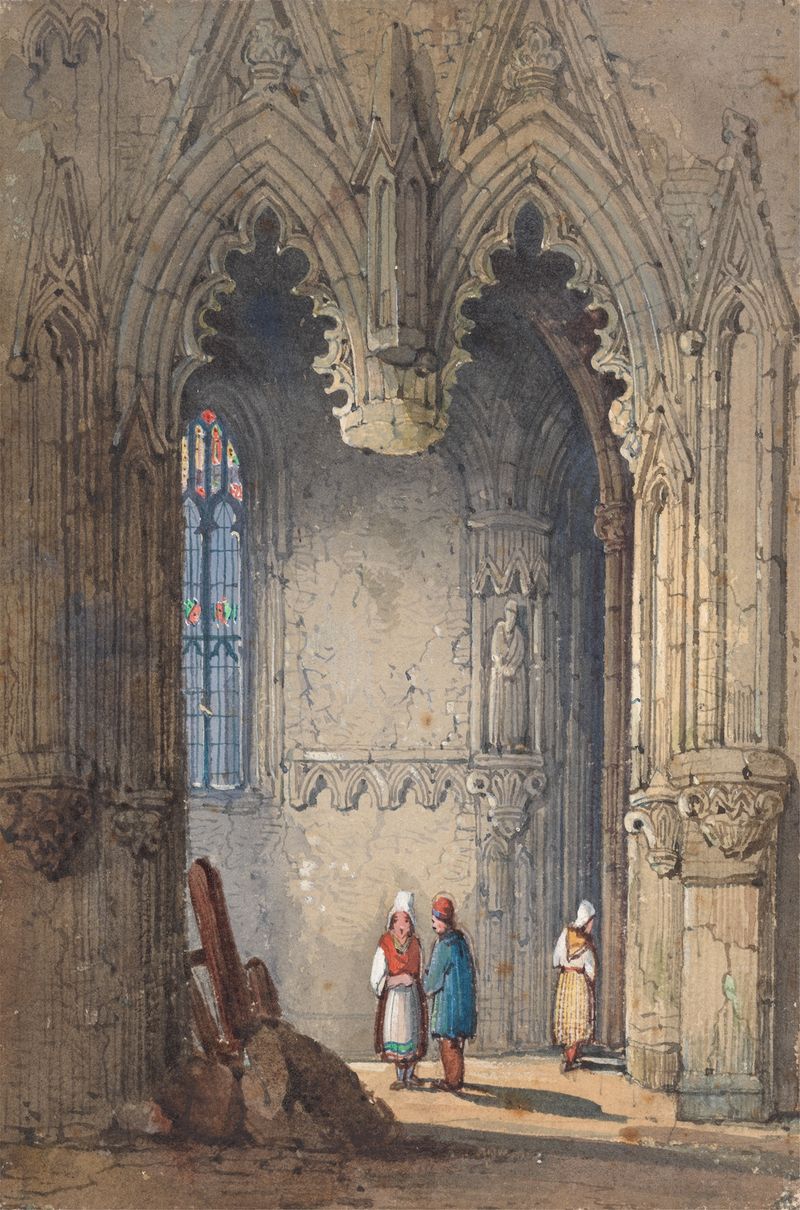
The Church of St. Laurent, Rouen
John Skinner Prout
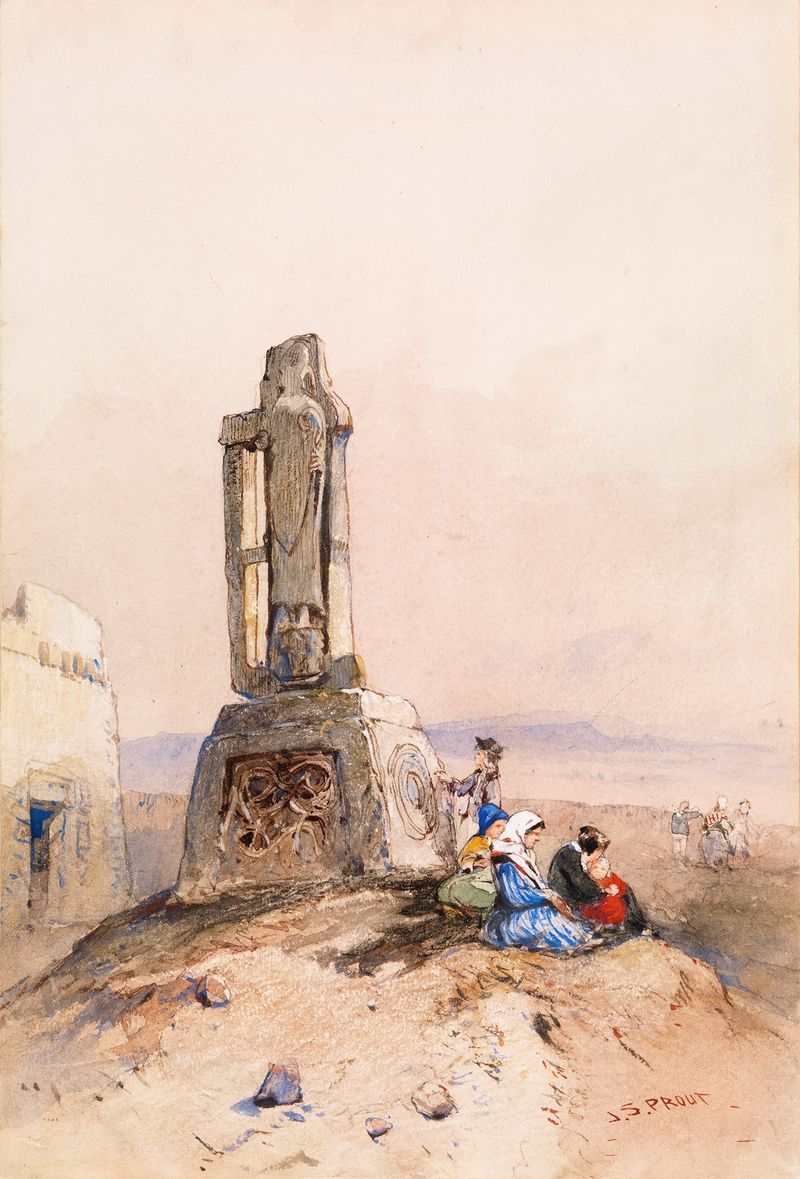
Saint Patrick’s Cross, Cashel
John Skinner Prout
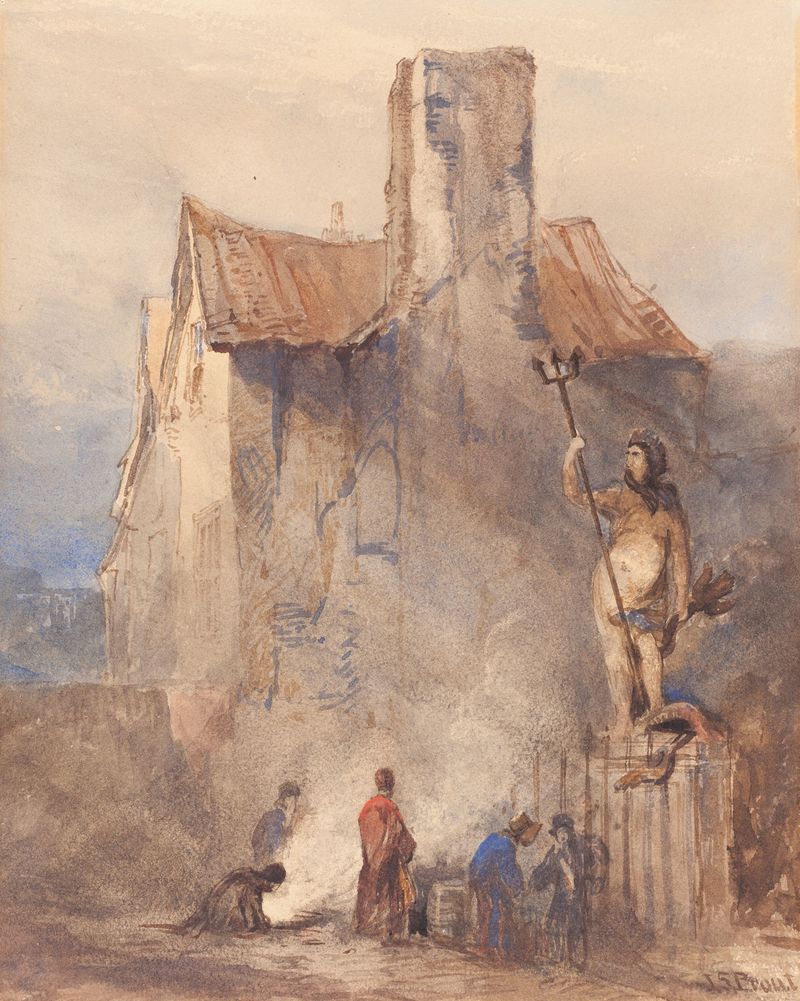
The Bristol Riots – The Burning in the Street
John Skinner Prout





