
Maria met kind en papegaai en peer — History & Facts
Could a single brushstroke hold eternity? In Maria met kind en papegaai en peer, the fleeting nature of life is rendered timeless, captured within the delicate strokes of the artist’s brush. Look to the center of the composition where a tender maternal figure, Maria, cradles her child. The warm, earthy tones of her garment contrast starkly with the vibrant green of the parrot perched nearby. Notice how the light gently spills across the scene, illuminating the figures with a soft glow while casting subtle shadows that deepen the emotional weight.
The choice of colors reflects not only a realistic representation but also evokes a nurturing atmosphere, creating layers of warmth and intimacy. Delve deeper into the symbols present in the painting. The parrot, often seen as a harbinger of communication and the spirit, adds an intriguing layer to the tableau—suggesting the fleeting nature of life and the messages that linger beyond. The pear, resting at the base, can symbolize both fertility and mortality, subtly reminding us of life's transitory essence.
These details knit together a narrative of love and the inevitability of loss, encapsulating the interconnectedness of life’s joys and sorrows. In 1549, Hans Sebald Beham was part of the Northern Renaissance, having settled in Nuremberg, a hub of artistic innovation. Amidst a backdrop of religious turmoil and social change, he was carving a niche within the world of art that emphasized personal experience and domestic themes. This work reflects his commitment to portraying intimate moments, capturing the essence of life amid the uncertainties of his time.
More Artworks by Hans Sebald Beham
Browse all →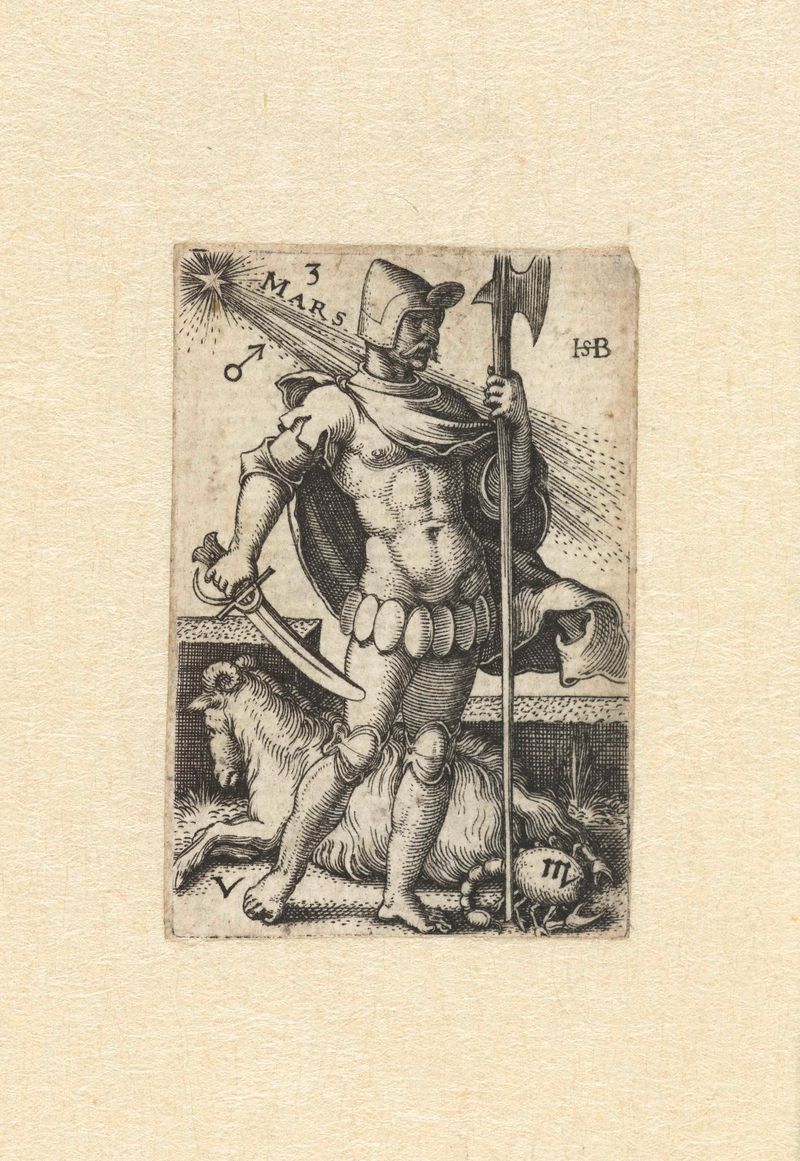
Mars met sterrenbeelden Ram en Schorpioen
Hans Sebald Beham

Achilles in gevecht met Hector
Hans Sebald Beham
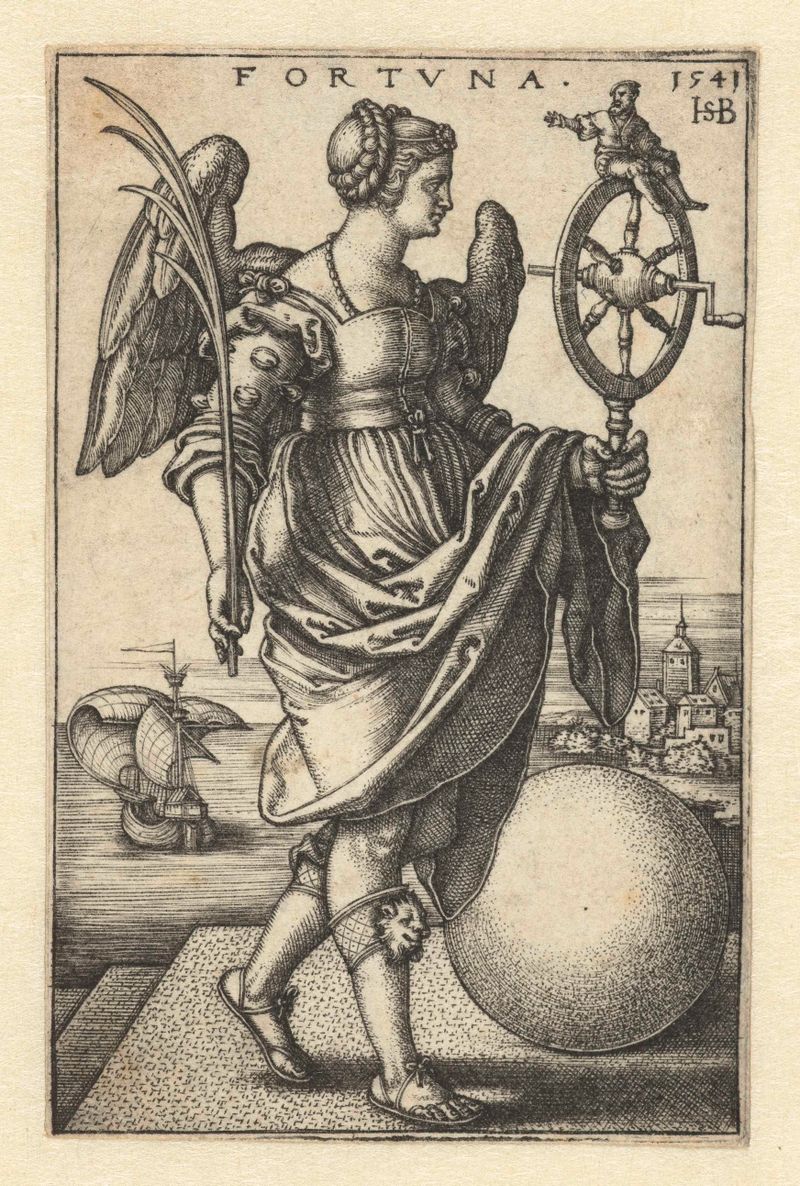
Fortuna
Hans Sebald Beham

Hercules worstelt met Antaeus
Hans Sebald Beham

Twee muzikanten met schalmey en doedelzak
Hans Sebald Beham

Voorzichtigheid (Prudentia)
Hans Sebald Beham

Hercules in gevecht met de Trojanen
Hans Sebald Beham
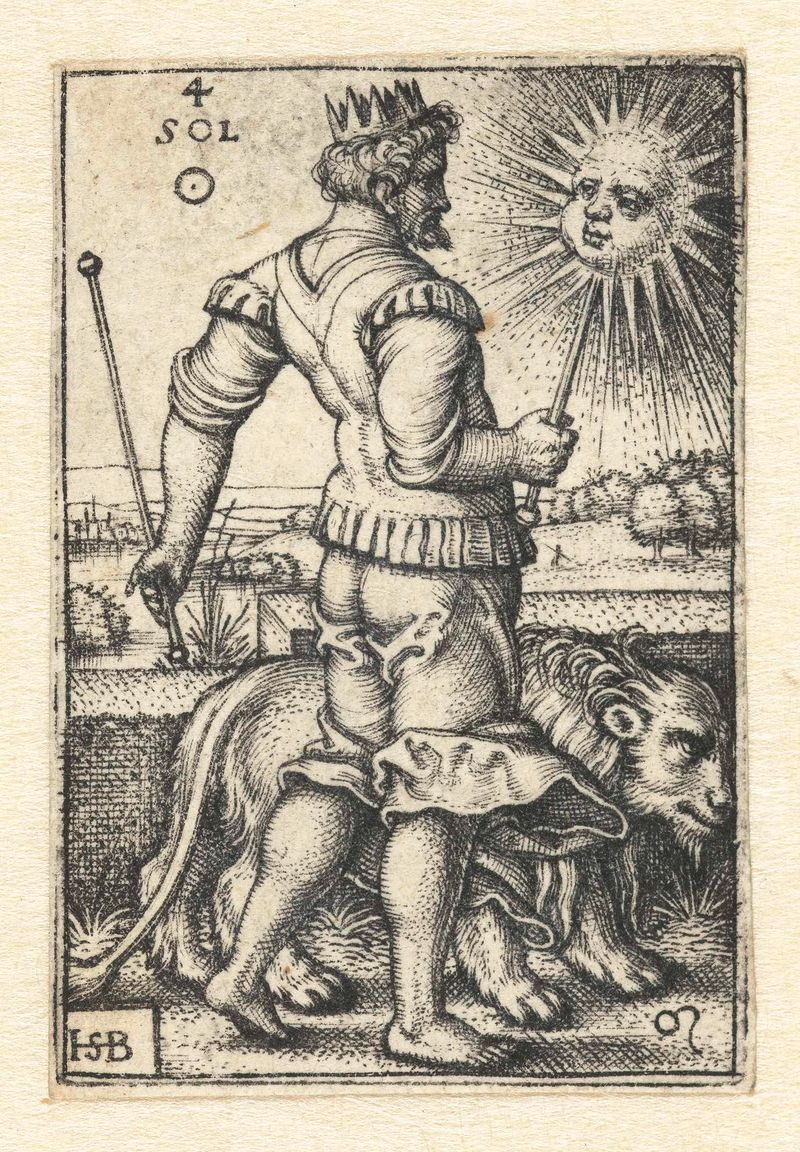
Apollo (Sol) met sterrenbeeld Leeuw
Hans Sebald Beham
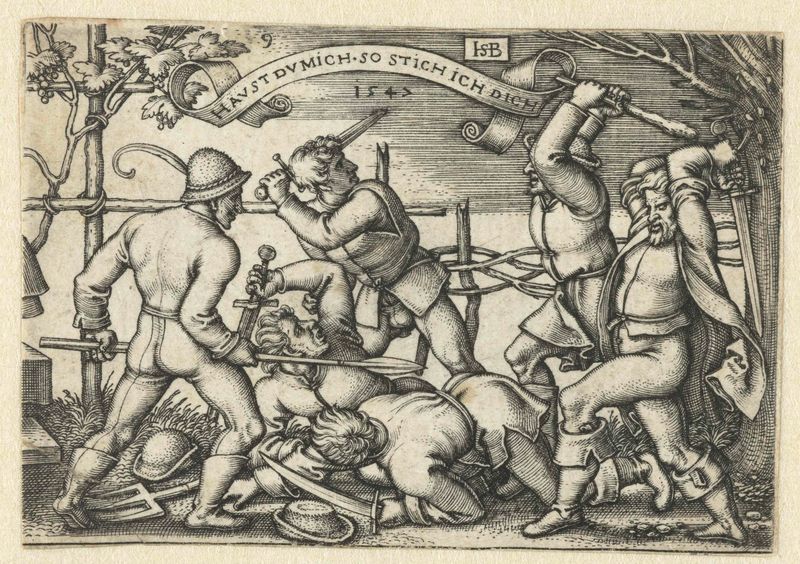
Vechtende boeren met zwaarden
Hans Sebald Beham
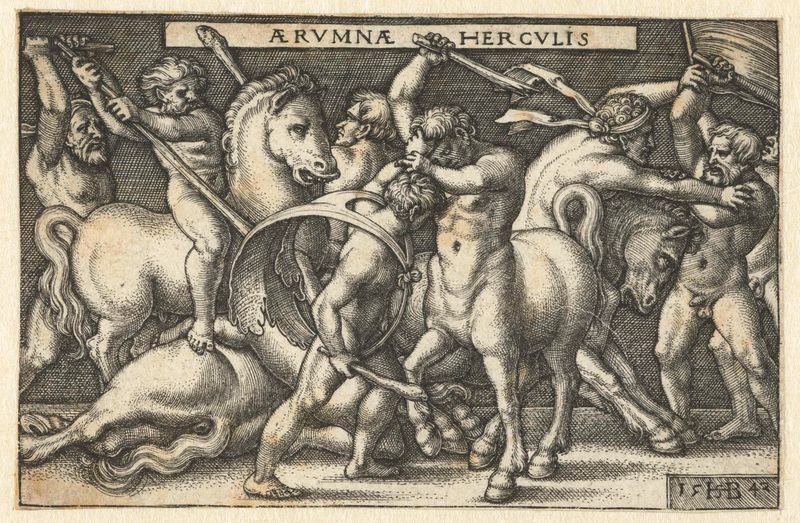
Hercules in gevecht met centaurs
Hans Sebald Beham
More Religious Art
Browse all →
The Return of the Prodigal Son
Rembrandt van Rijn

The Garden of Earthly Delights
El Bosco

Count Orgaz’ funeral
El Greco

The Hundred Guilder Print: the central piece with Christ preaching, the plate arched
Rembrandt van Rijn

The Descent from the Cross
Rogier van der Weyden

The return of the prodigal son
Rembrandt van Rijn