
Marinestudie — History & Facts
When did color learn to lie? In a world where hues can betray, Marinestudie invites viewers to question the very essence of truth reflected in nature. Look to the deep cerulean expanse at the center of the canvas, where the ocean meets the sky in a seamless blend of blues. Notice how the brushstrokes mimic gentle ripples, creating a dynamic surface that seems to dance under an unseen sun. To your left, boats float lazily, their sails catching the light—crafted with a delicate interplay of whites and creams, they evoke both serenity and a haunting sense of isolation.
This composition draws you in, inviting contemplation of the hidden currents beneath its tranquil surface. Delve deeper into the contrasts at play: the stillness of the water presents a stark juxtaposition to the distant horizon, where a storm brews ominously. Each vessel, at first glance merely an object of leisure, becomes a symbol of vulnerability against nature's unpredictable temperament. The softly layered colors mask an underlying tension—what appears peaceful may conceal unforeseen peril, echoing the themes of betrayal found in life itself. In 1874, Carl Frederik Sørensen painted this work during a period marked by artistic exploration in Denmark.
At the time, he was influenced by the burgeoning Realist movement, fostering a desire to capture nature with authenticity. This period of his life reflected a fusion of personal introspection and broader societal shifts, as artists grappled with the ways in which perception could be manipulated. In Marinestudie, Sørensen captured a moment that transcends the horizon, blending beauty with a hint of foreboding.
More Artworks by Carl Frederik Sørensen
Browse all →
Svenske Kongens Besøg paa Kronborg
Carl Frederik Sørensen
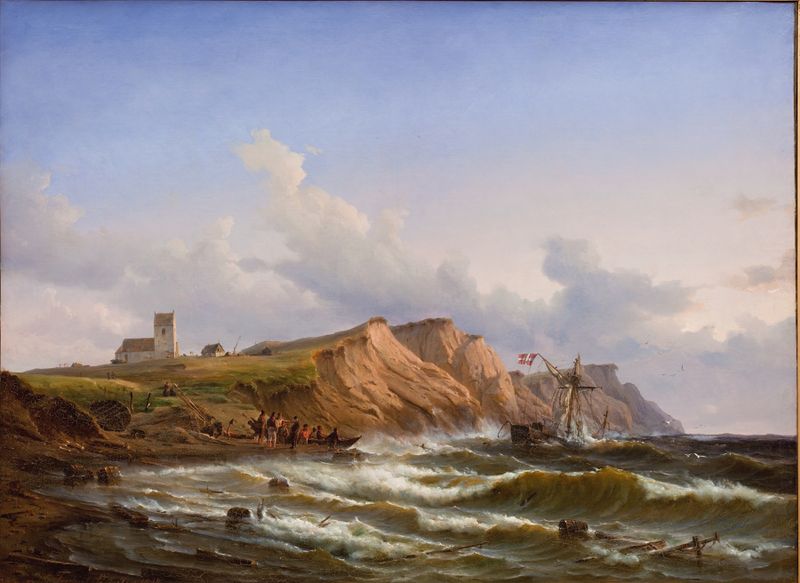
Shipwreck after a Storm off the West Coast of Jutland near Ferring Church
Carl Frederik Sørensen
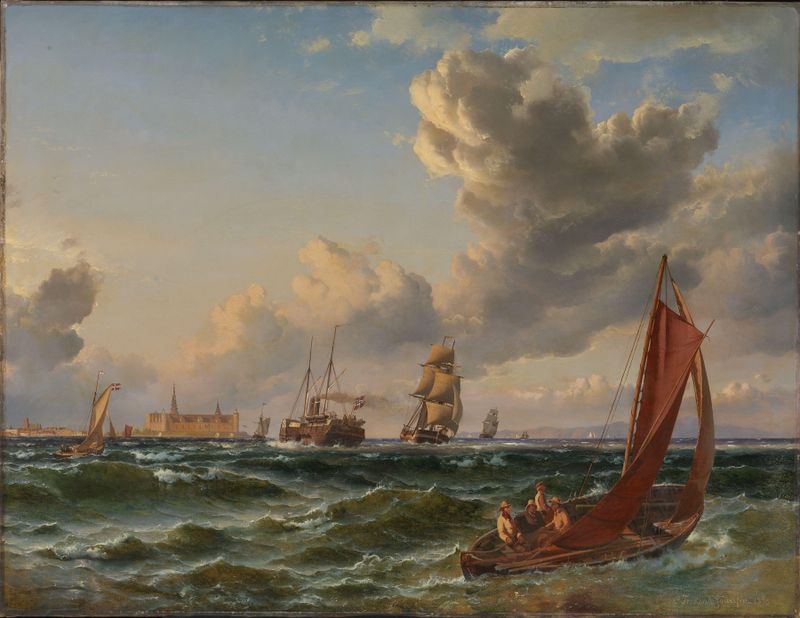
Parti fra Øresund med Kronborg
Carl Frederik Sørensen

A Norwegian Coastline
Carl Frederik Sørensen

Både til kajs ved Kronborg
Carl Frederik Sørensen
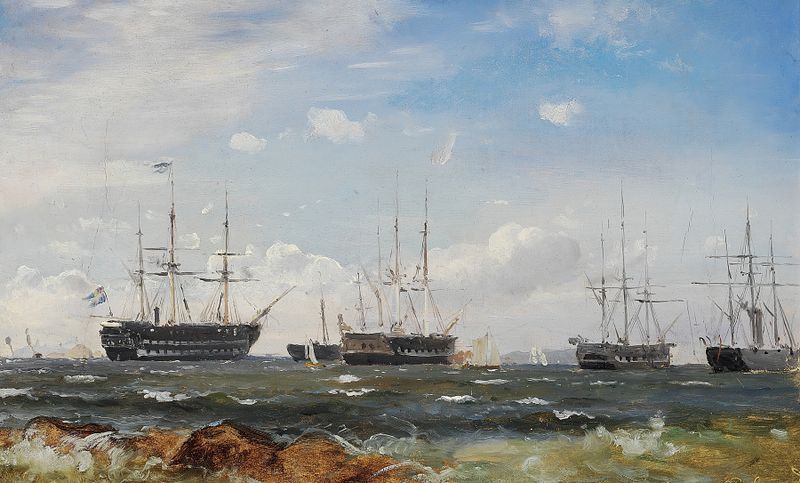
Svenske orlogsskibe ud for Göteborg
Carl Frederik Sørensen
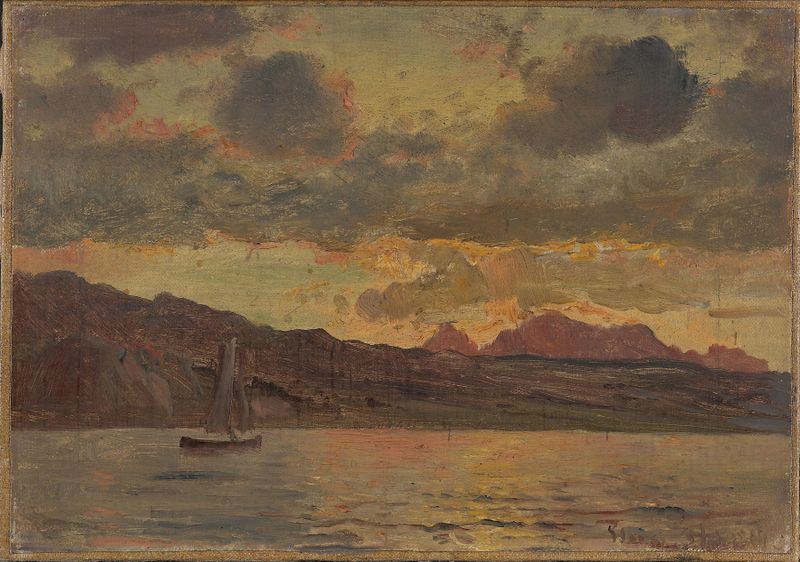
Marine
Carl Frederik Sørensen

Seascape
Carl Frederik Sørensen
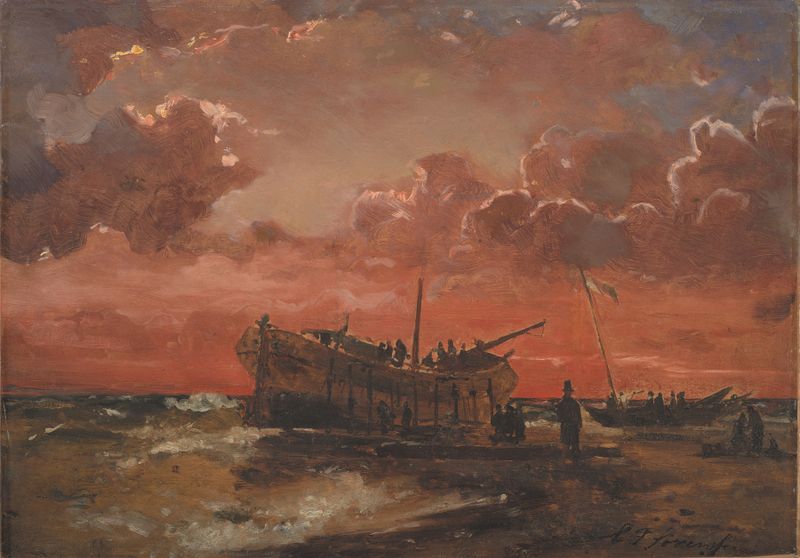
A Wreck on the West Coast of Jutland at Sunset
Carl Frederik Sørensen
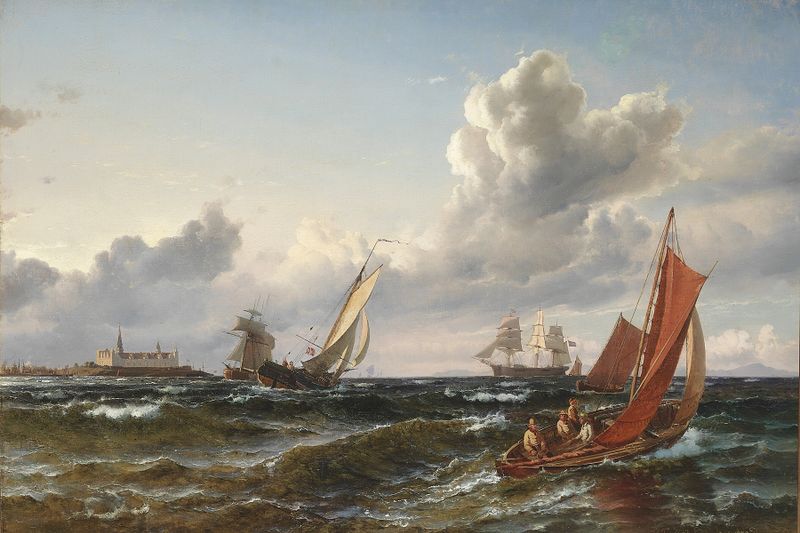
Sejlskibe og fiskerbåd i Sundet ud for Kronborg
Carl Frederik Sørensen





