
Marly Chateau around 1722 — History & Facts
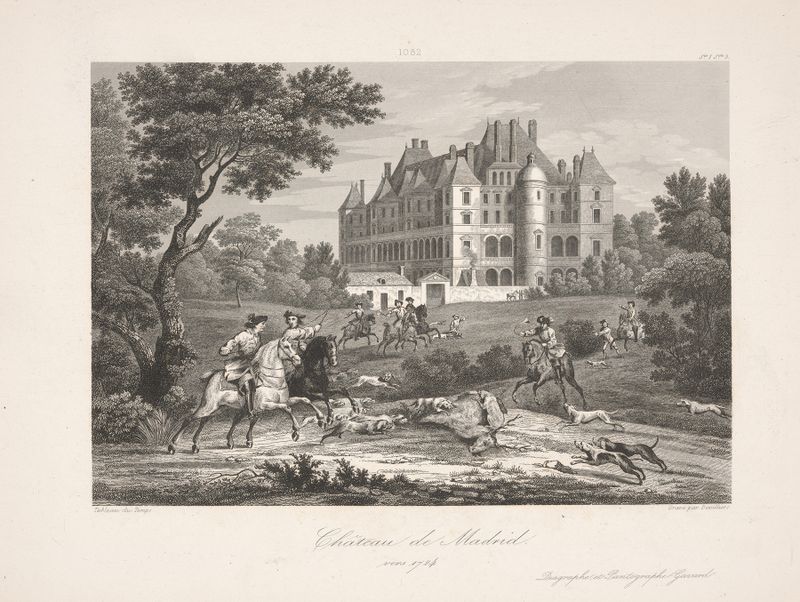
This sentiment resonates deeply within the timeless elegance of an 18th-century chateau, where whispers of lavish gatherings and quiet reflection intertwine with the rustle of leaves and the soft murmur of water. Here, in a still moment captured on canvas, we witness a space that seems to breathe anew, embodying the essence of rebirth through artistry. Look center stage at the imposing facade of the chateau, its classical lines and intricate detailing inviting your gaze. Notice how the light bathes the structure, illuminating the facades while shadows dance along the garden paths.
The palette is soft yet vibrant, with gentle greens and warm earth tones creating a harmonious balance. The composition draws you inward, inviting exploration of the lush surroundings that frame this architectural gem. As you examine the work further, consider the contrasts at play—between the opulence of the chateau and the serenity of its garden. The scene embodies a dialogue between nature and humanity, reaffirming life’s cycles.
The hidden figures, perhaps representing the spirits of those who once roamed these grounds, suggest a deeper narrative of memory and legacy. This interplay evokes a sense of nostalgia, inviting the viewer to contemplate the passage of time and the enduring presence of beauty. In 1838, as Marly Chateau took shape under the hand of Etienne Devilliers, Europe was emerging from the shadows of tumultuous revolutions, seeking solace in the elegance of the past. Devilliers, influenced by the Romantic movement, infused his work with a longing for lost grandeur while capturing the essence of rebirth found in both architecture and nature.
This period marked a resurgence of interest in historical themes, allowing him to reflect on the enduring spirit of human expression amidst the changing tides of society.
More Artworks by Etienne Devilliers
Browse all →
More Architecture Art
Browse all →
The statue of Liberty
Frédéric Auguste Bartholdi

View of Houses in Delft, Known as ‘The Little Street’
Johannes Vermeer

View of Houses in Delft, Known as ‘The Little Street’
Johannes Vermeer

The Cathedral in Rouen. The portal, Grey Weather
Claude Monet

The yellow house
Vincent van Gogh

The Church in Auvers-sur-Oise, View from the Chevet
Vincent van Gogh