Mass — History & Facts
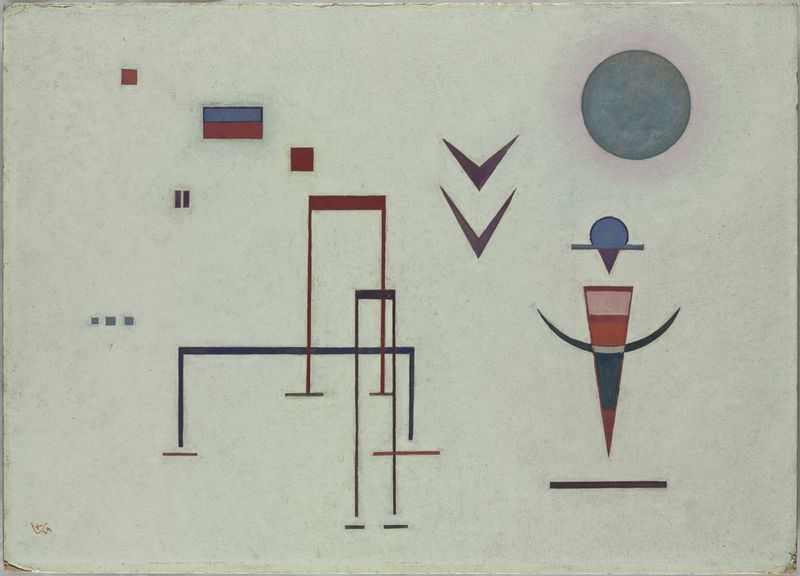
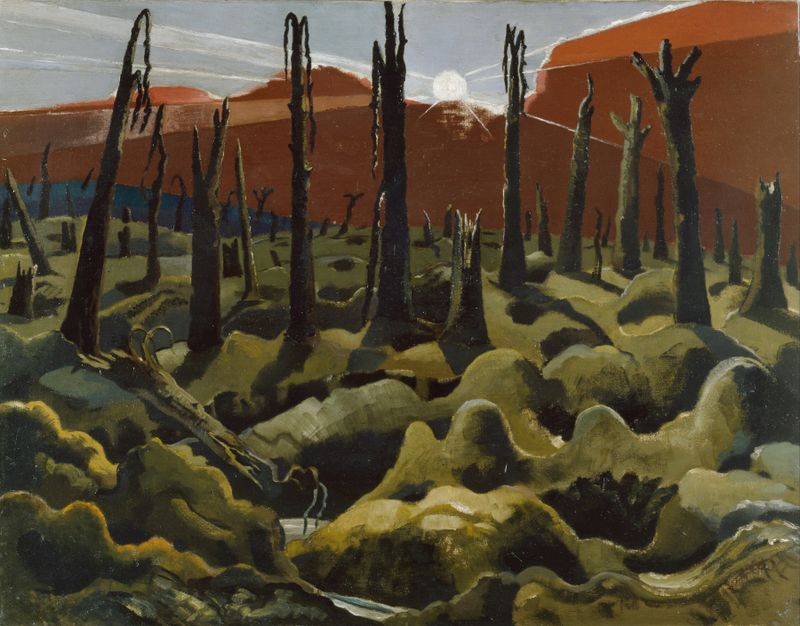
In a world teetering on the edge of chaos, this work captures the tumult of the human experience, revealing the undercurrents of existence that often go unseen. It is a reflection of the disarray that surrounds us, a reminder that chaos can birth creativity and clarity all at once. Look to the bottom left where the bold strokes of deep crimson and jet black collide, creating a stark contrast that draws the eye with urgency. Notice how jagged shapes twist and turn, almost as if they are caught in a frenetic dance, while lighter hues burst forth, illuminating pockets of desolation amidst the frenzy.
The dynamic interplay of these colors not only enhances the feeling of turmoil but also invites viewers to explore the stark boundaries of their own emotions, urging them to confront the chaos within. Upon closer inspection, the fragmented forms evoke a sense of communal struggle, possibly representing the fragmentation of society during a tumultuous period. The erratic lines and fluctuating patterns create a visual symphony of disorder, yet they hint at a deeper order lying beneath the surface. This dichotomy between chaos and harmony permeates the piece, encouraging contemplation of how disarray can eventually lead to a profound understanding of unity and resilience. Created in 1931 during a time of significant upheaval in Germany, the artist worked amidst the rise of political tensions and societal change.
Influenced by the emerging avant-garde movements, he sought to redefine artistic expression, embracing abstraction to communicate the complexities of the modern experience. This moment in art history reflects a pivotal shift, where traditional forms were abandoned, and new languages of visual expression began to emerge.