
Matteüs — History & Facts
What secret hides in the quiet of the canvas? In Hans Sebald Beham's Matteüs, the stillness of the scene speaks volumes, hinting at emotions that intertwine with the silent brushstrokes of history. Look to the left, where the figure of Matteüs stands, draped in rich, warm hues that invite the viewer to explore his expression. Notice how the light falls softly on his face, casting gentle shadows that evoke a sense of contemplation. The composition draws the eye inward, creating an intimate connection with this central character, while the surrounding elements provide context—subtle details that suggest a narrative beyond the apparent calm. As you delve deeper, consider the contrasts at play: the vibrant reds and golds of Matteüs's attire juxtaposed with the muted tones of the background, symbolizing the tension between personal glory and communal betrayal.
The slight tilt of his head and the furrowed brow hint at an internal struggle, embodying the complexity of loyalty and faith. Each stroke carries the weight of unspoken stories, revealing an intricate dance between the seen and unseen. Beham created Matteüs in 1541 during a pivotal period marked by the Reformation, a time when faith and personal conviction were being intensely scrutinized. As a prominent figure in the German Renaissance, he was navigating a world of artistic exploration and emerging religious tensions.
This work reflects both his mastery and the profound questioning of identity and belief that defined the era.
More Artworks by Hans Sebald Beham
Browse all →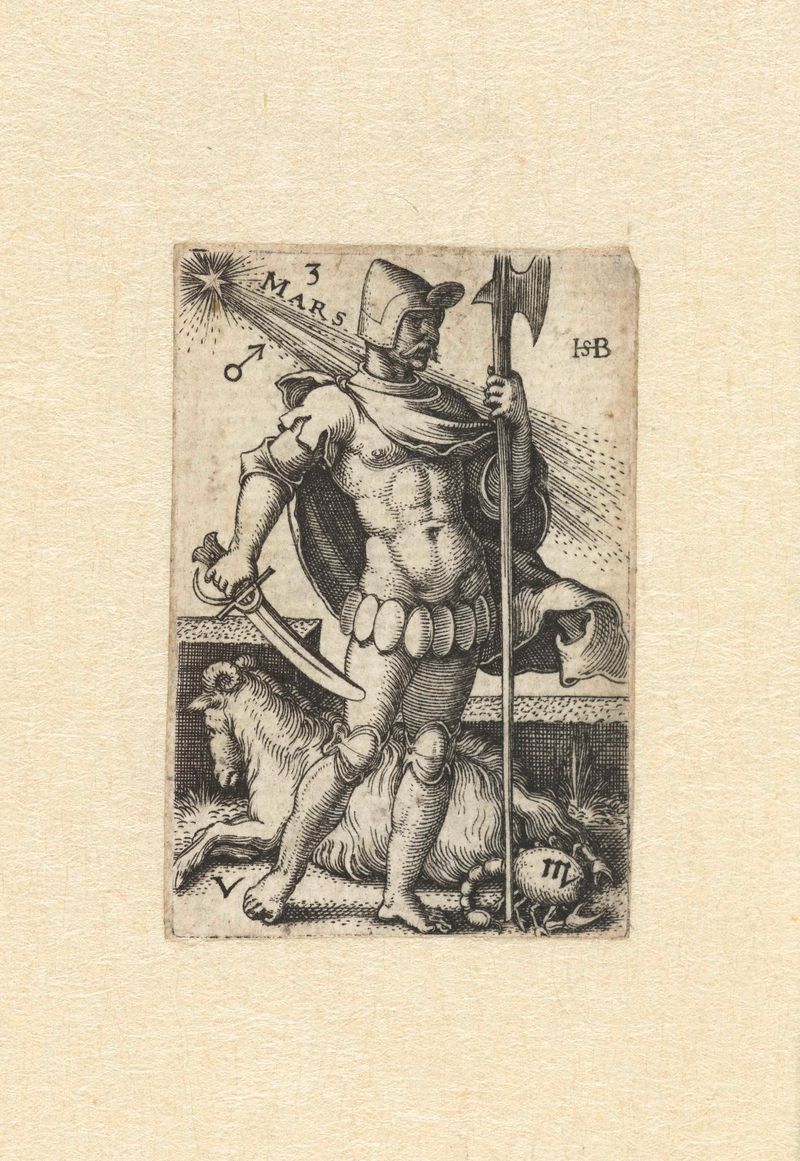
Mars met sterrenbeelden Ram en Schorpioen
Hans Sebald Beham

Achilles in gevecht met Hector
Hans Sebald Beham
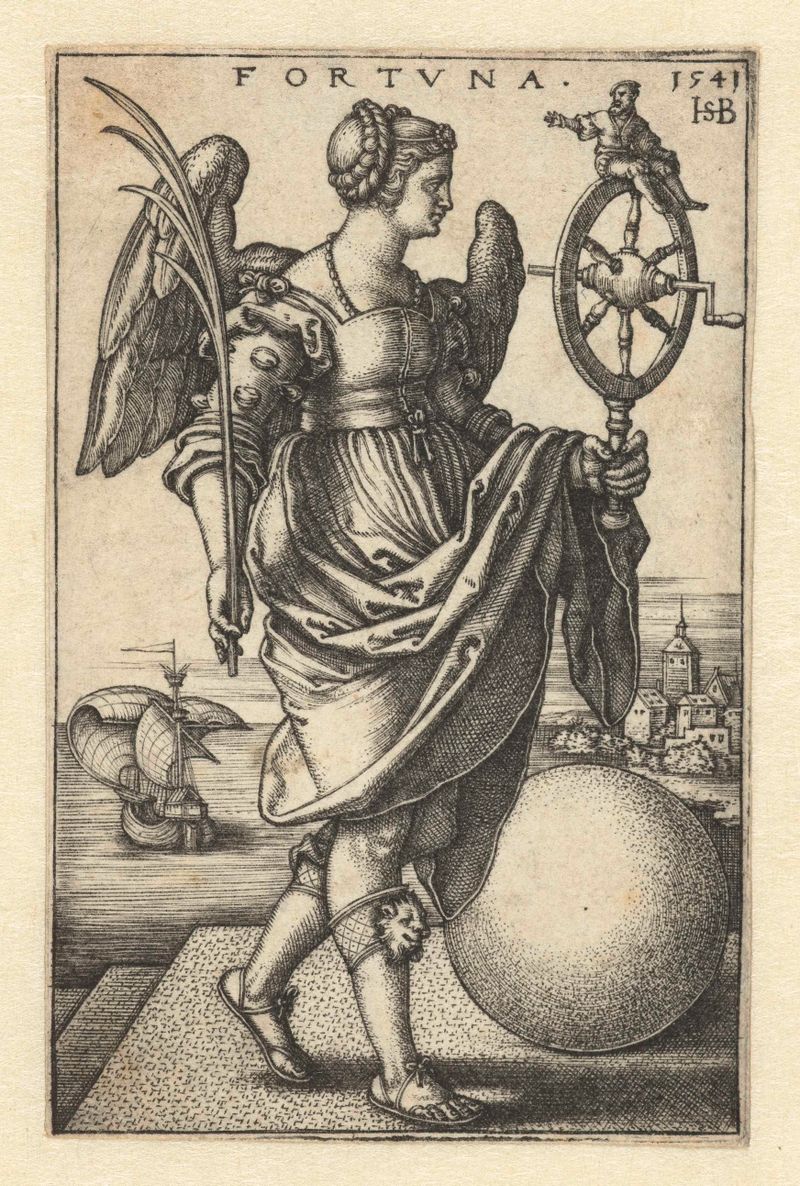
Fortuna
Hans Sebald Beham

Hercules worstelt met Antaeus
Hans Sebald Beham

Twee muzikanten met schalmey en doedelzak
Hans Sebald Beham

Voorzichtigheid (Prudentia)
Hans Sebald Beham

Hercules in gevecht met de Trojanen
Hans Sebald Beham
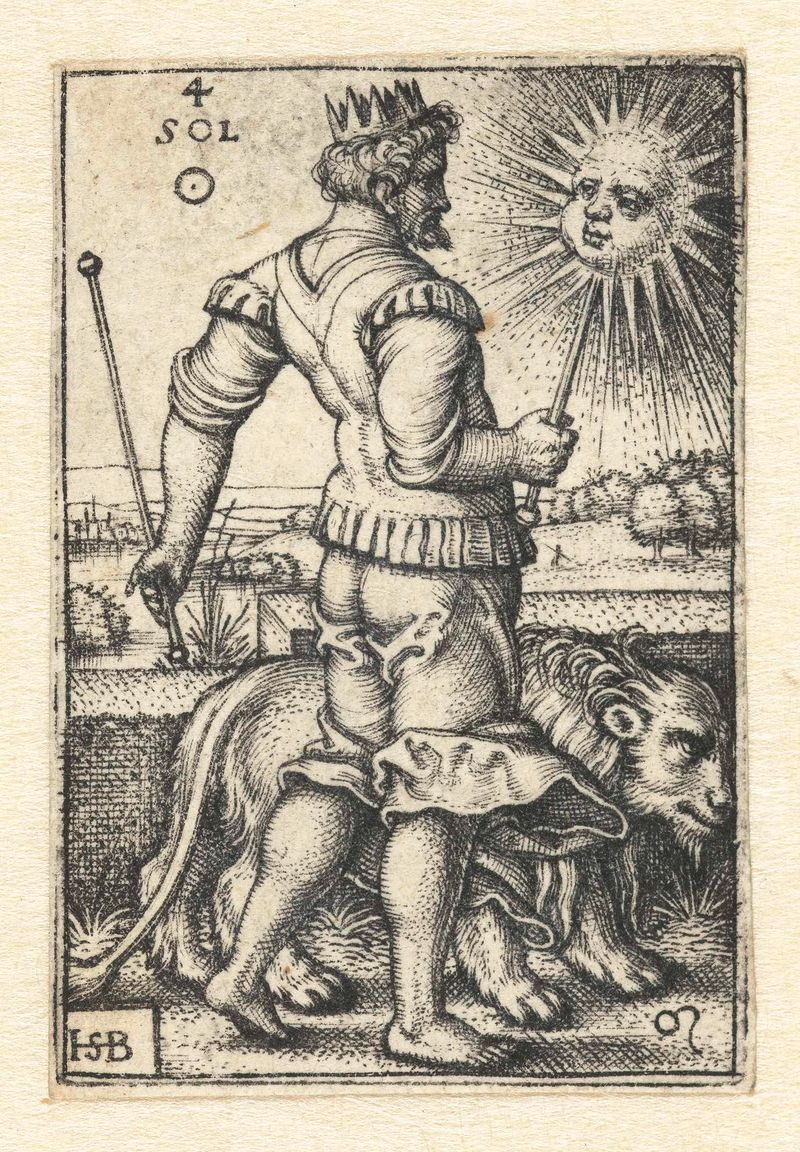
Apollo (Sol) met sterrenbeeld Leeuw
Hans Sebald Beham
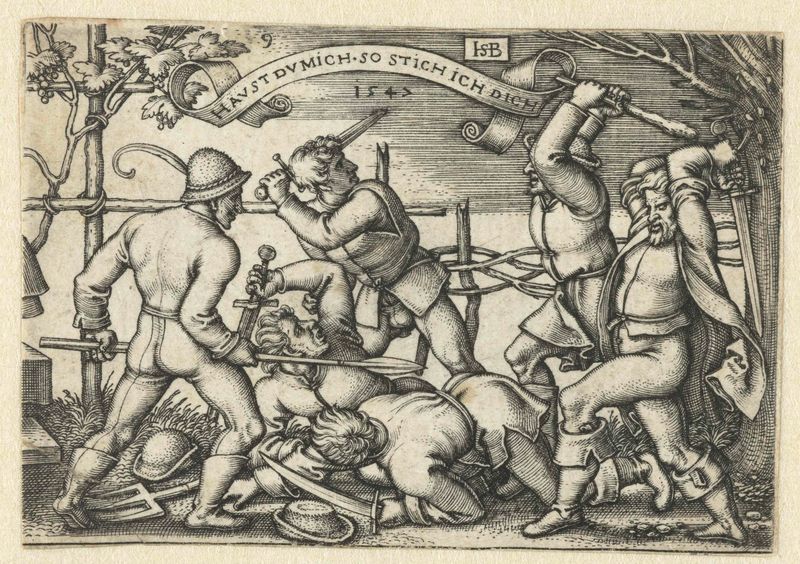
Vechtende boeren met zwaarden
Hans Sebald Beham
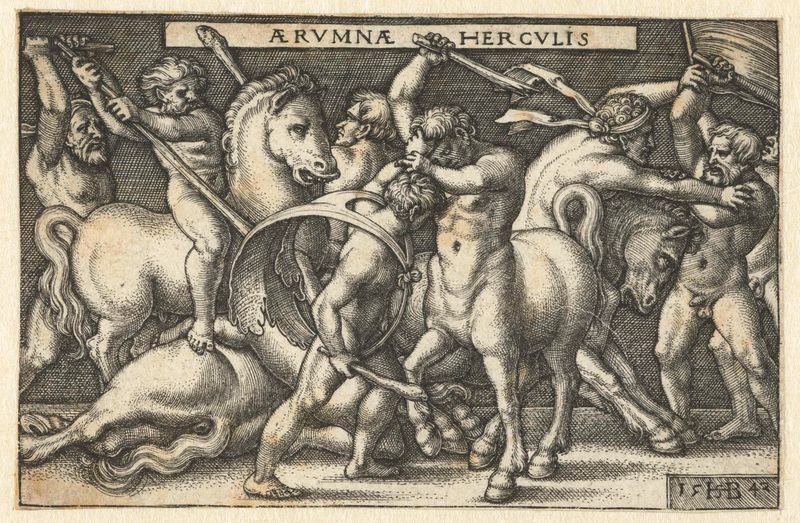
Hercules in gevecht met centaurs
Hans Sebald Beham
More Portrait Art
Browse all →
Las meninas
Diego Velázquez

Self-portrait with a Bandaged Ear and Pipe
Unidentified artist

Girl with a Pearl Earring
Johannes Vermeer

The Sampling Officials of the Amsterdam Drapers’ Guild, Known as ‘The Syndics’
Rembrandt van Rijn

The Hundred Guilder Print: the man seen on the back in the lower left corner
Rembrandt van Rijn

Portrait of Dr Gachet
Vincent van Gogh